🇨🇳 Magic in China
247 entries from China, best known first, across 80 places of magic.
Chinese folk religion is a syncretic blend of ancestral veneration, spirit worship, and teachings from Buddhism, Confucianism, and Taoism. It lacks a centralized structure but forms the cultural bedrock for Han Chinese communities worldwide.
- Syncretic blend of Buddhism, Confucianism, and Taoism emerged by the Song dynasty
- Core concepts include yin-yang balance and moral reciprocity (bao ying)
- Government classifies it as cultural heritage rather than an official religion
- Ancestor veneration and spirit worship form the basis of daily practice
- Participation depends on community belonging rather than formal conversion
Overview
This tradition weaves together local customs with broader philosophical systems. It centers on honoring ancestors and worshipping spirits that inhabit places or represent natural forces. The practices merged significantly during the Song dynasty, creating a flexible religious landscape. Unlike organized faiths with strict memberships, it relies on community participation and kinship ties. Core ideas include the balance of yin and yang energies and the concept of moral reciprocity. This worldview influences daily life, health practices, and environmental harmony, serving as a shared cultural heritage rather than a formal institution.
Practices and beliefs
Devotees engage in ancestor veneration and offer prayers to deities associated with specific locations or family lineages. Common activities include consulting feng shui principles to align living spaces with natural energies. Traditional medicine and acupuncture reflect these cosmological beliefs by balancing bodily forces. People also seek blessings from gods like Caishen for wealth or Mazu for safe travel. Oracles and divination tools help interpret fate and divine will. These practices are deeply integrated into social interactions and household routines.
Rites and charms
Ceremonies often involve offerings of food, incense, and paper items at home altars or local temples. Rituals mark life events such as births, marriages, and deaths, ensuring spiritual protection for the community. Pilgrimages to sacred sites strengthen local bonds and honor specific deities. Festivals feature processions, performances, and communal feasts dedicated to local gods. Sweeping rituals and seasonal offerings maintain harmony between humans and the spirit world. These acts reinforce social cohesion and respect for ancestral traditions.
Who practises
Leadership is typically informal, rooted in local temple committees or lineage elders. Shamans or mediums may facilitate communication with spirits during ceremonies. Healers use traditional methods based on cosmological theories rather than formal medical degrees. Participation does not require conversion or official initiation. Instead, belonging to a village or kinship group defines one's involvement. Scholars and community elders preserve ritual knowledge and guide religious activities without hierarchical authority.
Regions and communities
Practices vary significantly across provinces and villages, reflecting local environments and histories. Coastal areas often emphasize sea deities like Mazu, while inland regions focus on agricultural gods. Urban centers integrate folk beliefs with modern lifestyles, whereas rural areas maintain more traditional structures. Diaspora communities adapt these practices to new contexts, blending them with local cultures. Despite regional differences, core concepts like ancestor worship and energy balance remain consistent throughout Han Chinese societies.
The calendar
Festivals align with lunar cycles and agricultural seasons, marking times for offering and celebration. Key events include Qingming for honoring ancestors and Mid-Autumn Festival for family reunion. Births, weddings, and funerals follow specific ritual calendars to ensure spiritual well-being. Seasonal transitions prompt rituals to balance yin and yang energies within households. These temporal markers structure community life and reinforce connections to nature and ancestry.
Law and the state
The government recognizes five official religions but classifies folk religion as cultural heritage due to its diffuse nature. Authorities tolerate popular movements but suppress large organizations perceived as threats to stability. Historical campaigns labeled these practices as feudal superstition, though attitudes have softened recently. Modern revival efforts benefit from state interest in preserving traditional culture. Legal ambiguity allows flexibility but limits formal institutional recognition compared to recognized faiths.
Today
Folk religion experiences revival through cultural preservation initiatives and diaspora connections. Migration spreads practices globally, adapting them to diverse contexts. Commercialization appears in tourism and religious goods, though core rituals remain community-focused. Scholars view these traditions positively as vital cultural elements. Digital platforms facilitate sharing of knowledge among practitioners. The tradition continues to evolve while maintaining its foundational emphasis on harmony and ancestral respect.
The facts in this overview come from the Wikipedia article "Chinese folk religion", written by its contributors and used under the CC BY-SA 4.0 licence. EveryJaadu rewrote the text in its own words, with AI assistance, and compares every page with the article to make sure no passage is copied. It may be reused under the same CC BY-SA 4.0 licence with a link back.
Places of magic in China
 🇮🇳 India and 5 moreHanumanहनुमान्
A divine vanara deity of devotion and strength in HinduismBeing · Protection · Power and authority Living
🇸🇪 Sweden and 3 moreRunic magic
The use of ancient Germanic letters for spells, divination, and protectionTradition · Protection · Seeing and foretelling Living
 🇬🇧 United Kingdom and 2 moreWheel of the Year
An annual cycle of eight seasonal festivals observed by modern pagans.Tradition · Speaking with spirits and the dead · Power and authority Living
🇨🇳 China and 4 moreKitchen God灶君
The Chinese hearth deity who reports domestic conduct to the Jade EmperorBeing · Protection · Luck and prosperity Living
 🇮🇳 India and 5 moreMandalaमण्डल
A sacred geometric design used in Indian religions for meditation and spiritual mapping.Tradition · Speaking with spirits and the dead · Wonder and entertainment Living
 🇮🇳 India and 1 moreNakshatraनक्षत्रम् (Nakṣatram)
A system of lunar mansions used in Hindu and Buddhist astrology to map the sky.Tradition · Seeing and foretelling · Luck and prosperity Living
 🇮🇱 Israel and 3 moreCleromancy
A divination method that uses random chance to reveal divine willOracle · Seeing and foretelling · Speaking with spirits and the dead Living
🇯🇵 Japan and 1 moreKuji-in九字印
A system of nine syllables and hand gestures used for protection and spiritual alignment in Japanese esoteric traditionsRite · Protection · Speaking with spirits and the dead Historical
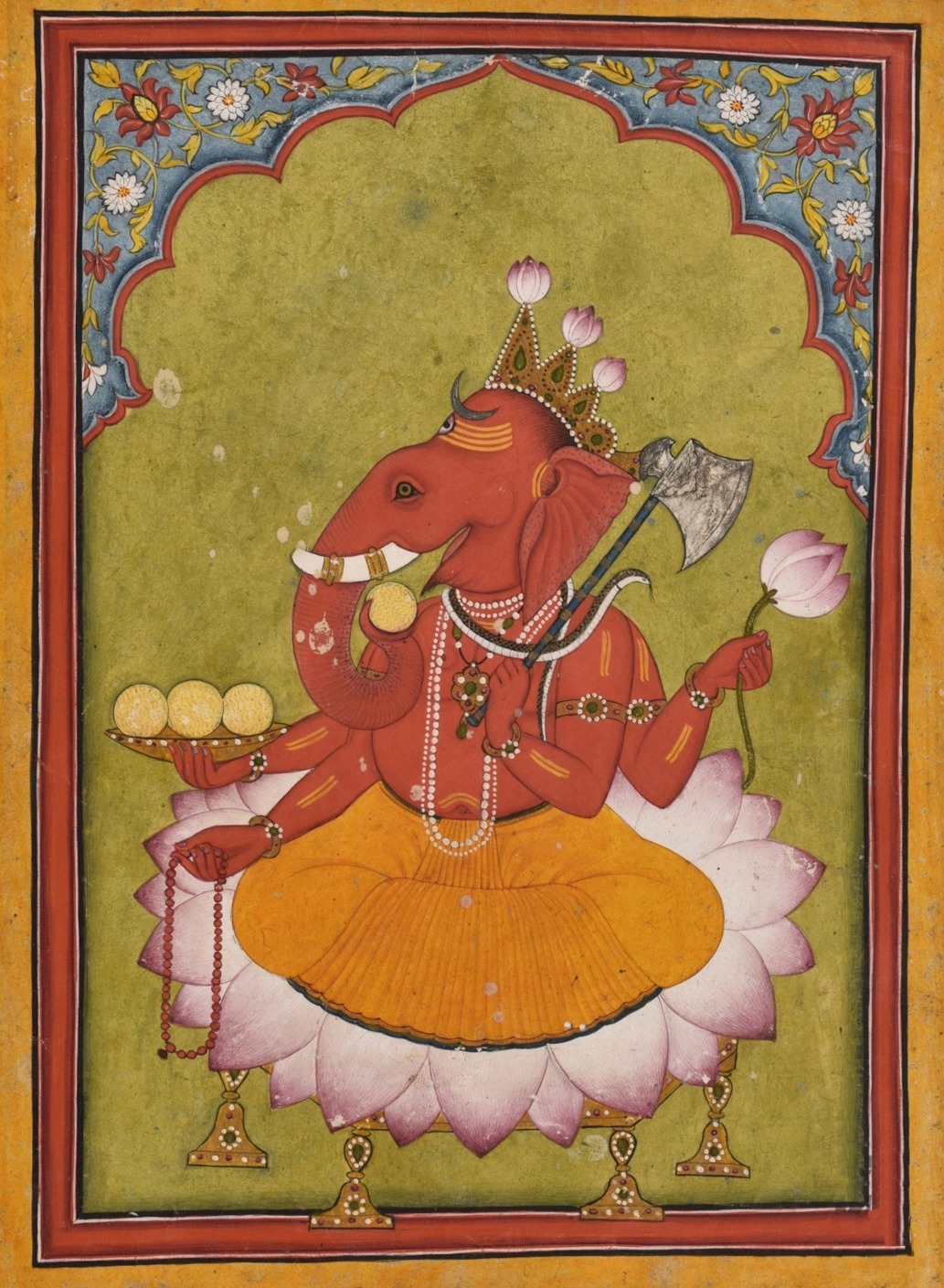 🇮🇳 India and 5 moreGaneshaगणेश (Gaṇeśa)
An elephant-headed Hindu deity worshipped as the remover of obstacles and patron of wisdom.Being · Protection · Luck and prosperity Living
 🇨🇳 China and 5 moreGuanyin觀音 (Guānyīn)
The Bodhisattva of compassion, worshipped across East Asia as a listener to human sufferingBeing · Protection · Healing Living
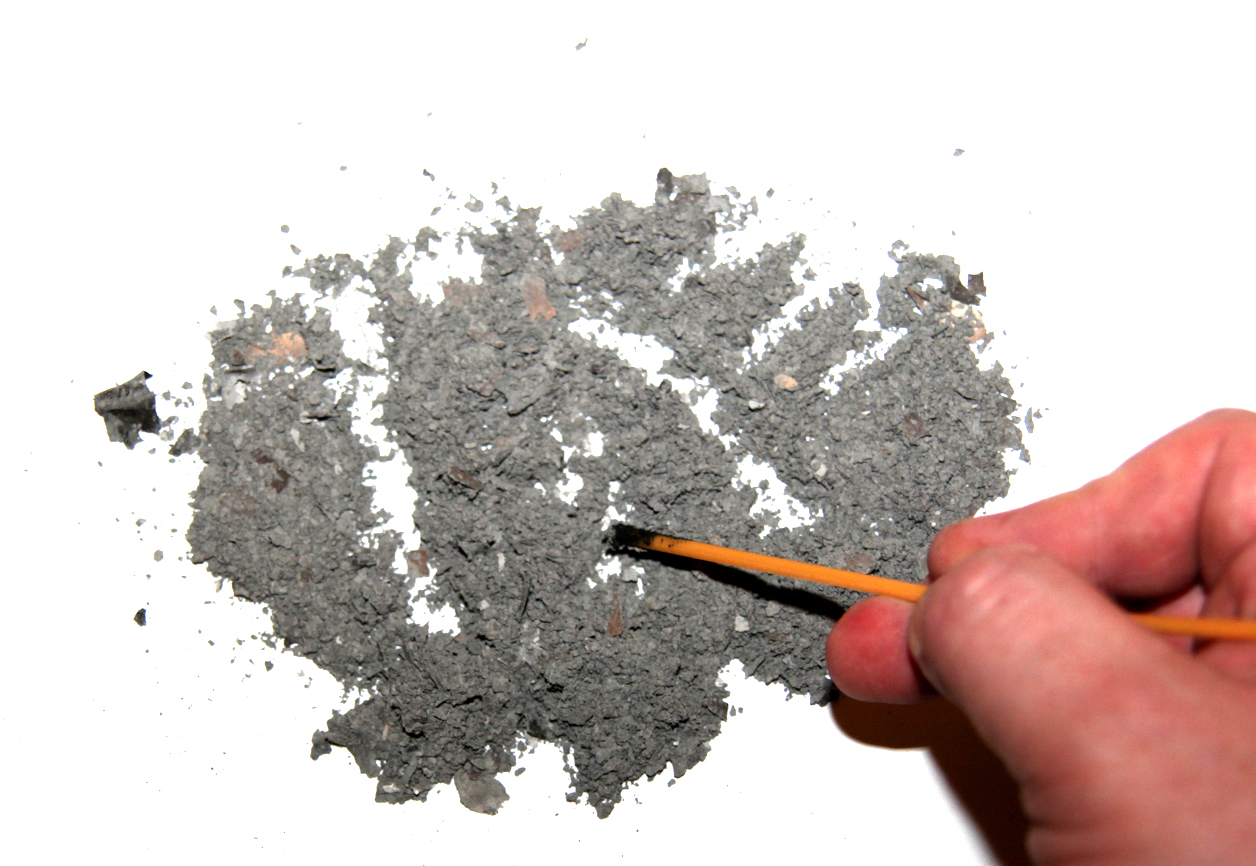 🇬🇷 Greece and 5 moreSpodomancy
Divination by reading omens in ashes, soot, and cindersOracle · Seeing and foretelling · Healing Living
 🇹🇭 Thailand and 3 moreThai Buddha amuletsพระเครื่อง (phrakhrueang)
Sacred Buddhist images and relics worn for protection, merit, and fortune in Thailand.Charm · Protection · Luck and prosperity Living
 🇸🇩 Sudan and 5 moreIncense
Aromatic plant material that releases scent when heated or burnedSubstance · Protection · Speaking with spirits and the dead Living
 🇮🇳 India and 5 morePretaप्रेत
A suffering spirit of Indian and Asian belief, often called a hungry ghostBeing · Speaking with spirits and the dead · Change and initiation Living
 🇮🇳 India and 5 moreSpirit possession
A state where a human body is controlled by an external spirit or deityBelief · Healing · Seeing and foretelling Living
 🇨🇳 China and 5 moreKau chim求签
A divination method using numbered bamboo sticks to reveal poetic answers from deitiesOracle · Seeing and foretelling Living
 🇮🇳 India and 2 moreHomaहोम
A fire ritual found in Indian religions and their Asian offshootsRite · Speaking with spirits and the dead · Protection Living
 🇨🇳 China and 1 moreAncestor veneration in China
Rites for dead kin who are thought to watch over the familyTradition · Protection · Speaking with spirits and the dead Living
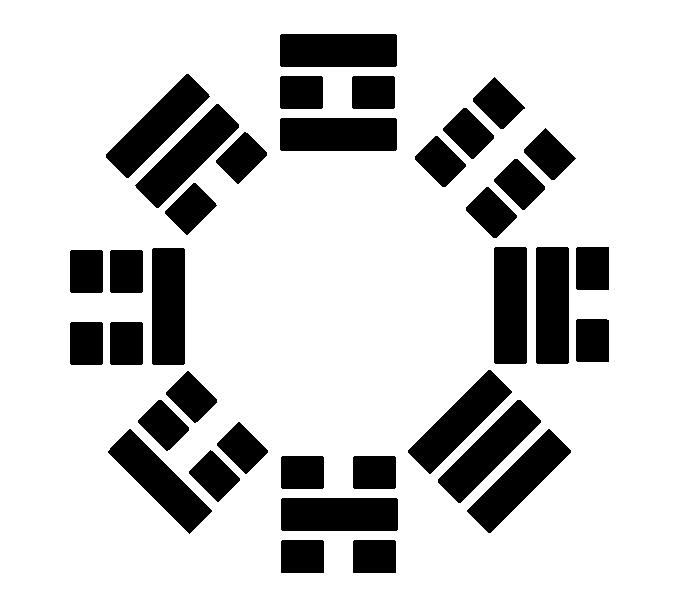 🇨🇳 China and 1 moreBagua八卦
A set of eight trigram symbols from China used in divination, philosophy, and feng shui.Tradition · Seeing and foretelling · Protection Living
 🇺🇦 Ukraine and 4 moreMugwort
An aromatic herb used in folk magic for protection and divinationSubstance · Protection · Seeing and foretelling Living
 🇰🇷 South Korea and 1 moreKorean shaman무당 (mudang)
A ritual specialist in Korean folk religion who mediates between humans and spirits through gut ceremonies.Tradition · Healing · Protection Living
 🇲🇳 Mongolia and 2 moreMongolian shamanismBöö Mörgöl
The animistic and shamanic ethnic religion of the Mongols, involving spirit worship and ritual intercession.Tradition · Protection · Healing Living
 🇳🇵 Nepal and 1 moreMani stone
Carved stones bearing Buddhist mantras, placed as devotional offerings along paths and rivers.Charm · Protection · Speaking with spirits and the dead Living
 🇮🇳 India and 5 moreAncestor veneration
Rituals to honor the dead and maintain kinship bonds across generationsTradition · Speaking with spirits and the dead · Protection Living
 🇯🇵 Japan and 1 moreHyakumonogatari Kaidankai百物語怪談会
An Edo period Japanese parlour game of telling ghost stories while extinguishing candlesTradition · Cursing and harm · Wonder and entertainment Historical
🇮🇳 India and 5 moreAncestor veneration
Rituals honoring the dead to maintain kinship bonds and seek guidance from spiritsTradition · Speaking with spirits and the dead · Protection Living
 🇸🇳 Senegal and 5 moreVeneration of the dead
Rituals of respect and offerings for ancestors across global culturesTradition · Protection · Speaking with spirits and the dead Living
 🇨🇳 China and 1 moreJiaobei筊杯 (jiǎobēi)
Wooden crescent blocks thrown in pairs to ask temple deities yes or no questionsOracle · Seeing and foretelling · Speaking with spirits and the dead Living
 🇨🇳 China and 5 moreRegional forms of shamanism
A global overview of indigenous spirit-interaction practices across Asia and the Americas.Tradition · Healing · Speaking with spirits and the dead Living
🇨🇳 ChinaChronomancy
A divination method to find lucky days and the best times for action.Oracle · Luck and prosperity Historical
 🇨🇳 China and 1 moreTaoist coin charm道教品壓生錢
Chinese and Vietnamese numismatic charms used for protection and feng shuiCharm · Protection · Cursing and harm Historical
 🇨🇳 China and 1 moreFalun Gong法轮功
A Chinese cultivation practice blending meditative exercises with moral principlesTradition · Healing · Protection Living
 🇨🇳 China and 1 moreNuo folk religion傩 (Nuó)
A Chinese exorcistic tradition using wooden masks and ancestor worship to drive away malevolent forcesTradition · Protection · Speaking with spirits and the dead Living
🇯🇵 Japan and 1 moreKōshin庚申信仰
A Japanese folk belief involving vigils to prevent internal spirits from reporting human deeds to heavenBelief · Protection · Healing Living
 🇯🇵 Japan and 4 moreKṣitigarbhaक्षितिगर्भ
A bodhisattva vowed to empty the hells and guard children, shown with a staff and jewel.Being · Protection · Speaking with spirits and the dead Living
🇪🇬 Egypt and 5 moreTariqaطريقة
A Sufi spiritual path and the community that follows itTradition · Speaking with spirits and the dead · Change and initiation Living
 🇨🇳 ChinaFlying Star Feng Shui
A Chinese feng shui school that charts a building's nine squares for good and bad qiTradition · Seeing and foretelling · Luck and prosperity Living
 🇨🇳 ChinaReligion of the Shang dynasty
The spiritual system of ancient China's second dynasty, centred on ancestor worship and oracle bone divination.Tradition · Protection · Luck and prosperity Historical
 🇻🇳 Vietnam and 3 moreWhale worshipCá Ông
A folk practice across East and Southeast Asia honoring cetaceans as divine protectors of fishermenTradition · Protection · Luck and prosperity Living
 🇨🇳 China and 5 moreChinese numerology中国数术
A system of interpreting numbers as lucky or unlucky based on their pronunciation in Chinese dialects.Belief · Luck and prosperity Living
 🇨🇳 China and 2 moreHu笏
A flat ceremonial baton used by East Asian officials and priests for ritual purposes.Charm · Power and authority · Wonder and entertainment Living
🇨🇳 China and 1 moreRishu日書
A Chinese day book sorting lucky and unlucky days by the sexagenary cycleText · Seeing and foretelling · Luck and prosperity Historical
 🇻🇳 Vietnam and 1 moreÔng Trời
A sky god of Vietnamese folk religion, later linked to the Taoist Jade EmperorBeing · Protection · Power and authority Living
 🇨🇳 ChinaQintianjian欽天監
China's state sky office, which also set lucky days and read omensTradition · Seeing and foretelling · Luck and prosperity Historical
 🇨🇳 China and 5 moreShui Wei Sheng Niang水尾圣娘; เจ้าแม่ทับทิม
A Hainanese goddess of the sea, worshipped by fishermen and diaspora communities in Southeast Asia.Being · Protection · Luck and prosperity Living
 🇪🇬 Egypt and 5 moreWorship of heavenly bodies
Veneration of stars, planets, and the sky as divine forces or deitiesTradition · Protection · Power and authority Historical
 🇨🇳 China and 3 moreCash方孔錢
A round copper coin with a square hole used in China and East Asia for two millennia.Charm · Luck and prosperity · Speaking with spirits and the dead Living
Photo credits on this page
The small pictures above come from Wikimedia Commons under free licences. Some are cropped to fit.
- Veneration of the dead: Anonymous ( Flemish ) Unknown author, Public domain, source
- Spirit possession: Unknown author, CC BY 4.0, source
- Mandala: Marion Golsteijn, CC BY-SA 3.0, source
- Incense: nakimusi, CC BY 2.0, source
- Kṣitigarbha: སངས་རྒྱས་བཅོམ་ལྡན་འདས།, Public domain, source
- Mani stone: John Hill, CC BY-SA 4.0, source
- Hyakumonogatari Kaidankai: Katsushika Hokusai, Public domain, source
- Mongolian shamanism: Enrique Bendicho, CC BY-SA 4.0, source
- Korean shaman: Hyewon Shin Yun-bok (申潤福: 1758-early 19th century) (혜원 신윤복 (申潤福: 1758-, Public domain, source
- Thai Buddha amulets: User:Mattes, Public domain, source
- Ganesha: anonymous, Public domain, source
- Spodomancy: Tim1965, CC BY-SA 3.0, source
- Chinese numerology: Sarang, Public domain, source
- Jiaobei: Jnzl's Public Domain Photos, CC BY 2.0, source
- Ancestor veneration: Thang Nguyen, CC BY-SA 2.0, source
- Cleromancy: Julius Schnorr von Carolsfeld, Public domain, source
- Mugwort: Prahlad balaji, CC BY-SA 4.0, source
- Preta: Temple, Richard Carnac, Sir, Public domain, source
- Kau chim: No machine-readable author provided. 9old9 assumed (based on copyright, Public domain, source
- Nakshatra: Kishorekumar 62, CC BY-SA 3.0, source
- Worship of heavenly bodies: Jean-Pierre Dalbéra, CC BY 2.0, source
- Religion of the Shang dynasty: Unknown author, CC0, source
- Regional forms of shamanism: Man Sing, Public domain, source
- Guanyin: JL Cogburn, CC BY-SA 2.0, source
- Hanuman: Niranjan Arminius, CC BY-SA 2.0, source
- Falun Gong: longtrekhome, CC BY 3.0, source
- Bagua: TarcísioTS at Portuguese Wikipedia, Public domain, source
- Whale worship: Bùi Thụy Đào Nguyên, CC BY-SA 3.0, source
- Taoist coin charm: Etnografiska Museet, CC BY 2.5, source
- Cash: User 冷玉 on zh.wikipedia, CC BY-SA 3.0, source
- Ông Trời: Bùi Thụy Đào Nguyên, CC BY-SA 3.0, source
- Homa: Vyacheslav Argenberg, CC BY 4.0, source
- Ancestor veneration in China: Three huntings, CC BY-SA 4.0, source
- Qintianjian: User:Vmenkov, CC BY-SA 3.0, source
- Shui Wei Sheng Niang: Maya-Anaïs Yataghène, CC BY 2.0, source
- Wheel of the Year: Sunblade1500, CC BY-SA 3.0, source
- Nuo folk religion: Wikiwikiyarou, CC BY-SA 3.0, source
- Hu: Zhangzhugang, CC BY-SA 4.0, source
- Flying Star Feng Shui: Unknown author, Public domain, source
The weekly digest
Every Monday: seven entries you may not know, what is on the calendar this week, and one rite drawn step by step.