Kuji-in
In its own language: 九字印
from Japanese kuji meaning 'nine characters' or 'nine syllables'
A system of nine syllables and hand gestures used for protection and spiritual alignment in Japanese esoteric traditions
Kuji-in is a ritual system combining mudras with mantras, originating from Daoist texts before being adopted by Japanese Buddhism. Practitioners use the nine syllables to avert evil influences and align with cosmic forces.
- Originates from Daoist text Bàopǔzǐ by Gě Hóng (c. 280–340)
- Consists of nine syllables forming a Classical Chinese sentence
- Adopted by Japanese Shugendō ascetics and samurai
- Used for protection against evil and exorcism
- Involves mudras and visualization techniques
What it is
Kuji-in, known as Nine Hand Seals, is a ritual framework consisting of specific hand gestures paired with spoken syllables. The core component involves nine distinct sounds that form a grammatical sentence in Classical Chinese. This system functions as a prayer mechanism intended to invoke celestial guardians and ensure safety during travel or spiritual work. It operates within the broader context of Mikkyō, the esoteric branch of Japanese Buddhism, though its roots lie elsewhere.
Where it comes from
The practice first appeared in the Bàopǔzǐ, a Daoist text authored by Gě Hóng around the third century CE. In this work, the nine syllables served as a secret prayer to the Six Generals, deities associated with the Celestial Thunder Court. The original purpose was to protect those entering mountains or crossing rivers from baleful influences. Later, Pure Land Buddhist scholar Taluan cited the formula in his commentaries on rebirth texts. Its arrival in Japan remains debated, with some scholars suggesting it came via China alongside Jōdo-shū and Shugendō practices around the eighth century.
How it is done
The ritual involves performing specific mudras, which are precise hand postures, while reciting the nine syllables. These gestures are often accompanied by visualization techniques known as kuji-kan. A related practice called kuji-kiri involves making nine cuts in the air or on paper using fingers or brushes. This cutting motion serves as a preparatory rite to sever demonic influences and vital substances associated with negative forces. The sequence typically follows a set order of syllables, each linked to a specific gesture.
Tools and materials
Practitioners utilize their hands to form mudras, which represent various cosmic principles and deities. In earlier Daoist contexts, colored silk ribbons were hung on rocks to aid in achieving goals. Ink and paper are used in kuji-kiri rituals to mark objects or writings for protection. The syllables themselves act as verbal tools, with each sound carrying specific energetic weight. Some variations associate the syllables with colors, compass directions, and elemental forces.
Kuji-in, drawn and placed
- Living
- Revived
- Fading
- Historical
- Legendary
- Performed
- Lineage
- Mikkyō (Japanese Esoteric Buddhism) and Shugendō
- Timing
- during mountain entry or daily practice
What it is for
The primary intent is protection against evil spirits and harmful influences. Practitioners believe the ritual ensures smooth progress and averts difficulties during journeys or spiritual endeavors. It is also used for exorcism and purification, removing negative energies from a space or individual. In martial arts contexts, it serves to focus the mind and invoke protective deities. The ritual aims to align the practitioner with celestial guardians who preside over warriors.
Who does it
The practice is largely associated with lay practitioners and ascetics within Shugendō, the mountain worship tradition of Japan. It appears extensively in Shugendō literature and Ryōbu Shintō texts. Samurai also incorporated these rituals into their training, as evidenced by lists in martial arts manuals from the sixteenth century onward. Scholars note that orthodox Buddhist monks rarely used these forms, considering them minor teachings. Training often involved oral transmission rather than written records.
Peoples and places
The tradition is most prominent in Japan, where it integrates with Shingon and Tendai Buddhism through syncretic practices. Its origins are traced to China, specifically within Daoist communities that valued mountain asceticism. The syllables traveled across cultures, adapting to different religious frameworks. In Japan, they became associated with local kami and Buddhist deities. The practice reflects a blend of Chinese Daoist mysticism and Japanese esoteric Buddhist theology.
At a glance: who, where and when
Who does it
Belief worlds
Occasions
What people believe
The system rests on the belief that sound and gesture can influence spiritual realities. The nine syllables are viewed as invocations to celestial beings who control natural forces. Yin and yang dualism informs the structure of the mudras, with opposing gestures representing alpha and omega states. The practice assumes that evil influences can be cut off or repelled through specific ritual actions. Deities such as the Four Heavenly Kings and Five Wisdom Kings are invoked to provide protection and wisdom.
When it is done
The ritual is not tied to specific festivals but is performed as needed for protection. Historically, it was used when entering sacred mountains or crossing dangerous waters. Daily practice was common among ascetics seeking spiritual alignment. The timing often coincided with cyclical binary days determined by traditional calendars. There are no fixed annual celebrations dedicated solely to the nine syllables.
Questions people ask about Kuji-in
What is Kuji-in?
It is a system of nine hand seals and syllables used for protection and spiritual alignment, originating from Daoist texts and later integrated into Japanese esoteric Buddhism.
Where did Kuji-in originate?
It first appeared in the Chinese Daoist text Bàopǔzǐ, written by Gě Hóng in the third century CE, as a prayer to celestial guardians for safety in mountains.
How is it practiced?
Practitioners perform specific hand gestures called mudras while reciting nine syllables. Some versions involve making cuts in the air or on paper to repel negative influences.
Who uses Kuji-in?
It is primarily used by practitioners of Shugendō, an ascetic mountain tradition in Japan, and was historically practiced by samurai for protection and focus.
Good reading and sources
- Kuji-in on WikipediaEncyclopedia
- More photos on Wikimedia CommonsPhotos and video
- Wikidata recordOpen data
The facts on this page come from the Wikipedia article "Kuji-in", written by its contributors and used under the CC BY-SA 4.0 licence, and from its Wikidata record (CC0). EveryJaadu rewrote the text in its own words, with AI assistance, and compares every page with the article to make sure no passage is copied. It may be reused under the same CC BY-SA 4.0 licence with a link back.
It may contain mistakes. Names and customs differ from one community to the next, and some knowledge is closed to outsiders and left out here. This page describes belief and practice. It does not say that any of it works, it is not a how-to, and it is not medical advice. If something is wrong, tell us. Last refreshed 2026-10-06.
More from Japan
All the entries from Japan 🇯🇵 Japan and 1 moreMisogi禊
A Shinto rite of full-body purification using cold waterRite · Cleansing and purification · Speaking with spirits and the dead Living
🇯🇵 JapanKitsunetsuki狐憑き
A Japanese folk belief in which a fox spirit enters and controls a human host.Belief · Cursing and harm · Speaking with spirits and the dead Historical
🇯🇵 Japan and 1 moreMisogi禊
A Shinto rite of full-body purification using cold waterRite · Cleansing and purification · Speaking with spirits and the dead Living
🇯🇵 JapanKitsunetsuki狐憑き
A Japanese folk belief in which a fox spirit enters and controls a human host.Belief · Cursing and harm · Speaking with spirits and the dead Historical
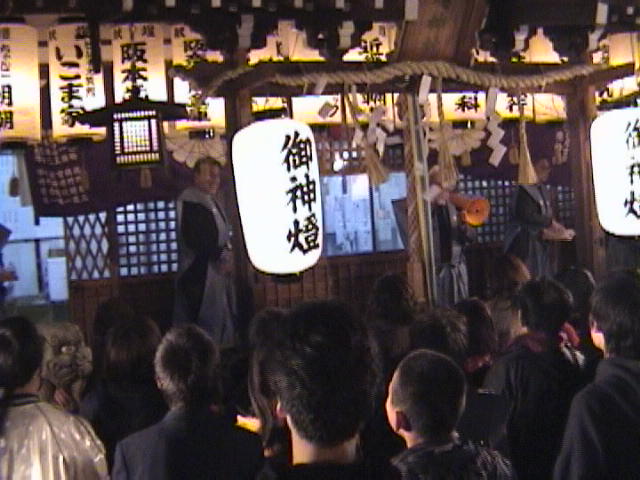 🇯🇵 JapanSetsubun節分
A Japanese seasonal rite to drive away bad luck and welcome spring with roasted beansRite · Protection · Luck and prosperity Living
🇯🇵 JapanSetsubun節分
A Japanese seasonal rite to drive away bad luck and welcome spring with roasted beansRite · Protection · Luck and prosperity Living
 🇯🇵 JapanHyakumonogatari Kaidankai百物語怪談会
An Edo period Japanese parlour game where ghost stories extinguish candles one by oneRite · Cursing and harm · Wonder and entertainment Historical
🇯🇵 JapanHyakumonogatari Kaidankai百物語怪談会
An Edo period Japanese parlour game where ghost stories extinguish candles one by oneRite · Cursing and harm · Wonder and entertainment Historical
Related elsewhere
All rite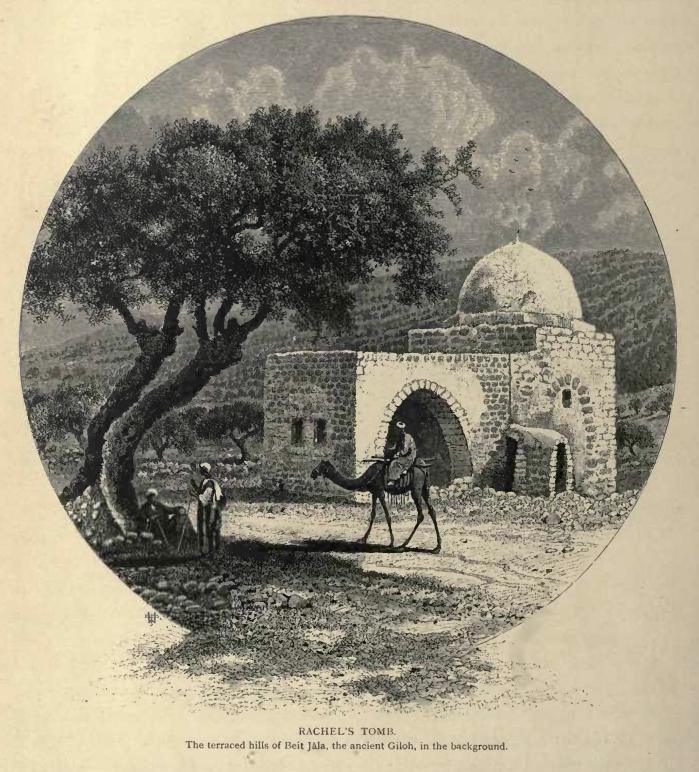 🇵🇸 Palestine and 1 moreRachel's TombQever Raḥel; Qabr Rāḥīl
A shared holy site near Bethlehem revered by Jews, Christians, and MuslimsTradition · Speaking with spirits and the dead · Protection Living
🇵🇸 Palestine and 1 moreRachel's TombQever Raḥel; Qabr Rāḥīl
A shared holy site near Bethlehem revered by Jews, Christians, and MuslimsTradition · Speaking with spirits and the dead · Protection Living
 🇪🇸 Spain and 5 moreSt John's Eve
A Christian vigil marked by bonfires and plant gathering on the summer solstice eveRite · Protection · Speaking with spirits and the dead Living
🇪🇸 Spain and 5 moreSt John's Eve
A Christian vigil marked by bonfires and plant gathering on the summer solstice eveRite · Protection · Speaking with spirits and the dead Living
 🇮🇳 India and 2 moreHomaहोम
A fire ritual found across Asian religions where offerings are burned as a votive exchange with the divine.Rite · Protection · Speaking with spirits and the dead Living
🇳🇿 New ZealandKarakia
Māori recitations used for spiritual guidance, protection, and formal greetingsTradition · Protection · Speaking with spirits and the dead Living
🇮🇳 India and 2 moreHomaहोम
A fire ritual found across Asian religions where offerings are burned as a votive exchange with the divine.Rite · Protection · Speaking with spirits and the dead Living
🇳🇿 New ZealandKarakia
Māori recitations used for spiritual guidance, protection, and formal greetingsTradition · Protection · Speaking with spirits and the dead Living