
Guanyin
In its own language: 觀音 (Guānyīn)
from Sanskrit Avalokitasvara, meaning 'perceiver of sounds'
The Bodhisattva of compassion, worshipped across East Asia as a listener to human suffering
Guanyin is the Chinese name for the Mahayana Bodhisattva Avalokiteśvara, known for hearing the cries of the world. Originally male in Indian texts, the figure became predominantly female in China and East Asia by the twelfth century. Devotees believe Guanyin grants children, protects sailors, and guides souls to the Pure Land.
- Originally male in India, depicted as female in China since the 12th century
- Name means 'Perceiver of Sounds' from Sanskrit Avalokitasvara
- Guides souls to the Western Pure Land of Sukhavati
- Main sacred site in China is Mount Putuo
- Known as Kannon in Japan and Chenrézik in Tibet
What it is
Guanyin is a central figure in East Asian spirituality, recognized as a Bodhisattva who embodies compassion. The name translates to one who perceives the sounds of the world, referring to the cries of those in distress. While rooted in Indian Buddhist texts, the figure evolved significantly in China. By the twelfth century, depictions shifted from male to female, aligning with local cultural values of maternal care. Devotees view Guanyin as a powerful intercessor who can grant children, protect travelers at sea, and guide the deceased to a peaceful afterlife.
Where it comes from
The figure originates from the Sanskrit term Avalokitasvara, found in early Mahayana scriptures like the Lotus Sutra. In India, the Bodhisattva was initially portrayed as male. As the tradition moved into China, translators adapted the name to Guanyin. Over centuries, sociological factors and the emphasis on maternal mercy led to a gender transformation. The figure absorbed local legends and folk beliefs, becoming a distinct entity in Chinese religion while retaining core Buddhist doctrines about universal salvation.
How it is done
Practitioners chant the name of Guanyin to seek help during crises or for daily blessings. Pilgrims visit sacred sites like Mount Putuo to pay respects and walk temple circuits. In Japan, followers undertake the Saigoku Kannon Pilgrimage, visiting thirty-three shrines. Devotees may offer flowers, incense, and prayers before statues. The practice involves visualizing the Bodhisattva's presence and reciting mantras to cultivate inner compassion and receive external protection from harm.
Tools and materials
Statues often show Guanyin holding a vase of pure water and a willow branch, symbols used to sprinkle healing grace. The figure typically wears flowing white robes and necklaces denoting royalty. A small image of Amitabha Buddha rests on the crown, linking Guanyin to the Pure Land tradition. Artistic representations vary by region, sometimes showing the figure with a fish basket or riding a dragon. These visual cues help devotees identify the specific aspect of compassion being invoked.
Guanyin, drawn and placed
- Living
- Revived
- Fading
- Historical
- Legendary
- Performed
- Lineage
- Mahayana Buddhism
- Timing
- daily prayer and lunar festivals
What it is for
People pray to Guanyin for relief from suffering, safe childbirth, and protection for sailors. The Bodhisattva is believed to hear every plea and respond immediately. Families ask for fertility and healthy infants. Travelers seek safety from storms and accidents. On a spiritual level, practitioners seek guidance toward enlightenment and a rebirth in the Western Pure Land. The faith offers comfort in times of illness, grief, and uncertainty, promising that no cry goes unheard.
Who does it
Guanyin is worshipped by laypeople, monks, and nuns across various Buddhist schools. In China, the figure is integrated into Taoist and folk religious practices alongside official Buddhism. Monks study the sutras describing Guanyin's powers, while householders maintain altars at home. The role of the practitioner is to cultivate empathy and perform acts of kindness. There are no strict gender requirements for worship, though the deity itself is now predominantly viewed as female.
Peoples and places
The worship spans China, Japan, Korea, Vietnam, and Tibet. In China, Guanyin is a household name, deeply embedded in folklore. Japanese Buddhists call the figure Kannon and integrate it into local pilgrimage routes. Korean traditions include specific mountain temples dedicated to the Bodhisattva. Vietnamese communities revere Quan Âm, often associating her with maternal figures. Tibetan Buddhists know Chenrézik, focusing on the mantra Om Mani Padme Hum. Each culture adds unique artistic and narrative details.
At a glance: who, where and when
Belief worlds
Occasions


What people believe
The underlying belief system holds that all beings possess Buddha-nature and can achieve liberation. Guanyin represents the active compassion necessary to help others reach this state. The Lotus Sutra teaches that the Bodhisattva can assume any form to teach the Dharma. This flexibility explains the gender shifts and varied iconography. The doctrine emphasizes emptiness, suggesting that physical form is secondary to spiritual intent. Devotees believe Guanyin's power is limitless when invoked with sincere faith.
When it is done
The nineteenth day of the sixth lunar month marks the celebration of Guanyin's attainment of Buddhahood. Many temples hold special services and processions on this date. Daily prayers are common, often performed at dawn or dusk. Pilgrimages may coincide with seasonal festivals or specific temple anniversaries. The calendar of worship is flexible, allowing individuals to seek aid during personal crises regardless of the date. Festivals often feature vegetarian meals and charitable acts in honor of the Bodhisattva.
How scholars and sceptics see it
Academics trace the evolution of Guanyin from Indian male deities to East Asian female figures. Historians analyze the translation of Sanskrit terms into Chinese characters to understand semantic shifts. Anthropologists study how folk beliefs merged with formal Buddhist doctrine. Researchers note the influence of social structures on the depiction of gender in religion. Scholars also examine the artistic proliferation of Guanyin imagery in museums and temples, highlighting its cross-cultural appeal and adaptability over millennia.
Cautions and what is closed
Pilgrimage sites can become crowded, requiring careful navigation. Some traditional rituals involve offerings that may pose fire hazards if not managed properly. Devotees are advised to approach sacred spaces with respect and quiet demeanor. There are no known health risks associated with the practice itself. However, excessive devotion should not replace medical or legal advice in times of crisis. The faith encourages ethical living and compassion rather than fear-based superstition.
Compare and confuse
Guanyin is often compared to other compassion figures in world religions. In Tibetan Buddhism, Chenrézik shares similar attributes and mantras. In Hinduism, aspects of Vishnu or Shiva may exhibit protective qualities. The concept of a listening savior appears in various forms globally. Unlike some deities who demand sacrifice, Guanyin emphasizes mercy and hearing. The figure is distinct from creator gods, focusing instead on immediate assistance and spiritual guidance for sentient beings.
Law and persecution
In many Asian countries, worship of Guanyin is protected under laws guaranteeing religious freedom. Temples operate openly and attract large numbers of visitors. In some regions, historical persecution of religious groups has ended, allowing open practice. Governments often support the preservation of ancient temples as cultural heritage sites. There are no significant legal restrictions against venerating Guanyin in mainstream societies. The practice remains a vibrant part of public religious life.
Questions people ask about Guanyin
Who is Guanyin?
Guanyin is a Bodhisattva of compassion in Mahayana Buddhism, known for hearing the cries of the world. Originally a male figure in India, the deity became predominantly female in China and East Asia, symbolizing maternal mercy and protection.
Where does the name come from?
The name comes from the Sanskrit word Avalokitasvara, meaning 'perceiver of sounds.' It reflects the belief that the Bodhisattva hears the suffering of all beings and responds to their calls for help with immediate compassion.
Why is Guanyin often shown as a woman?
While originally male in Indian texts, Guanyin adopted a female form in China around the twelfth century. This shift aligned with local cultural values emphasizing maternal care, nurturing, and the granting of children to devout families.
What are Guanyin's main symbols?
Common symbols include a white robe, a vase of pure water, and a willow branch. These items represent the sprinkling of healing grace and the removal of suffering. An image of Amitabha Buddha often appears on the crown, linking Guanyin to the Pure Land.
Good reading and sources
- Guanyin on WikipediaEncyclopedia
- More photos on Wikimedia CommonsPhotos and video
- Wikidata recordOpen data
The facts on this page come from the Wikipedia article "Guanyin", written by its contributors and used under the CC BY-SA 4.0 licence, and from its Wikidata record (CC0). EveryJaadu rewrote the text in its own words, with AI assistance, and compares every page with the article to make sure no passage is copied. It may be reused under the same CC BY-SA 4.0 licence with a link back.
It may contain mistakes. Names and customs differ from one community to the next, and some knowledge is closed to outsiders and left out here. This page describes belief and practice. It does not say that any of it works, it is not a how-to, and it is not medical advice. If something is wrong, tell us. Last refreshed 2026-10-06.
More from China
All the entries from China 🇨🇳 China and 3 moreChinese dragon龍
A legendary water deity and imperial symbol in East Asian cultureBeing · Protection · Luck and prosperity Historical
🇨🇳 China and 3 moreChinese dragon龍
A legendary water deity and imperial symbol in East Asian cultureBeing · Protection · Luck and prosperity Historical
 🇨🇳 ChinaLan Caihe藍采和
An ambiguous Taoist immortal known for a flower basket and wandering songsBeing · Wonder and entertainment Legendary
🇨🇳 ChinaLan Caihe藍采和
An ambiguous Taoist immortal known for a flower basket and wandering songsBeing · Wonder and entertainment Legendary
 🇨🇳 China and 2 moreXiezhi獬豸
A one-horned beast from East Asia that separates the guilty from the innocentBeing · Cursing and harm · Protection Legendary
🇨🇳 China and 2 moreXiezhi獬豸
A one-horned beast from East Asia that separates the guilty from the innocentBeing · Cursing and harm · Protection Legendary
 🇨🇳 China and 2 moreEight Immortals八仙
Eight legendary Taoist figures of China, each with a power and a vesselFigure · Protection · Healing Living
🇨🇳 China and 2 moreEight Immortals八仙
Eight legendary Taoist figures of China, each with a power and a vesselFigure · Protection · Healing Living
Related elsewhere
All being 🇮🇹 Italy and 5 morePrecious coral
A marine skeleton harvested for jewelry and worn as a protective charm in several culturesSubstance · Protection · Healing Living
🇮🇹 Italy and 5 morePrecious coral
A marine skeleton harvested for jewelry and worn as a protective charm in several culturesSubstance · Protection · Healing Living
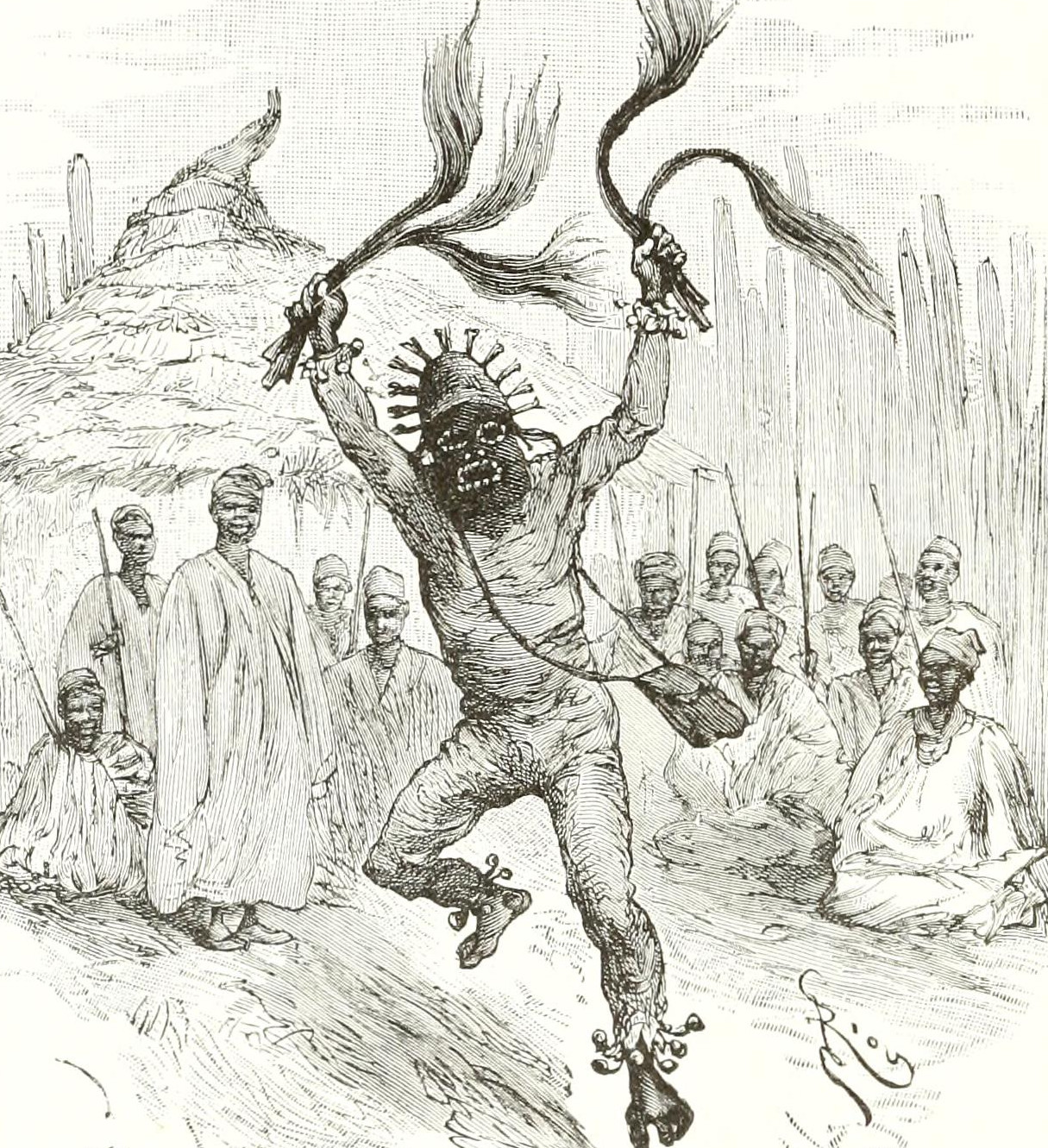 🇺🇸 United States and 2 moreLouisiana Voodoo
An African diasporic religion practiced in Louisiana from the 18th to early 20th centuriesTradition · Healing · Protection Historical
🇺🇸 United States and 2 moreLouisiana Voodoo
An African diasporic religion practiced in Louisiana from the 18th to early 20th centuriesTradition · Healing · Protection Historical
 🇹🇭 Thailand and 3 moreThai Buddha amuletsพระเครื่อง (phrakhrueang)
Sacred Buddhist images and relics worn for protection, merit, and fortune in Thailand.Charm · Protection · Luck and prosperity Living
🇹🇭 Thailand and 3 moreThai Buddha amuletsพระเครื่อง (phrakhrueang)
Sacred Buddhist images and relics worn for protection, merit, and fortune in Thailand.Charm · Protection · Luck and prosperity Living
 🇷🇺 Russia and 5 moreAmber
Fossilized tree resin used in jewelry and folk healing traditionsSubstance · Protection · Healing Living
🇷🇺 Russia and 5 moreAmber
Fossilized tree resin used in jewelry and folk healing traditionsSubstance · Protection · Healing Living