Tariqa
In its own language: طريقة
from Arabic ṭarīqa, meaning way or path
A Sufi spiritual path and the community that follows it
A tariqa is a religious order within Sufism, or Islamic mysticism. It provides a structured way for seekers to pursue ultimate truth through guided practice.
- Tariqa means way or path in Arabic
- Followers are called muridin or desirous ones
- Guides are known as murshids
- Lineages trace back to Muhammad or Abu Bakr
- Daily recitations require ritual purity
What it is
A tariqa serves as a religious order within the broader framework of Sufism, which refers to Islamic mysticism. Followers join to seek haqiqa, a concept translating to ultimate truth. This pursuit moves beyond standard religious law toward a deeper, esoteric understanding of faith. The journey involves following a spiritual guide who directs the seeker's progress through various stages of development.
Where it comes from
The concept draws on the metaphor of a path, linking to sharia, which also means a well-trodden route. Tariqa represents a further path taken by mystics after adhering to exoteric laws. A fourth station called marifa marks the unseen center of this truth, aiming for a state similar to Western unio mystica. Orders trace their spiritual lineages back to the Prophet Muhammad through Ali, with the Naqshbandi order tracing its roots to Abu Bakr instead.
How it is done
Initiates receive awrad, which are daily recitations authorized by their guide. These prayers occur before dawn and after afternoon and evening services. Practice requires ritual purity and facing Mecca. As students advance, they repeat specific phrases tens of thousands of times to earn higher ranks. Weekly group chanting sessions known as Haḍra allow members to attempt reaching spirits through collective prayer.
Tools and materials
Members use the Quran and specific phrase prayers during their daily routines. Ritual purity is essential for performing these acts. The silsila, or chain of lineage, connects current practitioners to historical sheikhs. Succession often involves a khalifa, or successor, nominated by the current leader. In rare cases, students elect a new leader if no successor is named beforehand.
Tariqa, drawn and placed
- Living
- Revived
- Fading
- Historical
- Legendary
- Performed
- Lineage
- Sufism
- Timing
- before dawn, after afternoon and evening prayers
What it is for
The primary goal is seeking haqiqa, or ultimate truth, through spiritual transformation. Practitioners desire knowledge of God and aim to love Him deeply. The path offers an accepted avenue for emotional expression of faith. It allows individuals to move from basic initiation to advanced degrees of spiritual insight under careful guidance.
Who does it
A murshid acts as the spiritual director or guide for the order. Members are called muridin, meaning desirous ones who seek divine knowledge. They may also be referred to as faqirs. The murshid nominates a khalifa to take over leadership. Membership is not exclusive, allowing individuals to belong to multiple orders simultaneously without conflict.
Peoples and places
Orders spread across Egypt, India, Bangladesh, China, Ghana, and Indonesia. South Asia hosts significant groups like the Qadiri and Chishti orders. Africa saw influential movements such as Muridiyya and Tijaniyya. In China, institutions known as menhuan were established near founders' tombs. African orders set up zawiyas along trade routes to spread literacy and Islam.
At a glance: who, where and when
Belief worlds
Occasions
What people believe
Sufis believe in a spiritual hierarchy where guides lead seekers toward divine proximity. The path continues from sharia toward haqiqa, culminating in marifa. Visions and voices during meditation are valued signs of spiritual progress. Some orders emphasize devotion to the Prophet Muhammad as central to individual development and ethical conduct.
When it is done
Daily recitations form the core routine, occurring around obligatory prayer times. Weekly Haḍra sessions provide opportunities for communal spirit work. Advancement depends on completing specific numbers of phrase repetitions rather than fixed calendar dates. Initiation ceremonies involve reading the first chapter of the Quran followed by a single prayer phrase.
How scholars and sceptics see it
Researchers note that Sufi orders often acted as informal missionaries, spreading Islam alongside official scholars. They exercised political influence disproportionate to their size in some regions. Studies highlight their role in establishing independent kingdoms and networks of learning centers across Africa and Central Asia.
Cautions and what is closed
Membership structures vary significantly between orders regarding succession and authority. Some groups require relatives to lead, while others rely on dreams or elections. Spiritual experiences like hearing voices are interpreted differently depending on the tradition.
Compare and confuse
Unlike Christian monastic orders with firm lines of authority, Sufi membership is non-exclusive. The concept resembles the Indian Sampradaya system in its transmission of spiritual lineage. Both traditions emphasize a guru-disciple relationship and structured paths toward enlightenment.
Questions people ask about Tariqa
What is a tariqa?
It is a Sufi religious order or spiritual path within Islam.
Who leads a tariqa?
A murshid, or spiritual guide, directs the order. They appoint a khalifa to succeed them, ensuring the lineage continues according to established traditions.
Where did tariqas originate?
The concept comes from Arabic Islamic mysticism. Orders spread from the Middle East to Africa, Asia, and China, adapting to local cultures while maintaining core practices.
How do members progress?
Practitioners advance by repeating specific prayers tens of thousands of times. They may also experience visions during weekly group chanting sessions called Haḍra.
Good reading and sources
- Tariqa on WikipediaEncyclopedia
- More photos on Wikimedia CommonsPhotos and video
- Wikidata recordOpen data
The facts on this page come from the Wikipedia article "Tariqa", written by its contributors and used under the CC BY-SA 4.0 licence, and from its Wikidata record (CC0). EveryJaadu rewrote the text in its own words, with AI assistance, and compares every page with the article to make sure no passage is copied. It may be reused under the same CC BY-SA 4.0 licence with a link back.
It may contain mistakes. Names and customs differ from one community to the next, and some knowledge is closed to outsiders and left out here. This page describes belief and practice. It does not say that any of it works, it is not a how-to, and it is not medical advice. If something is wrong, tell us. Last refreshed 2026-10-10.
More from Egypt
All the entries from Egypt 🇮🇳 India and 5 moreAstrology
A divinatory practice that reads human fate through the positions of celestial bodies.Belief · Seeing and foretelling · Luck and prosperity Living
🇮🇳 India and 5 moreAstrology
A divinatory practice that reads human fate through the positions of celestial bodies.Belief · Seeing and foretelling · Luck and prosperity Living
 🇮🇷 Iran and 5 moreMagi
Priests of Zoroastrianism and the figures who inspired the word for magicTradition · Seeing and foretelling · Power and authority Living
🇮🇷 Iran and 5 moreMagi
Priests of Zoroastrianism and the figures who inspired the word for magicTradition · Seeing and foretelling · Power and authority Living
 🇪🇬 Egypt and 5 moreSacred dance
Movement used in worship to honour deities, heal communities, or connect with the spirit world.Tradition · Protection · Healing Living
🇪🇬 Egypt and 5 moreSacred dance
Movement used in worship to honour deities, heal communities, or connect with the spirit world.Tradition · Protection · Healing Living
 🇪🇸 Spain and 5 moreIbn Arabiمحيي الدين أبو عبد الله محمد بن علي بن عربي الحاتمي الطائي
A medieval Andalusian mystic and philosopher whose teachings shaped Sufi metaphysics across the Islamic world.Text · Speaking with spirits and the dead · Change and initiation Living
🇪🇸 Spain and 5 moreIbn Arabiمحيي الدين أبو عبد الله محمد بن علي بن عربي الحاتمي الطائي
A medieval Andalusian mystic and philosopher whose teachings shaped Sufi metaphysics across the Islamic world.Text · Speaking with spirits and the dead · Change and initiation Living
Related elsewhere
All tradition 🇮🇳 IndiaChakraचक्र
Meditation points in the subtle body used in Hindu and Buddhist yogaTradition · Speaking with spirits and the dead · Change and initiation Living
🇮🇳 IndiaChakraचक्र
Meditation points in the subtle body used in Hindu and Buddhist yogaTradition · Speaking with spirits and the dead · Change and initiation Living
 🇳🇬 NigeriaOrunmilaỌ̀rúnmìlà
Yoruba deity of wisdom and the creator of the Ifá divination systemBeing · Seeing and foretelling · Speaking with spirits and the dead Living
🇳🇬 NigeriaOrunmilaỌ̀rúnmìlà
Yoruba deity of wisdom and the creator of the Ifá divination systemBeing · Seeing and foretelling · Speaking with spirits and the dead Living
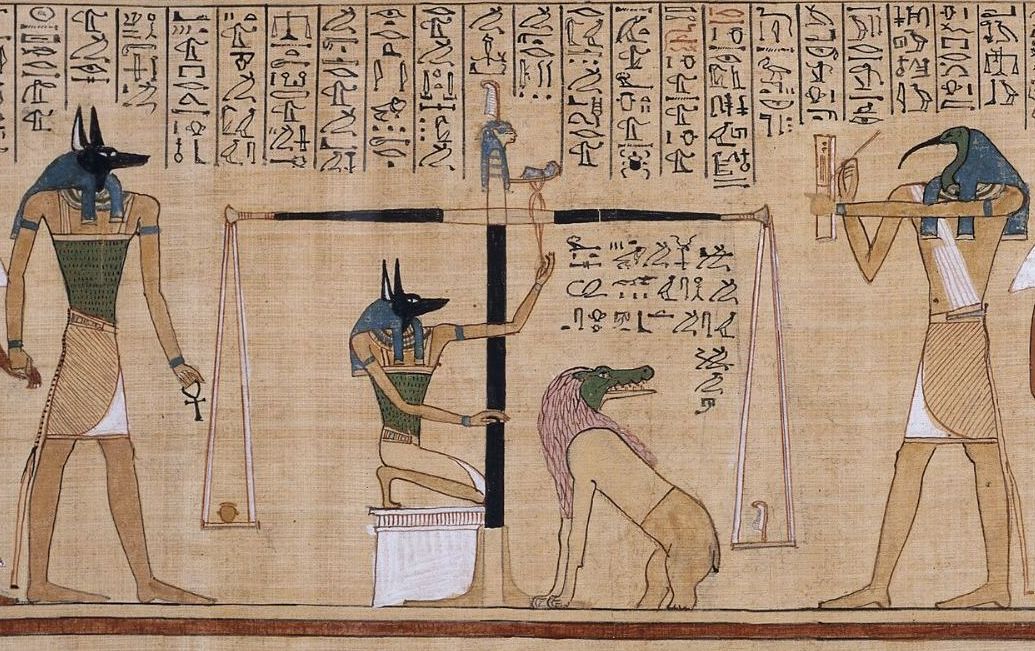 🇪🇬 EgyptAncient Egyptian afterlife beliefs
A system of rituals and texts guiding the soul through the underworld to eternal rebirthTradition · Protection · Speaking with spirits and the dead Historical
🇪🇬 EgyptAncient Egyptian afterlife beliefs
A system of rituals and texts guiding the soul through the underworld to eternal rebirthTradition · Protection · Speaking with spirits and the dead Historical
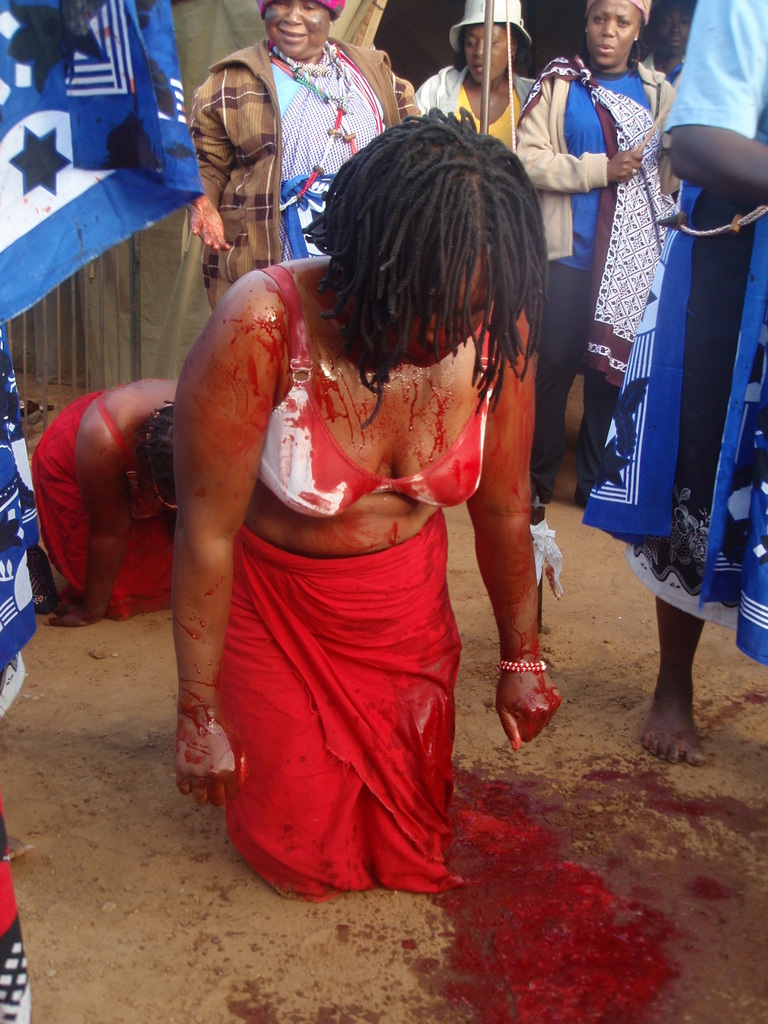 🇿🇦 South AfricaUkuthwasa
A spiritual calling and initiation process for traditional healers in Southern Africa.Rite · Healing · Speaking with spirits and the dead Living
🇿🇦 South AfricaUkuthwasa
A spiritual calling and initiation process for traditional healers in Southern Africa.Rite · Healing · Speaking with spirits and the dead Living