
Whale worship
In its own language: Cá Ông
from Vietnamese Cá Ông, meaning Grandfather fish
A folk practice across East and Southeast Asia honoring cetaceans as divine protectors of fishermen
Whale worship is a tradition found in the coastal cultures of Vietnam, Japan, Korea, China, and Polynesia. It involves treating whales as guardian spirits or deities who ensure safe voyages and abundant catches for local fishing communities.
- Vietnamese fishermen bury beached whales with full funeral rites
- The deity Ebisu is associated with whales and sharks in Japan
- Cau Ngu festival celebrates the whale spirit annually in Vietnam
- Whale bones are preserved in temples after decomposition
- Māori mythology honors Paikea the Whale Rider as a guardian
What it is
Whale worship is a regional tradition where coastal communities revere cetaceans as divine beings. In Vietnam, it is known as Cá Ông, translating to Grandfather fish. Practitioners view these animals as guardian angels who watch over fishermen and protect them from the dangers of the sea. The practice extends across East and Southeast Asia, appearing in Japanese, Korean, Chinese, and Māori mythologies as well. Communities believe that whales possess spiritual power that can influence weather patterns and fish populations.
Where it comes from
The exact origins of Vietnamese whale worship are unknown. Some scholars suggest it stems from Cham and Khmer traditions introduced between the fourth and tenth centuries. Others link it to Buddhist legends involving Avalokitesvara Bodhisattva, who supposedly created a whale to save a fisherman from a storm. In Japan, the deity Ebisu is linked to whales and marine life. Historical accounts suggest Ebisu began as a god of fishermen before evolving into one of the Seven Gods of Fortune. Ainu mythology also features specific cetacean deities who rule the ocean.
How it is done
When a whale dies and washes ashore, villagers hold a funeral ceremony similar to human rites. The body is buried in designated holy land or near the beach to prevent pollution. After several years, the bones are excavated, cleaned, and preserved above ground in temples. Fishermen use whale oil to wash the bones during annual ceremonies. During storms, locals believe whales shelter under boats or help balance vessels against high winds. Offerings of rice and paper money are thrown into the sea to honor the spirits.
Tools and materials
Ceramic pots store whale oil used for cleaning sacred bones. Paper money and rice serve as offerings to the gods. In Japan, memorial stones bearing Buddhist redemption formulas are erected in shore cemeteries. Fishermen may also enshrine floating objects like nets or floats as personifications of the deity Ebisu. These items allow households to pray for good fortune and safe returns from the ocean.
Whale worship, drawn and placed
- Living
- Revived
- Fading
- Historical
- Legendary
- Performed
- Lineage
- East Asian folk religion
- Timing
- annual festivals and after beached whales wash ashore
What it is for
Fishermen seek protection from maritime disasters and favorable weather conditions. The practice aims to secure abundant fish catches and prosperity for coastal villages. Whales are considered good luck charms that warn of impending danger through dreams or behavior. Communities perform rituals to express gratitude to nature and hope for a successful fishing season. The belief system reinforces the connection between human livelihood and the natural world.
Who does it
The practice is carried out by household members and local fishing communities. In Vietnam, entire coastal villages participate in festivals and burial rites. Japanese fishermen maintain household altars dedicated to Ebisu. Training is not formalized but passed down through community participation and oral tradition. Both men and women engage in the rituals, though fishermen are the primary devotees seeking divine favor for their work at sea.
Peoples and places
Vietnamese coastal cultures are the most prominent practitioners, with temples built along the 3,200-kilometer coastline. Japanese communities associate the deity Ebisu with whales and shark species. The Ainu people of Hokkaido have distinct myths about whale-shaped deities. Korean folklore includes ocean deities that reincarnate as whales to protect the nation. Māori mythology features Paikea the Whale Rider as a tribal guardian.
At a glance: who, where and when
Who does it
Occasions


When it is done
The Cau Ngu festival occurs annually on the sixteenth day of the first lunar month in Vietnam. Another major event, Nghinh Ong, takes place from August fifteenth to eighteenth in the lunar calendar. In Japan, Toka Ebisu is celebrated from January eighth to twelfth. These festivals feature boat racing, music, and processions. Daily practices include praying at household shrines and making offerings when whales are sighted or beached.
How scholars and sceptics see it
Researchers note that Vietnamese whale worship is unique to the region due to its scale and integration into daily life. Anthropologists study how the practice reflects gratitude toward nature and hopes for prosperity. Historians trace the evolution of beliefs from ancient animism to syncretic forms involving Buddhism and Confucianism. Scholars observe that while some traditions declined due to religious shifts, others were revitalized as cultural heritage sites attracting tourism.
Questions people ask about Whale worship
What is whale worship?
It is a folk tradition in coastal Asia where communities revere whales as divine guardians who protect fishermen and ensure good catches. It is practiced in Vietnam, Japan, Korea, and among Māori people.
Why do Vietnamese people worship whales?
They believe whales are guardian angels called Cá Ông who save fishermen from storms and guide them to fish. Beached whales receive funerals and their bones are kept in temples as sacred relics.
Who is Ebisu in relation to whales?
Ebisu is a Japanese deity of fortune and fishing who is associated with whales and sharks. Fishermen pray to him for safe voyages and abundant harvests, sometimes worshipping floating objects as his manifestations.
What happens when a whale dies in these cultures?
Villagers hold funeral ceremonies for beached whales. The bodies are buried, and later the bones are exhumed, cleaned, and stored in temples. Oil from the carcass is used to wash the bones during annual rituals.
Good reading and sources
The facts on this page come from the Wikipedia article "Whale worship", written by its contributors and used under the CC BY-SA 4.0 licence, and from its Wikidata record (CC0). EveryJaadu rewrote the text in its own words, with AI assistance, and compares every page with the article to make sure no passage is copied. It may be reused under the same CC BY-SA 4.0 licence with a link back.
It may contain mistakes. Names and customs differ from one community to the next, and some knowledge is closed to outsiders and left out here. This page describes belief and practice. It does not say that any of it works, it is not a how-to, and it is not medical advice. If something is wrong, tell us. Last refreshed 2026-10-22.
More from Vietnam
All the entries from Vietnam 🇻🇳 VietnamĐạo Mẫu
A Vietnamese shamanic tradition honouring mother goddesses through ritual performance.Tradition · Speaking with spirits and the dead · Power and authority Living
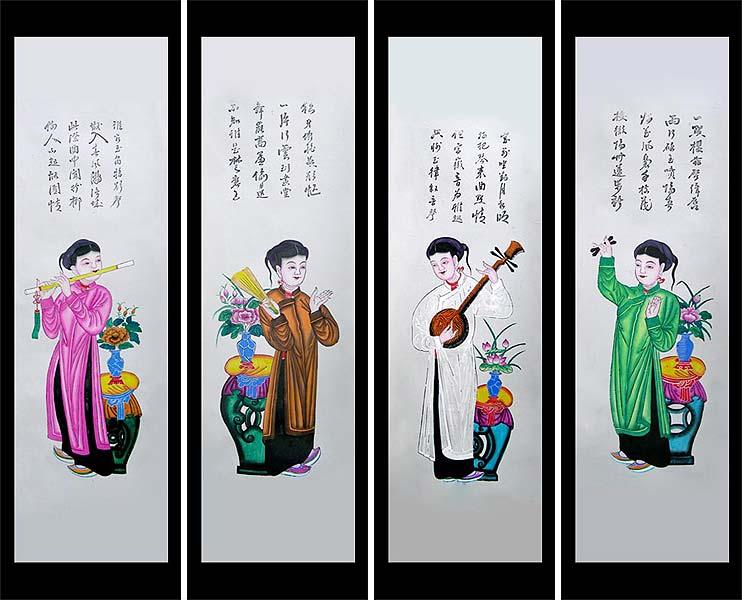 🇻🇳 Vietnam and 1 moreVietnamese folk religiontín ngưỡng dân gian Việt Nam
A collection of local spirit worship and ancestral veneration in VietnamTradition · Protection · Healing Living
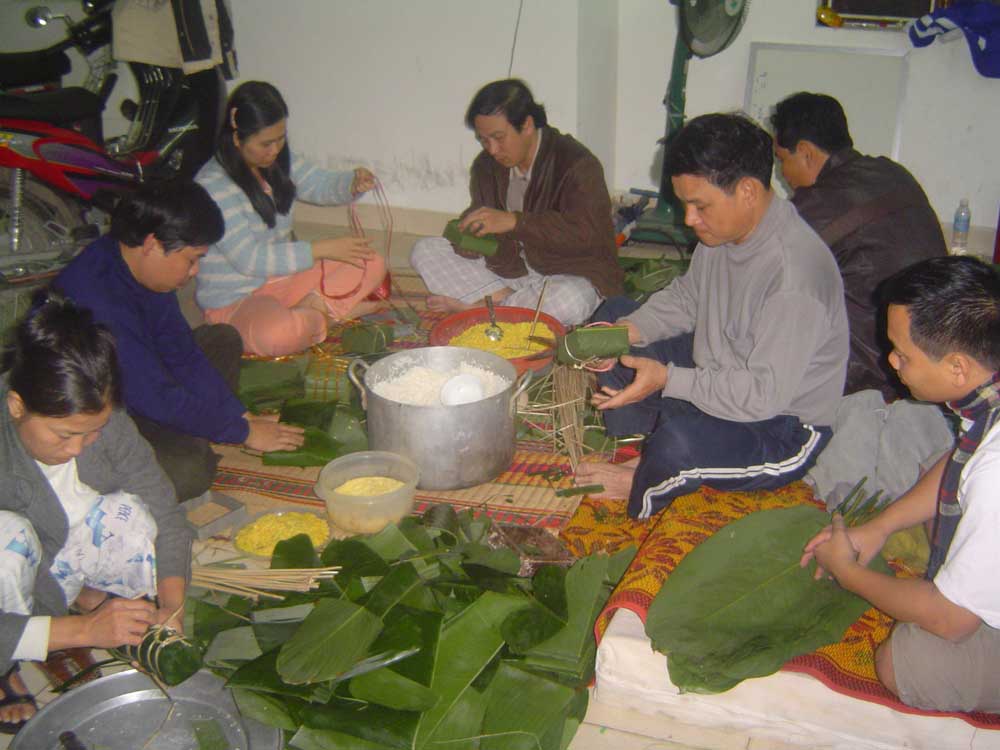 🇻🇳 Vietnam and 5 moreTếtTết Nguyên Đán
The Vietnamese lunisolar new year and the most important annual celebration in VietnamTradition · Luck and prosperity · Speaking with spirits and the dead Living
 🇹🇭 Thailand and 7 moreSpirit house
A small shrine found across Southeast Asia to appease local protective spiritsTradition · Protection · Speaking with spirits and the dead Living
Related elsewhere
All tradition 🇮🇳 IndiaKumkumकुङ्कुमम्
A red powder made from turmeric and lime, used in Hindu markings and ritualsSubstance · Protection · Luck and prosperity Living
 🇳🇬 Nigeria and 2 moreEshuÈṣù
A Yoruba spirit of crossroads, messengers and the balance between joy and sorrowBeing · Speaking with spirits and the dead · Protection Living
 🇮🇳 India and 2 moreYantraयन्त्र
A geometric diagram from Indian traditions used for worship and meditationCharm · Protection · Speaking with spirits and the dead Living
🇳🇿 New ZealandKarakia
Māori recitations used for spiritual guidance, protection, and formal greetingsTradition · Protection · Speaking with spirits and the dead Living