
Cash
In its own language: 方孔錢
The English word derives from Portuguese caixa, tracing back to Tamil kāsu and Sanskrit karsa.
A round copper coin with a square hole used in China and East Asia for two millennia.
Cash coins were the standard currency of Imperial China and neighboring states from the fourth century BC to the twentieth century. They are defined by their circular shape and central square opening, which allowed them to be strung together for transport. Today they serve as lucky charms and ritual objects.
- Round shape with a square center hole defines the design.
- Used as currency from the 4th century BC to the 1900s.
- Strings of coins weigh over ten pounds and carry over shoulders.
- Wu Zhu coins circulated for 736 years, the longest run in history.
- Modern uses include luck charms and feng shui adjustments.
What it is
Cash refers to a type of metal coin that served as the primary currency across East Asia for over two thousand years. These coins feature a distinctive design: a flat outer circle surrounding a square hole in the center. This specific geometry allowed users to thread hundreds of coins onto a single cord, making them easier to carry and count. While originally minted as legal tender, many of these coins survive today as cultural artifacts. People often view them as vessels of positive energy rather than mere historical relics. The practice of using them has shifted from economic exchange to spiritual protection and decorative display.
Where it comes from
The concept of cash evolved from earlier forms of exchange involving agricultural tools like spades and knives. By the Warring States period, these tokens had transitioned into standardized metal pieces. The Qin dynasty later unified these designs into the familiar round shape with a central hole. This form persisted through every subsequent imperial regime. The last official castings occurred in 1912 during the early Republic era. Despite the introduction of modern banking systems, the basic design remained consistent for centuries, linking ancient practices directly to modern traditions.
How it is done
Historically, these coins were created through casting molten metal into stone or clay molds. Artisans would pour liquid copper or bronze into prepared frames, creating multiple coins at once. Later methods involved using master models to stamp sand molds, ensuring uniformity across large batches. In the late nineteenth century, machine pressing replaced manual casting for some issues. Today, replicas are produced for ceremonial use. Families may string these coins together using red cords. They are then placed around children's necks or hung near sleeping areas to ward off illness and attract fortune.
Tools and materials
The primary material is copper alloy, often mixed with zinc or lead depending on the era. Brass became common after the sixteenth century. Iron and silver versions exist but are rare. The square hole requires a rod or string for handling. Red silk cords are frequently used in modern contexts to enhance the protective qualities. Diviners may use specific denominations or inscriptions for Yijing readings. Practitioners of feng shui arrange them in patterns to balance environmental energies. Traditional healers might place them under pillows or near water sources.
Cash, drawn and placed
- Living
- Revived
- Fading
- Historical
- Legendary
- Performed
- Lineage
- East Asian monetary tradition
- Timing
- Daily use historically; worn on necks or beds today
What it is for
People use these coins to invite good fortune into their lives. Parents dress infants in strings of cash to ensure health and safety. Sick individuals may keep them nearby to aid recovery. Spiritual practitioners incorporate them into divination rituals to interpret fate. Feng shui masters deploy them to correct negative energy flows in homes. The coins act as tangible links to ancestral wealth and stability. Their presence is believed to stabilize chaotic environments. They serve as portable talismans that carry historical weight and symbolic power.
Who does it
Ordinary households maintain these traditions without specialized training. Grandparents often pass down strings of coins to younger generations. Folk healers select specific coins based on their inscriptions or age. Diviners study the characters stamped on the faces to derive meanings. Feng shui consultants assess the placement of coins within living spaces. No formal priesthood governs their use. The practice relies on family continuity and local custom. Anyone can purchase replicas or find antique examples in markets.
Peoples and places
The Chinese originated the design and maintained its use for millennia. Neighboring cultures adopted similar styles for their own currencies. Japan issued mon coins with comparable shapes. Korea produced mun coins following Chinese models. Vietnam created văn coins that shared the same structural features. Each region added local inscriptions and slight variations. The shared visual language facilitated trade and cultural exchange. Modern diaspora communities continue these customs globally. The coins remain recognizable symbols of East Asian heritage.
At a glance: who, where and when
Who does it
Belief worlds
Occasions


What people believe
The round shape represents heaven while the square hole symbolizes earth. This geometry reflects ancient cosmological views about the universe's structure. Coins are seen as conduits for qi, or vital energy. The metal itself carries properties associated with wealth and durability. Inscriptions often invoke blessings or mark reign periods. These markings connect the object to specific historical moments of prosperity. Using them in rituals acknowledges this connection. The belief system emphasizes harmony between human activity and cosmic order.
When it is done
Usage occurs throughout daily life rather than on specific holidays. Children wear them from birth until adulthood. Homes may display them year-round for continuous protection. Illness prompts temporary placement near patients. Divination sessions require them whenever questions arise. There are no fixed festival dates tied exclusively to their use. However, they appear frequently during Lunar New Year celebrations. Markets sell new strings during spring festivals. Their presence is constant rather than seasonal.
How scholars and sceptics see it
Researchers trace the evolution of coinage from barter systems to standardized currency. Historians note the longevity of the design across dynastic changes. Economists analyze the metal content and inflation rates recorded in archives. Anthropologists study how modern communities repurpose ancient objects. Linguists examine the characters used on the faces for historical insights. Skeptics view the magical claims as psychological comfort mechanisms. Experts agree on the technical manufacturing processes but debate the social impact of the currency.
Cautions and what is closed
Antique coins may contain high levels of lead or other toxic metals. Handling them without washing hands poses health risks. Some replicas are made with cheap alloys that tarnish quickly. Fraudsters sometimes sell fake antiques to tourists. Collectors should verify authenticity before purchasing expensive items. Overuse of heavy strings can cause physical strain. Religious restrictions may apply in certain sacred contexts. Outsiders should respect local customs regarding who may handle specific types.
Compare and confuse
These coins differ from Western currency which typically lacks central holes. European money relied on paper notes and different metal standards. Japanese mon and Korean mun share the same basic form but have unique scripts. Vietnamese văn coins follow similar rules but feature distinct calligraphy. The term cash itself comes from South Indian roots via Portuguese traders. This linguistic path shows how global trade influenced naming conventions across continents.
Questions people ask about Cash
What is a cash coin?
It is a traditional East Asian coin characterized by a round outer edge and a square hole in the middle. Made primarily of copper or bronze, it served as standard currency for centuries before being replaced by modern banknotes.
Where did cash coins originate?
They originated in China during the Warring States period. The design evolved from earlier agricultural tool tokens and was standardized by the Qin dynasty. The style spread to Japan, Korea, and Vietnam through cultural exchange.
Why do people still use them today?
Many consider them good luck charms. Families hang strings around children's necks for protection. Others use them in feng shui to balance energy or in divination rituals to seek guidance from ancestors.
How were they made historically?
Artisans cast molten metal into stone or clay molds. Later, they used master models to create sand molds for mass production. The coins were removed from a tree-like structure and smoothed before circulation.
Good reading and sources
- Cash (Chinese coin) on WikipediaEncyclopedia
- More photos on Wikimedia CommonsPhotos and video
- Wikidata recordOpen data
The facts on this page come from the Wikipedia article "Cash (Chinese coin)", written by its contributors and used under the CC BY-SA 4.0 licence, and from its Wikidata record (CC0). EveryJaadu rewrote the text in its own words, with AI assistance, and compares every page with the article to make sure no passage is copied. It may be reused under the same CC BY-SA 4.0 licence with a link back.
It may contain mistakes. Names and customs differ from one community to the next, and some knowledge is closed to outsiders and left out here. This page describes belief and practice. It does not say that any of it works, it is not a how-to, and it is not medical advice. If something is wrong, tell us. Last refreshed 2026-10-07.
More from China
All the entries from China 🇨🇳 China and 5 moreJoss paper金紙
Paper burned as money and goods for ancestors, gods and the deadCharm · Speaking with spirits and the dead · Luck and prosperity Living
🇨🇳 China and 5 moreJoss paper金紙
Paper burned as money and goods for ancestors, gods and the deadCharm · Speaking with spirits and the dead · Luck and prosperity Living
 🇯🇵 Japan and 1 moreKūkai空海
Founder of Shingon Buddhism who brought Vajrayana esoteric practices from China to Japan.Text · Power and authority · Protection Historical
🇯🇵 Japan and 1 moreKūkai空海
Founder of Shingon Buddhism who brought Vajrayana esoteric practices from China to Japan.Text · Power and authority · Protection Historical
 🇨🇳 China and 1 moreFulu符籙
Taoist talismans with cryptic symbols used for healing and protectionCharm · Healing · Protection Living
🇨🇳 China and 1 moreFulu符籙
Taoist talismans with cryptic symbols used for healing and protectionCharm · Healing · Protection Living
 🇨🇳 China and 2 moreJiang Ziya姜子牙
A historical strategist and war god who helped establish the Zhou dynastyFigure · Power and authority · Cursing and harm Historical
🇨🇳 China and 2 moreJiang Ziya姜子牙
A historical strategist and war god who helped establish the Zhou dynastyFigure · Power and authority · Cursing and harm Historical
Related elsewhere
All charm 🇬🇧 United Kingdom and 1 moreWell dressing
A rural English custom of decorating water sources with natural designsTradition · Protection · Speaking with spirits and the dead Living
🇬🇧 United Kingdom and 1 moreWell dressing
A rural English custom of decorating water sources with natural designsTradition · Protection · Speaking with spirits and the dead Living
 🇬🇷 Greece and 5 moreCrossroads (folklore)
A junction between worlds where spirits are met and deals are madeBelief · Speaking with spirits and the dead · Cursing and harm Living
🇬🇷 Greece and 5 moreCrossroads (folklore)
A junction between worlds where spirits are met and deals are madeBelief · Speaking with spirits and the dead · Cursing and harm Living
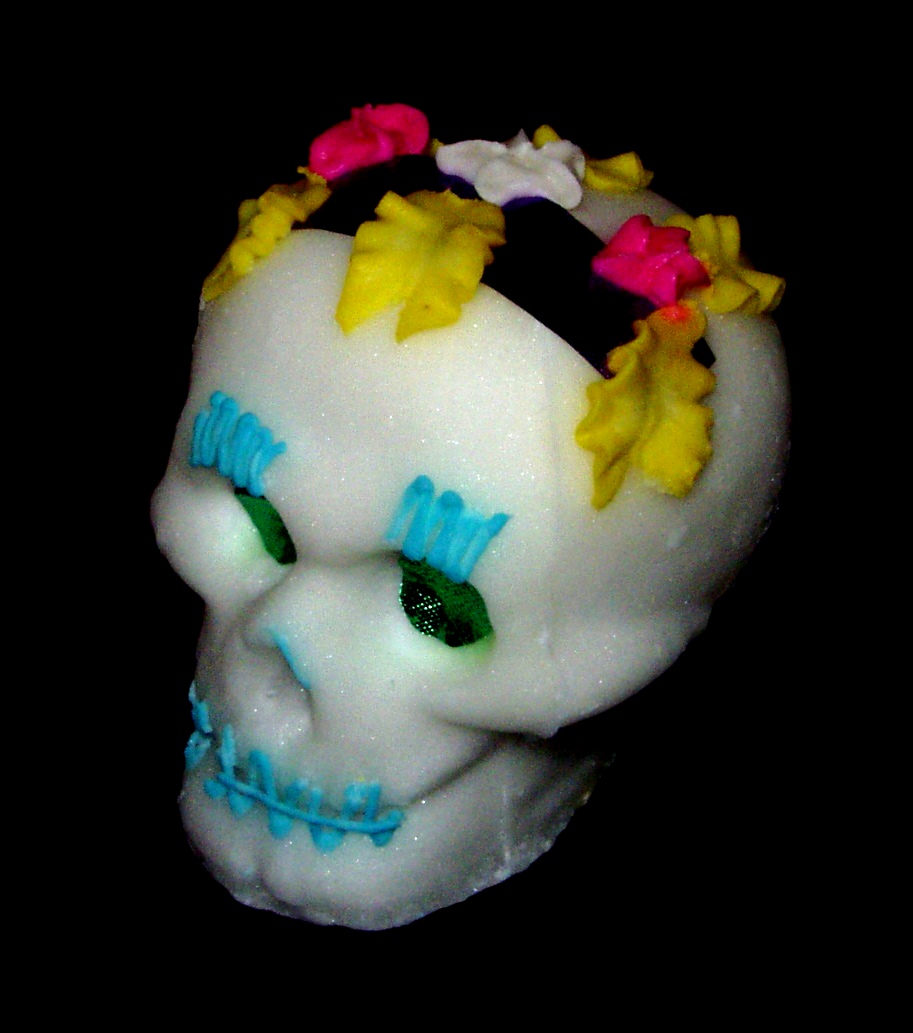 🇲🇽 MexicoCalavera
A sugar or clay skull used in Mexican Day of the Dead celebrations.Charm · Speaking with spirits and the dead · Luck and prosperity Living
🇲🇽 MexicoCalavera
A sugar or clay skull used in Mexican Day of the Dead celebrations.Charm · Speaking with spirits and the dead · Luck and prosperity Living
 🇪🇬 Egypt and 2 moreLibation
The ritual pouring of liquid as an offering to spirits or the deadRite · Speaking with spirits and the dead · Protection Living
🇪🇬 Egypt and 2 moreLibation
The ritual pouring of liquid as an offering to spirits or the deadRite · Speaking with spirits and the dead · Protection Living