
Firebird
A glowing bird of Slavic folklore that brings both fortune and peril to those who seek it
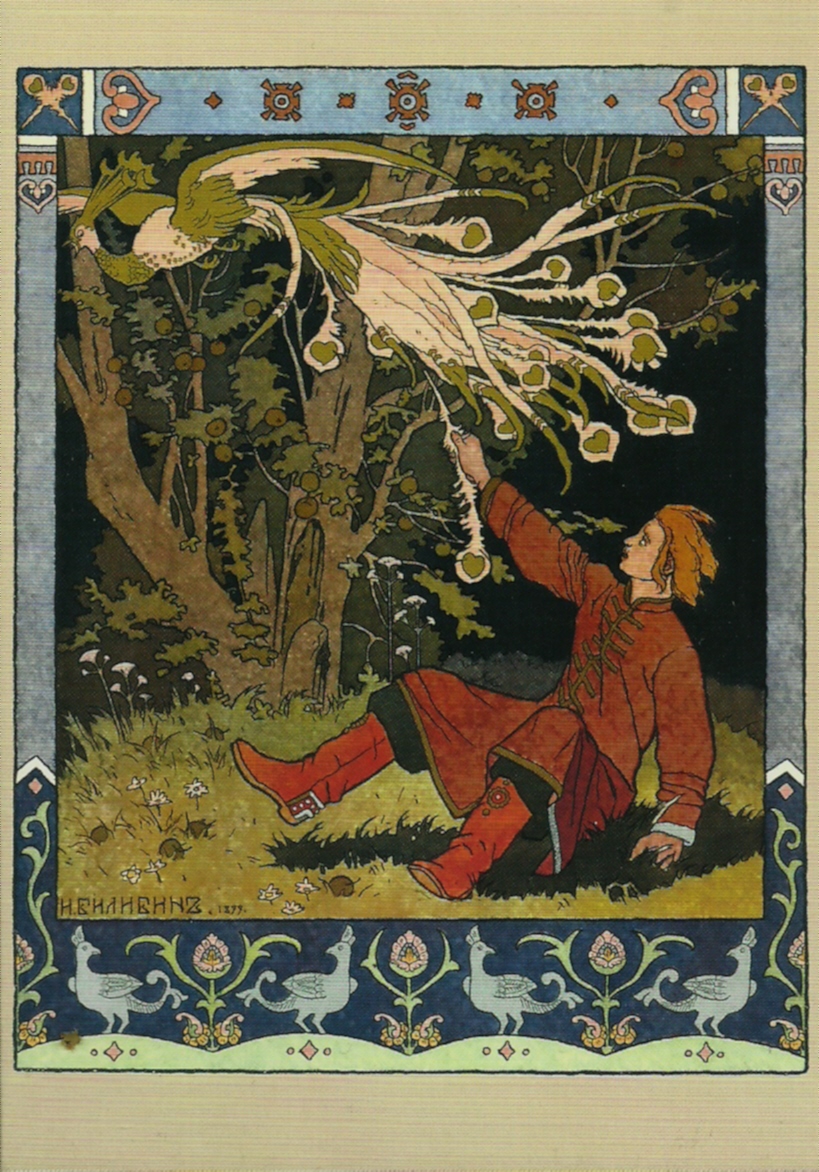
The Firebird is a magical creature from Slavic mythology, described as a luminous bird whose feathers emit light. It appears in fairy tales as the object of a difficult quest, often linked to golden apples or royal courts.
- Feathers glow brightly enough to light a dark room
- Often sought in quests for golden apples or princesses
- Appears in Russian, Armenian, and Polish folklore
- Inspired Stravinsky's famous ballet The Firebird
- Considered both a blessing and a harbinger of doom
What it is
The Firebird is a legendary creature found in Slavic mythology and folklore. It is depicted as a magical bird that glows with an inner light, often compared to a bonfire or bright flames. The creature is considered both a blessing and a harbinger of doom for anyone who captures it. Its appearance varies across stories, sometimes resembling a falcon with a crest and eyes like crystal, while other times it is a large, majestic bird radiating red, orange, and yellow hues. Even when removed from its body, the feathers continue to shine brightly enough to illuminate a dark room.
Where it comes from
The legend originates in Russian folklore and has parallels in Iranian and Armenian traditions. Alexander Afanasyev collected many of these tales, preserving the oral history of the region. The story shares structural similarities with other European folktales, such as the Brothers Grimm's 'The Golden Bird.' In Armenian lore, a related figure called Hazaran Blbul does not glow but causes the land to bloom through song. The concept also appears in Czech folklore as Pták Ohnivák, where the bird steals magical golden apples from a king.
How it is done
In fairy tales, the Firebird serves as the central object of a challenging quest. A hero typically discovers a single glowing feather, which triggers a journey to capture the live bird. This task is often demanded by a king or father figure under threat of death. Heroes may receive help from magical companions, such as a wise horse, to navigate the dangers. The quest usually involves retrieving additional items, such as a princess or her wedding dress, before the hero can claim victory and escape the bird's curse.
Tools and materials
The primary tool associated with the Firebird is its feather. These feathers are described as golden and radiant, capable of lighting up entire rooms even after being plucked. In some versions, the bird drops pearls from its beak, which fall to peasants and provide them with goods. The golden apples eaten by the bird are also significant, granting youth and strength to those who consume them. These items serve as proof of the hero's success and keys to overcoming magical obstacles.
Firebird, drawn and placed
- Living
- Revived
- Fading
- Historical
- Legendary
- Performed
- Lineage
- Russian folklore
What it is for
The Firebird represents wonder and the allure of the unknown. It is sought after by kings and heroes for its beauty and magical properties. However, capturing it carries risks, as the bird is said to bring trouble to its captor. The tales explore themes of greed, obedience, and the consequences of ignoring warnings. The bird’s presence often tests the moral character of those who pursue it, rewarding humility and punishing arrogance.
Who does it
Scholars and collectors like Alexander Afanasyev have documented these stories, treating them as part of cultural heritage. The tales were originally told orally within communities, passed down through generations. Modern interpretations appear in literature, ballet, and music, where artists adapt the legend for new audiences. These works often highlight the visual spectacle of the glowing bird and the dramatic tension of the quest narrative.
Peoples and places
The Firebird is most closely associated with Russian and broader Slavic cultures. Variations exist in Armenian, Iranian, and Polish traditions. In Poland, the creatures are referred to as ptaki-żary and appear in literary works about peasant life. Each culture adds unique details, such as the Armenian bird’s blooming song or the Czech bird’s theft of apples. Despite these differences, the core motif of a luminous, elusive bird remains consistent across regions.
At a glance: who, where and when
Belief worlds

What people believe
The Firebird is viewed as a supernatural entity tied to natural forces and magic. It is believed to possess powers beyond ordinary birds, such as emitting light and influencing fate. The creature’s interaction with humans reflects beliefs about the balance between reward and punishment. Capturing the bird is seen as a test of worthiness, where only those who follow proper rituals or show respect can succeed without suffering dire consequences.
When it is done
The tales do not specify particular festivals or calendar days for the Firebird’s appearance. Instead, the bird is associated with life events and quests initiated by personal or royal need. Stories often unfold during periods of crisis or ambition, such as when a king demands a prize or a hero seeks glory. The timing is driven by narrative necessity rather than seasonal or religious cycles.
How scholars and sceptics see it
Anthropologists and folklorists study the Firebird as a symbol of cultural values and storytelling traditions. Researchers note its connections to other mythical birds and its role in shaping regional identity. The creature’s enduring popularity in art and literature demonstrates its significance in preserving historical narratives. Scholars also examine how the legend adapts to different media, from oral tales to ballet scores and modern novels.
Cautions and what is closed
The tales warn that capturing the Firebird can lead to danger or death if handled improperly. Heroes must heed advice from magical helpers to avoid pitfalls. The story serves as a cautionary tale about greed and the consequences of breaking promises. While the bird itself is not malicious, its presence tests the limits of human ambition and integrity.
Compare and confuse
The Firebird is often compared to the Phoenix due to its fiery appearance and magical nature. It shares traits with the Iranian Simurgh and the Armenian Hazaran Blbul, though each has distinct characteristics. In Western folklore, it resembles the Golden Bird from Grimm’s tales, emphasizing the quest motif. These comparisons highlight shared mythological roots across Eurasian cultures.
Law and persecution
There are no specific legal restrictions mentioned regarding the Firebird. As a fictional creature, it exists solely within the realm of folklore and literature. Modern adaptations enjoy protection under copyright laws, while the original tales remain part of the public domain. The legend continues to inspire creative works without legal controversy.
Today
The Firebird remains a popular subject in contemporary culture, appearing in books, films, and musical performances. Sergei Diaghilev’s Ballet Russe brought the legend to global attention through Stravinsky’s score. Modern authors incorporate the Firebird into fantasy series, blending traditional elements with new narratives. The image of the glowing bird continues to captivate audiences worldwide.
Questions people ask about Firebird
What is the Firebird?
The Firebird is a magical glowing bird from Slavic folklore. It is described as having golden feathers that emit light. The creature is central to many fairy tales involving quests and royal courts.
Where does the Firebird legend come from?
The legend originates in Russian and Slavic folklore. It has parallels in Armenian, Iranian, and Polish traditions. Collectors like Alexander Afanasyev preserved these oral stories for future generations.
Why is the Firebird important in stories?
It serves as the object of difficult quests in fairy tales. Heroes seek it for its beauty and magical feathers. Capturing it tests their courage and morality, often leading to rewards or peril.
Good reading and sources
- Firebird (Slavic folklore) on WikipediaEncyclopedia
- More photos on Wikimedia CommonsPhotos and video
- Wikidata recordOpen data
The facts on this page come from the Wikipedia article "Firebird (Slavic folklore)", written by its contributors and used under the CC BY-SA 4.0 licence, and from its Wikidata record (CC0). EveryJaadu rewrote the text in its own words, with AI assistance, and compares every page with the article to make sure no passage is copied. It may be reused under the same CC BY-SA 4.0 licence with a link back.
It may contain mistakes. Names and customs differ from one community to the next, and some knowledge is closed to outsiders and left out here. This page describes belief and practice. It does not say that any of it works, it is not a how-to, and it is not medical advice. If something is wrong, tell us. Last refreshed 2026-10-05.
More from Russia
All the entries from Russia 🇷🇸 Serbia and 5 moreVampire
An undead creature from folklore that feeds on the blood or life force of the livingBeing · Cursing and harm · Luck and prosperity Legendary
🇷🇸 Serbia and 5 moreVampire
An undead creature from folklore that feeds on the blood or life force of the livingBeing · Cursing and harm · Luck and prosperity Legendary
 🇷🇺 Russia and 5 moreBaba YagaБаба Яга
A Slavic witch who lives in a turning hut and flies in a mortarFigure · Cursing and harm · Protection Legendary
🇷🇺 Russia and 5 moreBaba YagaБаба Яга
A Slavic witch who lives in a turning hut and flies in a mortarFigure · Cursing and harm · Protection Legendary
 🇫🇷 France and 5 moreJean Eugène Robert-HoudinJean-Eugène Robert-Houdin
A French clockmaker who elevated stage magic into a refined theatrical art.Illusion · Wonder and entertainment Historical
🇫🇷 France and 5 moreJean Eugène Robert-HoudinJean-Eugène Robert-Houdin
A French clockmaker who elevated stage magic into a refined theatrical art.Illusion · Wonder and entertainment Historical
 🇷🇺 RussiaBlack magic
Magic traditionally defined by malevolent intent and selfish purposesBelief · Cursing and harm Historical
🇷🇺 RussiaBlack magic
Magic traditionally defined by malevolent intent and selfish purposesBelief · Cursing and harm Historical
Related elsewhere
All figure 🇪🇬 EgyptSham Ennessimشم النسيم
An Egyptian spring holiday marked by picnics, colored eggs, and salted fishTradition · Luck and prosperity · Wonder and entertainment Living
🇪🇬 EgyptSham Ennessimشم النسيم
An Egyptian spring holiday marked by picnics, colored eggs, and salted fishTradition · Luck and prosperity · Wonder and entertainment Living
 🇮🇳 India and 5 moreSnake charming
A street performance using a gourd flute to make snakes swayIllusion · Wonder and entertainment · Luck and prosperity Fading
🇮🇳 India and 5 moreSnake charming
A street performance using a gourd flute to make snakes swayIllusion · Wonder and entertainment · Luck and prosperity Fading
 🇯🇵 Japan and 2 moreTanabataたなばた (七夕)
A Japanese celebration of star-crossed lovers and written wishesTradition · Luck and prosperity · Wonder and entertainment Living
🇯🇵 Japan and 2 moreTanabataたなばた (七夕)
A Japanese celebration of star-crossed lovers and written wishesTradition · Luck and prosperity · Wonder and entertainment Living
 🇯🇵 JapanKitsunebi狐火
Atmospheric ghost lights in Japanese folklore, often linked to foxes and natural phenomena.Belief · Wonder and entertainment · Luck and prosperity Historical
🇯🇵 JapanKitsunebi狐火
Atmospheric ghost lights in Japanese folklore, often linked to foxes and natural phenomena.Belief · Wonder and entertainment · Luck and prosperity Historical