Tunda
A shapeshifting entity from the Pacific coast of Colombia and Ecuador that lures people into the forest.
The Tunda is a mythic figure from the Pacific coastal regions of Colombia and Ecuador, especially among Afro-Colombian communities in Chocó. It appears as a woman to lure victims into the woods, where it traps them using deception and food like shrimp.
- The Tunda lures victims into the forest using shapeshifting abilities.
- It mimics loved ones, such as a child's mother, to gain trust.
- Victims are fed shrimp to keep them docile and trapped.
- The creature has an imperfect disguise featuring a wooden molinillo leg.
- The myth is prominent in the Afro-Colombian community of Chocó.
What it is
The Tunda is a legendary creature from the Pacific coast of Colombia and Ecuador. It is described as a shapeshifting entity that resembles a human woman. The figure is known for luring people into the forests and trapping them there permanently. This myth is particularly prominent within the Afro-Colombian community of the Chocó department. The creature uses its appearance to deceive victims before revealing its true nature.
Where it comes from
The legend originates in the Pacific coastal regions of Colombia and Ecuador. It holds specific cultural significance within the Afro-Colombian community of the Chocó department. The story serves as a cautionary tale about the dangers of the deep jungle. Variations exist regarding how the creature interacts with different types of victims, such as loggers or hunters.
How it is done
The Tunda employs a process called entundamiento to capture its prey. It changes shape to appear as a loved one, often mimicking a child's mother. Once near, it feeds the victim shrimp to induce a state of pacified stupor known as being entundado. In other versions, it appears as a beautiful woman to male loggers or hunters, eventually revealing its hideous form to suck blood or devour them entirely.
Tools and materials
The creature uses shrimp, specifically camarones peneídos, to keep victims docile. A key identifier of the Tunda is its wooden leg, shaped like a molinillo. A molinillo is a traditional kitchen utensil used for stirring hot drinks like chocolate or aguapanela. The Tunda attempts to hide this defect, but its shapeshifting abilities are considered imperfect.
Tunda, drawn and placed
- Living
- Revived
- Fading
- Historical
- Legendary
- Performed
What it is for
The primary purpose of the Tunda is to trap and harm those who enter the forest. It seeks to lure individuals away from safety and prevent their return. The creature may feed on its victims or consume them completely. The myth functions as a warning against wandering too deeply into the jungle alone.
Who does it
There are no practitioners associated with the Tunda. It is a figure of folklore rather than a deity or spirit worshipped by a community. The stories are told to explain disappearances or to warn travelers about the perils of the forest environment.
Peoples and places
The Tunda is central to the folklore of the Pacific coast of Colombia and Ecuador. It is particularly significant in the Chocó department among Afro-Colombian populations. The legend shares thematic similarities with other shapeshifting figures like the Sayona and Patasola, though each has distinct regional characteristics.
At a glance: who, where and when
Peoples
Belief worlds
What people believe
Belief in the Tunda centers on the idea of a deceptive forest spirit. It is said to possess imperfect shapeshifting powers, leaving tell-tale signs like the wooden molinillo leg. The creature is viewed as a predator that uses intimacy and food to lower the guard of its victims before attacking.
How scholars and sceptics see it
The provided text does not include analysis from anthropologists, historians, or psychologists. The focus remains on the narrative details of the myth itself and its role within local oral traditions.
Cautions and what is closed
The Tunda represents a danger in the physical world of the forest. Victims are trapped and never seen again. The creature may suck blood or devour humans. The myth warns of the risks associated with traveling alone in remote jungle areas.
Compare and confuse
The Tunda is related to other shapeshifting female figures in global folklore. Similar entities include the Deer Woman, Sihuanaba, Baobhan sith, Leanan sídhe, Huldra, and Soucouyant. These figures often share traits of luring men into dangerous situations or transforming to reveal monstrous forms.
Questions people ask about Tunda
What is the Tunda?
The Tunda is a shapeshifting mythic figure from the Pacific coast of Colombia and Ecuador. It appears as a woman to lure people into the forest, where it traps them permanently.
Where does the legend come from?
The legend originates in the Pacific coastal regions of Colombia and Ecuador. It is particularly significant within the Afro-Colombian community of the Chocó department.
How does the Tunda catch its victims?
It uses a process called entundamiento. It shapeshifts into a loved one and feeds victims shrimp to induce a stupor, making them easy to trap in the woods.
What is the Tunda's weakness?
Its shapeshifting is imperfect. It always has a wooden leg shaped like a molinillo, a kitchen utensil for stirring drinks, which it tries hard to hide from victims.
Good reading and sources
The facts on this page come from the Wikipedia article "Tunda", written by its contributors and used under the CC BY-SA 4.0 licence, and from its Wikidata record (CC0). EveryJaadu rewrote the text in its own words, with AI assistance, and compares every page with the article to make sure no passage is copied. It may be reused under the same CC BY-SA 4.0 licence with a link back.
It may contain mistakes. Names and customs differ from one community to the next, and some knowledge is closed to outsiders and left out here. This page describes belief and practice. It does not say that any of it works, it is not a how-to, and it is not medical advice. If something is wrong, tell us. Last refreshed 2026-10-05.
More from Colombia
All the entries from Colombia 🇲🇽 Mexico and 5 moreLa Llorona
A vengeful ghost in Hispanic American folklore who mourns drowned children near water.Figure · Cursing and harm Living
🇲🇽 Mexico and 5 moreLa Llorona
A vengeful ghost in Hispanic American folklore who mourns drowned children near water.Figure · Cursing and harm Living
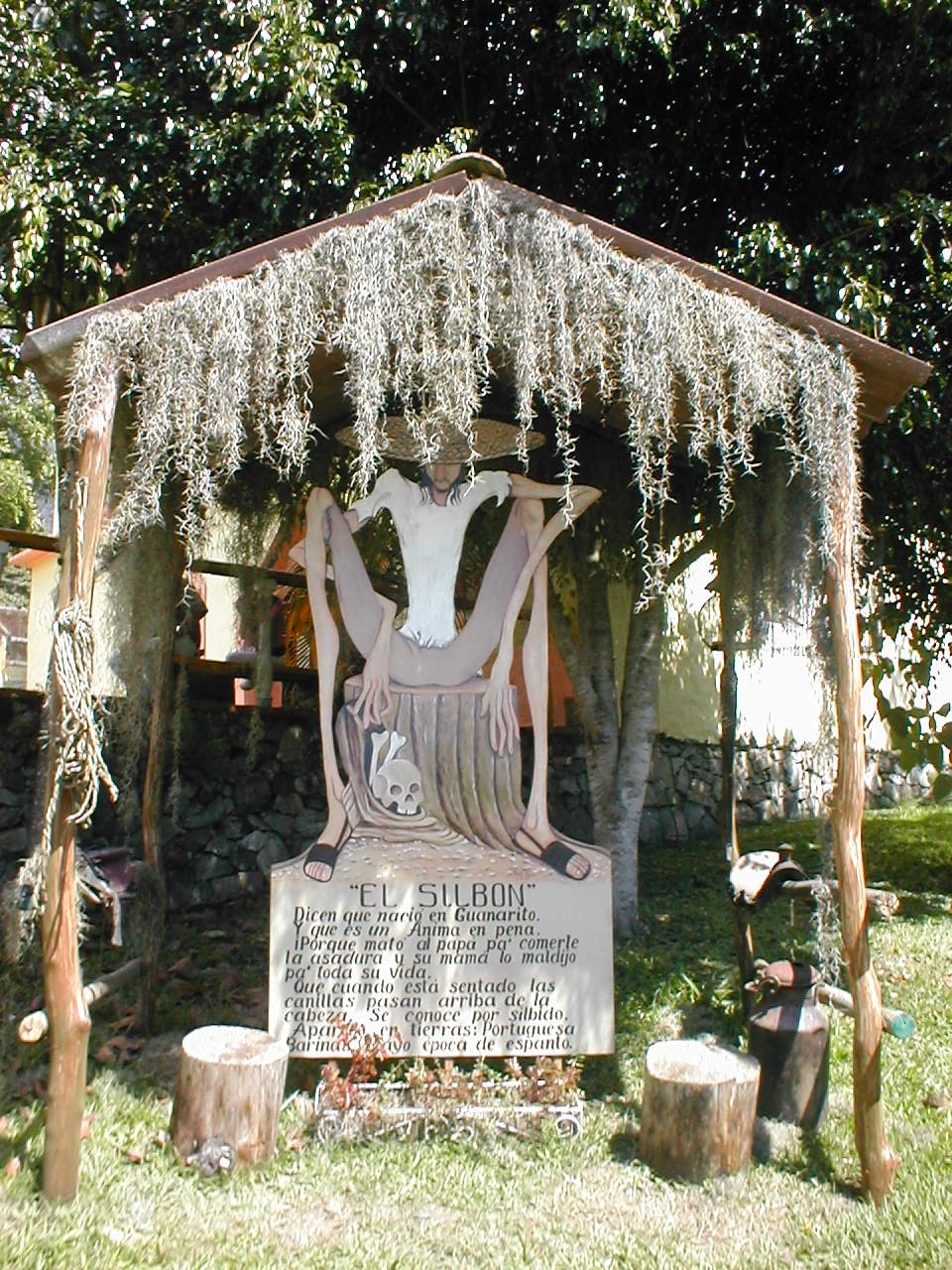 🇻🇪 Venezuela and 1 moreEl Silbón
A Venezuelan and Colombian legend of a cursed spirit who carries his father's bones.Figure · Cursing and harm · Seeing and foretelling Legendary
🇨🇴 Colombia and 1 moreLa Bolefuego
A fiery apparition from the Llanos that hunts travelers and avoids prayer.Figure · Cursing and harm Legendary
🇻🇪 Venezuela and 1 moreEl Silbón
A Venezuelan and Colombian legend of a cursed spirit who carries his father's bones.Figure · Cursing and harm · Seeing and foretelling Legendary
🇨🇴 Colombia and 1 moreLa Bolefuego
A fiery apparition from the Llanos that hunts travelers and avoids prayer.Figure · Cursing and harm Legendary
 🇧🇷 Brazil and 2 moreMapinguari
A hairy Amazonian monster with a belly mouth and backwards feetBeing · Cursing and harm Legendary
🇧🇷 Brazil and 2 moreMapinguari
A hairy Amazonian monster with a belly mouth and backwards feetBeing · Cursing and harm Legendary
Related elsewhere
All figure 🇷🇸 Serbia and 5 moreVampire
An undead creature from folklore that feeds on the blood or life force of the livingBeing · Cursing and harm · Luck and prosperity Legendary
🇷🇸 Serbia and 5 moreVampire
An undead creature from folklore that feeds on the blood or life force of the livingBeing · Cursing and harm · Luck and prosperity Legendary
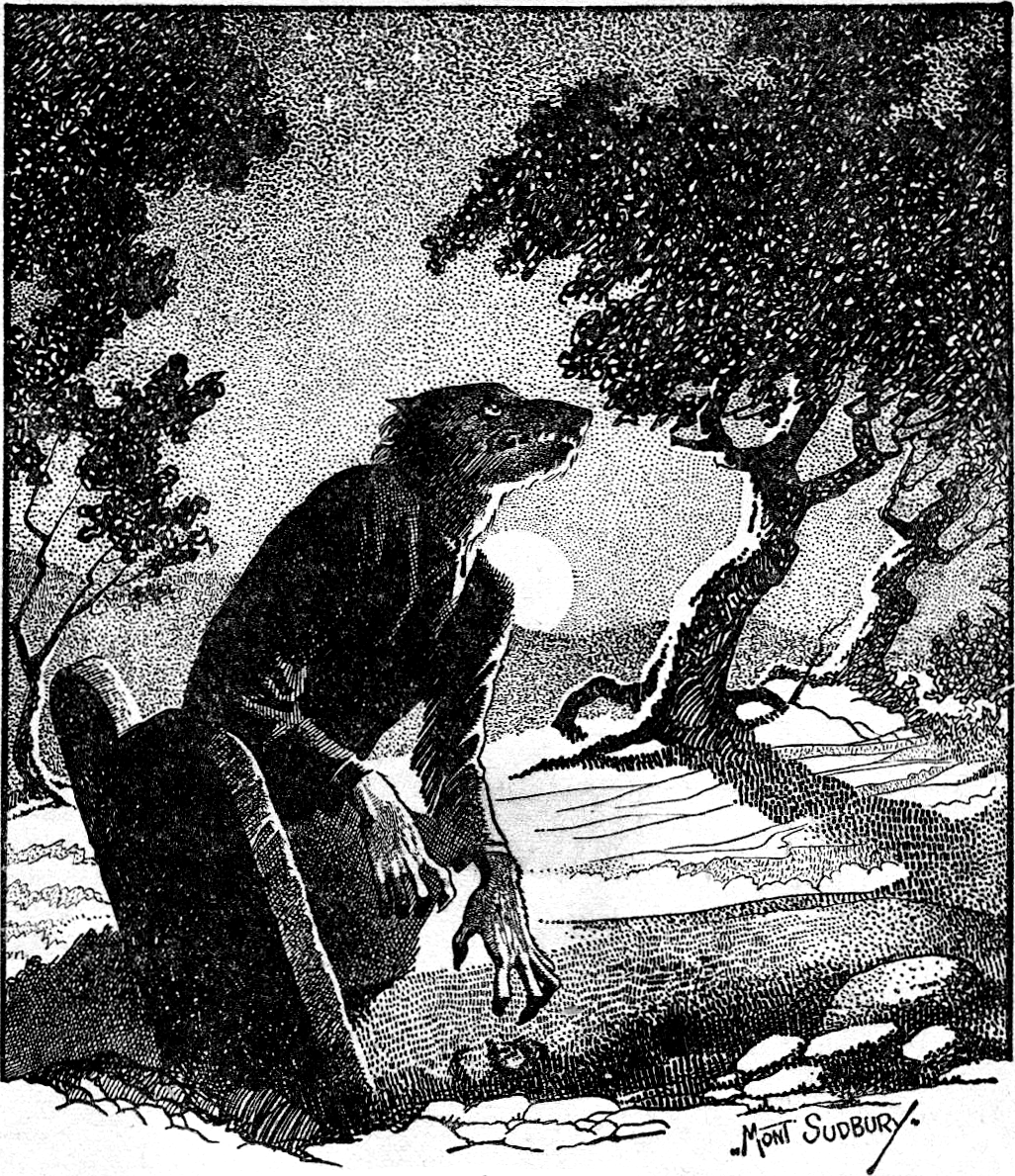 🇫🇷 France and 5 moreWerewolf
A mythical shapeshifter that turns into a wolf, central to European witch-hunts and Gothic horror.Being · Cursing and harm · Wonder and entertainment Legendary
🇫🇷 France and 5 moreWerewolf
A mythical shapeshifter that turns into a wolf, central to European witch-hunts and Gothic horror.Being · Cursing and harm · Wonder and entertainment Legendary
 🇪🇬 Egypt and 1 moreLilithלִילִית
A feminine figure from Mesopotamian and Jewish mythology, often depicted as a night demon or spirit.Being · Cursing and harm Legendary
🇪🇬 Egypt and 1 moreLilithלִילִית
A feminine figure from Mesopotamian and Jewish mythology, often depicted as a night demon or spirit.Being · Cursing and harm Legendary
 🇪🇬 EgyptCurse
A spoken wish for misfortune to befall a person or placeBelief · Cursing and harm · Luck and prosperity Historical
🇪🇬 EgyptCurse
A spoken wish for misfortune to befall a person or placeBelief · Cursing and harm · Luck and prosperity Historical