
Revenant
from Old French revenant, meaning returning
An animated corpse or spirit that returns from the grave to haunt the living
A revenant is a resurrected body or restless spirit said to wander among the living. The term comes from Old French for returning. These figures appear in European, Caribbean and global folklore as undead beings that cause harm or deliver warnings.
- Old French word revenant means returning
- Graves from 4,000 years ago show anti-revenant precautions
- 17th-century Poland was a center of revenant superstition
- William of Newburgh wrote detailed accounts in the 12th century
- Nordic revenants are called draugr or haugbui
What it is
A revenant is a corpse or spirit believed to have returned from death to interact with the living. Unlike a simple ghost, it often retains a physical presence. Stories describe these beings as animated bodies that walk, speak or attack. They are found across many cultures, from Celtic and Norse legends to tales in Eastern Europe and the Caribbean. The figure serves as a warning about improper burial or unresolved earthly matters. Scholars view them as part of a broader category of undead creatures that reflect fears of death and decay.
Where it comes from
The word comes from the Old French revenant, which means returning. The concept appears in ancient Roman literature and was common throughout the Middle Ages. Archaeologists have found graves in Europe dating back 4,000 years where bodies were buried with precautions to stop them from rising. These sites include stones placed over legs or jaws. English historians recorded many stories in the twelfth century. Poland and Hungary were noted for strong beliefs in such beings during the seventeenth century.
How it is done
Revenants are described as leaving their graves at night to wander villages. They may carry coffins, change shape into animals or crush people with their weight. To stop them, communities would dig up the body. Methods included removing the head or heart, burning the remains or placing objects like stones in the mouth. In some cases, religious rites or letters of absolution were used to lay the spirit to rest. The process was dangerous and required direct confrontation with the creature.
Tools and materials
Burial practices involved using heavy stones to pin down limbs or block the jaw. Bricks were sometimes lodged inside the body. Tools for destruction included spades for digging and cutting off heads. Holy water was sprinkled on remains in Christian contexts. Fire was used to ensure complete destruction, especially if the heart was removed first. These items were meant to physically prevent movement or spiritually cleanse the entity.
Revenant, drawn and placed
- Living
- Revived
- Fading
- Historical
- Legendary
- Performed
- Lineage
- European undead folklore
- Timing
- at night and during twilight
What it is for
These beings are believed to cause sickness, death or terror in communities. They often target those who wronged them or simply wander to spread fear. Some act as omens, calling out names of people who will soon die. Others seek revenge for past crimes or unresolved disputes. The return is seen as a disruption of the natural order.
Who does it
No specific priestly class performs these acts. Villagers and local leaders work together to handle the threat. Bishops or clergy may provide spiritual guidance or written absolutions. Heroes in myths are often depicted as the ones who slay the creature. Modern scholars study these accounts through historical texts and archaeological finds. The role falls to anyone willing to confront the danger posed by the returning dead.
Peoples and places
Celtic and Norse traditions feature draugar and aptrgangr, often linked to burial mounds. Polish and Hungarian folklore has strong records of blood-sucking revenants. Finnish tales describe dead-child beings requiring baptism. Caribbean regions have soucouyants and ole-higue, while Brazil knows corpo seco. Albanian mythology includes lugats and kukudh. Each culture adds unique traits, but the core idea of a returning body remains consistent across these diverse groups.
At a glance: who, where and when
What people believe
The belief rests on the idea that magic or sin can prevent proper rest. Ancient Greeks and Egyptians thought sorcerers could evoke souls. Medieval Christians saw revenants as works of Satan or punishments for evil conduct. Nordic myths hold that barrow-dwellers resist weapons and must be destroyed by heroes. The worldview assumes the dead retain power over the living if not properly contained or ritually closed.
When it is done
Visits typically happen at night or during twilight hours. Some accounts mention appearances in broad daylight. No specific festivals are tied to their return. The events are triggered by individual deaths or improper burials rather than seasonal cycles. The timing reflects the liminal nature of darkness and the boundary between life and death.
How scholars and sceptics see it
Historians like William of Newburgh and Walter Map documented these stories as warnings. Augustin Calmet researched apparitions and compared European revenants to vampire rumors. Modern folklorists note the term is often used interchangeably with ghost or undead. Anthropologists study the grave precautions as evidence of widespread anxiety about death. Skeptics view the accounts as explanations for disease or mass hysteria in pre-modern societies.
Cautions and what is closed
Confronting a revenant is described as dangerous. Creatures may be immune to normal weapons and require heroic intervention. Digging up graves risks disturbing the community and spreading fear. Some tales mention townspeople being killed or crushed. The practice of exhumation was a serious communal act. There is no risk of fraud or legal persecution mentioned in the historical context provided.
Compare and confuse
Revenants are often confused with vampires, though they differ in details. Vampires are usually associated with Eastern Europe and blood-drinking. Revenants are more generic undead that may just haunt or crush. They are also distinct from ghosts, which are purely spiritual. Terms like draugr and wiedergänger are specific cultural variants of the same basic concept found in Germanic and Slavic lore.
Questions people ask about Revenant
What is a revenant?
It is an animated corpse or spirit believed to have returned from death to haunt the living. The term comes from Old French for returning. These figures appear in global folklore as harmful undead beings that cause fear or sickness.
Where does the word come from?
The word derives from the Old French revenant, meaning returning. It is related to the French verb revenir, which means to come back. The concept appears in ancient Roman literature and medieval European histories.
How do you stop a revenant?
Communities would dig up the body and destroy it. Methods included removing the head or heart, burning the remains or placing stones in the mouth. Religious rites or letters of absolution were sometimes used to lay the spirit to rest.
Are revenants the same as vampires?
They are often confused, but differ in details. Vampires are linked to Eastern Europe and blood-drinking. Revenants are a broader category of undead that may just haunt, crush or warn. Both are types of returning dead in folklore.
Good reading and sources
The facts on this page come from the Wikipedia article "Revenant", written by its contributors and used under the CC BY-SA 4.0 licence, and from its Wikidata record (CC0). EveryJaadu rewrote the text in its own words, with AI assistance, and compares every page with the article to make sure no passage is copied. It may be reused under the same CC BY-SA 4.0 licence with a link back.
It may contain mistakes. Names and customs differ from one community to the next, and some knowledge is closed to outsiders and left out here. This page describes belief and practice. It does not say that any of it works, it is not a how-to, and it is not medical advice. If something is wrong, tell us. Last refreshed 2026-10-05.
More from France
All the entries from France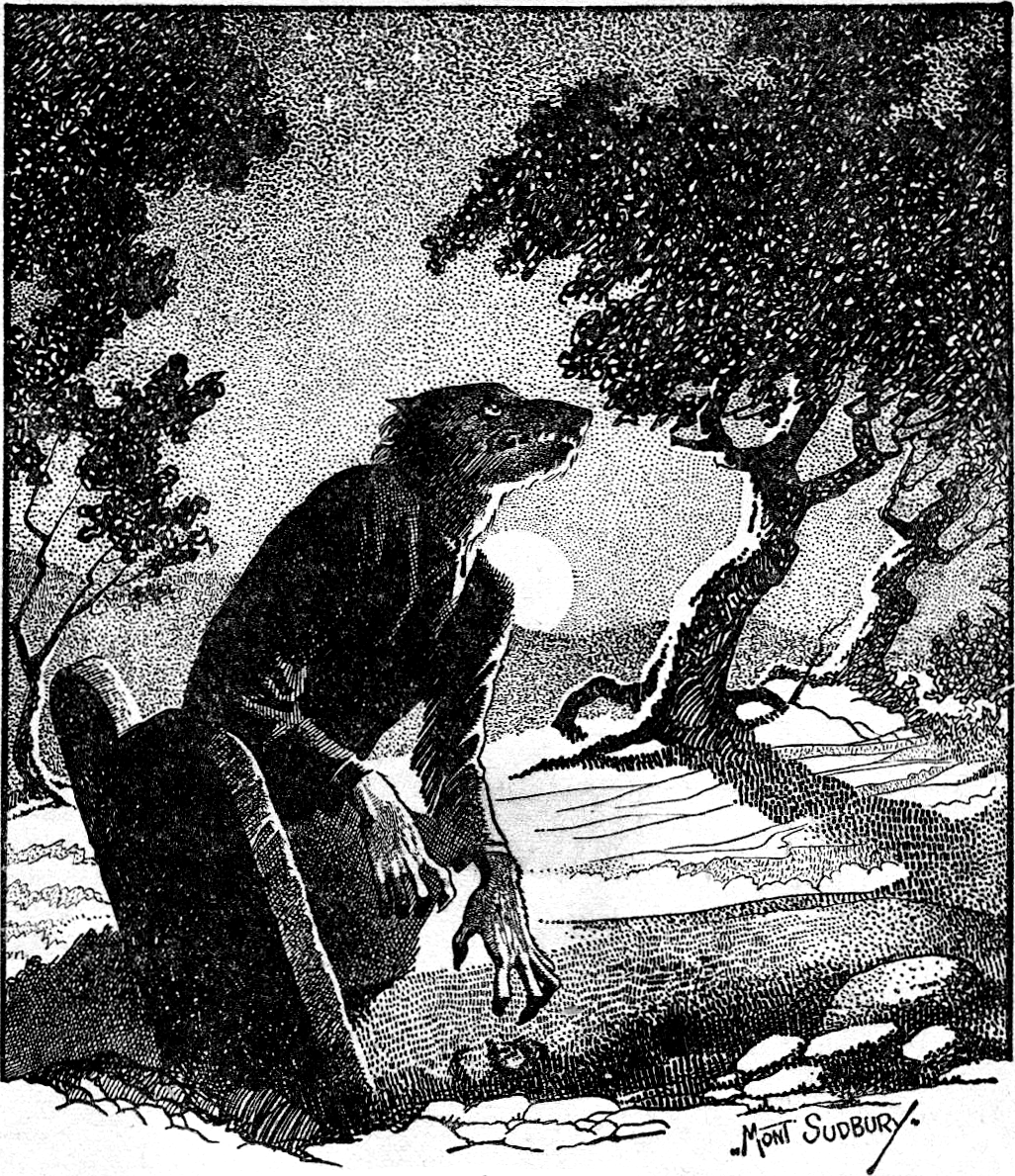 🇫🇷 France and 5 moreWerewolf
A mythical shapeshifter that turns into a wolf, central to European witch-hunts and Gothic horror.Being · Cursing and harm · Wonder and entertainment Legendary
🇫🇷 France and 5 moreWerewolf
A mythical shapeshifter that turns into a wolf, central to European witch-hunts and Gothic horror.Being · Cursing and harm · Wonder and entertainment Legendary
 🇫🇷 France and 1 moreCernunnos
An antlered Celtic deity depicted with torcs and serpents, known from Roman-era Gaul.Being · Power and authority · Luck and prosperity Historical
🇫🇷 France and 1 moreCernunnos
An antlered Celtic deity depicted with torcs and serpents, known from Roman-era Gaul.Being · Power and authority · Luck and prosperity Historical
 🇬🇷 Greece and 3 moreHippocampusἱππόκαμπος
A mythological hybrid of a horse and fish from ancient Mediterranean culturesBeing · Wonder and entertainment Legendary
🇬🇷 Greece and 3 moreHippocampusἱππόκαμπος
A mythological hybrid of a horse and fish from ancient Mediterranean culturesBeing · Wonder and entertainment Legendary
 🇫🇷 FranceTitivillus
A medieval demon who collects scribal errors and liturgical mistakes in a sack.Being · Cursing and harm Historical
🇫🇷 FranceTitivillus
A medieval demon who collects scribal errors and liturgical mistakes in a sack.Being · Cursing and harm Historical
Related elsewhere
All being 🇪🇬 Egypt and 1 moreLilithלִילִית
A feminine figure from Mesopotamian and Jewish mythology, often depicted as a night demon or spirit.Being · Cursing and harm Legendary
🇪🇬 Egypt and 1 moreLilithלִילִית
A feminine figure from Mesopotamian and Jewish mythology, often depicted as a night demon or spirit.Being · Cursing and harm Legendary
 🇪🇬 EgyptCurse
A spoken wish for misfortune to befall a person or placeBelief · Cursing and harm · Luck and prosperity Historical
🇪🇬 EgyptCurse
A spoken wish for misfortune to befall a person or placeBelief · Cursing and harm · Luck and prosperity Historical
 🇺🇸 United StatesSalem Witch Trials
A colonial legal crisis where over two hundred people faced accusations of sorcery in Massachusetts.Belief · Cursing and harm Historical
🇺🇸 United StatesSalem Witch Trials
A colonial legal crisis where over two hundred people faced accusations of sorcery in Massachusetts.Belief · Cursing and harm Historical
 🇮🇳 India and 5 moreHoliहोली
A Hindu spring festival marked by coloured powders and bonfires to celebrate love and virtue.Tradition · Love and attraction · Cursing and harm Living
🇮🇳 India and 5 moreHoliहोली
A Hindu spring festival marked by coloured powders and bonfires to celebrate love and virtue.Tradition · Love and attraction · Cursing and harm Living