
Nurarihyon
In its own language: 滑瓢 or ぬらりひょん
from nurari (to slip) and hyon (floating sound)
A slippery Japanese monster that slips away and haunts homes in folklore and pop culture.
Nurarihyon is a Japanese yōkai known for slipping away when caught. It appears in Edo period pictures as a bald old man with an elongated head. Modern stories claim it commands all monsters and visits houses to drink tea.
- Name means slippery and floating
- Drawn by Toriyama Sekien in Edo period
- Called supreme commander in anime
- Enters homes to drink tea in modern tales
- Scholars say leader title is a myth
What it is
Nurarihyon is a creature from Japanese folklore classified as a yōkai. The name means it cannot be caught because it slips away. Early Edo period drawings show it as a bald old man with a long head. He wears a kimono or a Buddhist robe. Some pictures show him hanging from a vehicle. Others show him as a round sea monster. The original meaning was likely just a slippery spirit or a political joke. Later stories changed this into a powerful leader of all monsters.
Where it comes from
The name comes from words meaning to slip and float up. It appears in Edo period dictionaries and picture scrolls. Toriyama Sekien drew him in his Hyakki Yagyō book. He might represent a retired samurai or the aristocracy. A sea monster in Okayama shares the name but is different. Folklore scholars say the modern story is a fake idea created by later writers.
How it is done
Stories say Nurarihyon enters homes at night. He drinks tea and smokes while people are busy. He acts like the owner so no one chases him. This behavior is not from old folk tales. It comes from a guess about a picture caption. Modern books and anime repeat this habit. The real legend only says he slips away.
Tools and materials
He wears a kesa robe or a kimono. His head looks like a gourd. Some drawings give him one sword instead of two. This shows wealth or status. The name uses characters for slip and gourd. The sounds describe moving through water or air.
Nurarihyon, drawn and placed
- Living
- Revived
- Fading
- Historical
- Legendary
- Performed
- Lineage
- yōkai tradition
- Timing
- evening
What it is for
People study him to understand Japanese monsters. He entertains audiences in manga and TV shows. The GeGeGe no Kitarō series made him famous. He serves as a villain who claims to lead all yōkai. Writers use him to explore changing folklore traditions.
Who does it
Scholars and researchers study his history. They separate fact from fiction. Writers like Mizuki Shigeru popularized the character. They added details that were not in old texts. Experts note that the supreme commander idea is wrong. They trace how modern media distorted the original image.
Peoples and places
The creature belongs to Japan. Stories appear in Akita and Okayama prefectures. In Akita, he joins a night parade of monsters. In Okayama, he is a sea spirit. Modern fans worldwide know him from anime. The character has moved beyond local legends into global pop culture.
At a glance: who, where and when
Peoples
Belief worlds
What people believe
Yōkai are spirits from Japanese folk belief. Nurarihyon represents things that cannot be held. He embodies the idea of slipping away. Some see him as a trickster spirit. Others view him as a symbol of social change. The belief in his power comes from stories told over time.
When it is done
He appears in evening stories. Old texts mention him during night parades. Modern versions show him visiting at night. No specific festival dates are tied to him. He is active whenever the moon is out or people are asleep.
How scholars and sceptics see it
Researchers say the supreme commander title is false. They point to a misinterpreted caption in a book. Kenji Murakami and Katsumi Tada call it a big guess. Natsuhiko Kyōgoku accepts the new version as living culture. Scholars track how the character changed from a simple slipper to a boss.
Cautions and what is closed
No real harm comes from the legend. It is a fictional character in stories. Some people believe the fake details are true. Researchers correct these misunderstandings. There are no rituals or dangers associated with him.
Compare and confuse
He is confused with umibōzu sea monsters. Both names mean slipping away. Noppera-bō is another faceless spirit. Nurarihyon has a distinct long head. He is often compared to other yōkai leaders in anime.
Questions people ask about Nurarihyon
What does Nurarihyon look like?
He is a bald old man with a long head shaped like a gourd. He wears a kimono or a Buddhist robe. Sometimes he carries one sword. He looks like a retired samurai or aristocrat in early drawings.
Where does the name come from?
It combines nurari meaning to slip and hyon meaning to float up. The sounds describe how he escapes capture. The character for gourd represents the floating sound.
Is he really the leader of all yōkai?
No. That idea comes from a modern guess. A writer misread a picture caption. Scholars say old folklore never called him a commander. He was just a slippery spirit.
Why does he drink tea in houses?
This is a modern invention. It is not in old folk tales. Writers added it to make him seem bold. He acts like the owner so people do not chase him.
Good reading and sources
- Nurarihyon on WikipediaEncyclopedia
- More photos on Wikimedia CommonsPhotos and video
- Wikidata recordOpen data
The facts on this page come from the Wikipedia article "Nurarihyon", written by its contributors and used under the CC BY-SA 4.0 licence, and from its Wikidata record (CC0). EveryJaadu rewrote the text in its own words, with AI assistance, and compares every page with the article to make sure no passage is copied. It may be reused under the same CC BY-SA 4.0 licence with a link back.
It may contain mistakes. Names and customs differ from one community to the next, and some knowledge is closed to outsiders and left out here. This page describes belief and practice. It does not say that any of it works, it is not a how-to, and it is not medical advice. If something is wrong, tell us. Last refreshed 2026-10-05.
More from Japan
All the entries from Japan 🇨🇳 China and 3 moreChinese dragon龍
A legendary water deity and imperial symbol in East Asian cultureBeing · Protection · Luck and prosperity Historical
🇨🇳 China and 3 moreChinese dragon龍
A legendary water deity and imperial symbol in East Asian cultureBeing · Protection · Luck and prosperity Historical
 🇯🇵 JapanOni鬼(おに)
A horned demon of Japanese folklore known for strength and evil deedsBeing · Cursing and harm · Luck and prosperity Legendary
🇯🇵 JapanOni鬼(おに)
A horned demon of Japanese folklore known for strength and evil deedsBeing · Cursing and harm · Luck and prosperity Legendary
 🇯🇵 JapanBaku獏
A Japanese spirit said to eat bad dreams and protect sleepersBeing · Protection Living
🇯🇵 JapanKuda-gitsune管狐 (kuda-gitsune)
A small spirit kept in a tube or sleeve to aid fortune-telling and cursing in Japanese folklore.Being · Seeing and foretelling · Cursing and harm Legendary
🇯🇵 JapanBaku獏
A Japanese spirit said to eat bad dreams and protect sleepersBeing · Protection Living
🇯🇵 JapanKuda-gitsune管狐 (kuda-gitsune)
A small spirit kept in a tube or sleeve to aid fortune-telling and cursing in Japanese folklore.Being · Seeing and foretelling · Cursing and harm Legendary
Related elsewhere
All being 🇬🇧 United Kingdom and 2 moreKing ArthurBrenin Arthur
A legendary British king and folk hero of medieval literature and Welsh mythologyFigure · Power and authority · Wonder and entertainment Legendary
🇬🇧 United Kingdom and 2 moreKing ArthurBrenin Arthur
A legendary British king and folk hero of medieval literature and Welsh mythologyFigure · Power and authority · Wonder and entertainment Legendary
 🇪🇬 Egypt and 1 moreSphinx
A mythical hybrid with a human head and lion body, serving as guardian or riddler in Egyptian and Greek traditions.Being · Protection · Wonder and entertainment Legendary
🇪🇬 Egypt and 1 moreSphinx
A mythical hybrid with a human head and lion body, serving as guardian or riddler in Egyptian and Greek traditions.Being · Protection · Wonder and entertainment Legendary
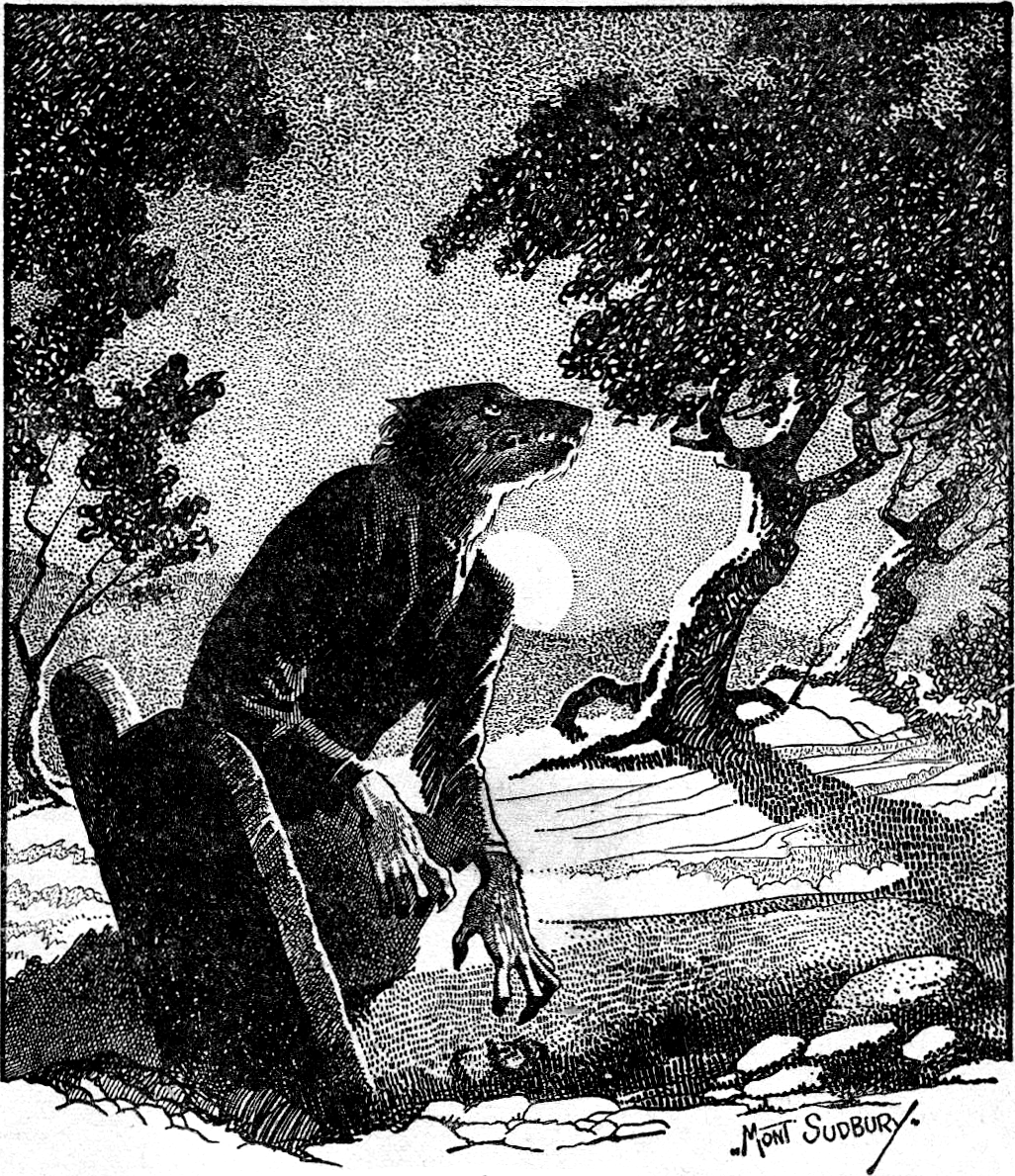 🇫🇷 France and 5 moreWerewolf
A mythical shapeshifter that turns into a wolf, central to European witch-hunts and Gothic horror.Being · Cursing and harm · Wonder and entertainment Legendary
🇳🇴 NorwayEsbat
A monthly Wiccan ritual held at the full or new moon for worship and community.Rite · Speaking with spirits and the dead · Love and attraction Living
🇫🇷 France and 5 moreWerewolf
A mythical shapeshifter that turns into a wolf, central to European witch-hunts and Gothic horror.Being · Cursing and harm · Wonder and entertainment Legendary
🇳🇴 NorwayEsbat
A monthly Wiccan ritual held at the full or new moon for worship and community.Rite · Speaking with spirits and the dead · Love and attraction Living