
Lady of the Lake
In its own language: Dame du Lac
from French Dame du Lac, meaning lady of the lake
A water spirit who raises knights and captures wizards in Arthurian tales
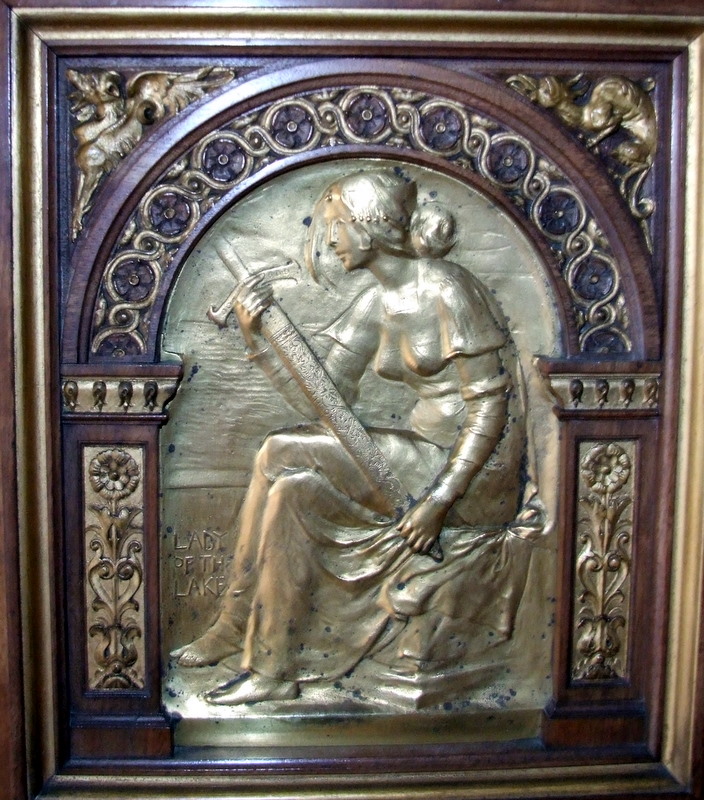
The Lady of the Lake is a title for enchantresses in medieval British legends. She acts as a guardian to Lancelot and the captor of Merlin.
- She raises Lancelot in an enchanted lake realm.
- She traps Merlin after he teaches her all his secrets.
- She gives Arthur the sword Excalibur.
- Her name varies between Viviane, Nimue, and Niniane.
- She may have evolved from the figure of Morgan le Fay.
What it is
This figure appears in the Matter of Britain, a collection of medieval stories about King Arthur. She is an enchantress who may be a fairy or a human with magical powers. Her roles include giving Arthur his famous sword, raising Lancelot, and helping Arthur reach Avalon after his final battle. Different texts treat her as one person or many distinct characters.
Where it comes from
Scholars trace her roots to various myths. Some link her name to Welsh words for wanderers or otherworldly women like Rhiannon. Others see parallels with Greek figures such as Thetis, who also raised heroes and provided weapons. The character likely evolved from earlier Celtic water spirits and merged with Morgan le Fay in early versions before splitting into separate roles.
How it is done
She lives in an enchanted realm that looks like a lake. She uses magic rings to protect allies and shields to heal minds. In some tales, she traps Merlin by demanding he teach her all his secrets before she accepts his love. After learning them, she confines him away.
Tools and materials
Her main tools are magical items like protective rings and enchanted shields. She often wears white, which marks her as a faery woman. She provides Lancelot with white armor and teaches him martial arts and writing.
Lady of the Lake, drawn and placed
- Living
- Revived
- Fading
- Historical
- Legendary
- Performed
- Lineage
- Matter of Britain
What it is for
She serves as a foster mother to Lancelot, ensuring he becomes a great knight. She also aids Queen Guinevere against Morgan le Fay. In other contexts, she seeks knowledge from Merlin, using his desire for her to gain power over him.
Who does it
No living practitioners perform rituals for this figure. She exists only in literature and folklore. Scholars study her evolution from Morgan le Fay and her connections to older Celtic deities and Greek myths.
Peoples and places
The character originates in French romances but became central to British Arthurian legend. Writers like Chrétien de Troyes and Thomas Malory shaped her story. Variations appear in Spanish and English texts, showing how different cultures adapted the myth.
At a glance: who, where and when
Belief worlds


What people believe
She belongs to a world where fairies and humans interact. Her realm is hidden behind illusions of water. She represents the power of nature and magic over human affairs, often acting as a guardian or a trap for powerful wizards.
When it is done
Her story does not tie to specific festivals or calendar days. It unfolds within the narrative timeline of Arthur’s life, from Lancelot’s infancy to Arthur’s death.
How scholars and sceptics see it
Researchers note her split from Morgan le Fay and her possible links to goddesses like Coventina or Diana. They analyze name variations like Viviane and Nimue to track how scribes changed the character over centuries.
Cautions and what is closed
None reported.
Compare and confuse
She is sometimes confused with Morgan le Fay, from whom she may have originated. Other water spirits like the Gwragedd Annwn or Thetis share similar traits, such as raising heroes or providing magical gifts.
Questions people ask about Lady of the Lake
Who is the Lady of the Lake?
She is an enchantress in Arthurian legend who acts as a fairy guardian. She raises Lancelot, helps Arthur, and captures Merlin.
Where does she come from?
She appears in medieval French romances and British legends. Her origins may link to Celtic water spirits and Greek myths like Thetis.
What are her other names?
She is known as Viviane, Nimue, Niniane, and Elaine. These names vary across different manuscripts and translations.
Good reading and sources
- Rediscovered Medieval Manuscript Offers New Twist on Arthurian LegendSmithsonian Magazine, Article
- BBC OneBBC, Article
- Lady of the Lake on WikipediaEncyclopedia
- More photos on Wikimedia CommonsPhotos and video
- Wikidata recordOpen data
The facts on this page come from the Wikipedia article "Lady of the Lake", written by its contributors and used under the CC BY-SA 4.0 licence, and from its Wikidata record (CC0). EveryJaadu rewrote the text in its own words, with AI assistance, and compares every page with the article to make sure no passage is copied. It may be reused under the same CC BY-SA 4.0 licence with a link back.
It may contain mistakes. Names and customs differ from one community to the next, and some knowledge is closed to outsiders and left out here. This page describes belief and practice. It does not say that any of it works, it is not a how-to, and it is not medical advice. If something is wrong, tell us. Last refreshed 2026-10-05.
More from France
All the entries from France 🇬🇧 United Kingdom and 2 moreKing ArthurBrenin Arthur
A legendary British king and folk hero of medieval literature and Welsh mythologyFigure · Power and authority · Wonder and entertainment Legendary
🇬🇧 United Kingdom and 2 moreKing ArthurBrenin Arthur
A legendary British king and folk hero of medieval literature and Welsh mythologyFigure · Power and authority · Wonder and entertainment Legendary
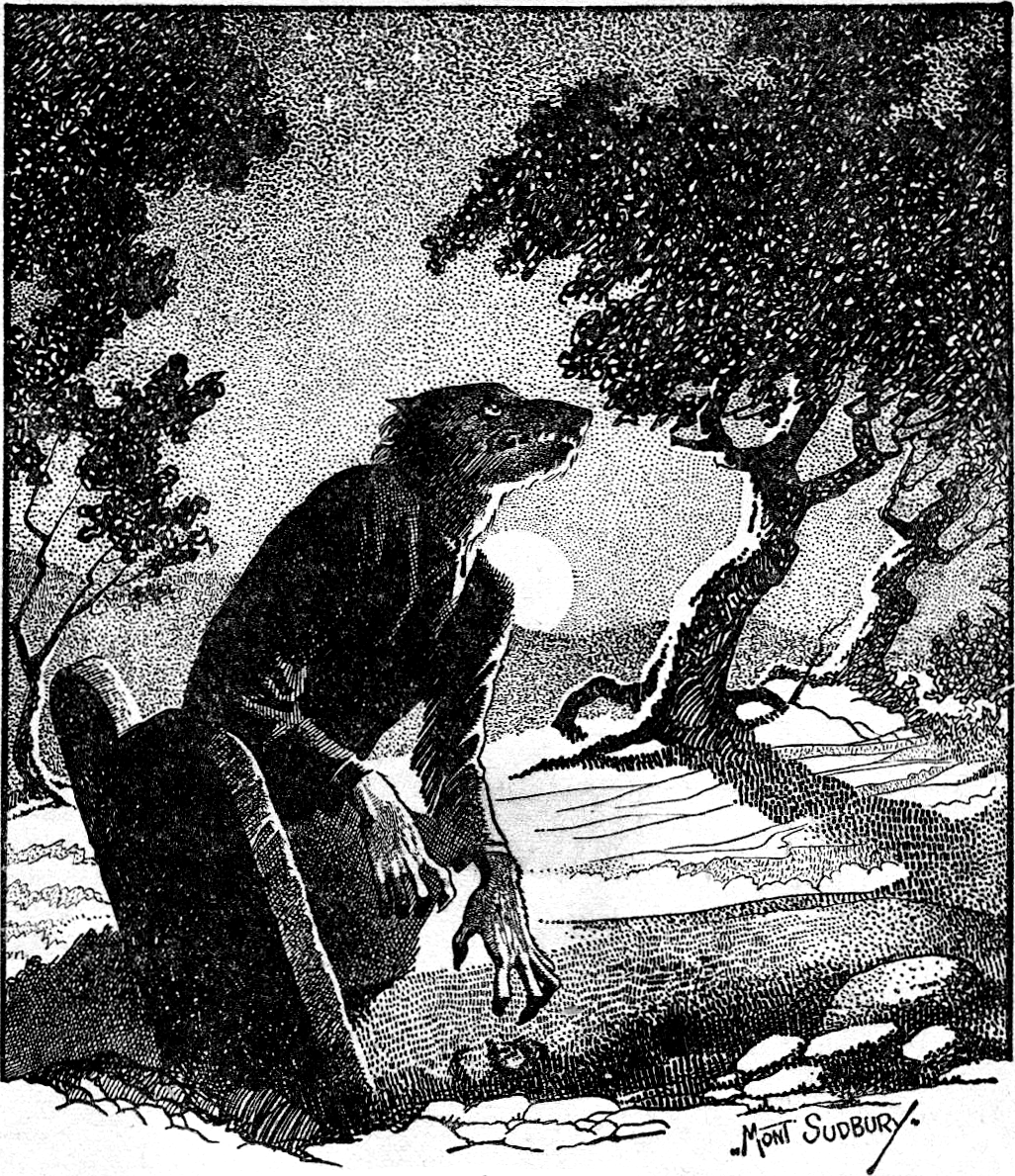 🇫🇷 France and 5 moreWerewolf
A mythical shapeshifter that turns into a wolf, central to European witch-hunts and Gothic horror.Being · Cursing and harm · Wonder and entertainment Legendary
🇫🇷 France and 5 moreWerewolf
A mythical shapeshifter that turns into a wolf, central to European witch-hunts and Gothic horror.Being · Cursing and harm · Wonder and entertainment Legendary
 🇫🇷 FranceHoly GrailSaint Graal
A cup or stone from Arthurian tales that grants healing and eternal lifeFigure · Healing · Luck and prosperity Legendary
🇬🇧 United Kingdom and 1 moreSamuel Liddell MacGregor Mathers
British occultist and co-founder of the Hermetic Order of the Golden DawnFigure Historical
🇫🇷 FranceHoly GrailSaint Graal
A cup or stone from Arthurian tales that grants healing and eternal lifeFigure · Healing · Luck and prosperity Legendary
🇬🇧 United Kingdom and 1 moreSamuel Liddell MacGregor Mathers
British occultist and co-founder of the Hermetic Order of the Golden DawnFigure Historical
Related elsewhere
All figure 🇹🇷 Turkey and 5 moreEvil eye
A curse caused by an envious look and the charms used to block itBelief · Protection · Cursing and harm Living
🇹🇷 Turkey and 5 moreEvil eye
A curse caused by an envious look and the charms used to block itBelief · Protection · Cursing and harm Living
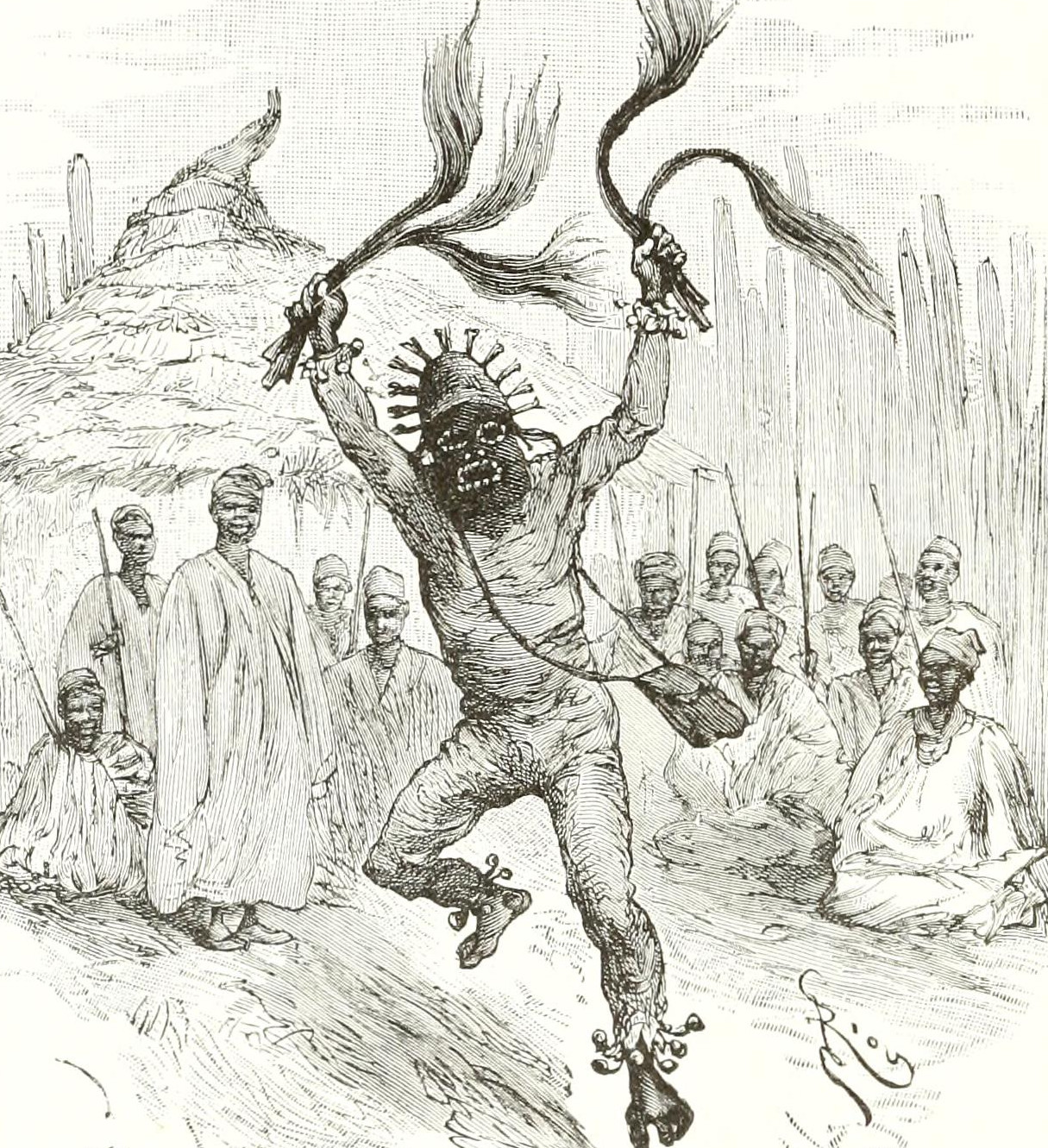 🇺🇸 United States and 2 moreLouisiana Voodoo
An African diasporic religion practiced in Louisiana from the 18th to early 20th centuriesTradition · Healing · Protection Historical
🇺🇸 United States and 2 moreLouisiana Voodoo
An African diasporic religion practiced in Louisiana from the 18th to early 20th centuriesTradition · Healing · Protection Historical
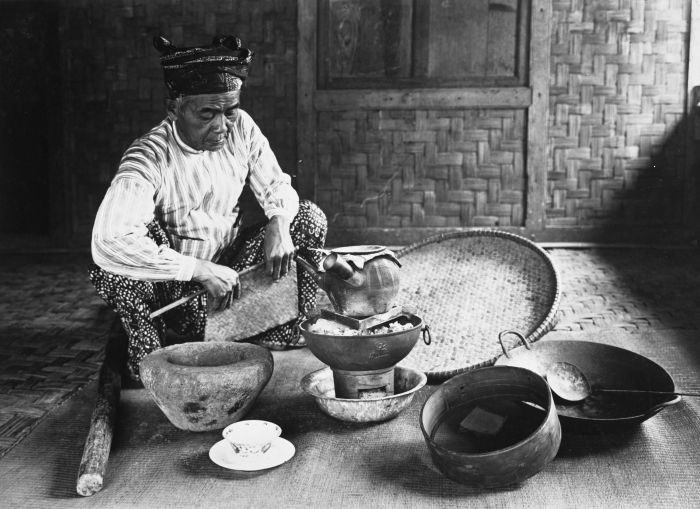 🇮🇩 Indonesia and 2 moreDukun
A traditional healer and spirit medium in Indonesian folk practiceTradition · Healing · Seeing and foretelling Living
🇮🇩 Indonesia and 2 moreDukun
A traditional healer and spirit medium in Indonesian folk practiceTradition · Healing · Seeing and foretelling Living
 🇮🇷 Iran and 1 moreJinnجِنّ
Supernatural beings in Islamic and pre-Islamic Arabian belief, created from smokeless fire.Being · Protection · Cursing and harm Living
🇮🇷 Iran and 1 moreJinnجِنّ
Supernatural beings in Islamic and pre-Islamic Arabian belief, created from smokeless fire.Being · Protection · Cursing and harm Living