Nachzehrer
from German nach, after, and zehren, to consume
A German revenant believed to consume the living from beyond the grave
The nachzehrer is a type of undead figure in German folklore that returns from the dead to drain the life-force of the living. It was prominent in northern Germany and parts of Poland, often linked to recent burials and epidemic sickness.
- Literal translation is 'after-consumer' or 'night-consumer'
- Prominent in northern Germany, Silesia, and Bavaria
- Drains life-force remotely or consumes burial shrouds
- Signs include open eyes, red lips, and soft corpse
- Similar to Slavic vampire and Kashube folklore
What it is
The nachzehrer is a creature from German folklore classified as a Wiedergänger, or revenant. It is an undead being that returns from the grave to harm the living. The name literally means 'after-consumer' or 'night-consumer'. Unlike some vampires that feed on blood, this entity is believed to drain the life-force of its victims remotely. It can also physically consume the funeral shrouds or clothing left with the deceased. The creature is often described as a recently dead person who has not fully passed on.
Where it comes from
The term nachzehrer entered usage in the nineteenth century. However, the belief in the creature it describes existed for several centuries before that. The concept was prominent in the northern regions of Germany, as well as in Silesia and Bavaria. A similar creature was identified among the Kashubes of Northern Poland. The idea shares similarities with Slavic vampire traditions, focusing on the return of the dead to attack family and village acquaintances.
How it is done
The nachzehrer is said to attack by draining the life-force of the living. This process can occur remotely without physical contact. The creature may also devour the burial garments of the deceased. Danger increases if the living have provided grave goods or personal possessions to the dead. If a person's name remains on their burial clothing, they are considered a candidate for becoming a nachzehrer. The entity does not require an epidemic to exist, though it is associated with such events.
Tools and materials
Funeral shrouds and burial clothing are central to the lore. These items serve as a link between the dead and the living. The presence of these garments allows the nachzehrer to consume them and thereby affect the living. Grave goods and personal possessions given to the deceased also act as conduits. The removal of names from clothing is seen as a preventative measure against the transformation into this undead form.
Nachzehrer, drawn and placed
- Living
- Revived
- Fading
- Historical
- Legendary
- Performed
- Lineage
- Germanic folklore
What it is for
The nachzehrer is feared for its ability to drag the living into death. Attacks may stem from malice or a desire to be closer to loved ones. The creature targets family members and village acquaintances. It is associated with epidemic sickness, suggesting a role in community health crises. The fear of the nachzehrer reflects anxieties about death, burial practices, and the boundary between the living and the dead.
Who does it
Scholars study the nachzehrer as part of Germanic folklore and myth. There are no living practitioners who perform rituals to create or control these beings. The concept belongs to historical belief systems rather than active magical practice. Researchers analyze the signs and behaviors attributed to the creature to understand past cultural fears and burial customs.
Peoples and places
The nachzehrer is primarily found in German folklore, especially in the north, Silesia, and Bavaria. The Kashubes of Northern Poland have a similar creature. The concept aligns with broader European ideas of revenants and vampires. Different regions may emphasize different aspects of the creature's behavior or appearance. The shared features highlight common fears across Central European cultures regarding the dead.
At a glance: who, where and when
Belief worlds
What people believe
The worldview behind the nachzehrer involves a fragile boundary between life and death. The dead are believed to retain a connection to the living through objects and names. Signs like open eyes, red lips, or a soft corpse indicate a failed transition to the afterlife. Holding the thumb in the opposite hand is another specific sign. The belief system emphasizes the power of the dead to influence the living through spiritual consumption.
When it is done
There are no specific festivals or calendar days tied to the nachzehrer. The creature is associated with death and burial, which can occur at any time. Its appearance is linked to epidemic sickness, which might happen seasonally but is not fixed to a holiday. The focus is on individual deaths and the subsequent handling of the body rather than communal celebrations.
How scholars and sceptics see it
Anthropologists and historians view the nachzehrer as a reflection of pre-modern attitudes toward death. The creature explains unexplained illnesses and deaths in communities. Scholars note the emphasis on burial practices, such as removing names or destroying shrouds, as attempts to prevent the revenant's return. The concept is compared to other undead types like the draugr and ghoul to trace cultural connections.
Cautions and what is closed
Historical accounts suggest that suspicion of a nachzehrer could lead to disturbing graves. Communities might examine corpses for the listed signs, such as softness or unusual posture. This practice reflects a desperate attempt to protect the living from disease and death. There is no evidence of modern fraud or legal issues related to the creature, as it is a matter of folklore.
Compare and confuse
The nachzehrer is similar to the Slavic vampire and the Norse draugr. All are undead beings that threaten the living. The term Wiedergänger is a broader category that includes the nachzehrer. In English folklore, the revenant serves a similar function. The creature differs from blood-drinking vampires by focusing on life-force drainage and clothing consumption.
Questions people ask about Nachzehrer
What is a nachzehrer?
It is a type of undead revenant in German folklore that returns from the grave to drain the life-force of the living or consume their burial clothes.
Where does the word come from?
The word comes from German nach (after) and zehren (to consume), meaning 'after-consumer' or 'night-consumer'.
How does it kill people?
It is believed to drain the life-force of victims remotely, or by eating the funeral shrouds and clothing left with the deceased.
What are the signs of a nachzehrer?
Signs include open eyes or mouth, red lips, a soft corpse, and the corpse holding its thumb in the opposite hand.
Is it related to vampires?
Yes, it is similar to the Slavic vampire and is a type of Wiedergänger, focusing on returning from the dead to attack family and acquaintances.
Good reading and sources
The facts on this page come from the Wikipedia article "Nachzehrer", written by its contributors and used under the CC BY-SA 4.0 licence, and from its Wikidata record (CC0). EveryJaadu rewrote the text in its own words, with AI assistance, and compares every page with the article to make sure no passage is copied. It may be reused under the same CC BY-SA 4.0 licence with a link back.
It may contain mistakes. Names and customs differ from one community to the next, and some knowledge is closed to outsiders and left out here. This page describes belief and practice. It does not say that any of it works, it is not a how-to, and it is not medical advice. If something is wrong, tell us. Last refreshed 2026-10-05.
More from Germany
All the entries from Germany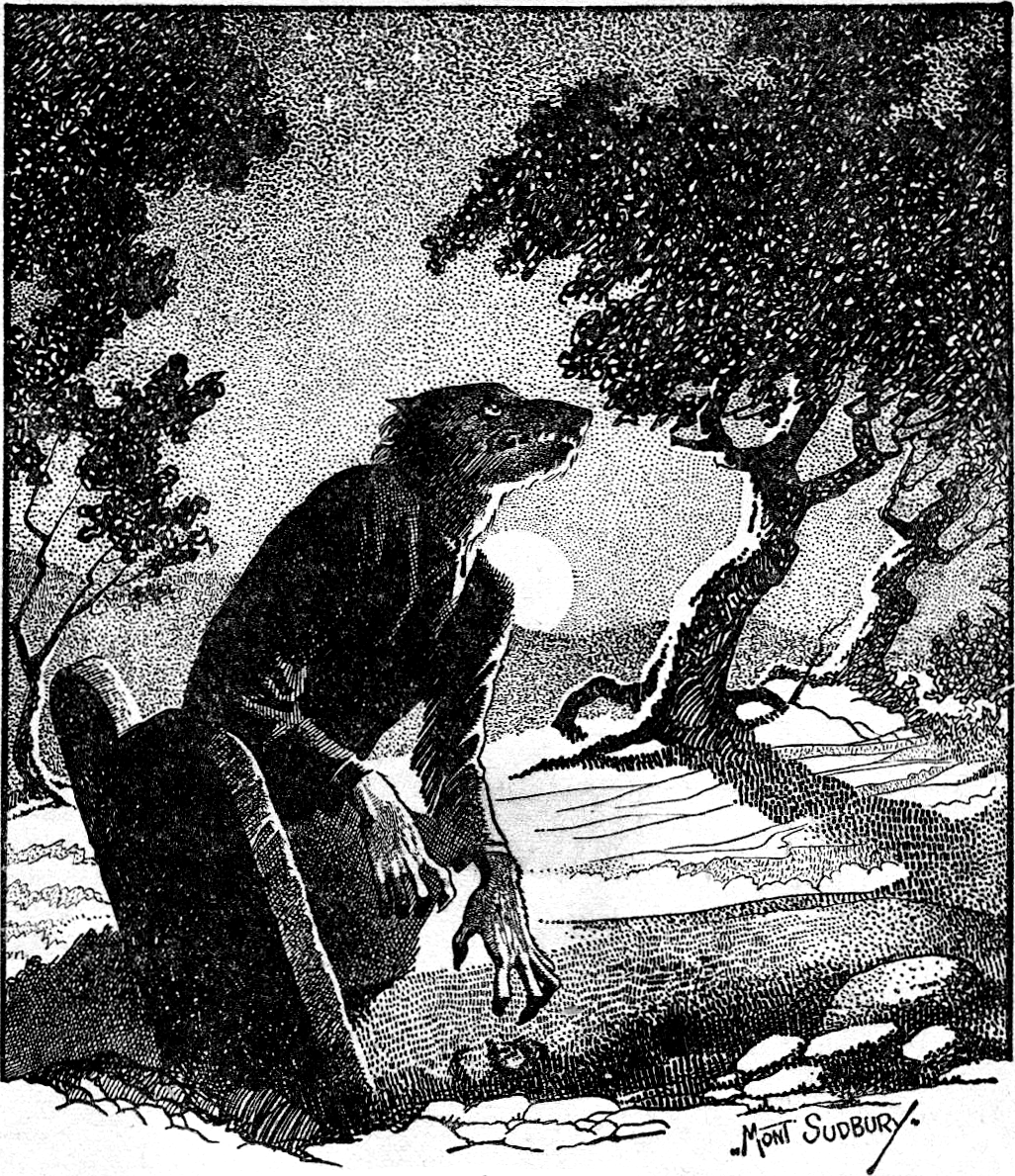 🇫🇷 France and 5 moreWerewolf
A mythical shapeshifter that turns into a wolf, central to European witch-hunts and Gothic horror.Being · Cursing and harm · Wonder and entertainment Legendary
🇫🇷 France and 5 moreWerewolf
A mythical shapeshifter that turns into a wolf, central to European witch-hunts and Gothic horror.Being · Cursing and harm · Wonder and entertainment Legendary
 🇷🇺 Russia and 4 moreLady MiddayPoludnitsa
A Slavic noon spirit who watches over fields and punishes those who work during the hottest hours.Being · Cursing and harm · Protection Historical
🇷🇺 Russia and 4 moreLady MiddayPoludnitsa
A Slavic noon spirit who watches over fields and punishes those who work during the hottest hours.Being · Cursing and harm · Protection Historical
 🇩🇪 GermanyAlp
A Germanic spirit that presses on sleepers and drinks milkBeing · Cursing and harm · Luck and prosperity Historical
🇩🇪 GermanyAlp
A Germanic spirit that presses on sleepers and drinks milkBeing · Cursing and harm · Luck and prosperity Historical
 🇩🇪 Germany and 3 moreMare
A spirit that sits on sleepers to cause nightmares and physical distressBeing · Cursing and harm Historical
🇩🇪 Germany and 3 moreMare
A spirit that sits on sleepers to cause nightmares and physical distressBeing · Cursing and harm Historical
Related elsewhere
All being 🇪🇬 Egypt and 1 moreLilithלִילִית
A feminine figure from Mesopotamian and Jewish mythology, often depicted as a night demon or spirit.Being · Cursing and harm Legendary
🇪🇬 Egypt and 1 moreLilithלִילִית
A feminine figure from Mesopotamian and Jewish mythology, often depicted as a night demon or spirit.Being · Cursing and harm Legendary
 🇪🇬 EgyptCurse
A spoken wish for misfortune to befall a person or placeBelief · Cursing and harm · Luck and prosperity Historical
🇪🇬 EgyptCurse
A spoken wish for misfortune to befall a person or placeBelief · Cursing and harm · Luck and prosperity Historical
 🇮🇩 IndonesiaNyi Roro KidulRatu Laut Selatan
The spirit queen of Java's southern coast and guardian of the Indian OceanBeing · Protection · Cursing and harm Living
🇮🇩 IndonesiaNyi Roro KidulRatu Laut Selatan
The spirit queen of Java's southern coast and guardian of the Indian OceanBeing · Protection · Cursing and harm Living
 🇮🇳 India and 5 moreHoliहोली
A Hindu spring festival marked by coloured powders and bonfires to celebrate love and virtue.Tradition · Love and attraction · Cursing and harm Living
🇮🇳 India and 5 moreHoliहोली
A Hindu spring festival marked by coloured powders and bonfires to celebrate love and virtue.Tradition · Love and attraction · Cursing and harm Living