Mae Nak Phra Khanong
In its own language: แม่นากพระโขนง
from Thai Mae Nak Phra Khanong, meaning Lady Nak of Phra Khanong
A Thai ghost of a woman who died in childbirth and her shrine for protection and fertility
Mae Nak Phra Khanong is a famous spirit in Thai folklore who died during childbirth but remained with her husband. Devotees visit her shrine at Wat Mahabut in Bangkok to ask for help with easy births or military exemption.
- Shrine at Wat Mahabut offers protection for childbirth
- Legend dates to reign of King Rama IV
- Spirit trapped in earthen jar by a monk
- Waistband relic held by Thai royal family
- Over twenty films retell the story since 1959
What it is
Mae Nak Phra Khanong is a well-known ghost in Thai culture. The legend says she was a beautiful woman named Nak who lived near the Phra Khanong Canal. She had a deep love for her husband, Mak. When Mak was sent to war, Nak died while giving birth to their child. Her spirit stayed behind, believing he would return. This story is part of Thai folk mythology and is set in the time of King Rama IV.
Where it comes from
The tale is believed to be based on real events from the 19th century. A historian found a newspaper article claiming the story came from a woman named Amdaeng Nak. Her son may have created the ghost story to stop his father from remarrying. He dressed as a woman to scare people. Other versions say a monk captured her spirit in an earthen jar or bound it to his waistband.
How it is done
People do not perform rituals to summon her. Instead, they visit her shrine to make offerings. Devotees leave lengths of coloured cloth wrapped around trees. They also bring fruit, lotus flowers, and incense. Some release live fish into the canal. Women often pray for safe delivery or for their husbands to avoid army service.
Tools and materials
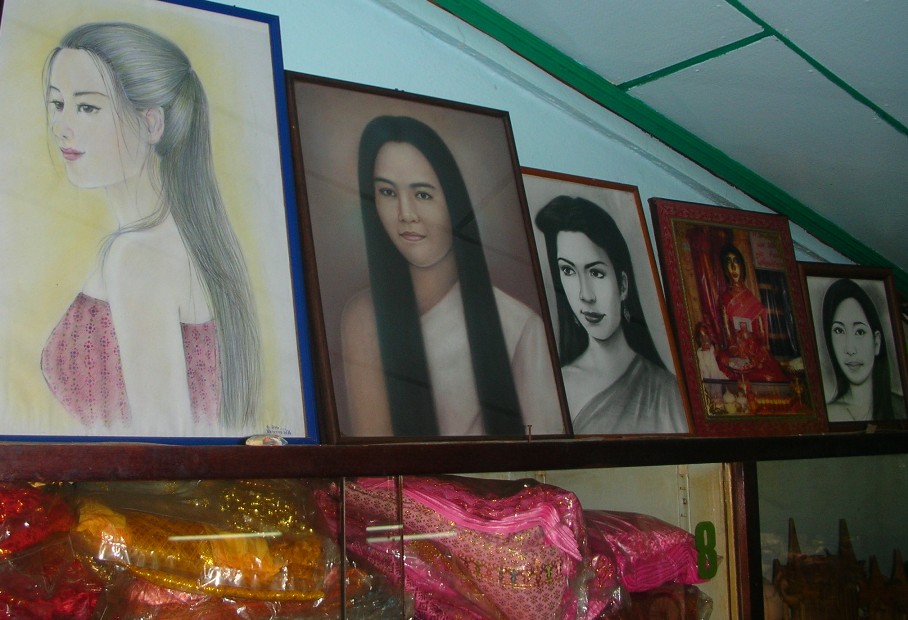
Offerings include fine dresses displayed in the inner sanctum. Toys are left for her imagined child. Portraits of the spirit are kept nearby. Sticks of incense are burned. Fish bought from market stalls are freed in the water. These items show respect and ask for her attention.
Mae Nak Phra Khanong, drawn and placed
- Living
- Revived
- Fading
- Historical
- Legendary
- Performed
- Lineage
- Thai folk mythology
- Timing
- at birth and during crises
What it is for
Devotees seek her help for specific needs. Many women ask for easy childbirth. Others pray for their husbands to be exempted from military conscription. The spirit is seen as a protective mother figure. Her undying love inspires people across all ages.
Who does it
Ordinary households visit the shrine. No special training is needed to make an offering. Both men and women seek her aid. Women focus on childbirth safety. Men often ask for protection from war duties. The shrine is open to everyone in the community.
Peoples and places
The legend belongs to Thai culture. It is most popular in the Phra Khanong area of Bangkok. The shrine moved to Suan Luang district in 1997. Stories spread through films and books. People in other regions know the tale too. It remains a key part of local identity.
At a glance: who, where and when
Who does it
Peoples
Belief worlds


What people believe
Ghosts are part of Thai spiritual life. Holy ground like temples keeps spirits away. Sticky leaves frighten ghosts. Monks can capture spirits using magic jars or bone relics. The spirit follows rules of attachment and grief. She cannot enter sacred spaces. Her power comes from strong emotion.
When it is done
Visits happen whenever someone has a need. Births are a common reason for prayer. Crises involving family or duty also draw people. There are no fixed festival days. Offerings are made daily at the shrine. The site stays active year-round.
How scholars and sceptics see it
Historians study the story's roots. One researcher linked it to a newspaper report from 1899. The report suggested a son invented the ghost tale. Scholars look at how the story changed over time. Films and media keep it alive. The tale reflects social fears about marriage and inheritance.
Cautions and what is closed
The spirit can become angry if disturbed. In the legend, she terrorised neighbours when Mak left. Monks had to trap her to stop the fear. Modern visitors face no danger. The shrine is a peaceful place. Stories warn against disrespecting the dead.
Compare and confuse
She is similar to other tragic female ghosts. La Llorona searches for lost children. Kuntilanak dies in childbirth. Oiwa returns after betrayal. White ladies appear in rural areas. All share themes of loss and devotion.
Law and persecution
The shrine sits on temple land. It is protected by religious authorities. No laws ban visits or offerings. The relic of her spirit is held by royalty. The government supports cultural heritage sites. Pilgrims follow temple rules.
Today
The story lives on through many films. Over twenty movies retell her tale. Operas and musicals also feature her. Video games use her image. New adaptations continue to appear. The shrine remains busy with devotees. Tourism brings visitors from abroad.
Questions people ask about Mae Nak Phra Khanong
Who is Mae Nak Phra Khanong?
She is a famous Thai ghost who died in childbirth. Folklore says she stayed with her husband out of love. People visit her shrine to ask for help with births or military service.
Where is her shrine located?
The main shrine is at Wat Mahabut in Bangkok. It moved to Suan Luang district in 1997. Offerings are also made at the Phra Khanong Canal.
What offerings do people leave?
Devotees leave cloth, fruit, lotuses, and incense. Toys are given for her child. Live fish are released into the canal. Dresses are displayed in the inner sanctum.
Why do people pray to her?
Women ask for safe childbirth. Men pray for husbands to avoid army conscription. Her story of devotion inspires trust in her protective power.
Is the story based on real events?
Folklore links it to King Rama IV's reign. A historian found a 1899 article suggesting a son invented the tale. Versions vary on whether she was a real person.
Good reading and sources
- Mae Nak Phra Khanong on WikipediaEncyclopedia
- More photos on Wikimedia CommonsPhotos and video
- Wikidata recordOpen data
The facts on this page come from the Wikipedia article "Mae Nak Phra Khanong", written by its contributors and used under the CC BY-SA 4.0 licence, and from its Wikidata record (CC0). EveryJaadu rewrote the text in its own words, with AI assistance, and compares every page with the article to make sure no passage is copied. It may be reused under the same CC BY-SA 4.0 licence with a link back.
It may contain mistakes. Names and customs differ from one community to the next, and some knowledge is closed to outsiders and left out here. This page describes belief and practice. It does not say that any of it works, it is not a how-to, and it is not medical advice. If something is wrong, tell us. Last refreshed 2026-10-06.
More from Thailand
All the entries from Thailand 🇲🇾 Malaysia and 5 morePenanggalan
A floating head with trailing organs from Malay folklore, said to hunt pregnant women and newborns.Being · Cursing and harm Legendary
🇮🇩 Indonesia and 3 moreToyoltuyul
An undead infant spirit in Southeast Asian folklore, invoked for theft and fortune.Being · Luck and prosperity · Cursing and harm Living
🇲🇾 Malaysia and 5 morePenanggalan
A floating head with trailing organs from Malay folklore, said to hunt pregnant women and newborns.Being · Cursing and harm Legendary
🇮🇩 Indonesia and 3 moreToyoltuyul
An undead infant spirit in Southeast Asian folklore, invoked for theft and fortune.Being · Luck and prosperity · Cursing and harm Living
 🇹🇭 Thailand and 5 moreKrasueกระสือ
A floating head with trailing organs from Southeast Asian folkloreBeing · Cursing and harm Living
🇹🇭 Thailand and 5 moreKrasueกระสือ
A floating head with trailing organs from Southeast Asian folkloreBeing · Cursing and harm Living
 🇹🇭 Thailand and 1 moreNang Taniนางตานี
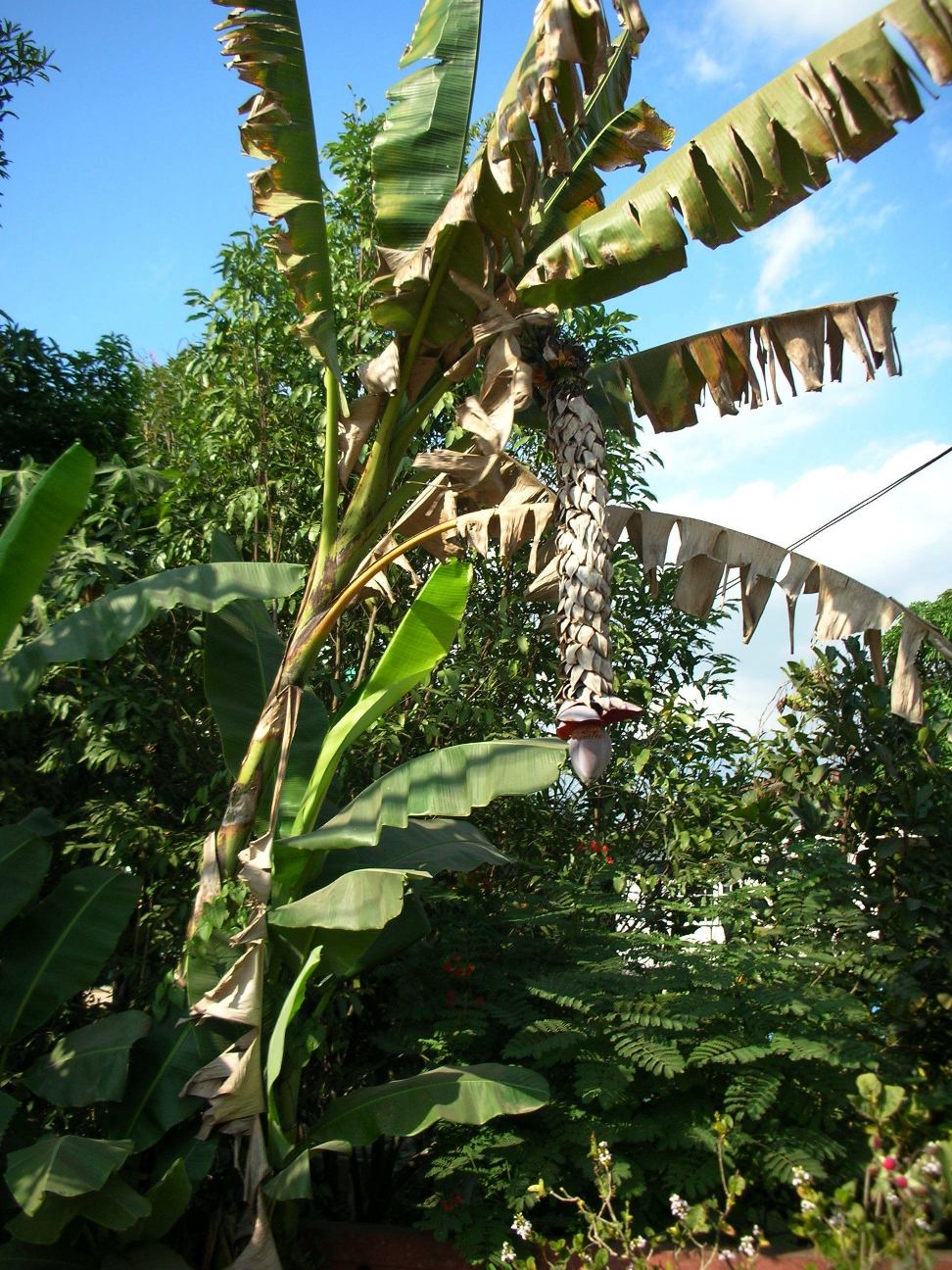
A female spirit said to inhabit wild banana trees in Southeast Asian folklore.Being · Protection · Luck and prosperity Living
🇹🇭 Thailand and 1 moreNang Taniนางตานี
A female spirit said to inhabit wild banana trees in Southeast Asian folklore.Being · Protection · Luck and prosperity Living
Related elsewhere
All being 🇸🇳 Senegal and 1 moreSerer religionA ƭat Roog
The traditional faith of the Serer people, centred on the supreme deity Roog and ancestral veneration.Tradition · Protection · Speaking with spirits and the dead Living
🇸🇳 Senegal and 1 moreSerer religionA ƭat Roog
The traditional faith of the Serer people, centred on the supreme deity Roog and ancestral veneration.Tradition · Protection · Speaking with spirits and the dead Living
 🇨🇳 China and 5 moreGuanyin觀音 (Guānyīn)
The Bodhisattva of compassion, worshipped across East Asia as a listener to human sufferingBeing · Protection · Healing Living
🇨🇳 China and 5 moreGuanyin觀音 (Guānyīn)
The Bodhisattva of compassion, worshipped across East Asia as a listener to human sufferingBeing · Protection · Healing Living
 🇺🇸 United StatesFolk healer
An unlicensed community member who provides healing care using local plants and traditional knowledge.Tradition · Healing · Protection Historical
🇺🇸 United StatesFolk healer
An unlicensed community member who provides healing care using local plants and traditional knowledge.Tradition · Healing · Protection Historical
 🇰🇪 Kenya and 1 moreMaasai religion
The spiritual beliefs of the semi-nomadic Maasai people of East AfricaTradition · Protection · Healing Living
🇰🇪 Kenya and 1 moreMaasai religion
The spiritual beliefs of the semi-nomadic Maasai people of East AfricaTradition · Protection · Healing Living