
Kodama
In its own language: 木霊
from the Japanese word for echo or spirit
A tree spirit in Japanese folklore that brings misfortune if the host tree is harmed
Kodama are spirits of trees in Japanese folklore. They inhabit old trees and can cause curses or misfortune if their home is cut down. The belief persists in parts of Japan where specific trees are protected.
- Kodama are tree spirits in Japanese folklore
- Cutting their tree brings curses and misfortune
- They can appear as humans, beasts or lights
- Okinawa calls them kiinushii
- Shimenawa ropes mark their homes today
What it is
Kodama are spirits in Japanese folklore that live inside trees. The name also refers to the tree itself. These spirits are said to move quickly through mountains. They look like normal trees but hold supernatural power. Cutting down a kodama tree brings bad luck. Some stories say the tree bleeds when cut. The spirits can leave the wood to take human or beast form. They are linked to mountain gods and yōkai monsters. People believe they can appear as ghost lights or animals.
Where it comes from
The concept appears in early Japanese texts. The Kojiki from 712 CE mentions a tree god interpreted as a kodama. The Heian period dictionary Wamyō Ruijushō lists tree gods under this name. The Tale of Genji compares them to foxes and demons. The 13th century Reikiki manual describes them living in deep mountains. Toriyama Sekien’s Gazu Hyakki Yagyō depicts them as old humans near trees.
How it is done
Locals identify trees with kodama by species or age. Elders pass this knowledge down through generations. Communities protect these trees from being cut. In some islands, shrines are built at the base of large trees. People offer festivals before cutting any wood. Prayers are made to the spirit first. Shimenawa ropes mark protected trees today. This practice avoids angering the spirit and preventing curses.
Tools and materials
Shimenawa ropes mark sacred trees. Large Cryptomeria trees serve as homes. Shrines are placed at the tree base. Offerings are made during festivals. The tools are simple markers and ritual items. They signal respect for the spirit inside. No complex instruments are used. The focus is on the tree itself and the rope.
Kodama, drawn and placed
- Living
- Revived
- Fading
- Historical
- Legendary
- Performed
- Lineage
- Japanese folklore
- Timing
- when a tree is cut
What it is for
People avoid harming kodama trees to prevent misfortune. Curses are feared if the spirit is disturbed. The practice protects the forest and elders' wisdom. It maintains harmony with nature spirits. Locals seek safety from supernatural harm. The belief ensures old trees remain standing. It preserves cultural memory of the land.
Who does it
Ordinary households and village elders manage the belief. Knowledge is passed orally through families. Elders identify which trees hold spirits. Local communities enforce protection rules. Women and men both participate in rituals. The practice requires no special training. It relies on community agreement and tradition. Everyone respects the marked trees.
Peoples and places
The belief is widespread in Japan. On Okinawa, tree spirits are called kiinushii. Cutting trees there requires prayers to the spirit. Echoes at night are seen as their voices. In the Izu Islands, shrines honor kodama-sama. Mitsune village holds festivals for cut trees. These regional variations show local adaptations. All share the core fear of disturbing the spirit.
At a glance: who, where and when
Who does it
Peoples
Belief worlds
Occasions
What people believe
Spirits dwell in trees over a hundred years old. They can speak and appear to humans. Death is sometimes linked to their voices. They are close to yōkai and kami. The worldview sees nature as alive. Trees are not just wood but hosts. Harm to the tree harms the spirit. Respect ensures safety and balance.
When it is done
Festivals occur when trees are cut. Shrines are visited for protection. No fixed annual dates are mentioned. Events happen during crises or logging. Elders guide the timing based on need. The practice follows life events and work. It is reactive rather than scheduled.
How scholars and sceptics see it
Texts link kodama to mountain gods. Scholars note connections to yōkai lore. The Reikiki manual provides historical context. Modern views see it as folk religion. Anthropologists study the tree protection aspect. The belief reflects animism in Japan. Researchers analyze the literary references. They trace the evolution from ancient texts.
Cautions and what is closed
Cutting a kodama tree causes curses. Misfortune follows the offender. Bleeding trees are a reported sign. Spirits can take harmful forms. The belief enforces strict conservation. Violating the taboo brings spiritual danger. No physical weapons are involved. The risk is purely supernatural.
Compare and confuse
Kiinushii on Okinawa are similar tree spirits. Kijimuna may be personifications of them. Yamabiko echoes are attributed to kodama. Other cultures have tree guardians. The Japanese view is distinct in its focus on echoes. The connection to yōkai sets it apart. It shares traits with general animism.
Law and persecution
No specific laws are mentioned. Protection comes from custom and fear. Communities enforce the rules locally. Modern times see continued reverence. Marked trees are left alone. The belief survives without legal backing. It relies on social pressure and tradition.
Today
Trees are marked with shimenawa ropes. Misfortune is still feared from cutting them. Elders continue to share knowledge. Shrines remain in some villages. The belief adapts to modern forestry. It persists as a cultural habit. Younger generations learn the stories.
Questions people ask about Kodama
What is a kodama?
A kodama is a tree spirit in Japanese folklore. It lives inside old trees. The name also means the tree itself. It is part of Japanese animism and yōkai culture.
What happens if you cut a kodama tree?
It is believed to bring a curse. The tree might bleed. Misfortune follows the cutter. People mark these trees with ropes to protect them.
Where does the word come from?
It comes from Japanese words for echo or spirit. It links to sounds in mountains. The term appears in ancient texts like the Kojiki.
Are kodama dangerous?
They cause harm if mistreated. They can take human or beast form. They are linked to yōkai. Respect prevents their anger.
Good reading and sources
The facts on this page come from the Wikipedia article "Kodama (spirit)", written by its contributors and used under the CC BY-SA 4.0 licence, and from its Wikidata record (CC0). EveryJaadu rewrote the text in its own words, with AI assistance, and compares every page with the article to make sure no passage is copied. It may be reused under the same CC BY-SA 4.0 licence with a link back.
It may contain mistakes. Names and customs differ from one community to the next, and some knowledge is closed to outsiders and left out here. This page describes belief and practice. It does not say that any of it works, it is not a how-to, and it is not medical advice. If something is wrong, tell us. Last refreshed 2026-10-05.
More from Japan
All the entries from Japan 🇨🇳 China and 3 moreChinese dragon龍
A legendary water deity and imperial symbol in East Asian cultureBeing · Protection · Luck and prosperity Historical
🇨🇳 China and 3 moreChinese dragon龍
A legendary water deity and imperial symbol in East Asian cultureBeing · Protection · Luck and prosperity Historical
 🇯🇵 JapanOni鬼(おに)
A horned demon of Japanese folklore known for strength and evil deedsBeing · Cursing and harm · Luck and prosperity Legendary
🇯🇵 JapanOni鬼(おに)
A horned demon of Japanese folklore known for strength and evil deedsBeing · Cursing and harm · Luck and prosperity Legendary
 🇯🇵 JapanBaku獏
A Japanese spirit said to eat bad dreams and protect sleepersBeing · Protection Living
🇯🇵 JapanKuda-gitsune管狐 (kuda-gitsune)
A small spirit kept in a tube or sleeve to aid fortune-telling and cursing in Japanese folklore.Being · Seeing and foretelling · Cursing and harm Legendary
🇯🇵 JapanBaku獏
A Japanese spirit said to eat bad dreams and protect sleepersBeing · Protection Living
🇯🇵 JapanKuda-gitsune管狐 (kuda-gitsune)
A small spirit kept in a tube or sleeve to aid fortune-telling and cursing in Japanese folklore.Being · Seeing and foretelling · Cursing and harm Legendary
Related elsewhere
All being 🇷🇸 Serbia and 5 moreVampire
An undead creature from folklore that feeds on the blood or life force of the livingBeing · Cursing and harm · Luck and prosperity Legendary
🇷🇸 Serbia and 5 moreVampire
An undead creature from folklore that feeds on the blood or life force of the livingBeing · Cursing and harm · Luck and prosperity Legendary
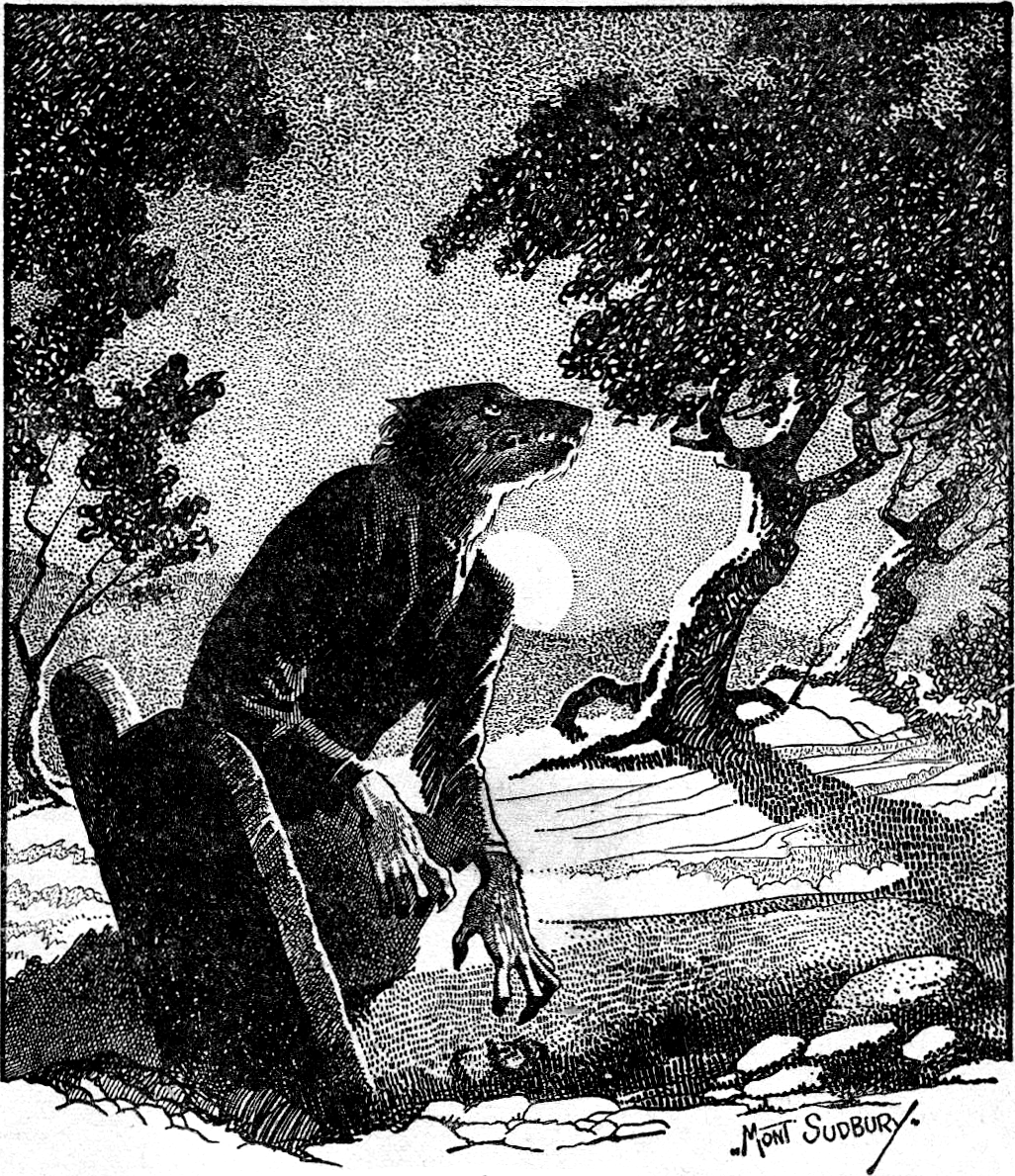 🇫🇷 France and 5 moreWerewolf
A mythical shapeshifter that turns into a wolf, central to European witch-hunts and Gothic horror.Being · Cursing and harm · Wonder and entertainment Legendary
🇫🇷 France and 5 moreWerewolf
A mythical shapeshifter that turns into a wolf, central to European witch-hunts and Gothic horror.Being · Cursing and harm · Wonder and entertainment Legendary
 🇪🇬 Egypt and 1 moreLilithלִילִית
A feminine figure from Mesopotamian and Jewish mythology, often depicted as a night demon or spirit.Being · Cursing and harm Legendary
🇪🇬 Egypt and 1 moreLilithלִילִית
A feminine figure from Mesopotamian and Jewish mythology, often depicted as a night demon or spirit.Being · Cursing and harm Legendary
 🇪🇬 EgyptCurse
A spoken wish for misfortune to befall a person or placeBelief · Cursing and harm · Luck and prosperity Historical
🇪🇬 EgyptCurse
A spoken wish for misfortune to befall a person or placeBelief · Cursing and harm · Luck and prosperity Historical