
Ofuda
In its own language: お札/御札 (ofuda)
from fuda, meaning slip of paper or card
Paper and wooden talismans from Japanese Shinto shrines and Buddhist temples
Ofuda are sacred slips or plaques issued by Japanese Shinto shrines and Buddhist temples. They are believed to hold the power of deities or buddhas and are placed in homes for protection, purification, and spiritual connection.
- Ofuda means slip of paper or card in Japanese
- Jingū Taima contains a sacred cedar sliver inside paper
- Old talismans are burned during Little New Year ceremonies
- Households typically display three specific types of shinsatsu
- Items are received as gifts, with money treated as donations
What it is
An ofuda is a talisman made from paper, wood, cloth, or metal. It is issued by Shinto shrines or Buddhist temples in Japan. The object is considered imbued with the power of the kami or Buddhist figures. People keep them on their person or place them in specific areas of their home. Another similar item is the omamori, which is smaller and portable. The term ofuda refers specifically to the slip or card form, while gofu is an honorific variant.
Where it comes from
The practice traces back to Taoist lingfu introduced via Onmyōdō. Buddhist versions evolved from woodblock prints during the Nara and Heian periods. Medieval Kumano shrines stamped paper with crow designs for oaths. The modern shinsatsu model comes from the Grand Shrines of Ise. Originally, wandering preachers distributed purification wands as proof that prayers were performed for distant devotees. This distribution peaked in the Edo period before state reforms changed production methods.
How it is done
Recipients receive the talisman as a sacred gift rather than buying it. Money given is treated as a donation. In Shinto homes, the ofuda is placed on a kamidana altar facing east, south, or southeast. Worshippers offer rice, salt, water, or sake. Ritual worship involves two bows, two claps, and a final bow. Old talismans are returned to shrines and burned during ceremonies held around January 14 or 15 to mark the end of the New Year season.
Tools and materials
Materials include paper slips called kamifuda and wooden tablets known as kifuda. Specific types feature the shrine's name and seals. The Jingū Taima contains a cedar sliver wrapped in printed paper. Household altars may hold three distinct talismans: one for the local tutelary deity, one for a personally devoted shrine, and the central Jingū Taima. Other variants target specific locations like kitchens or toilets for purification.
Ofuda, drawn and placed
- Living
- Revived
- Fading
- Historical
- Legendary
- Performed
- Lineage
- Shinto and Buddhism in Japan
- Timing
- year-round, replaced annually at New Year
What it is for
Talismans serve to protect against calamity, ensure home safety, or aid in finding love. Shinto shinsatsu act as a medium to access the kami and are revered as containing the deity's essence. Buddhist versions function as economical alternatives to statuary, holding the virtue of buddhas. Specific items purify unclean spaces like toilets or guard doorways against negative forces.
Who does it
Priests and shrine administrators produce and distribute the items. Historically, wandering religious officials guided pilgrims and handed out proofs of prayer. Today, administrative offices handle production. Households maintain the talismans through daily worship and annual replacement. The practice requires keeping the objects clean and pristine, reflecting values of eternal youth and purity within Japanese spirituality.
Peoples and places
The tradition is central to Japanese Shinto and Buddhist practice. Households across Japan maintain these objects in their homes. The Association of Shinto Shrines standardizes distribution nationwide. Different regions may have specific shrine affiliations, but the core practice of displaying protective slips is widespread. Buddhist and Shinto talismans are generally not mixed in the same household altars due to distinct theological boundaries.
At a glance: who, where and when
Peoples
Belief worlds
Occasions


What people believe
The objects are believed to contain the actual essence or power of the deity. They serve as a physical link between the worshiper and the divine realm. Purity is essential; dirty or old items lose their efficacy. The burning ceremony releases the spirit back to the shrine. The arrangement of multiple talismans creates a structured spiritual environment that honors various deities simultaneously within the domestic space.
When it is done
Talismans are available year-round at major shrines and temples. However, they are traditionally replaced annually. The optimal time for replacement is before the end of the year or during the New Year season. The disposal of old items occurs during Little New Year, specifically on January 14 or 15. This timing aligns with the conclusion of the festive period and ensures fresh spiritual protection for the coming year.
Compare and confuse
Omamori are portable amulets sharing the same origin as ofuda. Goshintai are physical objects in shrines that store kami, unlike the accessible nature of home talismans. Taoist lingfu influenced early Japanese paper magic. The practice differs from Western amulets by emphasizing the receipt of sacred power through official temple channels rather than personal crafting.
Today
The Association of Shinto Shrines continues to disseminate talismans to affiliated sites. Production remains centralized for major types like the Jingū Taima. Households actively participate in the annual cycle of receiving and burning these objects. The practice adapts to modern life while maintaining traditional rituals. Commercial availability is restricted to official religious institutions to preserve sanctity.
Rites that involve Ofuda
Questions people ask about Ofuda
What is an ofuda?
It is a talisman made of paper, wood, cloth, or metal. Issued by Shinto shrines or Buddhist temples, it is believed to hold the power of deities or buddhas for protection and spiritual connection.
Where do ofuda come from?
They originate from Japan. The practice blends Taoist influences with indigenous Shinto and Buddhist traditions. Modern forms developed from purification wands distributed by priests associated with the Grand Shrines of Ise.
How are ofuda used in homes?
They are placed on household altars facing east, south, or southeast. Worshippers offer rice, salt, or sake. Daily rituals involve bows and claps. Specific talismans protect kitchens, doors, or toilets from harm.
When should ofuda be replaced?
They are replaced annually, ideally before the year ends or during the New Year. Old items are burned in ceremonies around January 14 or 15. This maintains purity and ensures continued spiritual protection for the household.
Good reading and sources
- Ofuda on WikipediaEncyclopedia
- More photos on Wikimedia CommonsPhotos and video
- Wikidata recordOpen data
The facts on this page come from the Wikipedia article "Ofuda", written by its contributors and used under the CC BY-SA 4.0 licence, and from its Wikidata record (CC0). EveryJaadu rewrote the text in its own words, with AI assistance, and compares every page with the article to make sure no passage is copied. It may be reused under the same CC BY-SA 4.0 licence with a link back.
It may contain mistakes. Names and customs differ from one community to the next, and some knowledge is closed to outsiders and left out here. This page describes belief and practice. It does not say that any of it works, it is not a how-to, and it is not medical advice. If something is wrong, tell us. Last refreshed 2026-10-05.
More from Japan
All the entries from Japan 🇨🇳 China and 1 moreFulu符籙
Taoist talismans with cryptic symbols used for healing and protectionCharm · Healing · Protection Living
🇨🇳 China and 1 moreFulu符籙
Taoist talismans with cryptic symbols used for healing and protectionCharm · Healing · Protection Living
 🇯🇵 JapanOmamori御守/お守り
Japanese amulets from shrines and temples for luck and protectionCharm · Protection · Luck and prosperity Living
🇯🇵 JapanOmamori (sample)お守り
A small shrine charm in a brocade pouch.Charm · Protection · Luck and prosperity Living
🇯🇵 JapanOmamori御守/お守り
Japanese amulets from shrines and temples for luck and protectionCharm · Protection · Luck and prosperity Living
🇯🇵 JapanOmamori (sample)お守り
A small shrine charm in a brocade pouch.Charm · Protection · Luck and prosperity Living
 🇨🇳 China and 3 moreChinese dragon龍
A legendary water deity and imperial symbol in East Asian cultureBeing · Protection · Luck and prosperity Historical
🇨🇳 China and 3 moreChinese dragon龍
A legendary water deity and imperial symbol in East Asian cultureBeing · Protection · Luck and prosperity Historical
Related elsewhere
All charm 🇸🇩 Sudan and 5 moreIncense
Aromatic plant materials burned to release fragrant smoke for ritual, scent, or timekeeping.Substance · Protection · Speaking with spirits and the dead Living
🇸🇩 Sudan and 5 moreIncense
Aromatic plant materials burned to release fragrant smoke for ritual, scent, or timekeeping.Substance · Protection · Speaking with spirits and the dead Living
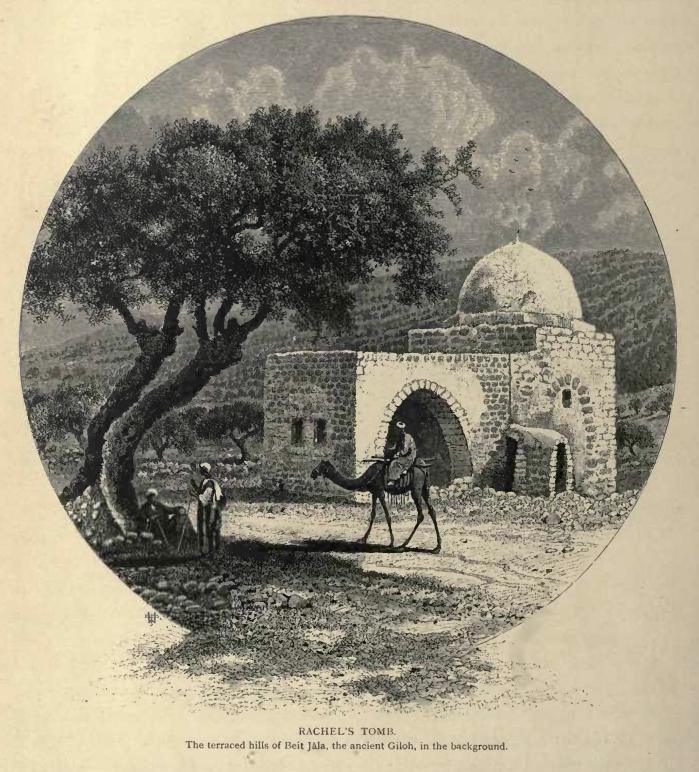 🇵🇸 Palestine and 1 moreRachel's TombQever Raḥel; Qabr Rāḥīl
A shared holy site near Bethlehem revered by Jews, Christians, and MuslimsTradition · Speaking with spirits and the dead · Protection Living
🇵🇸 Palestine and 1 moreRachel's TombQever Raḥel; Qabr Rāḥīl
A shared holy site near Bethlehem revered by Jews, Christians, and MuslimsTradition · Speaking with spirits and the dead · Protection Living
 🇲🇦 Morocco and 5 moreWild rueاسپند
A desert plant whose seeds hold psychoactive alkaloids and serve as incense in the Middle East.Substance · Protection · Speaking with spirits and the dead Living
🇲🇦 Morocco and 5 moreWild rueاسپند
A desert plant whose seeds hold psychoactive alkaloids and serve as incense in the Middle East.Substance · Protection · Speaking with spirits and the dead Living
 🇮🇳 India and 2 moreHomaहोम
A fire ritual found across Asian religions where offerings are burned as a votive exchange with the divine.Rite · Protection · Speaking with spirits and the dead Living
🇮🇳 India and 2 moreHomaहोम
A fire ritual found across Asian religions where offerings are burned as a votive exchange with the divine.Rite · Protection · Speaking with spirits and the dead Living