
Torii
In its own language: 鳥居
from tōri-iru, meaning pass through and enter, or possibly bird perch
A traditional Japanese gate marking the boundary between the mundane and sacred spaces of Shinto shrines.
The torii is a classic Japanese gate that stands at shrine entrances to signal the transition from everyday life to a holy area. It serves as a welcoming point for kami, the spirits of Shinto belief, and acts as a clear visual marker for these religious sites across Japan.
- Marks the transition from mundane to sacred space in Shinto shrines.
- First reliable mentions date to the mid-Heian period around 922 CE.
- Oldest stone example built in the twelfth century in Yamagata Prefecture.
- Inari shrines often feature thousands of donated torii gates.
- Structure includes vertical pillars and horizontal lintels, often painted vermilion.
What it is
A torii stands as a distinctive frame at the threshold of Shinto sites, separating the ordinary world from the holy ground within. This structure marks the entry point where practitioners believe kami, the spiritual forces of Shinto, reside and move freely. The presence of this gate signals a shift in atmosphere, inviting visitors to leave behind daily concerns before entering the sacred precincts. It functions primarily as a symbolic border rather than a physical barrier, guiding the spirit toward purification and reverence.
Where it comes from
Scholars trace the stylistic roots of the torii to the Indian torana, a ceremonial gateway found in Buddhist architecture. This theory emerged in the nineteenth and twentieth centuries based on structural and linguistic similarities. Alternative hypotheses suggest links to Chinese pailou gates or Korean hongsalmun structures, though these connections remain debated. Some researchers propose the name derives from the concept of a bird perch, reflecting ancient Asian beliefs about birds carrying spiritual messages or connecting with the dead. Others argue it evolved locally from simple rope-marked sacred areas into permanent wooden or stone frames.
How it is done
The gate is constructed using specific architectural styles that dictate its shape and components. The simplest form uses two posts connected by a sacred rope known as shimenawa. More complex versions feature vertical pillars and horizontal lintels, often painted in bright vermilion with black accents on the top beam. These structures are placed along the approach path to a shrine, creating a sequence of thresholds. As one moves closer to the inner sanctuary, additional gates may appear, each representing a deeper level of holiness and spiritual focus.
Tools and materials
Traditional materials include wood and stone, though modern iterations use reinforced concrete or stainless steel. Key components are the kasagi (top lintel), hashira (pillars), and nuki (tie-beam). Decorative elements like wedges or stone rings may support the structure. Color schemes typically involve unpainted natural tones, vermilion, or black. The shimenawa rope serves as a temporary or simplified marker, while permanent gates rely on precise joinery and structural integrity to withstand the elements.
Torii, drawn and placed
- Living
- Revived
- Fading
- Historical
- Legendary
- Performed
- Lineage
- Shinto architecture
- Timing
- at shrine entrances and imperial tombs
What it is for
The primary function is to demarcate sacred space, warning visitors they are entering a domain of the kami. It helps distinguish Shinto shrines from Buddhist temples, which lack this specific architectural feature. Torii also stand before imperial tombs, honoring the deceased emperors. Donations of these gates by successful businesspeople express gratitude to Inari, the deity of fertility and industry. The structure guides the spirit toward the heart of the shrine, facilitating communion with the divine.
Who does it
Shinto priests oversee the placement and maintenance of torii within shrine grounds. They determine the appropriate style and orientation based on ritual requirements. Historically, Buddhist monks also utilized similar gates for sacred ceremonies, integrating them into their own practices. Mountain ascetics sometimes adopted the symbol to represent their spiritual power. The general public interacts with the gate by passing through it, acknowledging the transition into a holy zone without needing specialized training.
Peoples and places
The torii is central to Japanese culture and Shinto practice. It appears throughout Japan, from major urban centers to remote rural shrines. Variations exist among different shrine traditions, such as the Ise style found at the Grand Shrines of Ise. The symbol extends beyond religion, appearing in Japantowns abroad and serving as a national emblem. Its widespread recognition makes it a universal identifier for Japanese spiritual sites, bridging local customs and national identity.
At a glance: who, where and when
Peoples
Belief worlds


What people believe
Shinto cosmology views the torii as a conduit for kami, allowing them to travel between realms. The structure embodies the separation of pure and impure spaces, protecting the sacred interior from worldly defilement. Birds hold significance in this belief system, linked to death and ancestral spirits, which may explain the gate's name. The progression through multiple gates reflects a journey toward spiritual purity, with each step bringing the practitioner closer to the divine presence housed in the inner sanctuary.
When it is done
Torii are present year-round at shrine entrances, marking the constant availability of the sacred. Specific rituals or festivals may involve new donations or renovations of these gates. Business owners often donate torii to Inari shrines during periods of success, linking the structure to cycles of prosperity. The gates do not have specific seasonal timings but serve as permanent fixtures in the landscape, visible regardless of the time of year or weather conditions.
How scholars and sceptics see it
Anthropologists and historians debate the origins of the torii, comparing it to Indian, Chinese, and Korean architectural forms. Linguistic studies explore etymologies related to passage or bird perches. Researchers note the gate's evolution from simple rope markers to complex wooden structures. Some scholars highlight the syncretic history, where Buddhist temples once incorporated torii for homa ceremonies. The academic consensus acknowledges multiple influences, with no single origin story fully explaining the gate's development.
Cautions and what is closed
The torii itself poses no physical danger, but its placement marks sensitive sacred spaces requiring respectful behavior. Visitors are expected to maintain decorum when passing through or near the gate. Commercialization of donated torii can sometimes lead to disputes over ownership or maintenance responsibilities. The symbol's use in non-religious contexts, such as military units, requires cultural sensitivity to avoid trivializing its spiritual significance.
Compare and confuse
The torii is often confused with other East Asian gates, such as the Chinese paifang or Korean hongsalmun, due to superficial similarities. However, the torii lacks doors and features distinct structural elements like the curved kasagi. It differs from Buddhist temple gates, which often incorporate more elaborate ornamentation and serve different ritual purposes. The term is sometimes used loosely to describe any archway, but strictly refers to the Shinto-specific structure.
Questions people ask about Torii
What does a torii gate represent?
It marks the boundary between the ordinary world and a sacred Shinto space, signaling where kami reside and welcoming visitors to purify themselves before entering.
Where did the torii originate?
Scholars suggest origins in Indian torana gates or Chinese structures, though some theories link it to ancient bird perches used in spiritual rituals across Asia.
Why are there many torii at Inari shrines?
Businesspeople donate them to express gratitude to Inari, the deity of fertility and industry, for their success, resulting in dense rows of gates at sites like Fushimi Inari-taisha.
What colors are typical for a torii?
They are usually unpainted natural wood, vermilion, or painted vermilion with a black upper lintel, though white and red variations exist at specific shrines.
Good reading and sources
- Torii on WikipediaEncyclopedia
- More photos on Wikimedia CommonsPhotos and video
- Wikidata recordOpen data
The facts on this page come from the Wikipedia article "Torii", written by its contributors and used under the CC BY-SA 4.0 licence, and from its Wikidata record (CC0). EveryJaadu rewrote the text in its own words, with AI assistance, and compares every page with the article to make sure no passage is copied. It may be reused under the same CC BY-SA 4.0 licence with a link back.
It may contain mistakes. Names and customs differ from one community to the next, and some knowledge is closed to outsiders and left out here. This page describes belief and practice. It does not say that any of it works, it is not a how-to, and it is not medical advice. If something is wrong, tell us. Last refreshed 2026-10-05.
More from Japan
All the entries from Japan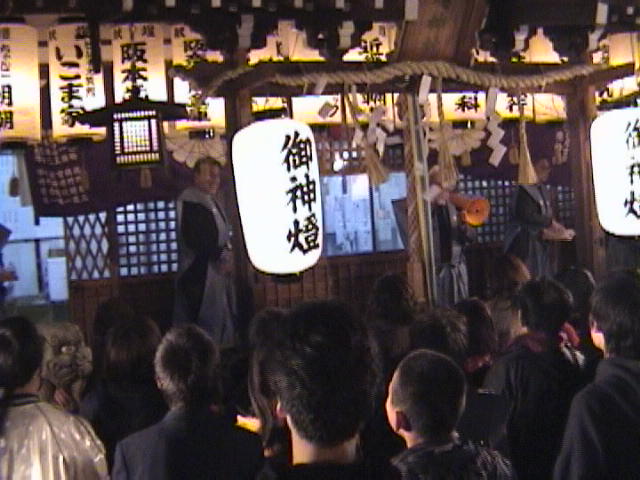 🇯🇵 JapanSetsubun節分
A Japanese seasonal rite to drive away bad luck and welcome spring with roasted beansRite · Protection · Luck and prosperity Living
🇯🇵 JapanSetsubun節分
A Japanese seasonal rite to drive away bad luck and welcome spring with roasted beansRite · Protection · Luck and prosperity Living
 🇨🇳 China and 5 moreGhost FestivalZhongyuan Festival; Yulanpen Festival
A festival to feed wandering spirits and guide them home during the seventh lunar month.Tradition · Speaking with spirits and the dead · Protection Living
🇨🇳 China and 5 moreGhost FestivalZhongyuan Festival; Yulanpen Festival
A festival to feed wandering spirits and guide them home during the seventh lunar month.Tradition · Speaking with spirits and the dead · Protection Living
 🇯🇵 JapanOnmyōdō陰陽道
A Japanese system of divination and calendar science rooted in yin-yang philosophyTradition · Seeing and foretelling · Protection Revived
🇯🇵 JapanOnmyōdō陰陽道
A Japanese system of divination and calendar science rooted in yin-yang philosophyTradition · Seeing and foretelling · Protection Revived
 🇯🇵 JapanShinto shrine神社 (jinja)
A structure housing kami deities within the Shinto tradition of JapanTradition · Protection · Speaking with spirits and the dead Living
🇯🇵 JapanShinto shrine神社 (jinja)
A structure housing kami deities within the Shinto tradition of JapanTradition · Protection · Speaking with spirits and the dead Living
Related elsewhere
All tradition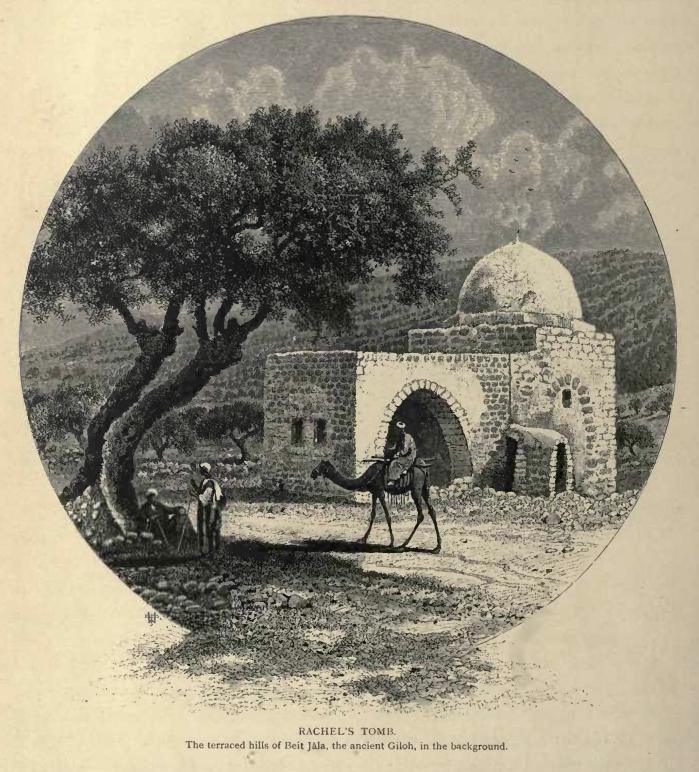 🇵🇸 Palestine and 1 moreRachel's TombQever Raḥel; Qabr Rāḥīl
A shared holy site near Bethlehem revered by Jews, Christians, and MuslimsTradition · Speaking with spirits and the dead · Protection Living
🇵🇸 Palestine and 1 moreRachel's TombQever Raḥel; Qabr Rāḥīl
A shared holy site near Bethlehem revered by Jews, Christians, and MuslimsTradition · Speaking with spirits and the dead · Protection Living
 🇮🇳 India and 2 moreHomaहोम
A fire ritual found across Asian religions where offerings are burned as a votive exchange with the divine.Rite · Protection · Speaking with spirits and the dead Living
🇮🇳 India and 2 moreHomaहोम
A fire ritual found across Asian religions where offerings are burned as a votive exchange with the divine.Rite · Protection · Speaking with spirits and the dead Living
 🇲🇦 Morocco and 5 moreWild rueاسپند
A desert plant whose seeds hold psychoactive alkaloids and serve as incense in the Middle East.Substance · Protection · Speaking with spirits and the dead Living
🇲🇦 Morocco and 5 moreWild rueاسپند
A desert plant whose seeds hold psychoactive alkaloids and serve as incense in the Middle East.Substance · Protection · Speaking with spirits and the dead Living
 🇪🇸 Spain and 5 moreSt John's Eve
A Christian vigil marked by bonfires and plant gathering on the summer solstice eveRite · Protection · Speaking with spirits and the dead Living
🇪🇸 Spain and 5 moreSt John's Eve
A Christian vigil marked by bonfires and plant gathering on the summer solstice eveRite · Protection · Speaking with spirits and the dead Living