
Omikuji
In its own language: おみくじ
from Japanese omikuji, meaning sacred lot
Paper fortunes drawn at Japanese shrines and temples to reveal luck and life advice
Omikuji are paper slips containing random fortunes drawn from boxes at Shinto shrines and Buddhist temples in Japan. The practice is believed to reveal a person's chances of success, health, or romance through divine chance.
- Strips are tied to pine trees to leave bad luck behind
- Originates from Chinese kau chim divination methods
- Predicts health, romance, and business outcomes
- Vending machines now dispense fortunes at some sites
- Attributed to monk Ryōgen and Bodhisattva Avalokiteśvara
What it is
Omikuji are random fortunes written on strips of paper found at Shinto shrines and Buddhist temples in Japan. The term literally means sacred lot. Visitors make a small offering and pull one slip from a box. The paper predicts how likely hopes will come true, including matters of health, fortune, and finding a good match. A modern variation uses vending machines to dispense these slips. The practice remains a traditional part of visiting religious sites in Japan.
Where it comes from
The system likely originated from the Chinese kau chim, which used bamboo sticks in a tube for divination. A wooden container with lots dated 1409 exists in Iwate Prefecture, suggesting the method arrived before the Muromachi period. The most common sequence, Ganzan Daishi Hyakusen, is attributed to the Heian period monk Ryōgen. Legend says the Bodhisattva Avalokiteśvara revealed the verses to him. This sequence became popular in the Edo period after the monk Tenkai claimed to have rediscovered them.
How it is done
A visitor makes an offering and randomly selects a strip from a box. The slip contains a ranking of luck and specific predictions. If the fortune is bad, the custom is to fold the paper and tie it to a pine tree or metal wire rack. This puns on the word for pine tree and the verb to wait, implying the bad luck stays there. Good fortunes can be tied up to increase their power or kept for personal luck. Some festivals use ritual strikes with a gohei wand to select roles.
Tools and materials
The primary tool is a paper strip containing the fortune text. These are stored in wooden boxes or dispensing machines. Bad fortunes are attached to pine trees or metal wire racks. The process involves a small offering. In some festival contexts, a gohei wand is used to strike papers to determine selections. Wooden blocks called ema are also used for prayers in related customs.
Omikuji, drawn and placed
- Living
- Revived
- Fading
- Historical
- Legendary
- Performed
- Lineage
- Shinto and Buddhist divination
- Timing
- during shrine visits
What it is for
People seek omikuji to foresee their future luck and life outcomes. The slips predict chances for wishes coming true, romantic matches, health, and business. They provide guidance on directions, travel, studies, and marriage proposals. The practice helps individuals understand their current standing through divine judgment. It serves as a way to consult the divine will for impartial verdicts on personal matters.
Who does it
Ordinary people at home or during visits perform this practice. No special training is required to draw a slip. Visitors simply make an offering and choose a paper. The role of the practitioner is passive, relying on random chance to deliver the message. In some provincial festivals, participants use ritual methods to select religious roles, but general fortune drawing is open to all visitors.
Peoples and places
The practice is central to Japanese religious culture. It is found at both Shinto shrines and Buddhist temples across Japan. The tradition reflects a blend of indigenous and imported beliefs. The Chinese influence is evident in the structural similarities to kau chim. Modern adaptations include vending machines, showing how the custom evolves while maintaining its core purpose for contemporary Japanese believers.
At a glance: who, where and when
Who does it
Peoples
Belief worlds
Occasions


What people believe
The practice relies on the belief that random chance reveals divine will. The term kuji implies using chance for impartial verdicts or consulting kami judgment. Bad luck is thought to be left behind when the paper is tied to a tree. Good luck is amplified by leaving the slip at the shrine. The worldview assumes that spiritual forces influence daily events like health and romance, accessible through these physical tokens.
When it is done
The activity occurs during daily visits to shrines and temples. It is not tied to specific festivals or lunar phases in general practice. However, some provincial festivals use similar lot-drawing methods to select annual religious roles. The timing depends entirely on when a person chooses to visit a religious site. It is a routine part of shrine-going rather than a seasonal event.
How scholars and sceptics see it
Scholars note the Chinese origins of the divination method via kau chim. Historical records link the practice to the Southern Song period oracles. Researchers trace the popularity of specific sequences to Edo period monks. The connection between fortune cookies and Japanese tsujiura senbei crackers is documented. Academic interest focuses on the historical transmission of these texts and their integration into local religious practices.
Cautions and what is closed
No significant harms or legal risks are associated with the practice itself. The custom is safe and widely accepted. There are no reports of fraud or abuse within the standard shrine context. The practice does not involve medical advice or dangerous rituals. It is a benign cultural activity enjoyed by millions without controversy or danger to participants.
Compare and confuse
Omikuji is related to the Chinese kau chim and American fortune cookies. Fortune cookies may derive from Kyoto crackers called tsujiura senbei. Other Japanese divination methods include kokkuri and futomani. The practice shares themes with I Ching divination regarding fate and chance. It differs from stage magic by claiming genuine spiritual insight rather than entertainment.
Law and persecution
The practice is fully legal and protected as part of Japan's religious freedom. No persecution or suppression has been recorded against omikuji users. Shrines and temples operate openly under national laws. The activity is encouraged as a cultural tradition. There are no restrictions on who can participate or where it can be performed within religious grounds.
Questions people ask about Omikuji
What is omikuji?
Omikuji are paper fortunes drawn at Japanese shrines and temples. They contain random predictions about luck, health, and romance based on divine chance.
Where does omikuji come from?
It likely comes from the Chinese kau chim system. A 1409 container suggests it arrived in Japan before the Muromachi period, influenced by Southern Song oracles.
What should I do with a bad fortune?
Tie the bad slip to a pine tree or metal rack. This leaves the misfortune at the shrine so it does not follow you home.
How are the fortunes ranked?
They range from great blessing to misfortune. Specific predictions cover directions, travel, studies, and marriage proposals for various life aspects.
Good reading and sources
- O-mikuji on WikipediaEncyclopedia
- More photos on Wikimedia CommonsPhotos and video
- Wikidata recordOpen data
The facts on this page come from the Wikipedia article "O-mikuji", written by its contributors and used under the CC BY-SA 4.0 licence, and from its Wikidata record (CC0). EveryJaadu rewrote the text in its own words, with AI assistance, and compares every page with the article to make sure no passage is copied. It may be reused under the same CC BY-SA 4.0 licence with a link back.
It may contain mistakes. Names and customs differ from one community to the next, and some knowledge is closed to outsiders and left out here. This page describes belief and practice. It does not say that any of it works, it is not a how-to, and it is not medical advice. If something is wrong, tell us. Last refreshed 2026-10-05.
More from Japan
All the entries from Japan 🇨🇳 China and 5 moreKau chim求籤
A divination practice using numbered bamboo sticks to seek answers from deitiesOracle · Seeing and foretelling · Power and authority Living
🇨🇳 China and 5 moreKau chim求籤
A divination practice using numbered bamboo sticks to seek answers from deitiesOracle · Seeing and foretelling · Power and authority Living
 🇨🇳 China and 3 moreChinese dragon龍
A legendary water deity and imperial symbol in East Asian cultureBeing · Protection · Luck and prosperity Historical
🇯🇵 JapanKitsunetsuki狐憑き
A Japanese folk belief in which a fox spirit enters and controls a human host.Belief · Cursing and harm · Speaking with spirits and the dead Historical
🇨🇳 China and 3 moreChinese dragon龍
A legendary water deity and imperial symbol in East Asian cultureBeing · Protection · Luck and prosperity Historical
🇯🇵 JapanKitsunetsuki狐憑き
A Japanese folk belief in which a fox spirit enters and controls a human host.Belief · Cursing and harm · Speaking with spirits and the dead Historical
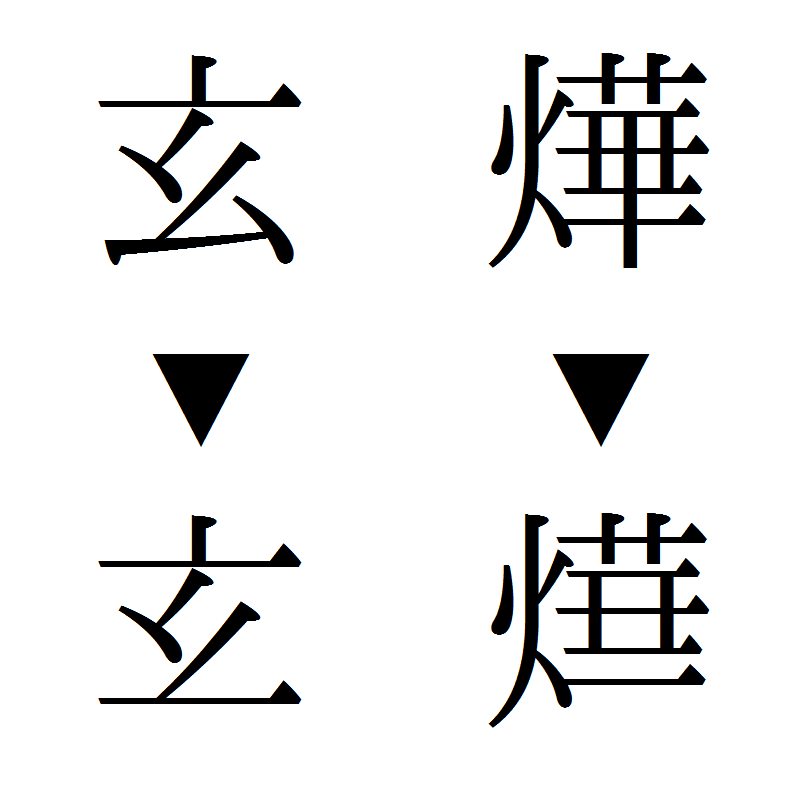 🇨🇳 China and 2 moreNaming taboo避諱
A cultural rule against speaking or writing the names of rulers and ancestors in East AsiaBelief · Protection Historical
🇨🇳 China and 2 moreNaming taboo避諱
A cultural rule against speaking or writing the names of rulers and ancestors in East AsiaBelief · Protection Historical
Related elsewhere
All oracle 🇮🇳 India and 5 moreAstrology
A divinatory practice that reads human fate through the positions of celestial bodies.Belief · Seeing and foretelling · Luck and prosperity Living
🇮🇳 India and 5 moreAstrology
A divinatory practice that reads human fate through the positions of celestial bodies.Belief · Seeing and foretelling · Luck and prosperity Living
 🇮🇳 IndiaHindu astrologyज्योतिष (Jyotiṣa)
A traditional Hindu system of astrology and timekeeping rooted in the VedasTradition · Seeing and foretelling · Luck and prosperity Living
🇮🇳 IndiaHindu astrologyज्योतिष (Jyotiṣa)
A traditional Hindu system of astrology and timekeeping rooted in the VedasTradition · Seeing and foretelling · Luck and prosperity Living
 🇮🇹 Italy and 5 moreTarottarocchi
A set of playing cards used for games and divinationTradition · Seeing and foretelling · Luck and prosperity Living
🇮🇹 Italy and 5 moreTarottarocchi
A set of playing cards used for games and divinationTradition · Seeing and foretelling · Luck and prosperity Living
 🇺🇸 United States and 1 moreGroundhog DayGrund'sau dåk
A North American custom using a burrowing rodent to forecast the end of winterTradition · Seeing and foretelling · Luck and prosperity Living
🇺🇸 United States and 1 moreGroundhog DayGrund'sau dåk
A North American custom using a burrowing rodent to forecast the end of winterTradition · Seeing and foretelling · Luck and prosperity Living