
Kagura
In its own language: 神楽
from kami no kura, meaning seat of god
A Shinto ritual dance where performers embody deities to purify and welcome spirits
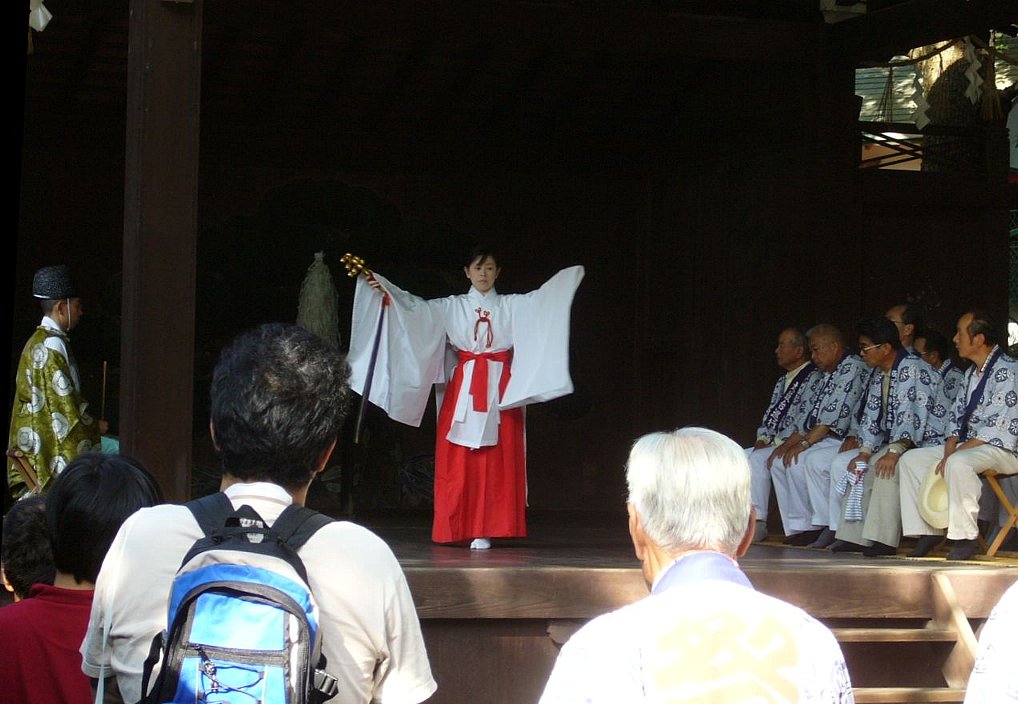
Kagura is a sacred ceremonial dance from Japan performed within the Shinto faith. The term means god-entertainment, indicating that the gods are present during the performance. Practitioners use movement and music to invite spirits, receive messages, and cleanse the community.
- Kagura means god-entertainment and invites kami into the performance space
- The dance mimics a legendary performance that lured the sun goddess from a cave
- Mai prepares the body with slow circles; odori expresses the spirit's energy
- Shrine maidens act as vessels, transforming into deities during the ritual
- Folk variations like Izumo and Hayachine styles spread across Japan
What it is
Kagura serves as a bridge between the human world and the divine in Japanese Shintoism. It is a form of sacred entertainment designed to please the kami, or spirits. The practice involves specific movements and sounds that create a space for these entities to enter. Performers act as vessels, allowing the spiritual presence to manifest through their bodies. This process is known as chinkon, which focuses on calming and purifying the spirit. The dance is not merely artistic; it is a functional ritual intended to maintain harmony and invite blessings into the community.
Where it comes from
The roots of kagura are tied to ancient Japanese mythology recorded in texts like the Kojiki and Nihon Shoki. A central legend tells of the sun goddess Amaterasu hiding in a cave, which plunged the world into darkness. Other gods performed a lively dance to lure her out, restoring light. This event is seen as the prototype for all subsequent ritual dances. Originally, these performances were called kamukura and were strictly ceremonial arts linked to oracular divinification. Over more than a thousand years, the practice has evolved from its strict origins into various regional forms.
How it is done
The performance typically follows two distinct phases: mai and odori. Mai involves slow, circular movements that emphasize elegance and quiet preparation. During this stage, a female shaman or shrine maiden holds a gohei wand and uses instruments to summon deities. Once the spirit enters the dancer, the style shifts to odori. This second phase features quick, energetic leaps and jumps. The movement becomes spontaneous and unconscious, reflecting the possessed state of the performer. The transition marks the moment the human vessel fully embodies the deity.
Tools and materials
Performers use several items to facilitate the connection with the spirit world. A gohei is a ceremonial wand made of paper and wood, used for purification. Sound-producing instruments help call the gods. Traditional props include bells, bamboo canes, sprigs of sakaki trees, and paper streamers. In some folk variations, dancers wear masks and carry spears or swords to represent the power of the spirits they channel. These objects are not just decorations; they are essential components of the ritual architecture.
Kagura, drawn and placed
- Living
- Revived
- Fading
- Historical
- Legendary
- Performed
- Lineage
- Shinto ritual practice
- Timing
- during festivals, harvest seasons, and daily rituals
What it is for
The main goal of kagura is to welcome and entertain the kami. By performing these dances, practitioners seek to purify the environment and the participants. The ritual is believed to shake loose negative energies and restore spiritual balance. Communities request these performances for festivals, harvest celebrations, and other significant occasions. The dance serves as a conduit for receiving messages and blessings from the divine. It reinforces the bond between the people and the spirits that watch over their land and lives.
Who does it
Traditionally, female shamans or shrine maidens, known as miko, perform kagura. They are often viewed as descendants of the goddess Ame-no-Uzume. These women undergo training to master the specific movements and songs required for the ritual. In imperial settings, male choirs may accompany the dances with sacred vocal repertoire. The performers must achieve a state of trance to properly channel the deity. Their role is highly respected, as they act as the physical medium for the gods during the ceremony.
Peoples and places
Kagura is practiced throughout Japan, with strong traditions in specific regions. Imperial kagura, or mikagura, is performed at the court and major shrines like Ise and Kamo. Folk versions, called satokagura, have spread across the country. Variations include Izumo-style dances, which originated near Izumo Shrine, and Hayachine Kagura, which emphasizes energy and power. Some forms are performed by traveling priests who drive away evil spirits. The practice has adapted to local customs, creating a diverse landscape of ritual dance styles.
At a glance: who, where and when
Peoples
Belief worlds


What people believe
Shinto belief holds that kami inhabit natural elements and ancestral lines. Kagura operates on the principle that these spirits can be invited into the physical world through proper ritual conduct. The dancer does not just mimic the god; they become the god during the performance. This transformation allows the community to interact directly with the divine. The ritual maintains cosmic order by ensuring the spirits are pleased and present. Without these ceremonies, the boundary between the human and spirit worlds might become unstable.
When it is done
Performances are tied to the agricultural calendar and religious festivals. The Imperial harvest festival is a key occasion for mikagura. Many folk groups perform during local matsuri, or shrine festivals. The Daijō-sai is another major event where miko kagura is presented. Some forms are performed daily or seasonally to mark changes in the weather or crop cycles. The timing ensures that the community receives blessings at critical moments in the yearly cycle.
How scholars and sceptics see it
Researchers study kagura as a living example of Shinto ritual evolution. Ethnomusicologists analyze the relationship between the sacred songs and the movements. Historians trace how the practice shifted from courtly exclusivity to popular folk entertainment. Scholars note that while some forms have secularized, they retain core spiritual functions. Anthropologists examine the role of female shamans and the mechanics of spirit possession in these contexts. The diversity of kagura styles provides insight into the regional history of Japanese religion.
Cautions and what is closed
Certain aspects of kagura are closed to outsiders. The knowledge of how to properly channel spirits is often restricted to initiated practitioners. Attempting to perform these rituals without proper training or lineage is considered disrespectful and potentially harmful. Some forms require specific purification rites before participation. The intensity of the trance state can be physically demanding for performers. Respect for the sacred nature of the dance is paramount, and casual imitation is discouraged.
Compare and confuse
Kagura is sometimes confused with general Japanese theater forms like Noh and Kyogen, which share historical roots. While Noh is a staged art form for entertainment, kagura remains a functional religious ritual. It is also distinct from bugaku, which is Chinese-influenced court dance. However, mikagura is closely related to gagaku, the broader category of imperial music. The distinction lies in the intent: kagura is for the gods, while other forms are often for human audiences.
Law and persecution
Some forms of kagura have received official recognition as Intangible Cultural Heritage. The UNESCO list includes specific traditions like the Sada shrine dance and Hayachine Kagura. This status helps protect the practices from extinction and supports transmission to new generations. Historically, there were periods when certain theatrical forms were banned by religious authorities, but civilian support preserved them. Today, the government and local communities work together to sustain these living traditions.
Today
Kagura continues to thrive in Japan, adapting to modern life while keeping ancient roots. Urban centers like Hiroshima host active groups, alongside rural strongholds in Shimane Prefecture. Many folk forms have become secular entertainment, performed at street festivals and cultural events. Despite this secularization, the spiritual core remains intact for many practitioners. Diaspora communities and international scholars show interest in preserving these dances. The tradition evolves, incorporating new elements while honoring its mythic origins.
Questions people ask about Kagura
What does the word kagura mean?
It comes from kami no kura, meaning seat of god. This name reflects the belief that the divine presence sits within the performance space during the ritual dance.
Who performs kagura dances?
Female shamans and shrine maidens, known as miko, traditionally perform these dances. They are trained to enter a trance state and channel the spirits of the kami.
Why do dancers change their movement style?
The shift from slow mai to energetic odori marks the moment the spirit enters the dancer. The first part prepares the body, while the second part expresses the possessed state of the deity.
Where did kagura originate according to myth?
Myths say it began when gods danced to lure the sun goddess Amaterasu out of a cave. This ancient performance restored light to the world and set the pattern for all future rituals.
Is kagura only for religious people?
While it is a Shinto ritual, many folk forms are now performed as cultural entertainment. Communities enjoy these dances at festivals, though the original intent was to welcome and purify for the gods.
Good reading and sources
- Encyclopaedia BritannicaArticle
- Le Sada Shin Noh, danse sacrée au sanctuaire de Sada, ShimaneUNESCO, Heritage listing
- Kagura on WikipediaEncyclopedia
- More photos on Wikimedia CommonsPhotos and video
- Wikidata recordOpen data
The facts on this page come from the Wikipedia article "Kagura", written by its contributors and used under the CC BY-SA 4.0 licence, and from its Wikidata record (CC0). EveryJaadu rewrote the text in its own words, with AI assistance, and compares every page with the article to make sure no passage is copied. It may be reused under the same CC BY-SA 4.0 licence with a link back.
It may contain mistakes. Names and customs differ from one community to the next, and some knowledge is closed to outsiders and left out here. This page describes belief and practice. It does not say that any of it works, it is not a how-to, and it is not medical advice. If something is wrong, tell us. Last refreshed 2026-10-06.
More from Japan
All the entries from Japan 🇨🇳 China and 5 moreGhost FestivalZhongyuan Festival; Yulanpen Festival
A festival to feed wandering spirits and guide them home during the seventh lunar month.Tradition · Speaking with spirits and the dead · Protection Living
🇨🇳 China and 5 moreGhost FestivalZhongyuan Festival; Yulanpen Festival
A festival to feed wandering spirits and guide them home during the seventh lunar month.Tradition · Speaking with spirits and the dead · Protection Living
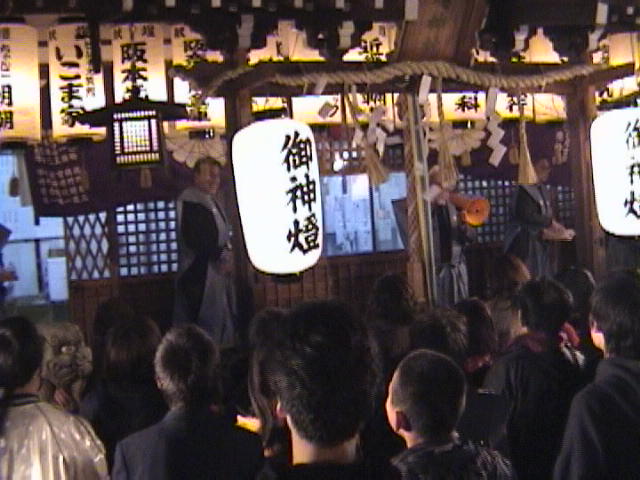 🇯🇵 JapanSetsubun節分
A Japanese seasonal rite to drive away bad luck and welcome spring with roasted beansRite · Protection · Luck and prosperity Living
🇯🇵 JapanSetsubun節分
A Japanese seasonal rite to drive away bad luck and welcome spring with roasted beansRite · Protection · Luck and prosperity Living
 🇯🇵 JapanOnmyōdō陰陽道
A Japanese system of divination and calendar science rooted in yin-yang philosophyTradition · Seeing and foretelling · Protection Revived
🇯🇵 JapanOnmyōdō陰陽道
A Japanese system of divination and calendar science rooted in yin-yang philosophyTradition · Seeing and foretelling · Protection Revived
 🇯🇵 Japan and 1 moreMisogi禊
A Shinto rite of full-body purification using cold waterRite · Cleansing and purification · Speaking with spirits and the dead Living
🇯🇵 Japan and 1 moreMisogi禊
A Shinto rite of full-body purification using cold waterRite · Cleansing and purification · Speaking with spirits and the dead Living
Related elsewhere
All tradition 🇪🇸 Spain and 5 moreSt John's Eve
A Christian vigil marked by bonfires and plant gathering on the summer solstice eveRite · Protection · Speaking with spirits and the dead Living
🇪🇸 Spain and 5 moreSt John's Eve
A Christian vigil marked by bonfires and plant gathering on the summer solstice eveRite · Protection · Speaking with spirits and the dead Living
 🇮🇳 India and 2 moreHomaहोम
A fire ritual found across Asian religions where offerings are burned as a votive exchange with the divine.Rite · Protection · Speaking with spirits and the dead Living
🇮🇳 India and 2 moreHomaहोम
A fire ritual found across Asian religions where offerings are burned as a votive exchange with the divine.Rite · Protection · Speaking with spirits and the dead Living
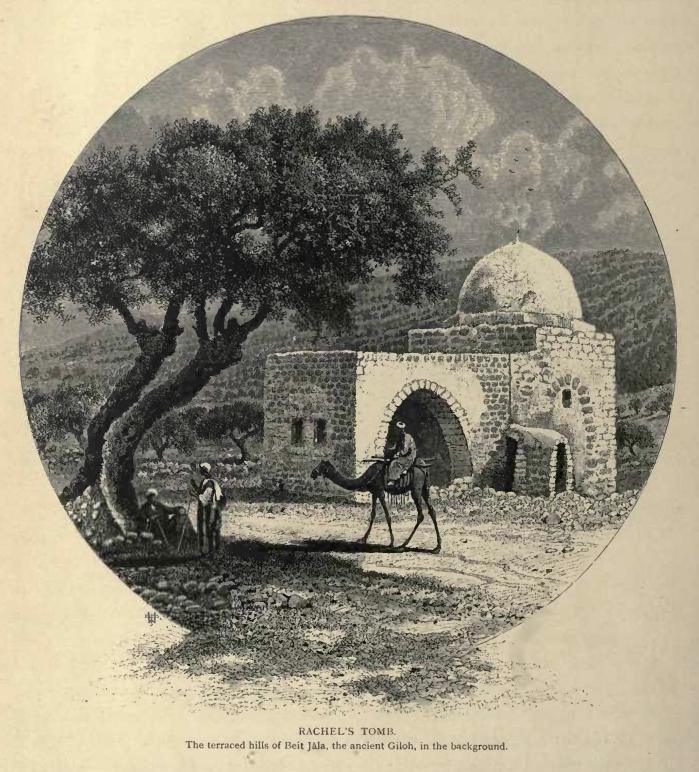 🇵🇸 Palestine and 1 moreRachel's TombQever Raḥel; Qabr Rāḥīl
A shared holy site near Bethlehem revered by Jews, Christians, and MuslimsTradition · Speaking with spirits and the dead · Protection Living
🇳🇿 New ZealandKarakia
Māori recitations used for spiritual guidance, protection, and formal greetingsTradition · Protection · Speaking with spirits and the dead Living
🇵🇸 Palestine and 1 moreRachel's TombQever Raḥel; Qabr Rāḥīl
A shared holy site near Bethlehem revered by Jews, Christians, and MuslimsTradition · Speaking with spirits and the dead · Protection Living
🇳🇿 New ZealandKarakia
Māori recitations used for spiritual guidance, protection, and formal greetingsTradition · Protection · Speaking with spirits and the dead Living