
Superstition in China
A broad category for folk beliefs and rituals dismissed as backward by modern Chinese authorities
In China, the term covers a wide range of traditional practices, from ancestor worship to feng shui. Modern state policy often labels these customs as feudal superstition, though many persist as cultural heritage or private habit.
- Yangshao culture pottery shows early totem beliefs
- Zhou dynasty introduced the Mandate of Heaven
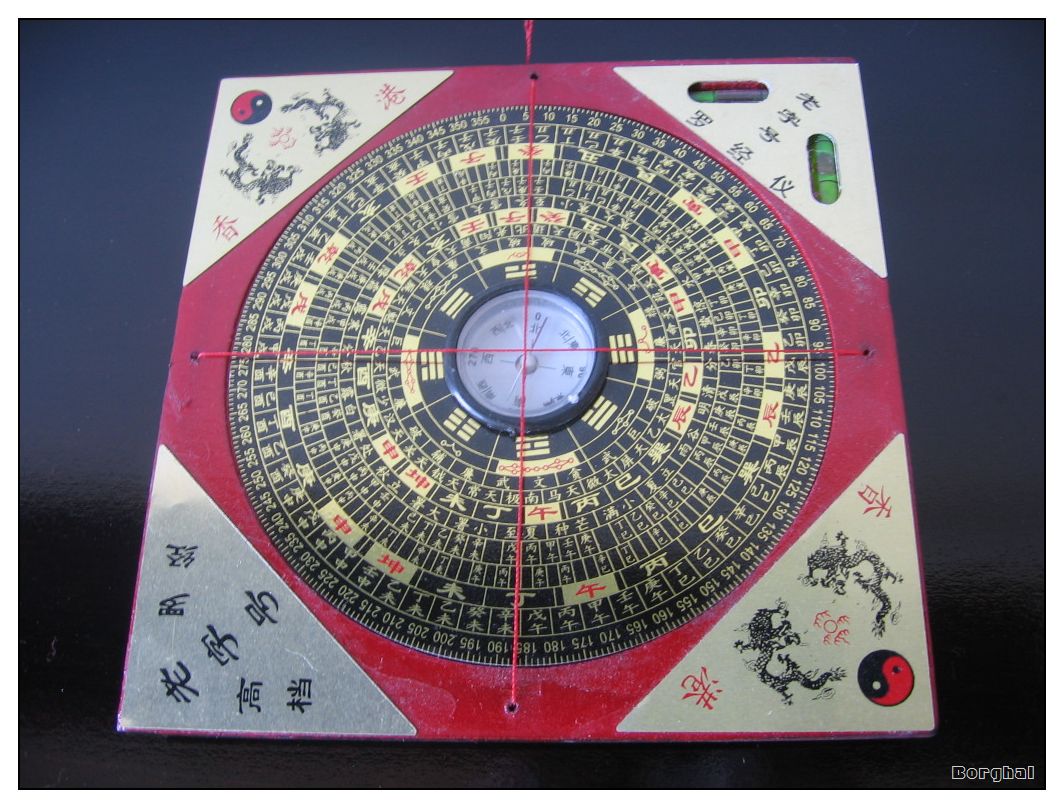
- Feng shui balances environmental energy flows
- Ba Zi analyzes fate using eight birth characters
- State labels folk religion as feudal superstition
What it is
The concept encompasses diverse folk traditions that fall outside official religious structures. It includes nature worship, spirit communication, and environmental alignment. The label is applied broadly to practices that lack institutional backing. Many activities once considered sacred are now categorized as outdated habits. The term serves as a catch-all for customs that do not fit into recognized state-sanctioned religions.
Where it comes from
Roots lie in Neolithic societies like the Yangshao culture. Early forms involved totemism and shamanic rites. Archaeological finds show painted pottery with symbolic designs. Later dynasties integrated these beliefs into political systems. The Zhou dynasty developed the Mandate of Heaven theory. This linked moral virtue to divine approval for rulers. Qin Shi Huang used prophecy and alchemy to secure his power. These early elements merged over centuries into complex folk traditions.
How it is done
Practitioners perform rituals to honor ancestors and deities. Offerings include food, incense, and paper items. Feng shui masters arrange buildings to balance energy flows. Fortune tellers use birth charts to predict life paths. Festivals mark times for communal worship and sacrifice. Families burn paper money to send resources to the dead. These actions follow established seasonal and life-cycle calendars.
Tools and materials
Feng shui relies on compasses and spatial analysis. Ba Zi uses birth dates and times for calculation. Sacrificial rites require altars, incense, and specific foods. Paper effigies represent goods for the afterlife. Totems in ancient times were animals or plants. Modern practitioners may use talismans or amulets for protection.
Superstition in China, drawn and placed
- Living
- Revived
- Fading
- Historical
- Legendary
- Performed
What it is for
People seek harmony between humans and nature. Ancestor worship maintains family bonds across generations. Feng shui aims to attract good fortune and health. Divination helps individuals navigate uncertain futures. Rituals provide comfort during crises and celebrations. Communities use festivals to reinforce social cohesion and identity.
Who does it
Households conduct daily ancestor veneration. Feng shui consultants advise on building layouts. Fortune tellers offer readings based on metaphysical systems. Shamans historically mediated between spirits and people. Modern practitioners often operate privately or within cultural groups. Training varies from apprenticeship to formal study of classics.
Peoples and places
The practice spans rural villages and urban centers. In cities, it appears in business decisions and home design. Rural areas maintain stronger ties to sacrificial traditions. Different regions adapt customs to local contexts. The state distinguishes between acceptable heritage and prohibited superstition. Diaspora communities preserve these traditions abroad.
At a glance: who, where and when

What people believe
Worldviews emphasize balance and reciprocity with unseen forces. Ancestors influence the living through blessings or punishment. Nature contains energies that affect human well-being. Destiny can be read but also influenced by action. Virtue aligns individuals with cosmic order. Spirits inhabit natural features and historical sites.
When it is done
Key events include Spring Festival and Qingming. Dragon Boat Festival and Chongyang involve specific rituals. Births, weddings, and funerals trigger ceremonial observances. Seasonal changes prompt adjustments in feng shui. Lunar cycles guide timing for divination and sacrifices.
How scholars and sceptics see it
Anthropologists view these practices as cultural expressions. Historians trace their evolution from ancient rituals. State officials often dismiss them as irrational. Critics argue they hinder modernization. Supporters see them as vital intangible heritage. Research highlights their role in social stability and identity formation.
Cautions and what is closed
Government campaigns have targeted these practices. Some activities face legal restrictions or suppression. Practitioners risk persecution if labeled feudal. Fraudulent fortune tellers exploit vulnerable individuals. Health risks arise from unsafe ritual materials. Stigma prevents open discussion in secular settings.
Compare and confuse
Similar concepts exist in other Asian cultures. Western terms like 'magic' or 'witchcraft' differ significantly. Indigenous traditions share animistic elements. Folk religion overlaps with organized Buddhism and Taoism. The Chinese label is unique in its political connotations.
Law and persecution
The state classifies certain practices as feudal superstition. Campaigns against superstition occurred in the mid-twentieth century. Recent policies recognize some customs as cultural heritage. Legal status varies by region and activity level. Official tolerance depends on alignment with socialist values.
Days linked to Superstition in China
Questions people ask about Superstition in China
What does superstition mean in China?
It refers to folk beliefs and rituals outside official religion. The term includes ancestor worship, feng shui, and divination. Modern authorities often use it to describe outdated practices.
Where did these beliefs originate?
They stem from Neolithic societies like the Yangshao culture. Early forms involved nature worship and shamanism. Later dynasties integrated them into political and moral systems.
Is feng shui considered superstition?
Yes, it is often labeled as such by the state. However, it is also recognized as environmental philosophy. Many people still use it for home and business planning.
How do people practice ancestor worship?
Families offer food, incense, and paper items at altars. Rituals occur during festivals like Qingming and Spring Festival. These acts honor deceased relatives and seek their blessings.
Are these practices still common today?
Yes, especially in rural areas and among diaspora communities. Urban residents may consult feng shui masters privately. The government has shifted from suppression to cultural preservation.
Good reading and sources
The facts on this page come from the Wikipedia article "Superstition in China", written by its contributors and used under the CC BY-SA 4.0 licence, and from its Wikidata record (CC0). EveryJaadu rewrote the text in its own words, with AI assistance, and compares every page with the article to make sure no passage is copied. It may be reused under the same CC BY-SA 4.0 licence with a link back.
It may contain mistakes. Names and customs differ from one community to the next, and some knowledge is closed to outsiders and left out here. This page describes belief and practice. It does not say that any of it works, it is not a how-to, and it is not medical advice. If something is wrong, tell us. Last refreshed 2026-10-07.
More from China
All the entries from China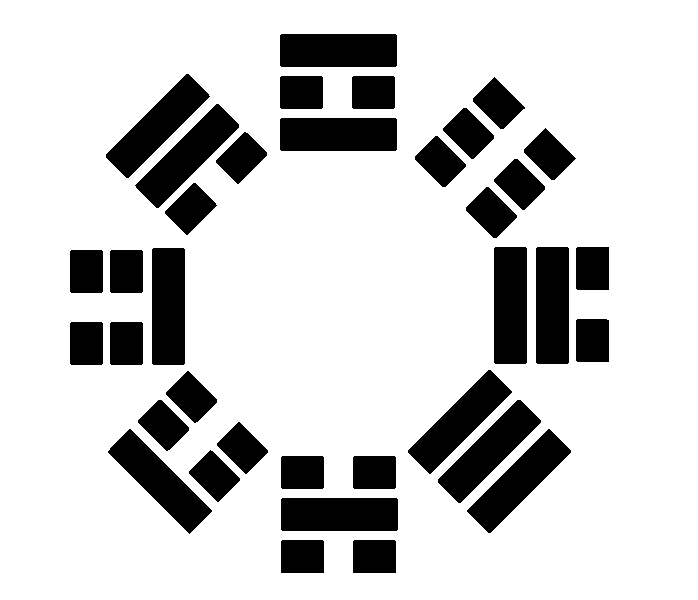 🇨🇳 China and 1 moreBagua八卦
A set of eight trigram symbols from China used in divination, cosmology, and feng shui.Tradition · Seeing and foretelling · Protection Living
🇨🇳 China and 1 moreBagua八卦
A set of eight trigram symbols from China used in divination, cosmology, and feng shui.Tradition · Seeing and foretelling · Protection Living
 🇨🇳 China and 1 moreAncestor veneration in China中國傳統宗法性宗教
Rites for dead kin who are thought to watch over the familyTradition · Protection · Speaking with spirits and the dead Living
🇨🇳 China and 1 moreAncestor veneration in China中國傳統宗法性宗教
Rites for dead kin who are thought to watch over the familyTradition · Protection · Speaking with spirits and the dead Living
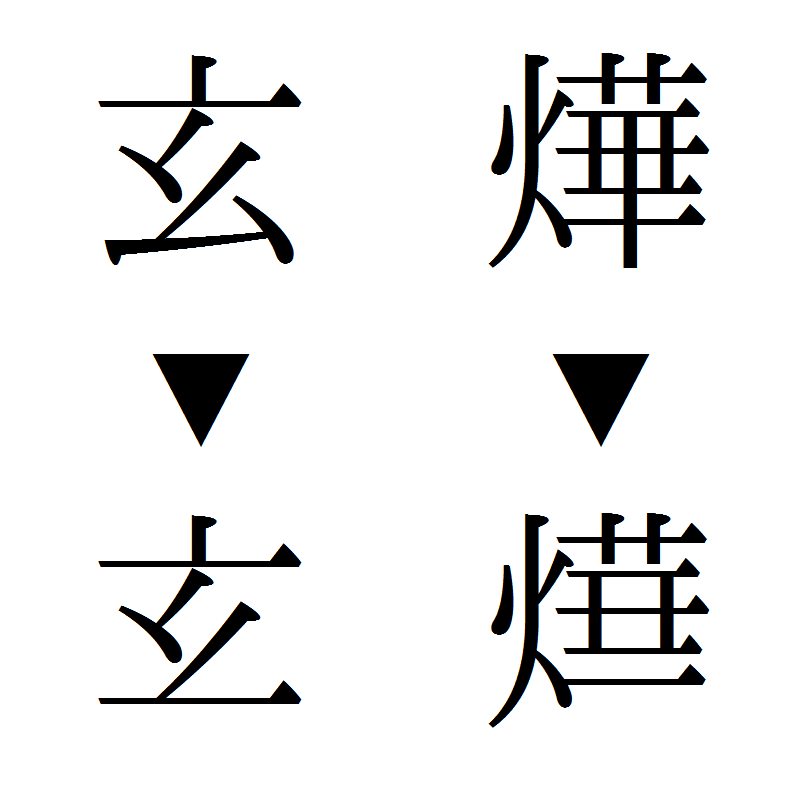 🇨🇳 China and 2 moreNaming taboo避諱
A cultural rule against speaking or writing the names of rulers and ancestors in East AsiaBelief · Protection Historical
🇨🇳 China and 2 moreNaming taboo避諱
A cultural rule against speaking or writing the names of rulers and ancestors in East AsiaBelief · Protection Historical
Related elsewhere
All belief 🇮🇳 India and 1 moreNavagrahaनवग्रह
A group of nine celestial deities in Hinduism that govern fate and astrologyTradition · Protection · Luck and prosperity Living
🇮🇳 India and 1 moreNavagrahaनवग्रह
A group of nine celestial deities in Hinduism that govern fate and astrologyTradition · Protection · Luck and prosperity Living
 🇪🇬 Egypt and 2 moreLibation
The ritual pouring of liquid as an offering to spirits or the deadRite · Speaking with spirits and the dead · Protection Living
🇪🇬 Egypt and 2 moreLibation
The ritual pouring of liquid as an offering to spirits or the deadRite · Speaking with spirits and the dead · Protection Living
 🇬🇧 United Kingdom and 1 moreWell dressing
A rural English custom of decorating water sources with natural designsTradition · Protection · Speaking with spirits and the dead Living
🇬🇧 United Kingdom and 1 moreWell dressing
A rural English custom of decorating water sources with natural designsTradition · Protection · Speaking with spirits and the dead Living
 🇮🇳 IndiaBhuta KolaBhūta Kōla
A Tulu folk dance and ritual where spirits are channelled into human performersTradition · Protection · Speaking with spirits and the dead Living
🇮🇳 IndiaBhuta KolaBhūta Kōla
A Tulu folk dance and ritual where spirits are channelled into human performersTradition · Protection · Speaking with spirits and the dead Living