Traditions and systems
Whole bodies of practice: Vodou, shamanism, hoodoo, Wicca, onmyodo, Ifa and the rest.
A tradition is a whole body of magical practice with its own teachers, vocabulary and rules, as distinct from a single charm or rite. Ifa in West Africa, Vodou in Haiti, Tibetan Buddhist ritual, Wicca in Britain and America, and Siberian shamanism are all traditions in this sense. Some are living religions, some are modern inventions, and some survive only in fragments. This page looks at how they differ and what each label hides. Each is described here in its own terms wherever the community has chosen to share them.
Who holds them
A tradition has keepers. In Ifa, a babalawo trains for years and memorises the verses of Odu. In Haitian Vodou, a houngan or mambo is initiated within a house and a lineage. Wicca, by contrast, grew from the writings of Gerald Gardner in the 1950s and spreads by books and covens. Access varies: some traditions are open, some require initiation, and some are closed to outsiders by the community's own rule.
Names that mislead
Outsiders have often given traditions names their keepers did not choose. Colonial officials and missionaries called African and Indigenous religions fetishism, witchcraft or devil worship. The word voodoo, borrowed from the Haitian religion, became a stock horror image, while practitioners say Vodou. Many people also reject the word magic for what they see as plain religion, worship of ancestors or medicine of the land. Some are written down in long poems or scriptures, while others are carried only in memory, song and apprenticeship, which affects how outsiders can study them.
How states treat them
Treatment ranges from protection to prohibition. Haiti recognised Vodou as a religion in 2003. Britain repealed its Witchcraft Act only in 1951. Several African and Pacific states still prosecute witchcraft accusations, and Saudi Arabia has executed people for sorcery. Many traditions were absorbed rather than banned: Santeria wore the faces of Catholic saints, and Taoist ritual was licensed by Chinese emperors. Recognition on paper does not end prejudice: a faith can be legal under a constitution and still be mocked, taxed or policed at local level.
Scholars and sceptics
Anthropologists such as Evans-Pritchard, who studied the Azande in the 1930s, described magic as a coherent system of explanation, not stupidity. Historians stress that boundaries between religion, magic and science were drawn by particular people for particular reasons. Sceptics point out that tests of efficacy have found no effect beyond expectation. Many tradition-bearers answer that the question misses what the practice is for. Folklorists add that traditions are always changing, with no pure original to return to, and that revival is itself a form of change.
Tradition on EveryJaadu
The entries written up so far, best known first.
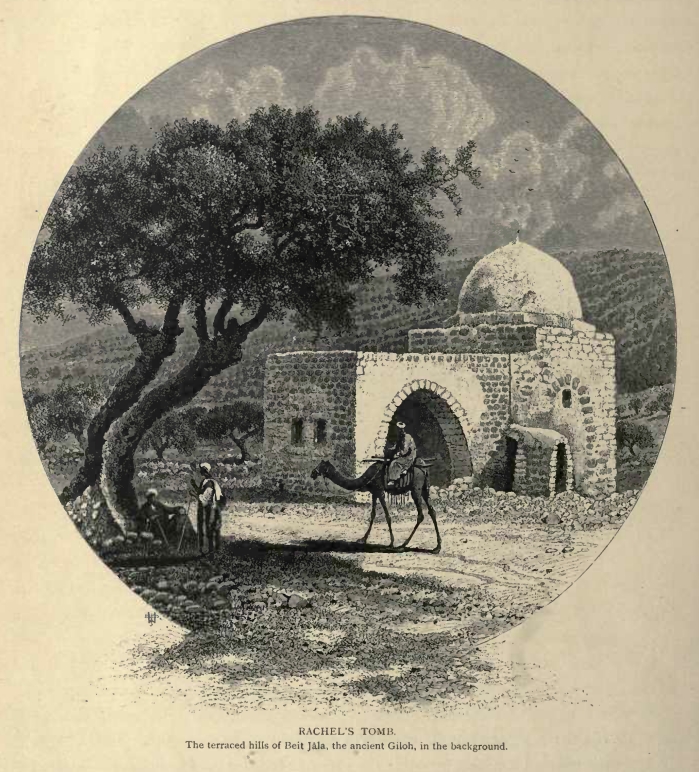 🇵🇸 Palestine and 1 moreRachel's TombQever Raḥel / Qabr Rāḥīl
A shared holy site in Bethlehem revered by Jews, Christians, and Muslims.Tradition · Speaking with spirits and the dead · Protection Living
 🇯🇵 JapanShinto shrine神社 (jinja)
A structure in Japan that houses kami, the deities of ShintoTradition · Speaking with spirits and the dead · Protection Living
🇳🇿 New Zealand and 5 moreTapu
A Polynesian concept of sacred restriction and spiritual prohibitionTradition · Protection · Speaking with spirits and the dead Living
 🇬🇧 United Kingdom and 5 moreDruidry
A modern nature religion inspired by ancient Celtic priests and Romantic idealsTradition · Protection · Speaking with spirits and the dead Living
 🇩🇪 Germany and 7 moreWalpurgis NightWalpurgisnacht
A Christian feast and folk festival marking the eve of May Day with bonfires and student celebrationsTradition · Protection · Speaking with spirits and the dead Living
 🇮🇳 IndiaSarnaism
A nature-based faith of India's Adivasi communities centered on sacred grovesTradition · Protection · Speaking with spirits and the dead Living
 🇮🇩 Indonesia and 4 moreKejawènꦏꦗꦮꦺꦤ꧀ (Kajawèn)
A Javanese tradition blending animism, Hinduism, Buddhism and Islam into a path of inner harmony.Tradition · Protection · Speaking with spirits and the dead Living
 🇰🇷 South KoreaJesa제사
A Korean ancestral memorial rite involving food offerings and ritual bowsRite · Speaking with spirits and the dead · Luck and prosperity Living
 🇺🇸 United States and 1 moreOjibwe religion
The traditional spiritual practices of the Ojibwe people of North AmericaTradition · Healing · Luck and prosperity Living
 🇲🇲 MyanmarNatနတ်
Spirits venerated in Myanmar alongside Buddhism, including deified humans and nature guardians.Tradition · Protection · Speaking with spirits and the dead Living
 🇪🇹 Ethiopia and 5 moreZārزار (Arabic), ዛር (Ge'ez)
A spirit possession tradition and healing ritual in the Horn of Africa and Middle EastTradition · Healing · Speaking with spirits and the dead Living
 🇲🇽 Mexico and 5 moreDay of the DeadDía de los Muertos
A Mexican holiday honoring the dead with altars, food, and humor during Allhallowtide.Tradition · Speaking with spirits and the dead · Luck and prosperity Living
 🇨🇺 Cuba and 5 morePalo
An Afro-Cuban religion centered on spirit vessels and ancestral powerTradition · Healing · Cursing and harm Living
 🇸🇳 Senegal and 5 moreMaraboutmurābiṭ
A Muslim religious leader and teacher in West Africa, often linked to Sufi brotherhoods.Tradition · Protection · Speaking with spirits and the dead Living
 🇮🇳 IndiaKamakhya Templekamakhya mondir
A Hindu temple in Assam known for its yoni shrine and the Ambubachi Mela festivalTradition · Protection · Healing Living
 🇬🇷 Greece and 5 morePrayer beads
Beaded strands used across religions to track the number of recited prayers or chants.Tradition · Speaking with spirits and the dead · Power and authority Living
 🇹🇭 Thailand and 7 moreSpirit house
A small shrine found across Southeast Asia to appease local protective spiritsTradition · Protection · Speaking with spirits and the dead Living
 🇳🇬 Nigeria and 5 moreIfá
A Yoruba divination system using palm nuts or chains to consult OrunmilaTradition · Seeing and foretelling · Speaking with spirits and the dead Living
 🇯🇵 Japan and 1 moreAinu religion
The animist spiritual beliefs and ritual practices of the Ainu people of Japan and RussiaTradition · Protection · Speaking with spirits and the dead Living
 🇿🇦 South Africa and 5 moreTraditional healers of Southern Africa
Practitioners who blend herbal medicine with ancestral divination in Southern AfricaTradition · Healing · Protection Living
 🇯🇵 JapanKagura神楽
A Shinto ritual dance where performers embody deities to purify and welcome spiritsTradition · Protection · Speaking with spirits and the dead Living
 🇯🇵 JapanMiko巫女
A Shinto shrine priestess and traditional female medium in JapanTradition · Speaking with spirits and the dead · Protection Living
 🇳🇴 NorwaySami religion
The animist and polytheistic beliefs of the Sámi people across northern ScandinaviaTradition · Protection · Luck and prosperity Historical
 🇮🇳 India and 1 moreDiyaदीया
A small oil lamp used in prayers and festivals across the Indian subcontinentTradition · Protection · Luck and prosperity Living
 🇺🇸 United States and 3 moreSandpainting
A ritual art of pouring colored sand to create temporary images for healing or spiritual teachingTradition · Healing · Speaking with spirits and the dead Living
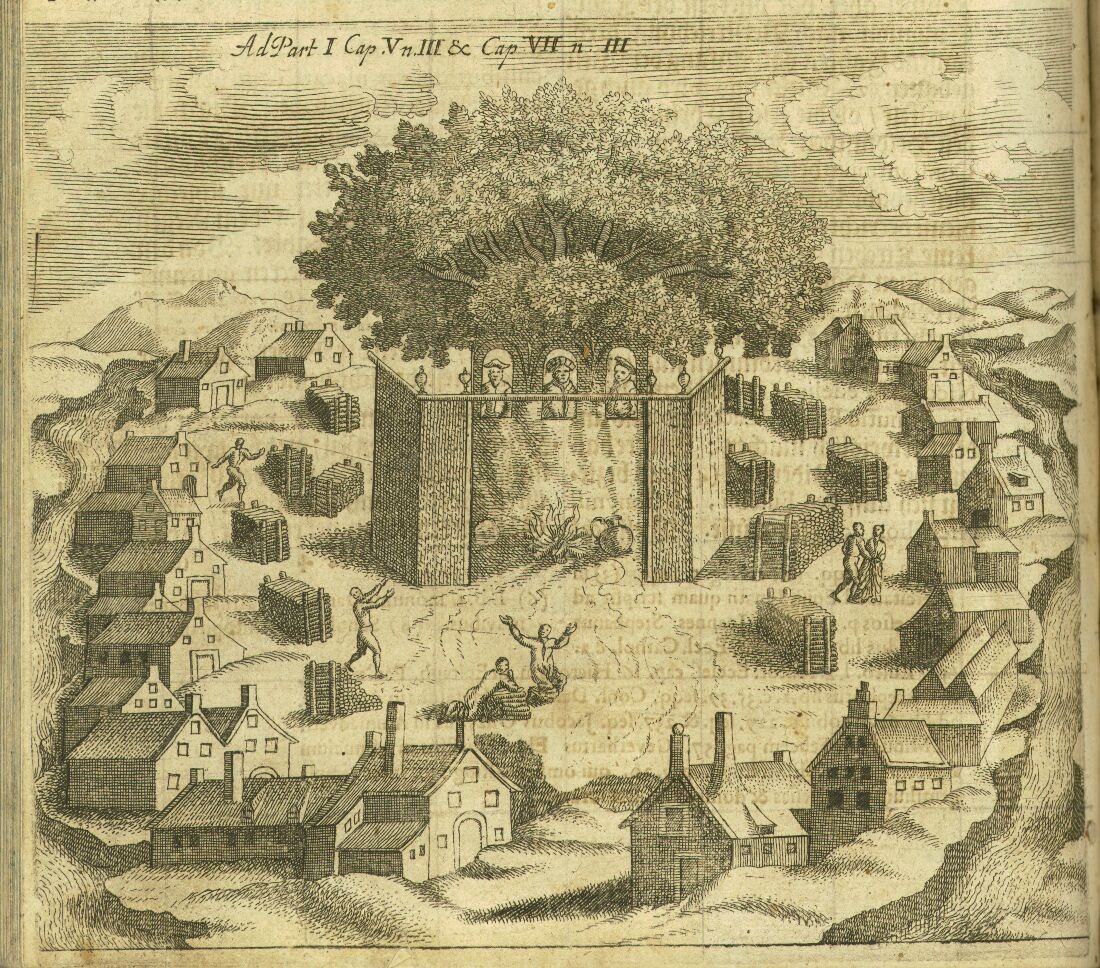 🇱🇹 Lithuania and 1 moreLithuanian mythologyLietuvių mitologija
The ancient polytheistic beliefs of the Baltic people, preserved in folklore and early chroniclesTradition · Speaking with spirits and the dead · Luck and prosperity Historical
🇯🇵 JapanNoro祝女
Ryukyuan village priestesses who tend sacred hearths and utaki shrinesTradition · Speaking with spirits and the dead · Protection Fading
 🇧🇷 Brazil and 5 moreSanto Daime
A Brazilian syncretic religion using ayahuasca for spiritual work and healingTradition · Healing · Speaking with spirits and the dead Living
🇿🇦 South Africa and 1 moreSan religion
Traditional beliefs of the San peoples of Southern Africa, centered on trance and rock artTradition · Speaking with spirits and the dead Living
 🇷🇺 Russia and 5 moreSlavic religion
The pre-Christian beliefs of the Slavic peoples before their conversion to Christianity.Tradition · Protection · Healing Revived
 🇸🇳 Senegal and 5 moreVeneration of the dead
Rituals of respect and offerings for ancestors across global culturesTradition · Protection · Speaking with spirits and the dead Living
 🇺🇸 United States and 2 moreSpiritualism
A nineteenth-century religious movement focused on communicating with the dead.Tradition · Speaking with spirits and the dead Historical
 🇺🇸 United States and 5 moreNeoshamanism
A modern spiritual practice adapting shamanic techniques for Western seekersTradition · Healing · Speaking with spirits and the dead Living
 🇨🇳 China and 5 moreRegional forms of shamanism
A global overview of indigenous spirit-interaction practices across Asia and the Americas.Tradition · Healing · Speaking with spirits and the dead Living
 🇯🇵 JapanChinkon kishin鎮魂帰神
A Japanese spiritual practice combining soul calming with spirit possessionRite · Speaking with spirits and the dead · Healing Living
 🇮🇳 India and 1 moreJagarजागर
A Himalayan night ritual to wake local deities through song and tranceRite · Protection · Healing Living
 🇺🇸 United StatesAshtar
A channeled extraterrestrial figure central to mid-century American ufology and New Age spiritualityBeing · Speaking with spirits and the dead · Seeing and foretelling Living
 🇨🇳 China and 1 moreNuo folk religion傩 (Nuó)
A Chinese exorcistic tradition using wooden masks and ancestor worship to drive away malevolent forcesTradition · Protection · Speaking with spirits and the dead Living
 🇺🇸 United States and 5 moreSpiritualist church
A worship service led by a medium to communicate with the deceasedTradition · Speaking with spirits and the dead · Healing Living
🇷🇺 Russia and 3 moreYehowistsильинцы
A Russian Spiritual Christian group founded by Nikolai Ilyin in the 1840sTradition · Protection · Speaking with spirits and the dead Living
🇳🇵 Nepal and 3 moreGurung ShamanismTamu Cho
The ancient shamanic beliefs and rituals of the Gurung people in NepalTradition · Protection · Speaking with spirits and the dead Living
 🇧🇷 Brazil and 1 moreIjexá
A Yoruba-derived rhythm central to Candomblé ritual and Brazilian carnival musicTradition · Speaking with spirits and the dead · Power and authority Living
 🇻🇳 Vietnam and 1 moreÔng Trời
A sky god of Vietnamese folk religion, later linked to the Taoist Jade EmperorBeing · Protection · Power and authority Living
 🇵🇭 PhilippinesIndigenous Philippine folk religions
The native animist belief systems of the various ethnic groups in the Philippines.Tradition · Speaking with spirits and the dead · Protection Living
🇺🇦 Ukraine and 5 moreBullroarer
A wooden slat on a string that produces a roaring sound for ritual and communication.Tradition · Protection · Speaking with spirits and the dead Living
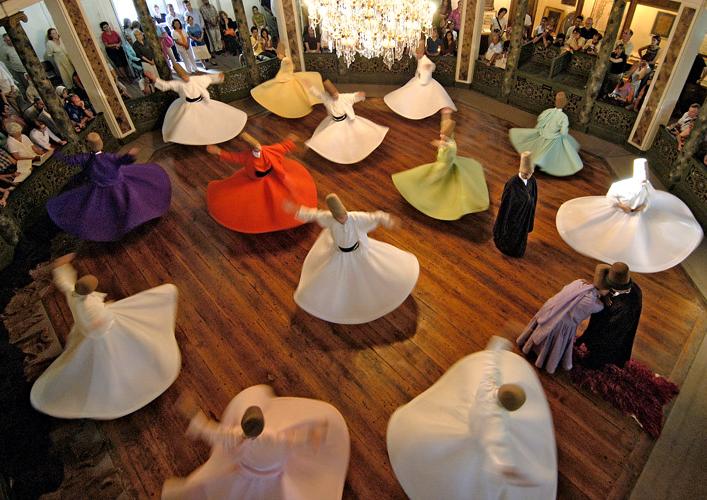 🇹🇷 Turkey and 4 moreSufi whirlingSemazen
A spinning meditation practiced by Sufi dervishes to reach spiritual connection through music and movement.Rite · Speaking with spirits and the dead · Change and initiation Living
🇮🇳 IndiaTawajjuh
A Sufi practice of transmitting spiritual energy from a master to a studentTradition · Speaking with spirits and the dead · Power and authority Living
 🇭🇹 Haiti and 1 moreHaitian Vodou and homosexuality
The place of LGBTQ people in Hait Vodou practice and beliefTradition · Speaking with spirits and the dead Living
Photo credits on this page
The small pictures above come from Wikimedia Commons under free licences. Some are cropped to fit.
- Witchcraft in the Philippines: The original uploader was Rodsan18 at English Wikipedia . ( Original t, CC BY 2.5, source
- Jesa: by Joseph Steinberg (Baltimoron in Korea) at Flickr, CC BY-SA 2.0, source
- Rachel's Tomb: Lane-Poole, Stanley, Public domain, source
- Shinto shrine: No machine-readable author provided. Fg2 assumed (based on copyright c, Public domain, source
- Druidry: TheJaySpearing, CC BY-SA 4.0, source
- Walpurgis Night: Luis Ricardo Falero, Public domain, source
- Sarnaism: বুদ্ধি, CC BY-SA 4.0, source
- Kejawèn: Greenland4, Public domain, source
- Jagar: Digvijay singh janoti, CC BY-SA 4.0, source
- Sufi whirling: myself, Public domain, source
- Ojibwe religion: Ryan Hodnett, CC BY-SA 4.0, source
- Neoshamanism: Carptrash, CC BY-SA 4.0, source
- Nat: Emily Khine, CC BY-SA 4.0, source
- Spiritualist church: Jim.henderson, CC0, source
- Zār: Emad Nemati, CC BY-SA 4.0, source
- Day of the Dead: RubeHM, CC BY-SA 4.0, source
- Palo: Burkhard Mücke, CC BY-SA 4.0, source
- Marabout: Jan Broekhuijse, CC BY-SA 3.0, source
- Kamakhya Temple: JyotiPN, CC BY-SA 4.0, source
- Prayer beads: ja:利用者:pack372sd, CC BY-SA 3.0, source
- Spirit house: Chainwit., CC BY-SA 4.0, source
- Ifá: Toluaye, Public domain, source
- Ainu religion: Unknown author, Public domain, source
- Traditional healers of Southern Africa: Wizzy, CC BY-SA 3.0, source
- Christian-Vodou: Calvin Hennick, for WBUR Boston, CC BY 3.0, source
- Kagura: Elstner Hilton, Public domain, source
- Miko: Chris Gladis, Flickr user MShades, CC BY 2.0, source
- Sami religion: Zouavman Le Zouave, CC BY-SA 3.0, source
- Diya: Suyash Dwivedi, CC BY-SA 4.0, source
- Sandpainting: Mnolf, CC BY-SA 3.0, source
- Lithuanian mythology: Prussian historian Christophorus Hartknoch (1644-1687), Public domain, source
- Santo Daime: Tonelada, CC BY-SA 3.0, source
- Slavic religion: Alphonse Mucha, Public domain, source
- Veneration of the dead: Anonymous ( Flemish ) Unknown author, Public domain, source
- Ông Trời: Bùi Thụy Đào Nguyên, CC BY-SA 3.0, source
- Nuo folk religion: Wikiwikiyarou, CC BY-SA 3.0, source
- Spiritualism: Rossington, W. W. and Garrett, J. Ellwood, Public domain, source
- Chinkon kishin: Tomokiyo Yoshisane (友清歓真), also known as Tomokiyo Kyūgo (友清九吾), Public domain, source
- Regional forms of shamanism: Man Sing, Public domain, source
- Ashtar: Evedawn99, Public domain, source
- Ijexá: Alex@Eddi ( Diskussion ), CC BY-SA 3.0, source