
Neoshamanism
from the prefix neo meaning new combined with shamanism
A modern spiritual practice adapting shamanic techniques for Western seekers
Neoshamanism describes contemporary spiritual practices that borrow elements from traditional shamanism without maintaining direct ties to the originating cultures. It emerged in the late twentieth century through writers and teachers who adapted indigenous rituals into a universal system for personal growth.
- Michael Harner created Core Shamanism in the 1980s
- Carlos Castaneda's books sparked interest in universal shamanism
- Three people died in a 2009 Arizona sweat lodge ceremony
- Critics accuse the practice of cultural appropriation
- Ayahuasca tourism poses health risks in Peru
What it is
Neoshamanism refers to modern spiritual movements that adopt shamanic methods outside their original cultural contexts. Practitioners typically seek altered states of consciousness to interact with spirit beings or achieve personal healing. The practice emphasizes individual experience over community obligation. It often blends elements from various indigenous traditions into a single cohesive system. Critics view it as a form of cultural borrowing that strips rituals of their specific meanings. Supporters argue it offers universal tools for spiritual exploration available to anyone willing to learn.
Where it comes from
The movement traces its roots to the mid-twentieth century counterculture and postmodern thought. Scholars point to Mircea Eliade’s work on archaic ecstasy as a foundational influence. Carlos Castaneda’s accounts of Yaqui teachings further popularized the concept of a universal shamanic path. Michael Harner later synthesized these ideas into Core Shamanism during the 1980s. He claimed to extract common techniques from South American shamans while removing specific cultural markers. This approach aimed to make shamanic practices accessible to Western audiences without requiring adherence to indigenous belief systems.
How it is done
Practitioners use rhythmic drumming, chanting, and dancing to induce trance states. Some incorporate entheogenic substances to facilitate spiritual journeys. Animal spirits are often invoked as guides or sources of power. Rituals may include soul retrieval ceremonies or simulated sweat lodges. Participants frequently engage in group drum circles to foster communal energy. These activities focus on internal transformation rather than external community service. The methods are designed to be easily learned by individuals without prior initiation.
Tools and materials
Drums serve as the primary instrument for guiding participants into trance. Rattles and other percussion devices accompany the rhythmic patterns. Entheogens such as ayahuasca are used in some ceremonial contexts. Dance and movement help practitioners navigate altered states of consciousness. Visualizations of animal spirits provide symbolic support during journeys. These tools are selected for their ability to alter perception and facilitate spiritual connection.
Neoshamanism, drawn and placed
- Living
- Revived
- Fading
- Historical
- Legendary
- Performed
- Lineage
- New Age spirituality
- Timing
- during retreats and ceremonies
What it is for
The practice aims to heal emotional wounds and restore personal balance. Seekers hope to communicate with spirit guides for wisdom and protection. Many participants view the experience as a path to self-discovery and empowerment. Healing is often directed toward the individual rather than the wider community. Some practitioners offer services to paying clients for spiritual counseling. The goal is typically personal enlightenment rather than maintaining cosmic order.
Who does it
Anyone can become a neoshaman through study and participation in workshops. There is no requirement for community selection or hereditary succession. Teachers often claim direct lineage from indigenous shamans though this is disputed. Training usually occurs in structured retreats or online courses. Practitioners may identify as healers, guides, or spiritual leaders. Gender roles are generally flexible compared to traditional societies.
Peoples and places
The practice is most prevalent in Western nations where New Age spirituality thrives. Indigenous communities in the Americas have expressed concern over the appropriation of their rituals. Peruvian and Mexican traditions are frequently cited as sources of inspiration. Australian Aboriginal practices are sometimes referenced in broader shamanic discussions. Indian spiritual concepts occasionally intersect with neoshamanic ideas. The global nature of the movement leads to diverse interpretations across different regions.
At a glance: who, where and when
What people believe
Neoshamanism posits a reality where material and spiritual worlds coexist. Practitioners believe that consciousness can travel beyond physical limitations. Spirits are viewed as benevolent forces offering guidance and healing. Fear and aggression are often minimized in favor of love and compassion. The tradition rejects strict dogma in favor of personal experiential knowledge. Beliefs about the spirit world vary widely among individual practitioners.
When it is done
Ceremonies occur throughout the year without fixed religious holidays. Retreats often span weekends or weeks depending on the program. Daily practices may involve meditation or drumming sessions. Life transitions such as birthdays or personal crises may trigger ritual observance. Seasonal changes are sometimes marked by specific gatherings. The timing is flexible and determined by individual or group needs.
How scholars and sceptics see it
Anthropologists criticize neoshamanism for ignoring the cultural specificity of indigenous traditions. Some scholars argue that the practice homogenizes diverse spiritual systems. Critics highlight the commercial exploitation of sacred rituals for profit. Researchers note that neoshamanic narratives often differ significantly from traditional accounts. Academic debates continue regarding the ethical implications of cultural borrowing. Some researchers acknowledge the psychological benefits reported by participants.
Cautions and what is closed
Deaths have occurred during poorly supervised sweat lodge ceremonies. Tourists consuming ayahuasca in Peru have faced serious health risks. Unregulated practitioners may lack the training to handle intense spiritual experiences. Financial fraud is a concern given the high cost of many retreats. Native American activists warn against the commodification of their sacred traditions. Participants should exercise caution when seeking unverified spiritual leaders.
Compare and confuse
Neoshamanism differs from traditional shamanism in its emphasis on personal choice over community duty. It shares similarities with New Age spirituality in its eclectic approach to belief. Core Shamanism represents a specific standardized version of the practice. Other forms may incorporate elements from various indigenous cultures without standardization. The distinction lies in the removal of cultural context and specific theological frameworks.
Law and persecution
Legal status varies by country depending on the use of controlled substances. Ayahuasca ceremonies face regulatory scrutiny in some jurisdictions. Sweat lodge operations have been investigated following fatal incidents. Cultural heritage laws may protect certain indigenous rituals from unauthorized use. Practitioners must navigate complex legal landscapes regarding drug use and spiritual practice. Enforcement often focuses on public safety rather than spiritual content.
Questions people ask about Neoshamanism
What is neoshamanism?
It is a modern spiritual practice that adapts shamanic techniques for Western seekers. It focuses on personal growth and altered states of consciousness. The practice borrows elements from indigenous traditions without maintaining direct cultural ties.
Where did neoshamanism originate?
It emerged in the late twentieth century through writers like Mircea Eliade and Carlos Castaneda. Michael Harner later formalized it as Core Shamanism. The movement draws from counterculture and postmodern influences.
How do practitioners enter trance states?
They use rhythmic drumming, chanting, and dance. Some incorporate entheogenic substances. These methods aim to facilitate communication with spirit guides and achieve personal healing.
Is neoshamanism considered authentic shamanism?
Scholars and indigenous communities often distinguish it from traditional forms. Traditional shamanism involves community selection and specific cultural contexts. Neoshamanism is typically self-directed and decontextualized.
Good reading and sources
The facts on this page come from the Wikipedia article "Neoshamanism", written by its contributors and used under the CC BY-SA 4.0 licence, and from its Wikidata record (CC0). EveryJaadu rewrote the text in its own words, with AI assistance, and compares every page with the article to make sure no passage is copied. It may be reused under the same CC BY-SA 4.0 licence with a link back.
It may contain mistakes. Names and customs differ from one community to the next, and some knowledge is closed to outsiders and left out here. This page describes belief and practice. It does not say that any of it works, it is not a how-to, and it is not medical advice. If something is wrong, tell us. Last refreshed 2026-10-06.
More from the United States
All the entries from the United States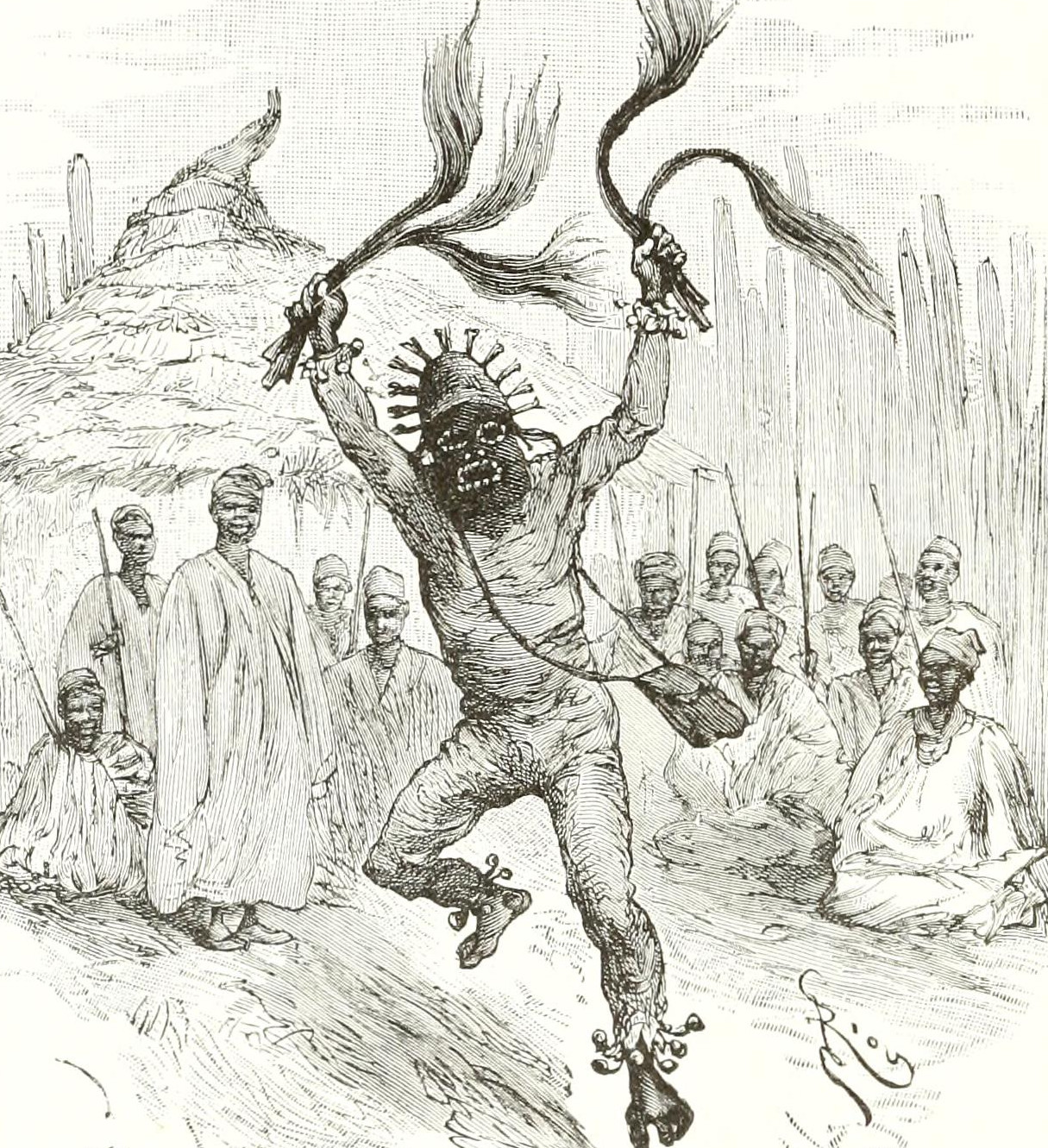 🇺🇸 United States and 2 moreLouisiana Voodoo
An African diasporic religion practiced in Louisiana from the 18th to early 20th centuriesTradition · Healing · Protection Historical
🇺🇸 United States and 2 moreLouisiana Voodoo
An African diasporic religion practiced in Louisiana from the 18th to early 20th centuriesTradition · Healing · Protection Historical
 🇺🇸 United StatesFolk healer
An unlicensed community member who provides healing care using local plants and traditional knowledge.Tradition · Healing · Protection Historical
🇺🇸 United StatesFolk healer
An unlicensed community member who provides healing care using local plants and traditional knowledge.Tradition · Healing · Protection Historical
 🇺🇸 United States and 1 moreMedicine wheel
Circular stone formations built by Indigenous peoples of North America for ceremony and astronomy.Tradition · Speaking with spirits and the dead · Power and authority Living
🇺🇸 United States and 1 moreMedicine wheel
Circular stone formations built by Indigenous peoples of North America for ceremony and astronomy.Tradition · Speaking with spirits and the dead · Power and authority Living
 🇺🇸 United States and 1 moreGroundhog DayGrund'sau dåk
A North American custom using a burrowing rodent to forecast the end of winterTradition · Seeing and foretelling · Luck and prosperity Living
🇺🇸 United States and 1 moreGroundhog DayGrund'sau dåk
A North American custom using a burrowing rodent to forecast the end of winterTradition · Seeing and foretelling · Luck and prosperity Living
Related elsewhere
All tradition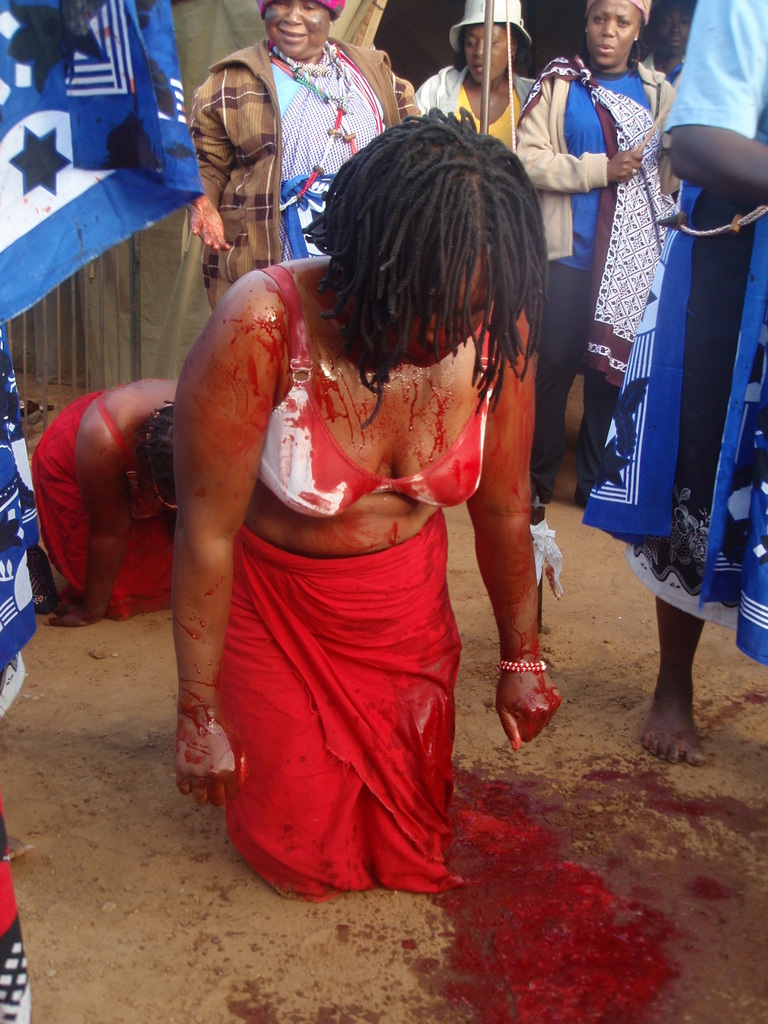 🇿🇦 South AfricaUkuthwasa
A spiritual calling and initiation process for traditional healers in Southern Africa.Rite · Healing · Speaking with spirits and the dead Living
🇿🇦 South AfricaUkuthwasa
A spiritual calling and initiation process for traditional healers in Southern Africa.Rite · Healing · Speaking with spirits and the dead Living
 🇯🇵 JapanChinkon kishin鎮魂帰神
A Japanese spiritual practice combining soul calming with spirit possessionRite · Speaking with spirits and the dead · Healing Living
🇯🇵 JapanChinkon kishin鎮魂帰神
A Japanese spiritual practice combining soul calming with spirit possessionRite · Speaking with spirits and the dead · Healing Living
 🇮🇳 IndiaChakraचक्र
Meditation points in the subtle body used in Hindu and Buddhist yogaTradition · Speaking with spirits and the dead · Change and initiation Living
🇮🇳 IndiaChakraचक्र
Meditation points in the subtle body used in Hindu and Buddhist yogaTradition · Speaking with spirits and the dead · Change and initiation Living
 🇸🇳 Senegal and 1 moreSerer religionA ƭat Roog
The traditional faith of the Serer people, centred on the supreme deity Roog and ancestral veneration.Tradition · Protection · Speaking with spirits and the dead Living
🇸🇳 Senegal and 1 moreSerer religionA ƭat Roog
The traditional faith of the Serer people, centred on the supreme deity Roog and ancestral veneration.Tradition · Protection · Speaking with spirits and the dead Living