![downloaded from American Memory [1] (Sheet music cover page, for voice and piano) Rossington, W. W. and Garrett, J. Ellwood (Lyricist) Spirit rappings. Boston; St. Louis, Massachusetts; Missouri, Oliver Ditson & Co.; Joh](https://upload.wikimedia.org/wikipedia/commons/1/1b/Spirit_rappings_coverpage_to_sheet_music_1853.jpg)
Spiritualism
A nineteenth-century religious movement focused on communicating with the dead.
Spiritualism is a social and religious movement that began in the United States during the 1840s. It holds that human consciousness survives death and that the living can contact spirits through trained mediums.
- Started in 1848 with the Fox sisters' rapping noises.
- Believes spirits evolve in a non-static afterlife.
- Strong links to abolitionism and women's rights.
- Fraud accusations weakened credibility by the 1880s.
- Practiced today via denominational churches in US and UK.
What it is
Spiritualism is a religious movement based on the belief that personal awareness continues after physical death. Adherents hold that this spirit world is not static but evolving, allowing for interaction between the deceased and the living. The practice centers on mediumship, where individuals claim to channel messages from spirits. These communications often address moral guidance and the nature of the divine. Many followers rely on specific spirit guides for direction. The movement emphasizes direct spiritual experience over established church doctrine, creating a decentralized network of believers who seek proof of the afterlife through sensory evidence.
Where it comes from
The movement emerged in the 1840s in upstate New York, an area known as the Burned-over District due to intense religious fervor. Early influences included the writings of Emanuel Swedenborg and the trance techniques of Franz Mesmer. Spiritualists officially mark March 31, 1848, as their start date, following reports by Kate and Margaret Fox. They claimed to communicate with a murdered peddler's spirit through rapping sounds. This event sparked widespread interest and led to the formation of early circles involving radical Quakers and social reformers.
How it is done
Practitioners conduct formal communication sessions called séances. Mediums serve as intermediaries, using various methods to convey spirit messages. Common techniques include automatic writing, where the medium writes without conscious control, and physical phenomena like audible knocks or raps. Trance lecturers also spoke while in altered states, delivering sermons attributed to spirits. These events were often public performances designed to provide entertainment and spiritual comfort to attendees seeking connection with lost relatives.
Tools and materials
Séance tables served as central focal points for group gatherings. Automatic writing required paper and pens for mediums to record spirit dictation. Physical manifestations relied on auditory cues such as rapping noises or knocking sounds. Some practitioners used trances induced by mesmeristic techniques to facilitate contact. The environment was often arranged to encourage sensory perception of these alleged supernatural events, though no standardized ritual tools were universally mandated across the informal movement.
Spiritualism, drawn and placed
- Living
- Revived
- Fading
- Historical
- Legendary
- Performed
- Lineage
- New religious movement
- Timing
- during séances
What it is for
The primary goal was to prove the existence of an afterlife and maintain bonds with deceased loved ones. Grief-stricken families, particularly those affected by the American Civil War, sought solace through these contacts. The movement also provided moral instruction, with spirits offering advice on ethical living. Additionally, it supported social reform causes, including abolitionism and women's suffrage, as adherents believed spirits endorsed these progressive changes. Followers viewed the practice as a way to access higher wisdom and divine truth directly.
Who does it
Mediums were the central figures, claiming innate gifts or acquired skills to bridge the spirit and physical worlds. Anyone could theoretically become a medium through study and practice. Prominent trance lecturers, often women, gained fame for their eloquent speeches delivered in altered states. The movement attracted many women who found leadership roles unavailable in mainstream churches. Training involved learning to induce trances or interpret subtle signs. Skeptics noted that showmanship played a significant role in maintaining audience engagement and securing financial support.
Peoples and places
The movement originated among Americans in New York, heavily influenced by Hicksite Quakers and radical reformers. It spread to English-speaking countries, gaining significant followings in the United Kingdom and Canada. In the UK, organizations like the Spiritualists' National Union structured teachings around specific principles. The movement appealed to diverse groups, including utopian socialists and those disillusioned with traditional religion. Native American themes occasionally appeared in séances, reflecting complex cultural interactions and guilt within the American context.
At a glance: who, where and when
Belief worlds
Occasions


What people believe
Spiritualists view the afterlife as a dynamic realm where spirits evolve and progress through higher planes. They believe humans are discarnate humans who continue to learn and grow. Communication with these entities is possible and beneficial for moral development. Spirits are seen as intermediates between God and humanity, capable of revealing divine truths. The movement rejects rigid dogma, favoring personal spiritual experience. Believers hold that direct contact validates the continuity of consciousness and offers hope beyond physical death, reinforcing ethical behavior and social justice.
When it is done
Séances were conducted regularly, often daily or weekly, within spiritualist homes and churches. Public lectures and camp meetings occurred throughout the year, attracting large crowds. The movement did not adhere to a strict liturgical calendar but responded to personal crises and grief periods. Major historical dates like the Fox sisters' initial contact were commemorated. Seasonal gatherings and conventions allowed for community building and the exchange of ideas among dispersed believers across different regions.
How scholars and sceptics see it
Historians note the movement's peak popularity in the late nineteenth century, followed by decline due to fraud accusations. Investigations, such as the Seybert Commission report, exposed widespread deception among mediums. Scholars analyze the movement's link to social reforms, highlighting how spiritualism empowered women and supported abolitionist causes. Psychologists study the trance states and suggestibility factors involved in mediumship. Critics point to the profit motive and sensationalism, while adherents emphasize the genuine emotional comfort and philosophical insights derived from their practices.
Cautions and what is closed
Fraud was a persistent issue, with many mediums accused of fabricating phenomena for financial gain. High-profile cases, including the Fox sisters' admission of hoaxing, damaged the movement's credibility. Legal prosecutions occurred against fraudulent practitioners. Skeptics argued that psychological factors and suggestion explained most experiences. The movement faced criticism for exploiting grief and offering false hope. Despite these issues, many participants remained devoted, distinguishing between genuine spiritual experiences and deceptive performances. The lack of formal organization made regulation difficult.
Compare and confuse
Spiritualism shares elements with mesmerism and Swedenborgianism but differs in its emphasis on direct communication rather than theological interpretation. It contrasts with organized religions by rejecting canonical texts and centralized authority. Unlike folk magic traditions, it focuses on linear progression of the soul rather than cyclical rituals. The movement overlaps with other new religious movements of the era but stands out for its global reach and institutional development in English-speaking countries. Its legacy influences modern paranormal research and contemporary spiritualist churches.
Questions people ask about Spiritualism
What is Spiritualism?
It is a religious movement believing that consciousness survives death and can be contacted by the living through mediums.
Where did it originate?
It began in the 1840s in upstate New York, inspired by the Fox sisters' reported spirit communications.
How do people communicate with spirits?
Through séances where mediums use methods like automatic writing or trance speaking to relay messages from the deceased.
Why was it popular in the 19th century?
It offered comfort to those grieving losses from wars like the Civil War and aligned with social reform movements.
Good reading and sources
- Spiritualism (movement) on WikipediaEncyclopedia
- More photos on Wikimedia CommonsPhotos and video
- Wikidata recordOpen data
The facts on this page come from the Wikipedia article "Spiritualism (movement)", written by its contributors and used under the CC BY-SA 4.0 licence, and from its Wikidata record (CC0). EveryJaadu rewrote the text in its own words, with AI assistance, and compares every page with the article to make sure no passage is copied. It may be reused under the same CC BY-SA 4.0 licence with a link back.
It may contain mistakes. Names and customs differ from one community to the next, and some knowledge is closed to outsiders and left out here. This page describes belief and practice. It does not say that any of it works, it is not a how-to, and it is not medical advice. If something is wrong, tell us. Last refreshed 2026-10-06.
More from the United States
All the entries from the United States 🇺🇸 United States and 2 moreLouisiana Voodoo
An African diasporic religion practiced in Louisiana from the 18th to early 20th centuriesTradition · Healing · Protection Historical
🇺🇸 United States and 2 moreLouisiana Voodoo
An African diasporic religion practiced in Louisiana from the 18th to early 20th centuriesTradition · Healing · Protection Historical
 🇺🇸 United States and 1 moreGroundhog DayGrund'sau dåk
A North American custom using a burrowing rodent to forecast the end of winterTradition · Seeing and foretelling · Luck and prosperity Living
🇺🇸 United States and 1 moreGroundhog DayGrund'sau dåk
A North American custom using a burrowing rodent to forecast the end of winterTradition · Seeing and foretelling · Luck and prosperity Living
 🇺🇸 United StatesFolk healer
An unlicensed community member who provides healing care using local plants and traditional knowledge.Tradition · Healing · Protection Historical
🇺🇸 United StatesFolk healer
An unlicensed community member who provides healing care using local plants and traditional knowledge.Tradition · Healing · Protection Historical
 🇺🇸 United States and 3 moreMediumship
The practice of mediating communication between the living and spirits of the dead.Tradition · Speaking with spirits and the dead Living
🇺🇸 United States and 3 moreMediumship
The practice of mediating communication between the living and spirits of the dead.Tradition · Speaking with spirits and the dead Living
Related elsewhere
All tradition 🇮🇳 IndiaChakraचक्र
Meditation points in the subtle body used in Hindu and Buddhist yogaTradition · Speaking with spirits and the dead · Change and initiation Living
🇮🇳 IndiaChakraचक्र
Meditation points in the subtle body used in Hindu and Buddhist yogaTradition · Speaking with spirits and the dead · Change and initiation Living
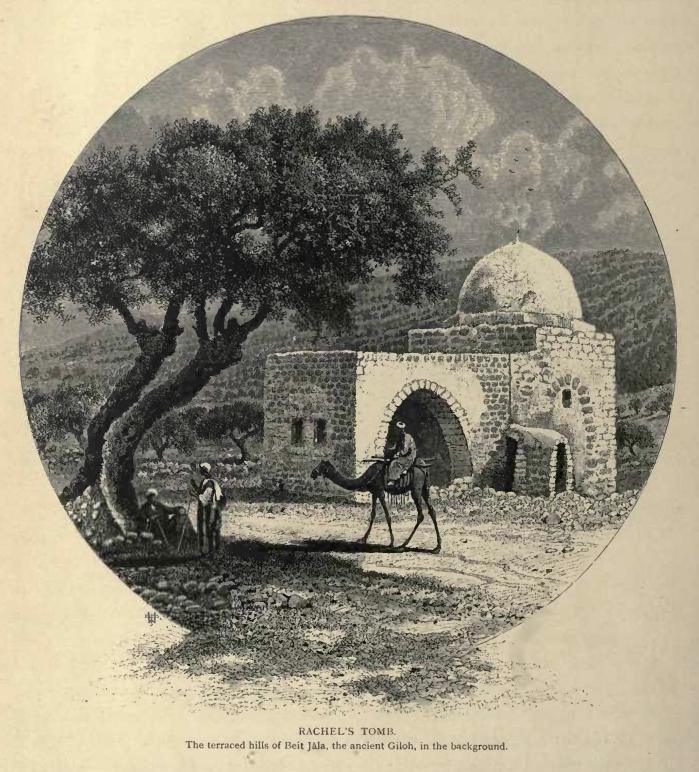 🇵🇸 Palestine and 1 moreRachel's TombQever Raḥel; Qabr Rāḥīl
A shared holy site near Bethlehem revered by Jews, Christians, and MuslimsTradition · Speaking with spirits and the dead · Protection Living
🇵🇸 Palestine and 1 moreRachel's TombQever Raḥel; Qabr Rāḥīl
A shared holy site near Bethlehem revered by Jews, Christians, and MuslimsTradition · Speaking with spirits and the dead · Protection Living
 🇳🇬 NigeriaOrunmilaỌ̀rúnmìlà
Yoruba deity of wisdom and the creator of the Ifá divination systemBeing · Seeing and foretelling · Speaking with spirits and the dead Living
🇳🇬 NigeriaOrunmilaỌ̀rúnmìlà
Yoruba deity of wisdom and the creator of the Ifá divination systemBeing · Seeing and foretelling · Speaking with spirits and the dead Living
 🇪🇸 Spain and 5 moreSt John's Eve
A Christian vigil marked by bonfires and plant gathering on the summer solstice eveRite · Protection · Speaking with spirits and the dead Living
🇪🇸 Spain and 5 moreSt John's Eve
A Christian vigil marked by bonfires and plant gathering on the summer solstice eveRite · Protection · Speaking with spirits and the dead Living