
Miko
In its own language: 巫女
from kanji meaning shaman woman, or archaically kami child
A Shinto shrine priestess and traditional female medium in Japan
A miko is a young woman who serves at a Shinto shrine in Japan. Historically viewed as shamans or mediums for spirits, the role has evolved into an institutionalized position focused on ritual dance and shrine duties.
- Miko wear red hakama and white kosode
- Role evolved from shaman to shrine employee
- Perform Kagura dance and sacred cleansing
- Meiji era banned independent spirit work
- Term means shaman woman in Japanese
What it is
A miko is a young woman who works at a Shinto shrine in Japan. The term translates to shrine maiden, though it originally described a female shaman. Modern miko perform sacred cleansing and dance the Kagura. Historically, they were seen as mediums who entered trances to convey messages from kami, the Japanese spirits or gods. This practice resembles the trance work of other global traditions but is specific to Japanese religious history.
Where it comes from
The tradition dates to the prehistoric Jōmon period. Early records mention Himiko, a figure from ancient Japan, though her exact role is debated. The word miko combines characters for shaman and woman. It was also written as kami child. Over time, the term shifted from describing independent spirit workers to formal shrine employees. Government controls in the Nara and Heian periods tried to regulate these practices.
How it is done
Miko perform rituals at shrines. They wear red trousers and white tops. During dances, they add a white garment called a chihaya. They use items like a catalpa bow and sakaki branches. Ceremonies involve bells, drums, and candles. Historically, training included cold water washes and abstinence. Initiates learned to control trance states through chanting and dancing.
Tools and materials
Traditional attire includes red hakama and a white kosode. A chihaya is worn over the top during dances. Tools include the Azusa Yumi, a catalpa bow, and tamagushi, which are sakaki branches used as offerings. Other items are bells, drums, candles, gohei, and bowls of rice. Mirrors and swords were also used in older rites to attract spirits.
Miko, drawn and placed
- Living
- Revived
- Fading
- Historical
- Legendary
- Performed
- Lineage
- Shinto folk religion
- Timing
- during ceremonies and daily shrine service
What it is for
Miko assist with shrine functions and offer fortune telling. They sell souvenirs and help priests. Historically, they sought divine will through spirit possession. This involved entering a trance to speak for a kami. Some acted as mediums for the dead. Their work aimed to connect the community with spiritual forces and maintain ritual purity.
Who does it
Miko are typically young women, often students. They receive a modest wage for part-time work. Historically, training began after puberty under an elder shaman. The process took years and involved strict taboos. Initiation required surviving a trance induced by mentors. Today, the role is institutionalized rather than hereditary. Many serve while attending university.
Peoples and places
The practice is central to Japanese Shinto culture. It differs from Chinese or Korean shamanism, though similarities exist. In Japan, miko split into shrine attendants and itinerant mediums. The latter faced decline due to government suppression. Modern miko focus on performance and service. Historical texts list many names for these women, reflecting their varied roles across regions.
At a glance: who, where and when
Who does it
Peoples
Belief worlds
Occasions


What people believe
Shinto holds that kami inhabit nature and objects. Miko act as bridges to these spirits. Trance states allow communication with the divine. Possession can be passive or active. The role requires purity, symbolized by white clothing. Spirits may choose a miko through dreams or visits. The trainee becomes a bride to the kami she serves, ending her previous life.
When it is done
Miko work daily at shrines. They perform during festivals and special rites. The Kagura dance is a key ceremonial element. Historically, specific times marked initiation or trance events. Some rites occurred at night when spirits visited. The calendar follows the Shinto liturgical year, with peak activity during major shrine holidays.
How scholars and sceptics see it
Researchers view miko as a blend of priestess and shaman. Some call the system Mikoism. Scholars note the shift from ecstatic trance to formal duty. Ethnologists categorize modern types, such as blind itako. Historians point to government bans in the Meiji era that suppressed shamanic practices.
Cautions and what is closed
Historical miko faced persecution. Government edicts banned spiritual practices in 1873. Itinerant miko were associated with prostitution and poverty. Modern miko face no legal risks. The role is safe and regulated. Outsiders cannot access secret training methods. The tradition respects boundaries between the spiritual and secular worlds.
Compare and confuse
Miko differ from Greek pythias or sibyls, though both enter trances. They resemble Chinese female shamans but have distinct Japanese features. The term is not to be confused with titles meaning prince or princess. Mikoism is a unique Japanese complex. Other cultures have similar female spirit workers, but the miko is specific to Shinto shrines.
Law and persecution
Meiji government laws restricted miko activities. An 1873 edict forbade spiritual practices. Shrines were separated from Buddhism. State Shinto elevated the emperor above all. Miko lost their political influence. Today, the role is legal and protected. It is part of Japan's cultural heritage. No persecution exists for modern shrine maidens.
Questions people ask about Miko
What is a miko?
A miko is a young woman who serves at a Shinto shrine in Japan. She performs rituals, dances, and assists priests. The role combines historical shamanic roots with modern shrine duties.
Where does the word come from?
The word comes from Japanese kanji meaning shaman woman. It was also written as kami child. The term reflects her role as a bridge between people and spirits.
Do miko still perform spirit possession?
Most modern miko do not. They focus on dance and shrine service. Historically, some entered trances to convey messages. This practice was largely suppressed by government laws.
What do they wear?
They wear red divided trousers and a white top. A white garment called a chihaya is added for dances. White symbolizes purity in Shinto belief.
Good reading and sources
- Miko on WikipediaEncyclopedia
- More photos on Wikimedia CommonsPhotos and video
- Wikidata recordOpen data
The facts on this page come from the Wikipedia article "Miko", written by its contributors and used under the CC BY-SA 4.0 licence, and from its Wikidata record (CC0). EveryJaadu rewrote the text in its own words, with AI assistance, and compares every page with the article to make sure no passage is copied. It may be reused under the same CC BY-SA 4.0 licence with a link back.
It may contain mistakes. Names and customs differ from one community to the next, and some knowledge is closed to outsiders and left out here. This page describes belief and practice. It does not say that any of it works, it is not a how-to, and it is not medical advice. If something is wrong, tell us. Last refreshed 2026-10-06.
More from Japan
All the entries from Japan 🇨🇳 China and 3 moreChinese dragon龍
A legendary water deity and imperial symbol in East Asian cultureBeing · Protection · Luck and prosperity Historical
🇨🇳 China and 3 moreChinese dragon龍
A legendary water deity and imperial symbol in East Asian cultureBeing · Protection · Luck and prosperity Historical
 🇯🇵 JapanOnmyōdō陰陽道
A Japanese system of divination and calendar science rooted in yin-yang philosophyTradition · Seeing and foretelling · Protection Revived
🇯🇵 JapanOnmyōdō陰陽道
A Japanese system of divination and calendar science rooted in yin-yang philosophyTradition · Seeing and foretelling · Protection Revived
 🇯🇵 JapanBaku獏
A Japanese spirit said to eat bad dreams and protect sleepersBeing · Protection Living
🇯🇵 JapanBaku獏
A Japanese spirit said to eat bad dreams and protect sleepersBeing · Protection Living
 🇨🇳 China and 5 moreGhost FestivalZhongyuan Festival; Yulanpen Festival
A festival to feed wandering spirits and guide them home during the seventh lunar month.Tradition · Speaking with spirits and the dead · Protection Living
🇨🇳 China and 5 moreGhost FestivalZhongyuan Festival; Yulanpen Festival
A festival to feed wandering spirits and guide them home during the seventh lunar month.Tradition · Speaking with spirits and the dead · Protection Living
Related elsewhere
All tradition 🇪🇸 Spain and 5 moreSt John's Eve
A Christian vigil marked by bonfires and plant gathering on the summer solstice eveRite · Protection · Speaking with spirits and the dead Living
🇪🇸 Spain and 5 moreSt John's Eve
A Christian vigil marked by bonfires and plant gathering on the summer solstice eveRite · Protection · Speaking with spirits and the dead Living
 🇮🇳 India and 2 moreHomaहोम
A fire ritual found across Asian religions where offerings are burned as a votive exchange with the divine.Rite · Protection · Speaking with spirits and the dead Living
🇮🇳 India and 2 moreHomaहोम
A fire ritual found across Asian religions where offerings are burned as a votive exchange with the divine.Rite · Protection · Speaking with spirits and the dead Living
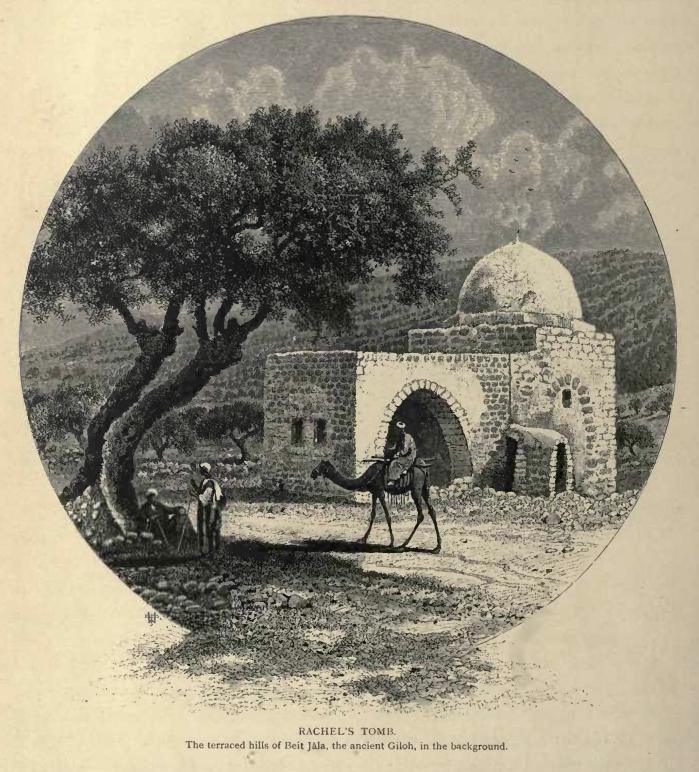 🇵🇸 Palestine and 1 moreRachel's TombQever Raḥel; Qabr Rāḥīl
A shared holy site near Bethlehem revered by Jews, Christians, and MuslimsTradition · Speaking with spirits and the dead · Protection Living
🇳🇿 New ZealandKarakia
Māori recitations used for spiritual guidance, protection, and formal greetingsTradition · Protection · Speaking with spirits and the dead Living
🇵🇸 Palestine and 1 moreRachel's TombQever Raḥel; Qabr Rāḥīl
A shared holy site near Bethlehem revered by Jews, Christians, and MuslimsTradition · Speaking with spirits and the dead · Protection Living
🇳🇿 New ZealandKarakia
Māori recitations used for spiritual guidance, protection, and formal greetingsTradition · Protection · Speaking with spirits and the dead Living