
Ifá is a geomantic divination tradition from Yorubaland in West Africa. It is overseen by the spirit Orunmila and uses a corpus of 256 signs interpreted by initiated priests.
- 256 binary signs called Odù form the literary corpus
- Priests are called babaláwo in Yoruba and bokɔnɔ in Fon
- Sacred palm nuts and divining chain are primary tools
- Gbădu is Fá's wife, source of power and danger
- Spread from Yorubaland to Cuba via Atlantic slave trade
What it is
Ifá is a geomantic divination system originating in Yorubaland, West Africa. It is part of the traditional religion of the Yoruba people and is also found among followers of West African Vodun and diasporic religions like Cuban Santería. The practice is believed to be overseen by the orisha Orunmila, who gave it to humanity. It serves as an oracle for spiritual guidance and divine intervention. The system consists of 256 binary signs called Odù, which are used to interpret life situations and consequences through poetic tutorials passed down orally.
Where it comes from
Traditional lore states Ifá began in Ile-Ife, where Orunmila initiated himself and his students Akoda and Aseda. Historical records note its spread with Yoruba influence into Benin, Togo, and Ghana. In the late 1400s, Arugba introduced Ifá to the Oyo empire. Linguists suggest it may have evolved from a simpler divinatory system. The Atlantic slave trade carried initiates to the Americas, where it survived in Cuba and later expanded to Brazil and the United States through transnational links in the 1970s.
How it is done
Divination involves casting sacred palm nuts or a divining chain on a wooden tray to determine one of 256 Odù signs. The priest interprets the fall of the nuts or chain against memorized poetic tutorials. Before casting, the diviner may sing to call forth Fá. The process is mathematical and ritualistic, requiring specific tools and often animal sacrifices. The outcome guides the client on actions, taboos, and offerings needed to address their problem.
Tools and materials
The primary tools are sacred palm nuts (Ikin) and a divining chain (Ọ̀pẹ̀lẹ̀), placed on a wooden divination tray (Ọpọ́n Ifá). The tray's quality can reflect the priest's status. A metal staff (ọ̀pá òòsùn) capped with a disk or rooster is also used, washed in leaves and snail blood. Women prepare this staff and eat sacrificed chicken meat. A small stone (ken) protects the initiate, and a pot containing palm nuts embodies Orula.
Ifá, drawn and placed
- Living
- Revived
- Fading
- Historical
- Legendary
- Performed
- Lineage
- Yoruba traditional religion
- Timing
- during consultation or initiation
What it is for
People consult Ifá for spiritual guidance, particularly regarding financial matters and destiny. The system provides unreserved access to Orunmila's teachings. It is used to determine which spirits to honor and which taboos to observe. Initiation offers protection from Fá and his wife Gbădu. The divination helps individuals navigate life circumstances by revealing the correct course of action based on the 256 possible signs.
Who does it
Initiated priests are called babaláwo in Yoruba and bokɔnɔ in Fon. Traditionally, only heterosexual men become priests, though women (ìyánífá) and some gay men are increasingly initiated in places like the US and Mexico. Female practitioners are known as iyalawo. Priests undergo expensive initiation and memorize the 256 Odù. They provide offerings to Orula and charge clients for services. Their status is linked to their ability to interpret the signs and manage rituals.
Peoples and places
Ifá is central to Yoruba religion but exists in Fon (as Fá) and Ewe/Mina (as Afa) traditions. Fon Fá is considered less time-consuming than Yoruba Ifá. In Ouidah, Yoruba Ifá is seen as more potent, leading some Fon initiates to seek further training. The system adapts to local contexts while maintaining core elements like the 256 signs and the role of Orunmila/Fá. Diaspora communities in Cuba and Brazil preserve these traditions alongside local religious practices.
At a glance: who, where and when
Who does it
Belief worlds


What people believe
Orunmila is the spirit-deity overseeing Ifá, communicating through Eshu-Elegba. Among the Fon, Fá means coolness, promoting peace and equilibrium. Women are kept apart from Gbădu to avoid barrenness or death. The system believes in destiny and spiritual realms accessible through divination. Taboos and offerings maintain balance between humans and spirits.
When it is done
Initiations occur when individuals seek priesthood, often involving a week-long ceremony in Benin. The sacred forest (fázùn) is marked by shredded palm fronds. New initiates receive secret teachings there. Rituals involve specific days for sacrifice and celebration. The system does not tie to public festivals but focuses on personal crises and life transitions. Divination is performed as needed for individual guidance.
How scholars and sceptics see it
Scholars like Mary Ann Clark note the institutionalization of female practitioners in the US by the early 21st century. Linguist Wande Abimbola argues Ifá derived from a simpler system. Historians record Arugba's role in spreading Ifá to Oyo. Researchers study the oral transmission of 256 Odù poems and the adaptation of Ifá in diaspora religions. Anthropologists examine the gender restrictions and their gradual relaxation in modern contexts.
Cautions and what is closed
Veneration of Gbădu is dangerous for non-initiates, potentially causing death or barrenness. Women are tabooed from her presence and sacrificial meat. Initiation requires significant payment and secrecy. The sacred forest holds hidden dangers for the uninitiated. Fraud by fake healers is a risk in commercialized contexts. Closed knowledge restricts outsider access to secret teachings and rituals.
Compare and confuse
Ifá is similar to Fon Fá and Ewe Afa, sharing core divinatory methods. It differs from other West African systems in its extensive literary corpus of 256 signs. In the Americas, it overlaps with Santería and Abakuá. The messenger sign Ọse-Tura corresponds to the Morning Star in medieval Arab and Latin geomancy. Each culture adapts the system while preserving its fundamental structure.
Law and persecution
However, the tradition faces challenges from colonial histories and modern commercialization. In some regions, gender restrictions are being challenged by new initiations. The closed nature of the knowledge protects it from external exploitation but limits broader understanding. Diaspora communities maintain legal religious status in countries like the US and Brazil.
Rites that involve Ifá
Questions people ask about Ifá
What is Ifá?
Ifá is a geomantic divination system from Yorubaland, West Africa. It uses 256 signs interpreted by initiated priests to provide spiritual guidance and access Orunmila's teachings.
Who practices Ifá?
It is practiced by Yoruba people, Fon, Ewe, and Mina communities. Initiated priests (babaláwo) perform divination. It is also found in diasporic religions like Cuban Santería.
How does divination work?
Priests cast sacred palm nuts or a chain on a tray to reveal one of 256 Odù signs. They interpret the fall against memorized poems to guide clients on actions and offerings.
Why are women restricted?
Traditionally, only men become priests due to myths about Orunmila and Yemayá. Some communities now initiate women (ìyánífá), though restrictions persist in some areas.
Where did Ifá originate?
Lore says it began in Ile-Ife with Orunmila. Historically, it spread from Nigeria to Benin, Togo, and Ghana, then to the Americas via the slave trade.
Good reading and sources
The facts on this page come from the Wikipedia article "Ifá", written by its contributors and used under the CC BY-SA 4.0 licence, and from its Wikidata record (CC0). EveryJaadu rewrote the text in its own words, with AI assistance, and compares every page with the article to make sure no passage is copied. It may be reused under the same CC BY-SA 4.0 licence with a link back.
It may contain mistakes. Names and customs differ from one community to the next, and some knowledge is closed to outsiders and left out here. This page describes belief and practice. It does not say that any of it works, it is not a how-to, and it is not medical advice. If something is wrong, tell us. Last refreshed 2026-10-05.
More from Nigeria
All the entries from Nigeria 🇳🇬 Nigeria and 1 moreBoriBòòríí
A traditional Hausa spirit possession system and healing practice in West AfricaTradition · Healing · Luck and prosperity Living
🇳🇬 NigeriaIfa divination (sample)Ifá
A system of verses and divining chains.Tradition · Seeing and foretelling · Healing Living
🇳🇬 Nigeria and 1 moreBoriBòòríí
A traditional Hausa spirit possession system and healing practice in West AfricaTradition · Healing · Luck and prosperity Living
🇳🇬 NigeriaIfa divination (sample)Ifá
A system of verses and divining chains.Tradition · Seeing and foretelling · Healing Living
 🇳🇬 NigeriaOrunmilaỌ̀rúnmìlà
Yoruba deity of wisdom and the creator of the Ifá divination systemBeing · Seeing and foretelling · Speaking with spirits and the dead Living
🇿🇦 South Africa and 5 moreMurder for body parts
The killing of people to harvest body parts for traditional medicine or the illegal organ trade.Belief · Cursing and harm · Power and authority Living
🇳🇬 NigeriaOrunmilaỌ̀rúnmìlà
Yoruba deity of wisdom and the creator of the Ifá divination systemBeing · Seeing and foretelling · Speaking with spirits and the dead Living
🇿🇦 South Africa and 5 moreMurder for body parts
The killing of people to harvest body parts for traditional medicine or the illegal organ trade.Belief · Cursing and harm · Power and authority Living
Related elsewhere
All tradition 🇮🇶 IraqBabylonian astrology
The first organized system of celestial divination in the ancient Near EastTradition · Protection · Seeing and foretelling Historical
🇮🇶 IraqBabylonian astrology
The first organized system of celestial divination in the ancient Near EastTradition · Protection · Seeing and foretelling Historical
 🇮🇳 India and 2 moreHomaहोम
A fire ritual found across Asian religions where offerings are burned as a votive exchange with the divine.Rite · Protection · Speaking with spirits and the dead Living
🇮🇳 India and 2 moreHomaहोम
A fire ritual found across Asian religions where offerings are burned as a votive exchange with the divine.Rite · Protection · Speaking with spirits and the dead Living
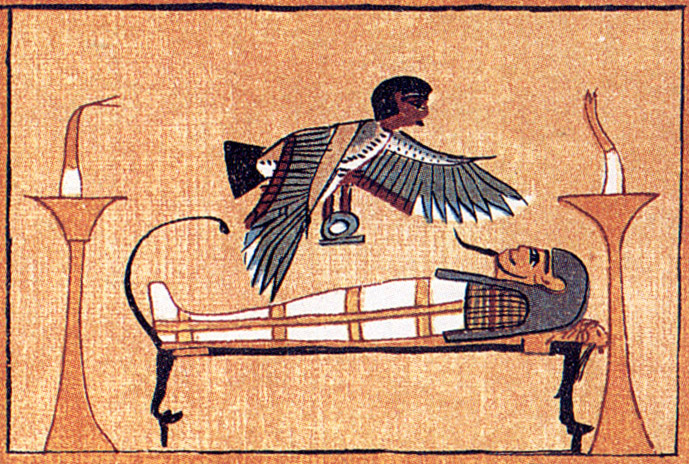 🇸🇪 Sweden and 1 moreSoul flight
A trance practice where the spirit leaves the body to visit other realmsRite · Healing · Seeing and foretelling Historical
🇸🇪 Sweden and 1 moreSoul flight
A trance practice where the spirit leaves the body to visit other realmsRite · Healing · Seeing and foretelling Historical
 🇨🇺 Cuba and 2 moreSanteríaRegla de Ocha
An Afro-Cuban religion blending Yoruba beliefs with Catholicism and SpiritismTradition · Protection · Healing Living
🇨🇺 Cuba and 2 moreSanteríaRegla de Ocha
An Afro-Cuban religion blending Yoruba beliefs with Catholicism and SpiritismTradition · Protection · Healing Living