Noro
In its own language: 祝女
from Japanese characters meaning 'princess' or 'maiden'
Ryukyuan village priestesses who tend sacred hearths and utaki shrines
The noro are female ritual specialists of the Ryukyuan religion in Okinawa, Japan. They have served since at least the late twelfth century, maintaining village hearths and conducting ceremonies at utaki sites. The system was centralized under a royal priestess until the kingdom's end in 1879.
- Noro are priestesses of the Ryukyuan religion in Okinawa, Japan.
- They maintain village hearths and perform rituals at utaki shrines.
- The kikoe-ōgimi was the royal priestess overseeing all noro.
- The system was centralized under King Shō Shin in the late 1400s.
- Government support ended in 1879, leading to the tradition's decline.
What it is
The noro are priestesses of the Ryukyuan religion, serving as spiritual leaders in Okinawan villages. They are classified as kaminchu, or godly people, and operate primarily at utaki, which are sacred natural sites. Their role involves maintaining the village hearth and performing official rituals for the community. While distinct from yuta psychics, they hold a central place in local religious life. The tradition includes a high-ranking royal priestess known as the kikoe-ōgimi, who oversaw the entire kingdom's religious affairs.
Where it comes from
Legend states the first noro were daughters of Tentei-shi, a descendant of the creation goddess Amamikyu. A fire god provided each with a piece of fire from Ryūgū-jō to establish village hearths. Historically, the system existed by the late twelfth century during the Gusuku period. King Shō Shin centralized the role in the late fifteenth century, assigning a noro to every village. The position was abolished with the kingdom in 1879, though the last kikoe-ōgimi served until 1944.
How it is done
Noro conduct rituals at local utaki shrines to communicate with ancestors and deities. They maintain the village hearth, using three stones from the shore arranged in a teepee shape. New households take fire from this central hearth. Assistants, usually girls from village families, help with ceremonies. The highest priestess performs national rites and maintains the royal hearth. Rituals include pilgrimages to Sefa-utaki and inauguration ceremonies representing a holy marriage between deities.
Tools and materials
Priestesses wear white robes and headdresses symbolizing purity. They carry beads and a magatama stone. The ritual hearth consists of three stones gathered from the shore. These materials mark their spiritual status and facilitate their duties. The white garments distinguish them visually within the community and at sacred sites.
Noro, drawn and placed
- Living
- Revived
- Fading
- Historical
- Legendary
- Performed
- Lineage
- Ryukyuan religion
- Timing
- daily rituals and life events
What it is for
The noro serve to protect the community through ritual maintenance and spiritual communication. They ensure the continuity of the village hearth, which provides fire for all families. Their work connects the living with ancestors and gods. They also assist in establishing new households. The tradition offers a structured way for villagers to honor their heritage and seek guidance from the divine realm.
Who does it
Women serve as noro, chosen from village families. Girls often act as assistants before becoming full priestesses. The kikoe-ōgimi held the highest rank, serving until death. The role was once supported by state salaries and land rights. After 1879, government support ended, and stipends were restricted. Today, only a few remain in rural areas, having lost their official status and income under State Shinto policies.
Peoples and places
The practice belongs to the Ryukyuan people of Okinawa, Japan. It originated in the Ryukyu Kingdom and persisted after its annexation by Japan. Confucian influences and Satsuma invasion reduced its power in the seventeenth century. The Meiji government later suppressed it in favor of State Shinto. While the royal line ended, village priestesses retained influence until the mid-twentieth century. The Battle of Okinawa further scattered the population and diminished the tradition.
At a glance: who, where and when
Who does it
Peoples
Belief worlds
What people believe
Ryukyuan belief holds that noro channel spirits and maintain harmony between humans and the divine. The hearth represents the life force of the village, traced back to the creation goddess Amamikyu. The kikoe-ōgimi derives power from a holy marriage ritual with Shinerikyu. Ancestors and deities are communicated with through these priestesses. The system reflects a worldview where spiritual leadership is essential for communal survival and order.
When it is done
Daily rituals sustain the village hearth. Life events such as births and funerals involve noro services. The inauguration of a new kikoe-ōgimi occurred at Seifa-utaki. The king and high priestess made annual pilgrimages to Sefa-utaki. These occasions marked important times in the religious calendar, reinforcing the connection between the monarchy, the people, and the gods.
How scholars and sceptics see it
Historians note the noro system's evolution from legend to state-supported institution. Scholars observe how political changes eroded their authority. The Satsuma invasion introduced Confucian ideas that challenged female religious power. The Meiji government's attempt to absorb Ryukyuan religion into State Shinto marginalized the noro. Researchers highlight the transition from land-based support to restricted stipends as a key factor in their decline.
Cautions and what is closed
The tradition faced suppression when the Japanese government abolished their salaries and restricted land use. Noro were not recognized as part of the Shinto priesthood, leaving them without state protection. The chaos of World War II further reduced their numbers. Today, the practice is fading, with only a few priestesses remaining in rural villages. The loss of institutional support has limited their ability to train successors.
Compare and confuse
The noro are distinct from yuta psychics, though both serve Ryukyuan spiritual needs. They differ from Shinto priests, who received state support while noro did not. The kikoe-ōgimi resembles other high priestess roles in East Asian traditions but is unique to Ryukyu. The term noru shares characters with Japanese words for maiden, yet the role is specific to Okinawan culture.
Law and persecution
After 1879, the Meiji government attempted to register noro shrines under State Shinto but prohibited them from being recognized as Shinto priests. Salaries were abolished, and land stipends were restricted to shrine maintenance, excluding personal use. This legal marginalization stripped them of economic security. The government aimed to reclassify their lands as Shinto shrines, effectively dissolving their independent religious authority.
Questions people ask about Noro
What is a noro?
A noro is a female priestess of the Ryukyuan religion in Okinawa, Japan. She serves as a spiritual leader in her village, maintaining the sacred hearth and conducting rituals at utaki sites. Her role connects the community with ancestors and deities.
Where does the noro tradition come from?
The tradition originates in the Ryukyu Kingdom, with legends tracing the first noro to the daughters of Tentei-shi, descendants of the goddess Amamikyu. Historically, the role existed by the late twelfth century and became centralized in the fifteenth century.
What is the difference between a noro and a yuta?
Noro are official village priestesses who maintain hearths and conduct public rituals. Yuta are psychics who communicate with spirits. While both serve spiritual needs, noro hold a formal, institutional role within the Ryukyuan religious hierarchy.
Why did the noro tradition decline?
The decline began after the Satsuma invasion introduced Confucian values that challenged female authority. Later, the Japanese government abolished their salaries and restricted land use in 1879. World War II further scattered the population, leaving only a few practitioners today.
What tools do noro use in their rituals?
Noro wear white robes and headdresses symbolizing purity. They carry beads and a magatama stone. Their ritual hearth uses three stones from the shore, arranged in a teepee shape to represent the village's spiritual center.
Good reading and sources
- Noro (priestess) on WikipediaEncyclopedia
- More photos on Wikimedia CommonsPhotos and video
- Wikidata recordOpen data
The facts on this page come from the Wikipedia article "Noro (priestess)", written by its contributors and used under the CC BY-SA 4.0 licence, and from its Wikidata record (CC0). EveryJaadu rewrote the text in its own words, with AI assistance, and compares every page with the article to make sure no passage is copied. It may be reused under the same CC BY-SA 4.0 licence with a link back.
It may contain mistakes. Names and customs differ from one community to the next, and some knowledge is closed to outsiders and left out here. This page describes belief and practice. It does not say that any of it works, it is not a how-to, and it is not medical advice. If something is wrong, tell us. Last refreshed 2026-10-06.
More from Japan
All the entries from Japan 🇨🇳 China and 5 moreGhost FestivalZhongyuan Festival; Yulanpen Festival
A festival to feed wandering spirits and guide them home during the seventh lunar month.Tradition · Speaking with spirits and the dead · Protection Living
🇨🇳 China and 5 moreGhost FestivalZhongyuan Festival; Yulanpen Festival
A festival to feed wandering spirits and guide them home during the seventh lunar month.Tradition · Speaking with spirits and the dead · Protection Living
 🇯🇵 JapanSetsubun節分
A Japanese seasonal rite to drive away bad luck and welcome spring with roasted beansRite · Protection · Luck and prosperity Living
🇯🇵 JapanSetsubun節分
A Japanese seasonal rite to drive away bad luck and welcome spring with roasted beansRite · Protection · Luck and prosperity Living
 🇯🇵 JapanOnmyōdō陰陽道
A Japanese system of divination and calendar science rooted in yin-yang philosophyTradition · Seeing and foretelling · Protection Revived
🇯🇵 JapanOnmyōdō陰陽道
A Japanese system of divination and calendar science rooted in yin-yang philosophyTradition · Seeing and foretelling · Protection Revived
 🇯🇵 JapanShinto shrine神社 (jinja)
A structure housing kami deities within the Shinto tradition of JapanTradition · Protection · Speaking with spirits and the dead Living
🇯🇵 JapanShinto shrine神社 (jinja)
A structure housing kami deities within the Shinto tradition of JapanTradition · Protection · Speaking with spirits and the dead Living
Related elsewhere
All tradition 🇪🇸 Spain and 5 moreSt John's Eve
A Christian vigil marked by bonfires and plant gathering on the summer solstice eveRite · Protection · Speaking with spirits and the dead Living
🇪🇸 Spain and 5 moreSt John's Eve
A Christian vigil marked by bonfires and plant gathering on the summer solstice eveRite · Protection · Speaking with spirits and the dead Living
 🇮🇳 India and 2 moreHomaहोम
A fire ritual found across Asian religions where offerings are burned as a votive exchange with the divine.Rite · Protection · Speaking with spirits and the dead Living
🇮🇳 India and 2 moreHomaहोम
A fire ritual found across Asian religions where offerings are burned as a votive exchange with the divine.Rite · Protection · Speaking with spirits and the dead Living
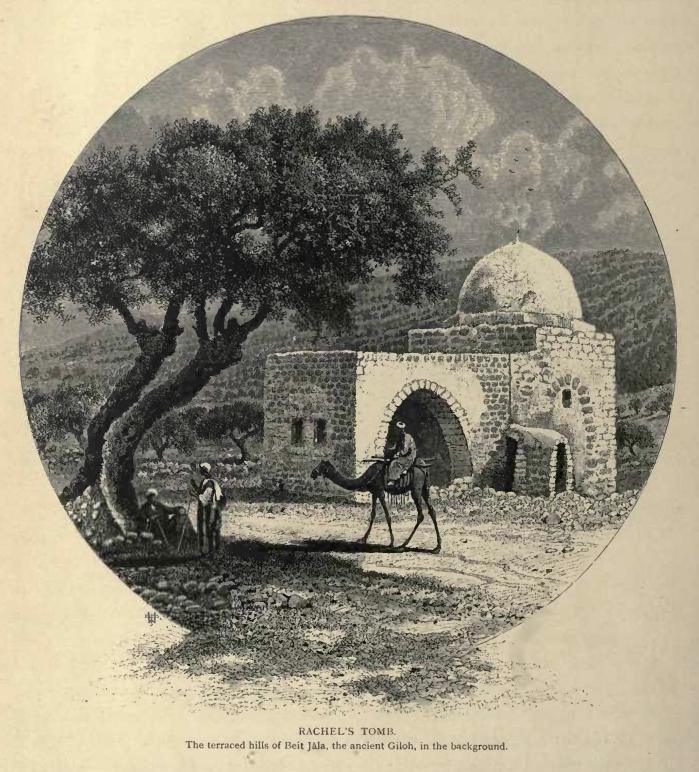 🇵🇸 Palestine and 1 moreRachel's TombQever Raḥel; Qabr Rāḥīl
A shared holy site near Bethlehem revered by Jews, Christians, and MuslimsTradition · Speaking with spirits and the dead · Protection Living
🇳🇿 New ZealandKarakia
Māori recitations used for spiritual guidance, protection, and formal greetingsTradition · Protection · Speaking with spirits and the dead Living
🇵🇸 Palestine and 1 moreRachel's TombQever Raḥel; Qabr Rāḥīl
A shared holy site near Bethlehem revered by Jews, Christians, and MuslimsTradition · Speaking with spirits and the dead · Protection Living
🇳🇿 New ZealandKarakia
Māori recitations used for spiritual guidance, protection, and formal greetingsTradition · Protection · Speaking with spirits and the dead Living