Spirits, creatures and beings
Djinn, fairies, orisha, golems and the other powers that magic deals with.
Beings are the powers that magic deals with: spirits, ancestors, gods, djinn, fairies, orisha, nats, kami, demons, golems, ghosts and the many kinds of household and landscape spirit. People in most cultures have described a world shared with unseen others, who may help, trouble or ask for respect. This page covers what these beings are said to be and the very different ways communities relate to them. They are always described here as what communities believe, not as established fact.
Different kinds of beings
A being can be a god with a priesthood, such as an orisha served in Yoruba religion, Cuba and Brazil. It can be an ancestor, honoured in China, Africa and Mexico. It can belong to a place, such as the kami of Shinto, the Thai phi or the Burmese nats. It can be a trouble-maker, like the djinn of Arabic and Islamic tradition, formed from smokeless fire, or the fairies of Ireland, whom people avoided naming.
Relationship, not command
In many traditions, a person does not command a being but enters a relationship with it, through offerings, promises and respect. Possession and mediumship are forms of that relationship, as in Vodou, Candomblé, Korean mudang rites and Sufi gatherings. In ceremonial magic of the European grimoires, by contrast, the magician summons spirits by name and authority, which the Church condemned as demon-raising. The same being may be loved in one household and feared in the next, and a spirit helpful to its servant can be harmful to a stranger.
Religions and renaming
Dominant religions often absorbed beings by relabelling them. Christian missionaries called many African and Indigenous spirits demons. Islam reads the djinn as real creatures, some of whom are Muslim, and Hindu and Buddhist traditions fold local deities into their own pantheons. Pagan and fairy beliefs were sometimes recast as the devil's work, which fed witch trials in Europe. Churches and mosques have sometimes divided beings into good and evil in ways the older traditions did not, so that a neutral local spirit became a demon on the day a missionary arrived.
Harm and interpretation
Belief in harmful spirits has been used to accuse people. Children in parts of West and Central Africa have been branded as witches possessed by evil spirits, and some have been abused by pastors or families in the name of deliverance. Scholars read spirit beliefs as ways to make sense of illness, loss and conflict, and many communities see them simply as neighbours. That is why accusations tied to spirit beliefs fall hardest on children and the vulnerable, and why many agencies train local leaders to challenge them.
Being on EveryJaadu
The entries written up so far, best known first.
 🇪🇸 SpainCatalina Lercaro
A ghost story from Tenerife about a woman who took her own life on her wedding dayBeing Living
 🇬🇧 United Kingdom and 1 moreWater Horse
A mythical shape-shifter from Celtic and Nordic lore, often linked to lake monsters.Being · Wonder and entertainment Legendary
 🇵🇱 Poland and 3 moreStrzyga
A female demon in Polish folklore, linked to owls and vampiric traitsBeing · Cursing and harm · Protection Historical
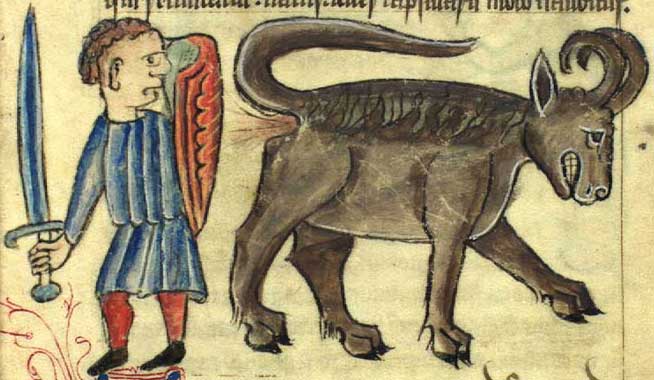 🇮🇳 IndiaBonnaconβόνασος
A legendary bull that defends itself with burning excrementBeing · Wonder and entertainment Legendary
 🇮🇳 India and 1 moreWorld Turtle
A mythic giant turtle said to support the earth or contain the world in various cultures.Being · Power and authority Legendary
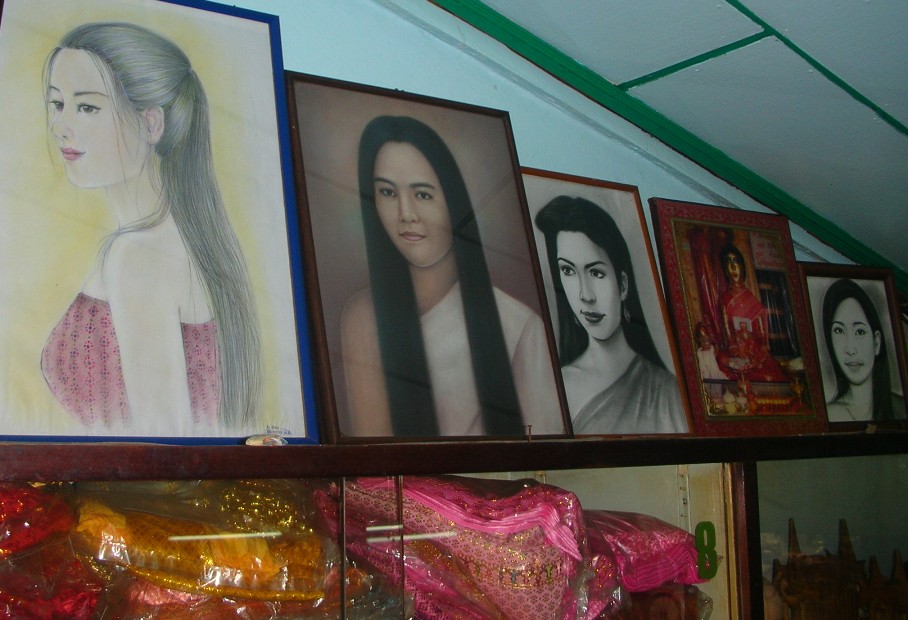 🇹🇭 ThailandMae Nak Phra Khanongแม่นากพระโขนง
A Thai ghost of a woman who died in childbirth and her shrine for protection and fertilityBeing · Protection · Healing Living
🇯🇵 JapanKijo鬼女
A demon woman from Japanese folklore, born of resentment and karma.Being · Cursing and harm Legendary
 🇦🇱 Albania and 3 moreKulshedra
A multi-headed serpent demon in Albanian folklore that controls storms and droughts.Being · Cursing and harm · Luck and prosperity Legendary
 🇵🇾 Paraguay and 2 moreKurupiCurupí
A Guaraní forest spirit known for his elongated phallus and role as a protector or abductor.Being · Protection · Cursing and harm Legendary
 🇬🇷 GreeceGelloΓελλώ
A Greek demon of infancy and a class of beings blamed for infant death.Being · Cursing and harm · Protection Historical
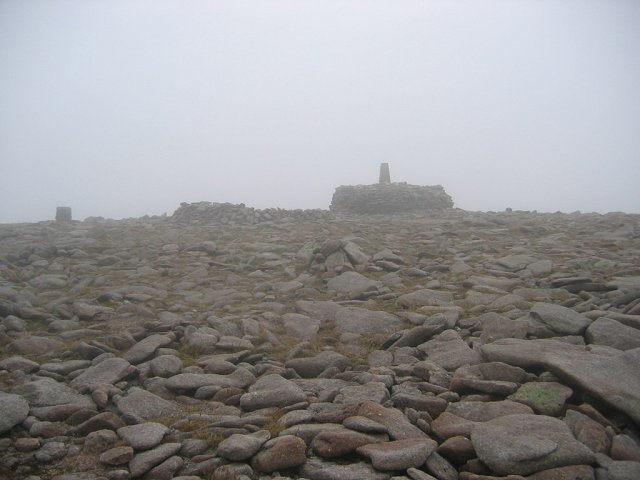 🇬🇧 United KingdomAm Fear Liath Mòr
A mountain spirit said to haunt the misty peaks of the Scottish CairngormsBeing Legendary
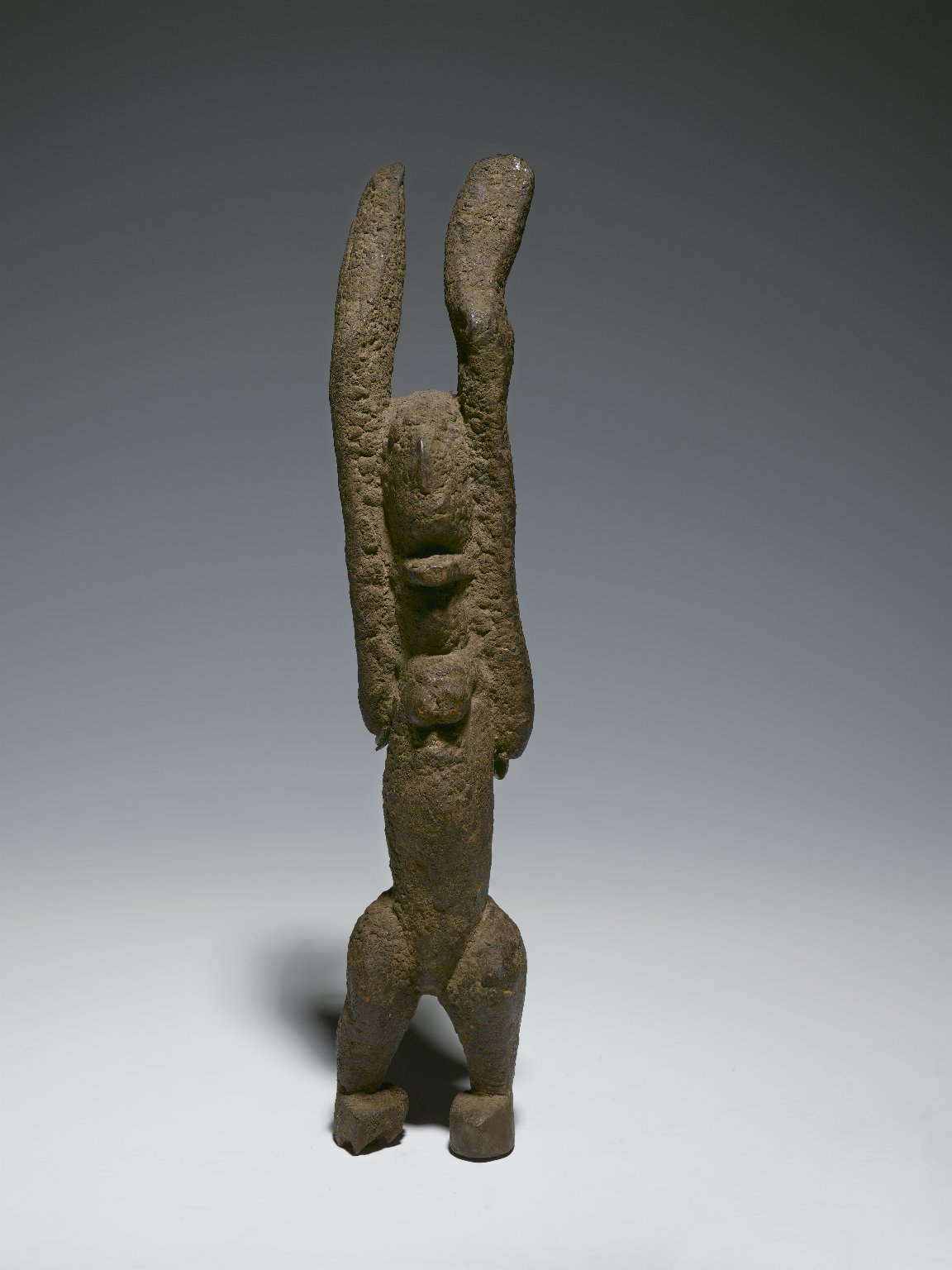 🇲🇱 MaliNommo
Primordial water spirits in Dogon cosmology from MaliBeing · Speaking with spirits and the dead Legendary
 🇬🇷 Greece and 1 moreCacodemonκακοδαίμων (kakodaimōn)
An ancient Greek evil spirit, depicted as a horned youth and used in literature and games.Being · Cursing and harm Legendary
 🇫🇷 FranceTarvos Trigaranus
A Gaulish bull deity depicted with three cranes on a Roman-era Parisian pillarBeing Legendary
 🇯🇵 JapanUwanうわん
A Japanese yōkai with an unknown identity and a loud voiceBeing Historical
 🇺🇸 United StatesSquonk
A fictional creature from American folklore known for weeping and dissolving in its own tears.Being · Wonder and entertainment Legendary
🇬🇧 United KingdomMoragMòrag
A Scottish lake monster said to dwell in Loch MorarBeing · Wonder and entertainment Legendary
 🇮🇱 Israel and 1 moreSolomon's shamirשָׁמִיר
A legendary worm or stone used to carve stone without iron toolsBeing · Power and authority Legendary
 🇮🇳 India and 1 moreCrocotta
A mythical dog-wolf of India and Ethiopia that mimics human voicesBeing · Cursing and harm Legendary
🇰🇷 South KoreaGwisin귀신
A Korean ghost of a human who died, lingering to finish unfinished business.Being · Cursing and harm · Protection Legendary
 🇨🇳 China and 1 moreMogwai魔鬼
A Chinese term for demons and evil spirits, borrowed from Sanskrit lore through Buddhism.Being · Cursing and harm Historical
🇯🇵 JapanYōsei妖精
A Japanese term for spirits drawn from Western legends and native folkloreBeing Legendary
 🇩🇪 Germany and 1 moreElwetritschElwedritsch
A chicken-like creature from German folklore that tames the fear of sleep paralysisBeing · Protection Living
🇮🇱 Israel and 2 moreRahabרַהַב
A Hebrew mythic sea monster and symbol of chaos, later used as a poetic name for Egypt.Being · Cursing and harm · Power and authority Legendary
 🇯🇵 JapanAkuma悪魔(あくま)
An evil spirit in Japanese folklore, later used for Satan in ChristianityBeing · Cursing and harm Historical
 🇺🇸 United States and 1 moreSpider GrandmotherKokyangwuti
An ancestral spirit and creator who guides mortals, protects homes, and teaches weavingFigure · Protection · Healing Legendary
 🇸🇾 Syria and 1 moreLotan𐎍𐎚𐎐 (LTN)
A coiled sea serpent defeated by a storm god in Ugaritic mythBeing Legendary
🇧🇷 BrazilMinhocão
A giant aquatic worm or fish from Brazilian folklore blamed for earthquakes and animal disappearancesBeing Legendary
 🇮🇳 IndiaKhunu Leimaꯈꯨꯅꯨꯔꯩꯃ (Khunu Leima)
A Meitei goddess who rules over pigeons and doves in the religion of Manipur.Being Historical
 🇵🇱 PolandBoginka
Female spirits of wild nature in Polish pagan mythologyBeing · Cursing and harm Historical
 🇪🇬 EgyptSet animalsha
A mysterious creature from ancient Egypt, linked to the god Set and chaos.Being · Power and authority Historical
🇯🇵 JapanMazoku魔族
Supernatural beings in Japanese myth and fantasy, often evil.Being · Cursing and harm Legendary
 🇬🇷 GreeceCancer (mythology)Καρκίνος
A giant crab from Greek myth that became a zodiac constellationBeing · Cursing and harm Legendary
 🇫🇷 France and 3 moreLes LavandièresKannerez-Noz
Supernatural washerwomen who wash shrouds or bloodstained clothes for those about to die.Being · Seeing and foretelling Legendary
 🇩🇪 GermanyBahkauv
A deformed calf-like monster from Aachen folklore that harasses drunk menBeing · Cursing and harm Legendary
🇨🇳 China and 2 moreShen蜃
A sea creature from Chinese mythology said to create mirages through shape-shiftingBeing · Wonder and entertainment Legendary
🇯🇲 Jamaica and 3 moreDuppy
A Caribbean term for a ghost or malevolent spirit, rooted in West African folklore.Being · Cursing and harm · Luck and prosperity Living
 🇪🇸 SpainJentilJentilak
Giants of Basque myth linked to ancient stone builders and pre-Christian timesBeing · Wonder and entertainment Legendary
🇬🇱 GreenlandAdlet
A half-human, half-canine race from Inuit mythology of the ArcticBeing Legendary
 🇷🇺 RussiaTriple-headed eagle
A heraldic and mythological bird with three heads, appearing in Russian symbolism and European manuscripts.Being · Power and authority Historical
🇷🇺 RussiaShishigaшишига
A female swamp spirit of Russian and Komi folklore that brings misfortune and death.Being · Cursing and harm Legendary
🇬🇲 Gambia and 1 moreNinki Nanka
A legendary swamp dragon of West Africa said to kill with a stareBeing · Cursing and harm Legendary
🇨🇳 ChinaQiongqi窮奇
A winged beast from Chinese myth that rewards wickedness and punishes virtueBeing · Cursing and harm Legendary
🇮🇱 IsraelAgrat bat Mahlatאגרת בת מחלת
A demon in Jewish tradition who rules over destructive spirits and night hours.Being · Cursing and harm Historical
🇮🇪 IrelandFar darrigFear Dearg
A solitary Irish faerie known for cruel jokes and the ability to shift sizeBeing · Cursing and harm · Luck and prosperity Legendary
 🇦🇺 AustraliaMimi
Elongated rock-dwelling beings from Arnhem Land who taught Aboriginal people to paint and huntBeing Legendary
 🇬🇧 United KingdomBoobrie
A shapeshifting loch monster from Scottish folklore that preys on livestock and horses.Being · Cursing and harm Legendary
 🇨🇳 China and 1 moreQianliyan千里眼
A Chinese sea and door god with clairvoyant sight, guardian of the sea goddess MazuBeing · Protection Living
Photo credits on this page
The small pictures above come from Wikimedia Commons under free licences. Some are cropped to fit.
- Cacodemon: Louis Le Breton, Public domain, source
- Water Horse: Theodor Kittelsen, Public domain, source
- Dogon religion: Unknown author, CC BY 3.0, source
- Leviathan: Gustave Doré, Public domain, source
- Kurupi: FrankOWeaver, CC BY-SA 3.0, source
- Cleverman: Photo by and ©2002 Dustin M. Ramsey ( Kralizec! ), CC BY-SA 2.5, source
- Bonnacon: unknown (medieval) author, Public domain, source
- Catalina Lercaro: tivity.es, CC BY 3.0, source
- Elwetritsch: AnRo0002, CC0, source
- Qianliyan: 玄史生, CC0, source
- Khunu Leima: Author: DALL-E; prompted by Haoreima, Public domain, source
- Triple-headed eagle: Неизвестный автор. (фото обложки сборника: Александр Храмов), Public domain, source
- Kulshedra: Bidgee, CC BY 3.0, source
- Mogwai: Gisling, CC BY-SA 3.0, source
- Set animal: Unknown author, Public domain, source
- World Turtle: Unknown author, Public domain, source
- Mae Nak Phra Khanong: Xufanc, CC BY-SA 3.0, source
- Boginka: Walery Eljasz Radzikowski, Public domain, source
- Jentil: Ketari ( http://ketari.nirudia.com/ ), CC BY-SA 3.0, source
- Strzyga: Filip Gutowski, CC BY-SA 4.0, source
- Squonk: Coert Du Bois and by William T. Cox;, Public domain, source
- Akuma: Utagawa Kunisada (歌川国貞), Public domain, source
- Spider Grandmother: Navajo artist, Public domain, source
- Bahkauv: Sascha Faber, CC BY-SA 4.0, source
- Uwan: Sawaki Sūshi (佐脇嵩之, Japanase, *1707, †1772), Public domain, source
- Tarvos Trigaranus: Als33120, CC BY-SA 4.0, source
- Am Fear Liath Mòr: Richard Webb, CC BY-SA 2.0, source
- Gello: Filippino Lippi, Public domain, source
- Solomon's shamir: https://en.wikipedia.org/wiki/Eberhard_Werner_Happel, Public domain, source
- Crocotta: Unknown author, Public domain, source
- Cancer (mythology): Diosphos Painter, Public domain, source
- Les Lavandières: Jean-Édouard Dargent, Public domain, source
- Boobrie: Ole Worm - Olaus Wormius, Public domain, source