Spirits, creatures and beings
Djinn, fairies, orisha, golems and the other powers that magic deals with.
Beings are the powers that magic deals with: spirits, ancestors, gods, djinn, fairies, orisha, nats, kami, demons, golems, ghosts and the many kinds of household and landscape spirit. People in most cultures have described a world shared with unseen others, who may help, trouble or ask for respect. This page covers what these beings are said to be and the very different ways communities relate to them. They are always described here as what communities believe, not as established fact.
Different kinds of beings
A being can be a god with a priesthood, such as an orisha served in Yoruba religion, Cuba and Brazil. It can be an ancestor, honoured in China, Africa and Mexico. It can belong to a place, such as the kami of Shinto, the Thai phi or the Burmese nats. It can be a trouble-maker, like the djinn of Arabic and Islamic tradition, formed from smokeless fire, or the fairies of Ireland, whom people avoided naming.
Relationship, not command
In many traditions, a person does not command a being but enters a relationship with it, through offerings, promises and respect. Possession and mediumship are forms of that relationship, as in Vodou, Candomblé, Korean mudang rites and Sufi gatherings. In ceremonial magic of the European grimoires, by contrast, the magician summons spirits by name and authority, which the Church condemned as demon-raising. The same being may be loved in one household and feared in the next, and a spirit helpful to its servant can be harmful to a stranger.
Religions and renaming
Dominant religions often absorbed beings by relabelling them. Christian missionaries called many African and Indigenous spirits demons. Islam reads the djinn as real creatures, some of whom are Muslim, and Hindu and Buddhist traditions fold local deities into their own pantheons. Pagan and fairy beliefs were sometimes recast as the devil's work, which fed witch trials in Europe. Churches and mosques have sometimes divided beings into good and evil in ways the older traditions did not, so that a neutral local spirit became a demon on the day a missionary arrived.
Harm and interpretation
Belief in harmful spirits has been used to accuse people. Children in parts of West and Central Africa have been branded as witches possessed by evil spirits, and some have been abused by pastors or families in the name of deliverance. Scholars read spirit beliefs as ways to make sense of illness, loss and conflict, and many communities see them simply as neighbours. That is why accusations tied to spirit beliefs fall hardest on children and the vulnerable, and why many agencies train local leaders to challenge them.
Being on EveryJaadu
The entries written up so far, best known first.
 🇯🇵 JapanMiko巫女
A Shinto shrine priestess and traditional female medium in JapanTradition · Speaking with spirits and the dead · Protection Living
 🇯🇵 JapanKodama木霊
A tree spirit in Japanese folklore that brings misfortune if the host tree is harmedBeing · Cursing and harm Living
 🇯🇵 JapanTsukumogami付喪神
Household objects that gain a spirit after reaching their hundredth year in Japanese folklore.Being · Cursing and harm Historical
 🇯🇵 JapanKitsuneきつね
A Japanese fox spirit known for shapeshifting and trickeryBeing · Cursing and harm · Protection Legendary
 🇨🇳 ChinaZhang Guolao張果老
A Taoist immortal known for his white donkey and fish drum, said to be a bat spirit.Figure · Wonder and entertainment · Change and initiation Legendary
 🇯🇵 Japan and 1 moreOni鬼(おに)
A horned demon of Japanese folklore known for strength and evil, later softened into a symbol of fortune.Being · Protection · Cursing and harm Living
 🇮🇳 India and 5 morePretaप्रेत
A suffering spirit of Indian and Asian belief, often called a hungry ghostBeing · Speaking with spirits and the dead · Change and initiation Living
🇨🇳 China and 4 moreKitchen God灶君
The Chinese hearth deity who reports domestic conduct to the Jade EmperorBeing · Protection · Luck and prosperity Living
🇯🇵 JapanShikigami式神
A conjured spirit from Japanese Onmyōdō, often bound to paper or animal form.Being · Power and authority · Cursing and harm Historical
 🇨🇳 ChinaLan Caihe藍采和
An ambiguous Taoist immortal known for a flower basket and wandering songsBeing · Wonder and entertainment Legendary
 🇯🇵 JapanYōkai妖怪
A vast class of supernatural spirits and entities in Japanese folkloreBeing · Cursing and harm · Luck and prosperity Historical
 🇯🇵 JapanTengu天狗
Japanese mountain spirits that evolved from ominous birds into protective forest guardians.Being · Cursing and harm · Protection Legendary
🇯🇵 JapanKuda-gitsune管狐 (kuda-gitsune)
A small spirit kept in a tube or sleeve, used by Japanese folk practitioners for divination and cursing.Being · Seeing and foretelling · Cursing and harm Legendary
 🇯🇵 JapanKami神
Spirits and deities of Shinto, found in nature, ancestors, and placesBeing · Protection · Luck and prosperity Living
 🇨🇳 China and 1 moreYue Lao月下老人
The Chinese deity of marriage who binds destined couples with red cordsBeing · Love and attraction · Binding and oaths Legendary
 🇨🇳 China and 1 moreJiangshi殭屍
A Chinese corpse said to rise and hop, feared for its strengthBeing · Cursing and harm Legendary
 🇨🇳 China and 1 moreDongyue Dadi東嶽大帝
The Chinese mountain god of Mount Tai who rules lifespans and underworld recordsBeing · Speaking with spirits and the dead · Power and authority Living
 🇨🇳 China and 3 moreQilin麒麟
A legendary chimerical creature from Chinese mythology that signals the arrival or death of a sage.Being · Power and authority Legendary
 🇯🇵 JapanŌkuninushi大国主神
A Japanese kami of the earth, nation-building, and protective magic.Being · Protection · Healing Living
 🇨🇳 ChinaJin Chan金蟾
A three-legged toad charm used in feng shui to attract wealth and guard against bad luckBeing · Luck and prosperity · Protection Living
 🇹🇼 Taiwan and 1 moreOng Yah王爺 (Ông-iâ)
Royal Lord deities of Fujian and Taiwan who tour the land, driving out diseaseBeing · Protection · Healing Living
 🇬🇷 Greece and 4 moreTutelary deity
A guardian spirit or god assigned to protect a specific place, person, or group.Being · Protection Living
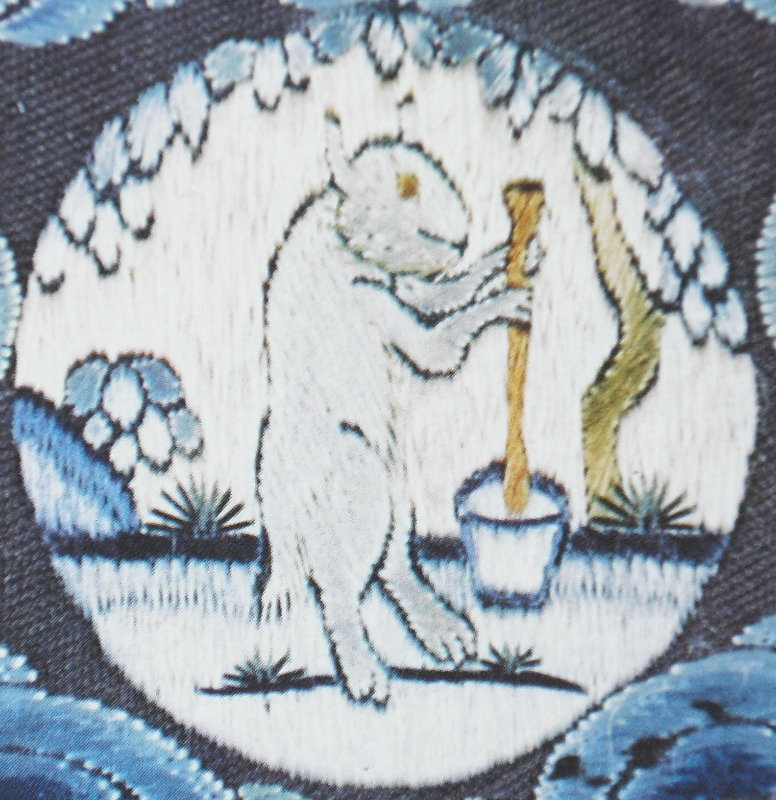 🇨🇳 China and 5 moreMoon rabbit月兔 (yuètù)
A mythical figure seen in lunar markings, pounding elixirs or rice cakes across Asia and the Americas.Being · Wonder and entertainment Living
 🇯🇵 JapanNamazu鯰
A giant catfish myth believed to cause earthquakes in JapanBeing Legendary
 🇯🇵 Japan and 4 moreHousehold deity
A spirit or minor god believed to guard a home and its family members.Being · Protection · Speaking with spirits and the dead Historical
 🇯🇵 JapanGashadokuroがしゃどくろ
A giant skeleton spirit born from the bones of those who died in war or famine.Being · Cursing and harm Legendary
🇯🇵 JapanRaijū雷獣
A Japanese lightning creature that sleeps in navels and falls from stormsBeing · Cursing and harm Legendary
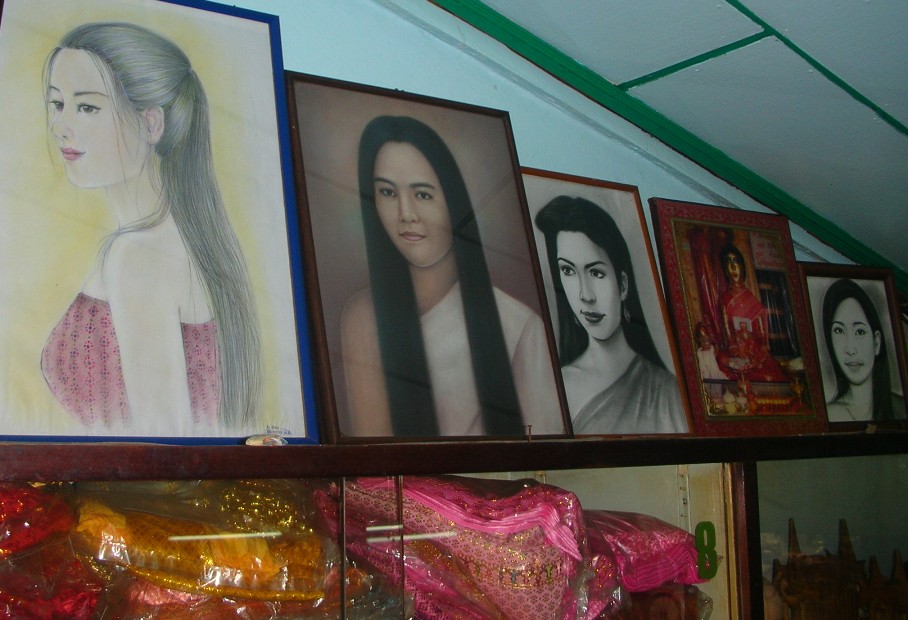 🇹🇭 ThailandMae Nak Phra Khanongแม่นากพระโขนง
A Thai ghost of a woman who died in childbirth and her shrine for protection and fertilityBeing · Protection · Healing Living
🇯🇵 JapanMazoku魔族
Supernatural beings in Japanese myth and fantasy, often evil.Being · Cursing and harm Legendary
 🇨🇳 China and 1 moreQianliyan千里眼
A Chinese sea and door god with clairvoyant sight, guardian of the sea goddess MazuBeing · Protection Living
🇯🇵 JapanOsakabehime刑部姫
A yōkai spirit said to inhabit Himeji Castle and reveal its fate.Being · Seeing and foretelling Legendary
🇯🇵 JapanMakuragaeshi枕返し
A Japanese spirit that flips pillows and turns sleepers upside downBeing · Cursing and harm · Luck and prosperity Legendary
🇯🇵 JapanReikon霊魂
The Shinto soul: it joins the ancestors after funeral rites, or haunts as a yūreiBeing · Speaking with spirits and the dead · Cursing and harm Living
 🇯🇵 JapanHachiman八幡神
A Japanese deity of war and the imperial family, worshipped as both kami and bodhisattva.Being · Protection · Power and authority Living
 🇯🇵 JapanMononoke物の怪
A Japanese term for spirits believed to cause illness and misfortune through possession or curses.Being · Cursing and harm · Healing Historical
 🇯🇵 JapanShinigami死神
A Japanese spirit or deity associated with inviting humans toward deathBeing · Cursing and harm Historical
🇯🇵 JapanŌnyūdō大僧正
A giant monk spirit in Japanese folklore, ranging from helpful helpers to menacing shadows.Being · Cursing and harm · Healing Legendary
🇯🇵 JapanAmanojaku天邪鬼(あまのじゃく)
A contrary small ogre of Japanese folklore that reads hearts and does the oppositeBeing · Cursing and harm Legendary
🇯🇵 JapanAme no Ohabari天之尾羽
A legendary sword and Shinto spirit from Japanese mythBeing · Cursing and harm · Power and authority Historical
 🇻🇳 Vietnam and 1 moreÔng Trời
A sky god of Vietnamese folk religion, later linked to the Taoist Jade EmperorBeing · Protection · Power and authority Living
 🇨🇳 ChinaAo鰲
A colossal sea turtle of Chinese myth whose legs support the skyBeing · Protection · Wonder and entertainment Legendary
 🇯🇵 JapanTaka-nyūdō高入道
A towering monk spirit of Shikoku that grows when stared at and vanishes with a chant.Being · Wonder and entertainment Legendary
 🇯🇵 JapanGagoze元興寺の鬼
A yōkai of Nara said to be a lightning child or a monk demon from Gangō-jiBeing · Cursing and harm Historical
 🇯🇵 JapanNamahage生剥げ
Masked ogre visitors who scold lazy children at New Year in northern JapanRite · Protection · Speaking with spirits and the dead Living
 🇯🇵 JapanAkashita赤舌
A red-tongued beast from Edo-period scrolls, tied to water and bad daysBeing · Protection · Cursing and harm Legendary
 🇯🇵 JapanOtoroshiおとろし
A Japanese yōkai with blue skin and tusks that guards temple gates and punishes the wicked.Being · Protection · Cursing and harm Legendary
 🇯🇵 JapanHitotsume-nyūdō独眼僧
A one-eyed Japanese monk spirit from folklore and legendBeing · Cursing and harm Legendary
🇯🇵 JapanTsurubebi釣瓶火
A hanging fire spirit from Japanese folklore, linked to trees and mountain paths.Being · Wonder and entertainment Historical
Photo credits on this page
The small pictures above come from Wikimedia Commons under free licences. Some are cropped to fit.
- Jin Chan: Tristanb, CC BY-SA 3.0, source
- Ao: David Jackson, CC BY-SA 2.0 uk, source
- Vampire folklore: Dick Thomas Johnson, CC BY 2.0, source
- Tsukumogami: Unknown author, Public domain, source
- Moon rabbit: An artist, Public domain, source
- Namazu: Anonymous Unknown author, Public domain, source
- Lan Caihe: Internet Archive Book Images, No restrictions, source
- Yōkai: Kyosai Kawanabe (河鍋 暁斎), Public domain, source
- Tengu: Katsushika Hokusai, Public domain, source
- Kami: Bernard Gagnon, CC BY-SA 3.0, source
- Yue Lao: 仔仔好帥, CC BY-SA 4.0, source
- Dongyue Dadi: H2v5o68z, CC0, source
- Shinigami: 日: Jnn, CC BY 2.1 jp, source
- Mononoke: Unknown author, Public domain, source
- Ōkuninushi: Yashima Gakutei, CC0, source
- Qianliyan: 玄史生, CC0, source
- Zhang Guolao: Hong Zicheng, Public domain, source
- Brownie: Unknown author, CC BY-SA 2.5, source
- Preta: Temple, Richard Carnac, Sir, Public domain, source
- Gazu Hyakki Yagyō: Toriyama Sekien, Public domain, source
- Miko: Chris Gladis, Flickr user MShades, CC BY 2.0, source
- Household deity: Claus Ableiter, CC BY-SA 3.0, source
- Oni: Katsushika Hokusai 葛飾北斎 (1760-1849), Public domain, source
- Hachiman: SLIMHANNYA, CC BY-SA 4.0, source
- Kitsune: Yoshitoshi, Public domain, source
- Mae Nak Phra Khanong: Xufanc, CC BY-SA 3.0, source
- Qilin: Unknown author, Public domain, source
- Ong Yah: Suzuki1314 at Chinese Wikipedia, Public domain, source
- Gashadokuro: Unknown author, Public domain, source
- Ông Trời: Bùi Thụy Đào Nguyên, CC BY-SA 3.0, source
- Taka-nyūdō: Hayami Shungyōsai (速水春暁斎, Japanese, *1767, †1823), Public domain, source
- Gagoze: Brigham Young University, CC BY-SA 4.0, source
- Namahage: Douglas P Perkins ( Douglaspperkins ( talk )), CC BY 3.0, source
- Akashita: Brigham Young University, CC BY-SA 4.0, source
- Otoroshi: Unknown author, Public domain, source
- Hitotsume-nyūdō: Kashiwa Seiho (柏正甫), Public domain, source