Minhocão
Portuguese augmentative of minhoca, meaning earthworm
A giant aquatic worm or fish from Brazilian folklore blamed for earthquakes and animal disappearances
The Minhocão is a legendary creature from Brazil described as a massive worm or fish living in lakes and rivers. First recorded by European naturalists in the 1800s, locals claimed it could drag livestock underwater and cause seismic rumbling.
- Described as up to 80 meters long
- First recorded by Augustin Saint-Hilaire in 1846
- Blamed for dragging cattle underwater
- Associated with thunderous sounds and earthquakes
- Name means 'big earthworm' in Portuguese
What it is
The Minhocão is a figure from Brazilian folklore, classified as a cryptid. It is variously described as a gigantic fish or a massive worm. Accounts state it can reach lengths between twenty and fifty meters, with some claims extending to eighty meters. The creature is said to inhabit freshwater environments such as lakes and rivers, as well as underground passages. Its physical appearance has been debated, with descriptions ranging from scaled skin resembling an armadillo to a smooth, bone-covered body. It is often linked to natural phenomena like thunderous sounds and ground tremors.
Where it comes from
European naturalists first documented the Minhocão in the nineteenth century through local testimonies. In December 1846, Augustin Saint-Hilaire recorded stories from Padre Aranda and Feia lakes. He noted that locals believed the creature dragged horses and cattle underwater. Saint-Hilaire identified the name as derived from the Portuguese word for earthworm. Later reports appeared in German scientific journals and the journal Nature. These accounts came from residents in southern Brazil, including Curitiba. The legend persisted into the early twentieth century, prompting a London newspaper to propose an expedition to verify the creature's existence.
Minhocão, drawn and placed
- Living
- Revived
- Fading
- Historical
- Legendary
- Performed
- Lineage
- Brazilian folklore
Peoples and places
The legend is rooted in Brazilian folklore, particularly in the southern highlands and around specific lakes. Locals provided the initial accounts to visiting scientists. Descriptions varied by region and witness. Some reported a pig-like snout or horns. Others described thick, hard scales. The creature was blamed for infrastructure damage, such as road cracks and deep trenches following heavy rains. These physical signs were interpreted as evidence of the Minhocão's movement. The lack of direct human sightings was attributed to the creature's shy nature. Scientists generally viewed these claims with skepticism, though some speculated about unknown large species or geological relics.
At a glance: who, where and when
Peoples
What people believe
Believers held that the Minhocão caused seismic activity. A rumbling sound accompanying its movement was thought to predict rain. The creature was also accused of causing animals to vanish without a trace. Naturalists attempted to rationalize these beliefs. Saint-Hilaire suggested it might be a large lungfish. Fritz Müller proposed it could be a Ceratodus or a relic of giant armadillos. Despite scientific doubt, the legend remained a part of local cultural memory. The creature served as an explanation for unexplained natural events in the region.
How scholars and sceptics see it
Scientists approached the Minhocão with skepticism. Augustin Saint-Hilaire analyzed local accounts but sought biological explanations. Fritz Müller published reports in scientific journals, maintaining a critical stance. He considered the possibility of known large fish or extinct species. The Nature article summarized these views, highlighting the discrepancy between folklore and empirical evidence. The proposed expedition by a London newspaper reflected ongoing public interest despite scientific dismissal. Scholars have since studied the Minhocão as a case study in cryptozoology and folk belief.
Compare and confuse
The Minhocão shares traits with other lake monsters and giant worm legends. It resembles the Loch Ness Monster in its aquatic habitat and elusive nature. Comparisons are also drawn to the Chinese dragon or Nāga, which are associated with water and storms. However, the Minhocão is specifically tied to Brazilian geography and folklore. It differs from purely terrestrial worm myths by its aquatic habits and size.
Questions people ask about Minhocão
What is the Minhocão?
The Minhocão is a legendary creature from Brazilian folklore. It is described as a giant worm or fish living in lakes and rivers. Accounts claim it can reach lengths of up to eighty meters. It is blamed for animal disappearances and seismic sounds.
Where does the Minhocão come from?
The legend originates in Brazil, particularly in the southern highlands and around lakes like Padre Aranda and Feia. European naturalists first recorded the stories in the nineteenth century from local witnesses.
What does the Minhocão look like?
Descriptions vary. Some say it has thick, hard scales like an armadillo. Others describe a pig-like snout or horns. It is often depicted as a massive worm or fish, sometimes covered in bone-like armor.
Why do people believe in the Minhocão?
Locals used the legend to explain natural phenomena. Thunderous sounds and ground tremors were attributed to the creature's movement. Heavy rains were thought to follow its passage. Animal disappearances were also linked to it.
Good reading and sources
The facts on this page come from the Wikipedia article "Minhocão (legendary creature)", written by its contributors and used under the CC BY-SA 4.0 licence, and from its Wikidata record (CC0). EveryJaadu rewrote the text in its own words, with AI assistance, and compares every page with the article to make sure no passage is copied. It may be reused under the same CC BY-SA 4.0 licence with a link back.
It may contain mistakes. Names and customs differ from one community to the next, and some knowledge is closed to outsiders and left out here. This page describes belief and practice. It does not say that any of it works, it is not a how-to, and it is not medical advice. If something is wrong, tell us. Last refreshed 2026-10-06.
More from Brazil
All the entries from Brazil 🇵🇷 Puerto Rico and 5 moreChupacabrachupacabras
A legendary creature said to drain livestock of blood, emerging from Puerto Rico in the mid-1990sBeing · Cursing and harm Legendary
🇵🇷 Puerto Rico and 5 moreChupacabrachupacabras
A legendary creature said to drain livestock of blood, emerging from Puerto Rico in the mid-1990sBeing · Cursing and harm Legendary
 🇧🇷 Brazil and 2 moreCurupira
A backwards-footed forest guardian from Brazilian indigenous myth who punishes loggers and misleads travelers.Being · Protection · Cursing and harm Legendary
🇧🇷 Brazil and 2 moreCurupira
A backwards-footed forest guardian from Brazilian indigenous myth who punishes loggers and misleads travelers.Being · Protection · Cursing and harm Legendary
 🇵🇪 Peru and 1 moreChullachaqui
A one-footed forest spirit of the Amazon that lures or challenges humansBeing · Cursing and harm · Power and authority Legendary
🇵🇪 Peru and 1 moreChullachaqui
A one-footed forest spirit of the Amazon that lures or challenges humansBeing · Cursing and harm · Power and authority Legendary
 🇧🇷 BrazilBoitatá
A fiery serpent of Brazilian folklore that guards forests or frightens childrenBeing · Protection · Cursing and harm Living
🇧🇷 BrazilBoitatá
A fiery serpent of Brazilian folklore that guards forests or frightens childrenBeing · Protection · Cursing and harm Living
Related elsewhere
All being 🇷🇸 Serbia and 5 moreVampire
An undead creature from folklore that feeds on the blood or life force of the livingBeing · Cursing and harm · Luck and prosperity Legendary
🇷🇸 Serbia and 5 moreVampire
An undead creature from folklore that feeds on the blood or life force of the livingBeing · Cursing and harm · Luck and prosperity Legendary
 🇪🇬 Egypt and 1 moreSphinx
A mythical hybrid with a human head and lion body, serving as guardian or riddler in Egyptian and Greek traditions.Being · Protection · Wonder and entertainment Legendary
🇪🇬 Egypt and 1 moreSphinx
A mythical hybrid with a human head and lion body, serving as guardian or riddler in Egyptian and Greek traditions.Being · Protection · Wonder and entertainment Legendary
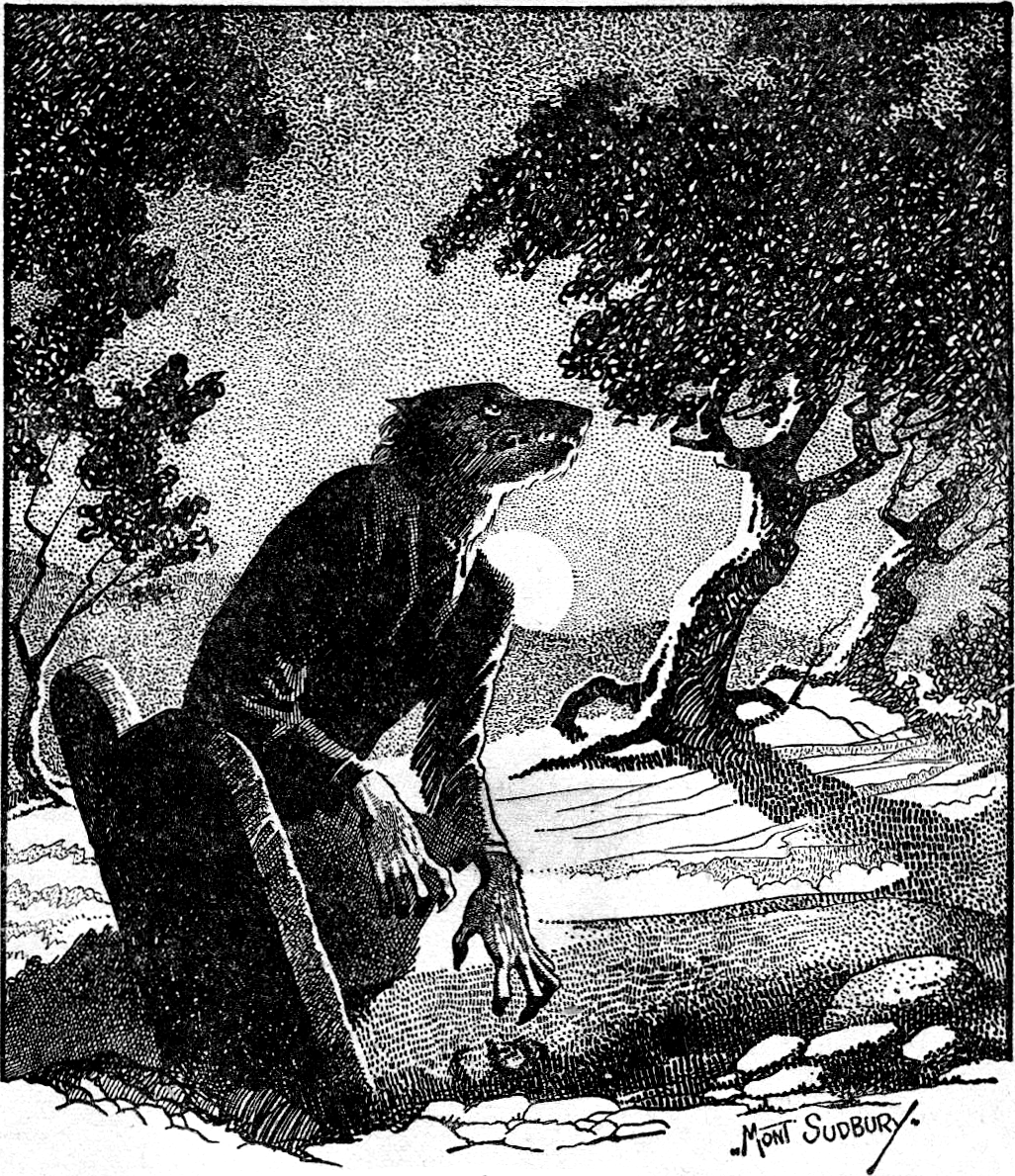 🇫🇷 France and 5 moreWerewolf
A mythical shapeshifter that turns into a wolf, central to European witch-hunts and Gothic horror.Being · Cursing and harm · Wonder and entertainment Legendary
🇫🇷 France and 5 moreWerewolf
A mythical shapeshifter that turns into a wolf, central to European witch-hunts and Gothic horror.Being · Cursing and harm · Wonder and entertainment Legendary
 🇪🇬 Egypt and 1 moreLilithלִילִית
A feminine figure from Mesopotamian and Jewish mythology, often depicted as a night demon or spirit.Being · Cursing and harm Legendary
🇪🇬 Egypt and 1 moreLilithלִילִית
A feminine figure from Mesopotamian and Jewish mythology, often depicted as a night demon or spirit.Being · Cursing and harm Legendary