Adlet
possibly from 'ad' meaning below, or 'agdlak' meaning striped
A half-human, half-canine race from Inuit mythology of the Arctic
The Adlet are a mythical hybrid people in Inuit lore, described as having human upper bodies and canine lower halves. They originate from Greenland and the Hudson Bay region, where they are often portrayed as aggressive rivals to humans.
- Half-human, half-dog creatures from Inuit mythology
- Origin story involves a woman marrying a spotted dog
- Recorded by ethnologist Franz Boas in 1889
- Parallel myths exist among Dakelh and Chukchi peoples
- May symbolize historical contact with Scandinavian whalers
What it is
The Adlet are a legendary race of creatures in Inuit mythology. They are depicted as humanoid figures with the lower body of a dog and the upper body of a man. These beings are said to run quickly and are often portrayed in conflict with humans. Some stories describe them as cannibals who pose a threat to nearby settlements. The term is also used by some tribes to refer to inland Native American peoples, though the mythical creature remains distinct in most accounts.
Where it comes from
Ethnologist Franz Boas recorded an origin story from Baffin Land in 1889. A woman named Niviarsiang marries a spotted dog named Ijirqang after rejecting human suitors. Their children include both dogs and Adlet hybrids. When her father provides food, he eventually tricks the dog into drowning by filling his boots with stones. The woman sends the Adlet inland, creating a numerous people, while the young dogs become ancestors of Scandinavians.
Adlet, drawn and placed
- Living
- Revived
- Fading
- Historical
- Legendary
- Performed
- Lineage
- Inuit mythology
Peoples and places
The Adlet are central to Inuit traditions in Greenland, Labrador, and Hudson Bay. Tribes west of Hudson Bay use the name Erqigdlit. Similar myths exist among the Dakelh people of British Columbia and the Chukchi of Siberia. These parallel stories suggest a shared narrative theme across northern indigenous cultures regarding unions between women and canines.
At a glance: who, where and when
What people believe
Scholars interpret the Adlet myth as reflecting historical contact with Europeans. The transformation of dog offspring into white Scandinavians may symbolize economic dependence on whalers. The story serves as a cultural explanation for the arrival of new peoples and goods. It frames material relationships through reciprocal familial bonds rather than trade.
How scholars and sceptics see it
Anthropologists view the Adlet legend as a response to European contact. The 'Dog Husband' theme appears in various northern tribal mythologies. Researchers suggest the story adapts existing traditions to explain the presence of white settlers. Linguistic evidence supports the idea that the myth evolved alongside historical interactions between Inuit and Nordic populations.
Compare and confuse
The Adlet are sometimes confused with the Tornit, another fabulous race in Inuit lore. Both appear in tales involving conflict and survival. The name Erqigdlet may be a derogatory term for inland tribes. The Qavdlunait refers to Scandinavian ancestors in some Greenlandic variants.
Questions people ask about Adlet
What does an Adlet look like?
An Adlet is described as having the upper body of a human and the lower body of a dog. They are said to be taller than humans and capable of running very quickly.
Where do the Adlet come from?
They originate from Inuit mythology in Greenland, Labrador, and the Hudson Bay coast. One story says they were born from a union between a woman and a dog.
Are the Adlet real animals?
No, they are mythical beings from folklore. The term is also used by some tribes to refer to inland Native American peoples, but the creature itself is legendary.
Good reading and sources
The facts on this page come from the Wikipedia article "Adlet", written by its contributors and used under the CC BY-SA 4.0 licence, and from its Wikidata record (CC0). EveryJaadu rewrote the text in its own words, with AI assistance, and compares every page with the article to make sure no passage is copied. It may be reused under the same CC BY-SA 4.0 licence with a link back.
It may contain mistakes. Names and customs differ from one community to the next, and some knowledge is closed to outsiders and left out here. This page describes belief and practice. It does not say that any of it works, it is not a how-to, and it is not medical advice. If something is wrong, tell us. Last refreshed 2026-10-06.
More from Greenland
All the entries from Greenland 🇮🇸 Iceland and 3 moreDraugr
A malevolent undead revenant from Nordic folklore, often guarding buried treasure.Being · Cursing and harm · Luck and prosperity Legendary
🇮🇸 Iceland and 3 moreDraugr
A malevolent undead revenant from Nordic folklore, often guarding buried treasure.Being · Cursing and harm · Luck and prosperity Legendary
Related elsewhere
All being 🇷🇸 Serbia and 5 moreVampire
An undead creature from folklore that feeds on the blood or life force of the livingBeing · Cursing and harm · Luck and prosperity Legendary
🇷🇸 Serbia and 5 moreVampire
An undead creature from folklore that feeds on the blood or life force of the livingBeing · Cursing and harm · Luck and prosperity Legendary
 🇪🇬 Egypt and 1 moreSphinx
A mythical hybrid with a human head and lion body, serving as guardian or riddler in Egyptian and Greek traditions.Being · Protection · Wonder and entertainment Legendary
🇪🇬 Egypt and 1 moreSphinx
A mythical hybrid with a human head and lion body, serving as guardian or riddler in Egyptian and Greek traditions.Being · Protection · Wonder and entertainment Legendary
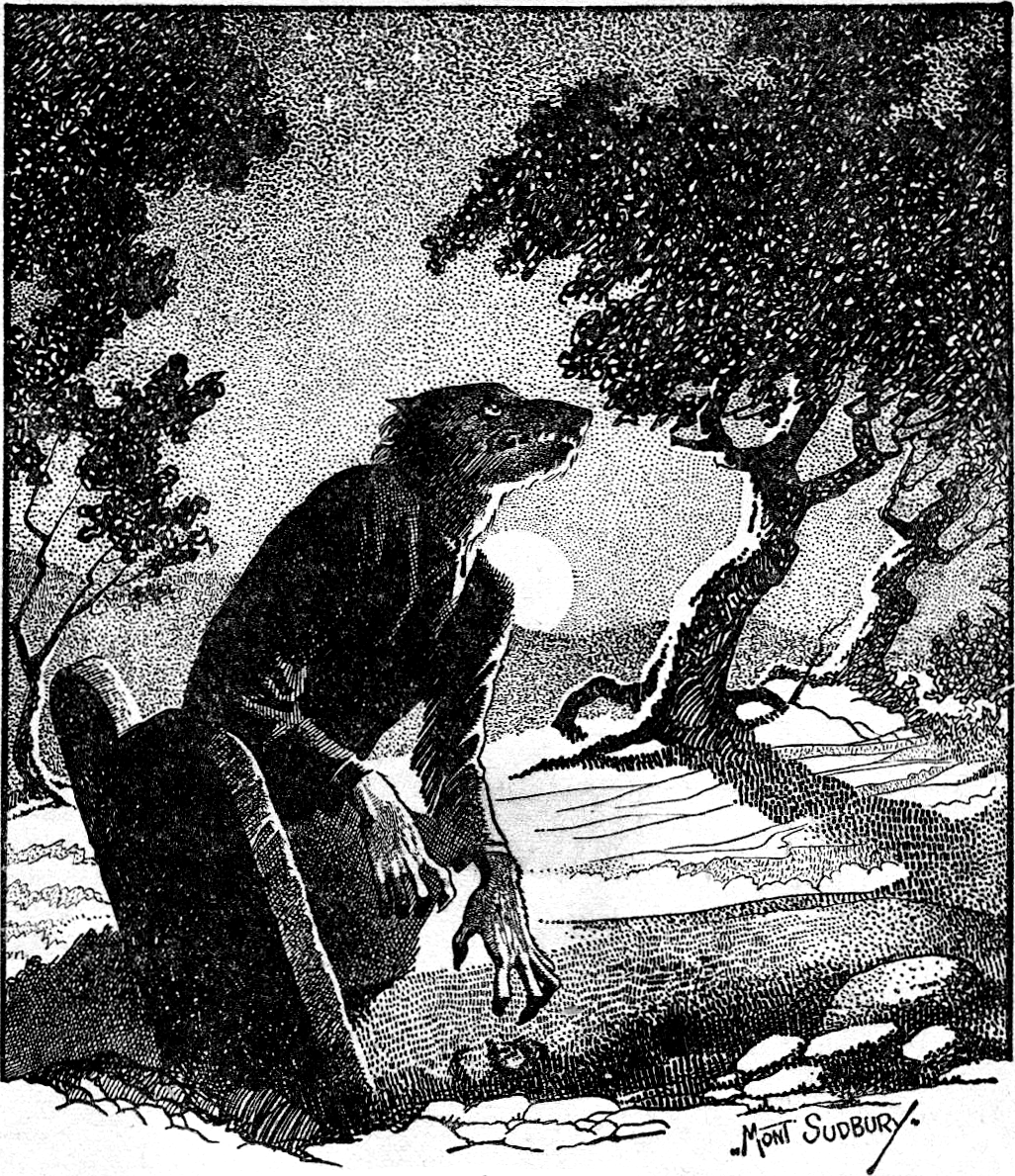 🇫🇷 France and 5 moreWerewolf
A mythical shapeshifter that turns into a wolf, central to European witch-hunts and Gothic horror.Being · Cursing and harm · Wonder and entertainment Legendary
🇫🇷 France and 5 moreWerewolf
A mythical shapeshifter that turns into a wolf, central to European witch-hunts and Gothic horror.Being · Cursing and harm · Wonder and entertainment Legendary
 🇪🇬 Egypt and 1 moreLilithלִילִית
A feminine figure from Mesopotamian and Jewish mythology, often depicted as a night demon or spirit.Being · Cursing and harm Legendary
🇪🇬 Egypt and 1 moreLilithלִילִית
A feminine figure from Mesopotamian and Jewish mythology, often depicted as a night demon or spirit.Being · Cursing and harm Legendary