Agrat bat Mahlat
In its own language: אגרת בת מחלת
Hebrew for Agrat, daughter of Mahlat
A demon in Jewish tradition who rules over destructive spirits and night hours.
Agrat bat Mahlat is a female demon in Jewish mythology, often described as one of the four wives of Samael. She is said to lead hosts of angels of destruction on specific nights and is associated with sorcery and harmful magic.
- One of the four wives of the demon Samael
- Ruled by 180,000 angels of destruction
- Active on Tuesday and Friday nights
- Appears in Aramaic incantation bowls
- Mother of demons in Kabbalistic texts
What it is
Agrat bat Mahlat is a figure from Jewish mythology identified as a demon. Sources describe her as the mistress of sorceresses and a ruler of destructive spirits. She is frequently listed alongside Lilith, Naamah, and Mahlat as one of the four mates or wives of the demonic figure Samael. In some texts, she is also referred to as Eisheth Zenunim, an epithet meaning woman of whoredom, though this title is sometimes applied separately to Lilith. She is believed to command vast numbers of angels of destruction and is associated with harmful magic and nocturnal dangers.
Where it comes from
The name Agrat bat Mahlat appears in Aramaic incantation bowls, which are magical artifacts used for protection. These bowls, dated to the early medieval period, mention her alongside other demons like lilis and liliths. The Talmud contains stories about her interactions with sages, indicating her presence in rabbinic literature. Later Kabbalistic and Midrashic texts expanded her role, placing her within a complex hierarchy of demons and linking her to specific geographical kingdoms and celestial events.
How it is done
In Talmudic narratives, Agrat interacts directly with human sages. She is said to have offered danger to Rabbi Hanina ben Dosa and Abaye but was rebuked by them due to their spiritual standing. The sages decreed that she could not travel through inhabited places, limiting her activity to Tuesday and Friday nights. Incantation bowls were used to ward off her influence. Manuscripts from later periods contain invocations asking for power to be denied to her forces or binding her along with other demonic entities.
Tools and materials
Sources mention a chariot associated with Agrat bat Mahlat. An ineffable Name written on a weapon is cited in Midrash as a protection against her terror. Incantation bowls served as physical tools for invoking protection or identifying her among other spirits. Manuscripts contain written prayers and bindings intended to counter her influence or bind her retinue.
Agrat bat Mahlat, drawn and placed
- Living
- Revived
- Fading
- Historical
- Legendary
- Performed
- Lineage
- Jewish mythology
- Timing
- Tuesday and Friday nights
What it is for
Agrat is primarily associated with harm and destruction. She is believed to go out at night with 180,000 angels of destruction to endanger humans. Her presence is linked to the dangers of traveling alone at night. Sorceresses are said to receive magic secrets from her. Protective rituals and names are used by practitioners to guard against her malevolent powers and the spirits under her command.
Who does it
Scholars of Jewish mysticism and history study her role in texts like the Talmud, Zohar, and Kabbalah. Rabbinic sages such as Hanina ben Dosa and Abaye are depicted as confronting her. Incantation bowl makers and users sought protection from her. Later Kabbalists mapped her rule over specific regions and times, integrating her into a structured cosmology of evil spirits and demonic queens.
Peoples and places
Agrat bat Mahlat is a figure within Jewish tradition. She appears in Babylonian Talmudic stories, Aramaic incantation bowls found in the Middle East, and later European Kabbalistic writings.
At a glance: who, where and when
What people believe
She is part of a worldview where demons have distinct hierarchies and domains. Agrat is the wife of Samael, the heavenly patron of Esau. She rules over specific times, such as the solstices and equinoxes, and specific nights. Her retinue includes Joseph the demon and other spirits. The belief holds that divine protection, through Torah study or sacred names, can limit her power and prevent her from harming the righteous.
When it is done
Agrat is specifically active on Tuesday nights and Shabbat (Friday) nights. Some sources say she rules during the four Tequfot, the seasons marked by the solstices and equinoxes. From sunset until midnight during these times, she and her hosts gather. The Talmud advises against going out alone during these specific nights due to her increased danger.
How scholars and sceptics see it
Researchers analyze Agrat in the context of ancient Near Eastern demonology and Jewish magical practices. The appearance of her name in incantation bowls provides evidence of folk magic practices. Talmudic scholars examine the literary motifs in her encounters with sages.
Cautions and what is closed
Traditional advice warns against going out alone at night, especially on Tuesday and Friday nights, due to the danger posed by Agrat and her hosts. The belief is that she has permission to destroy, making her particularly dangerous when active. Historical texts describe her as a source of terror and harm, requiring protective measures such as sacred names or divine intervention to ensure safety.
Compare and confuse
Agrat is often grouped with Lilith, Naamah, and Mahlat as the four wives of Samael. While Lilith is more widely known in popular culture, Agrat shares similar attributes as a demonic queen and mother of spirits. The term Eisheth Zenunim is sometimes used for her, though it is more commonly associated with Lilith. She is distinct from other female demons by her specific association with Samael and her rule over certain nights and seasons.
Questions people ask about Agrat bat Mahlat
Who is Agrat bat Mahlat?
She is a female demon in Jewish mythology, often described as one of the four wives of Samael. She is believed to lead hosts of destructive spirits and is associated with harmful magic and nocturnal dangers.
What does her name mean?
The name comes from Hebrew, meaning Agrat, daughter of Mahlat. Mahlat and Agrat are proper names, while bat means daughter of.
When is she most dangerous?
Tradition says she goes out on Tuesday nights and Shabbat (Friday) nights. Some sources also link her to the four seasons, the solstices and equinoxes.
How is she connected to other demons?
She is frequently listed with Lilith, Naamah, and Mahlat as the mates of Samael. She is also called the mistress of sorceresses and is said to rule over various demonic hosts.
Good reading and sources
The facts on this page come from the Wikipedia article "Agrat bat Mahlat", written by its contributors and used under the CC BY-SA 4.0 licence, and from its Wikidata record (CC0). EveryJaadu rewrote the text in its own words, with AI assistance, and compares every page with the article to make sure no passage is copied. It may be reused under the same CC BY-SA 4.0 licence with a link back.
It may contain mistakes. Names and customs differ from one community to the next, and some knowledge is closed to outsiders and left out here. This page describes belief and practice. It does not say that any of it works, it is not a how-to, and it is not medical advice. If something is wrong, tell us. Last refreshed 2026-10-06.
More from Israel
All the entries from Israel 🇮🇱 Israel and 2 moreLeviathanלִוְיָתָן (Livyaṯān)
A primordial sea monster from ancient Near Eastern myth and biblical textBeing · Cursing and harm · Power and authority Historical
🇮🇱 Israel and 2 moreBelialבְּלִיַּעַל
A Hebrew term for worthlessness that evolved into a demon of darkness in Jewish and Christian texts.Being · Cursing and harm Historical
🇮🇱 Israel and 2 moreLeviathanלִוְיָתָן (Livyaṯān)
A primordial sea monster from ancient Near Eastern myth and biblical textBeing · Cursing and harm · Power and authority Historical
🇮🇱 Israel and 2 moreBelialבְּלִיַּעַל
A Hebrew term for worthlessness that evolved into a demon of darkness in Jewish and Christian texts.Being · Cursing and harm Historical
 🇮🇱 Israel and 4 moreAngelמלאך
A supernatural messenger or intermediary spirit found in many religious traditions.Being · Speaking with spirits and the dead · Protection Living
🇮🇱 Israel and 4 moreAngelמלאך
A supernatural messenger or intermediary spirit found in many religious traditions.Being · Speaking with spirits and the dead · Protection Living
 🇮🇱 Israel and 5 moreAstaroth
An arch-demon in Western occultism, derived from the ancient goddess Astarte.Being · Power and authority · Cursing and harm Historical
🇮🇱 Israel and 5 moreAstaroth
An arch-demon in Western occultism, derived from the ancient goddess Astarte.Being · Power and authority · Cursing and harm Historical
Related elsewhere
All being 🇷🇸 Serbia and 5 moreVampire
An undead creature from folklore that feeds on the blood or life force of the livingBeing · Cursing and harm · Luck and prosperity Legendary
🇷🇸 Serbia and 5 moreVampire
An undead creature from folklore that feeds on the blood or life force of the livingBeing · Cursing and harm · Luck and prosperity Legendary
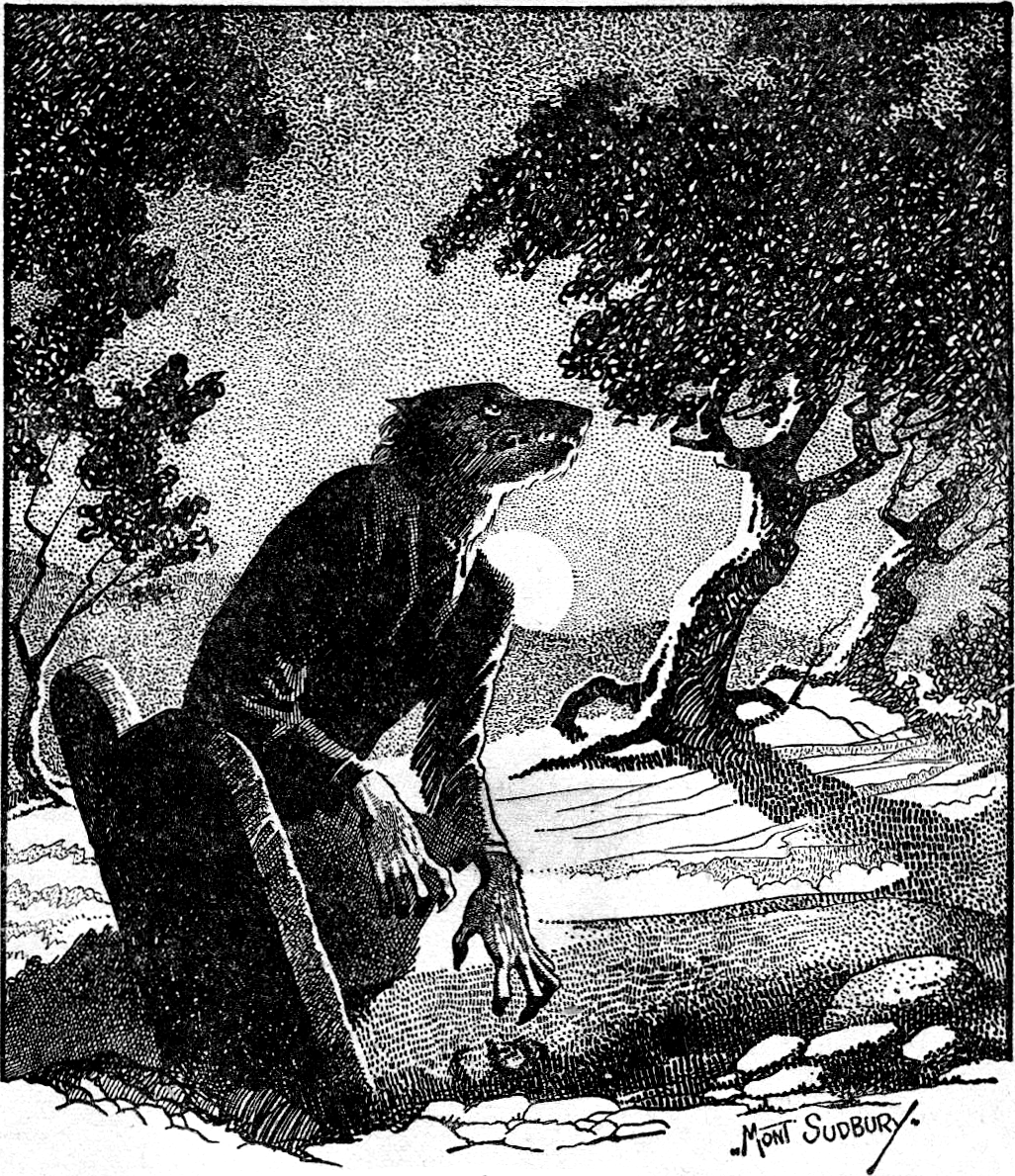 🇫🇷 France and 5 moreWerewolf
A mythical shapeshifter that turns into a wolf, central to European witch-hunts and Gothic horror.Being · Cursing and harm · Wonder and entertainment Legendary
🇫🇷 France and 5 moreWerewolf
A mythical shapeshifter that turns into a wolf, central to European witch-hunts and Gothic horror.Being · Cursing and harm · Wonder and entertainment Legendary
 🇪🇬 Egypt and 1 moreLilithלִילִית
A feminine figure from Mesopotamian and Jewish mythology, often depicted as a night demon or spirit.Being · Cursing and harm Legendary
🇪🇬 Egypt and 1 moreLilithלִילִית
A feminine figure from Mesopotamian and Jewish mythology, often depicted as a night demon or spirit.Being · Cursing and harm Legendary
 🇪🇬 EgyptCurse
A spoken wish for misfortune to befall a person or placeBelief · Cursing and harm · Luck and prosperity Historical
🇪🇬 EgyptCurse
A spoken wish for misfortune to befall a person or placeBelief · Cursing and harm · Luck and prosperity Historical