
Mimi
Elongated rock-dwelling beings from Arnhem Land who taught Aboriginal people to paint and hunt
The Mimi are fairy-like spirits of northern Australia's Arnhem Land. They are said to have created the first rock paintings and taught Aboriginal people how to paint, hunt and cook kangaroo meat.
- Mimis are fairy-like spirits of Arnhem Land
- They have extremely thin, elongated bodies
- They live in rock crevices to avoid wind damage
- They created the first rock paintings
- They taught Aboriginal people to paint and hunt
What it is
The Mimi are described as elongated, fairy-like spirits in the folklore of northern Australia. Their bodies are so thin they risk breaking in high winds, forcing them to live inside rock crevices. These beings are considered mischievous but generally harmless within local stories.
Where it comes from
Aboriginal folklore states that Mimis had human form and arrived before Aboriginal people settled in northern Australia. They are credited with creating the first rock paintings in the region. The spirits are believed to have taught the local people essential skills like painting, hunting and cooking kangaroo meat.
Mimi, drawn and placed
- Living
- Revived
- Fading
- Historical
- Legendary
- Performed
- Lineage
- Aboriginal Australian folklore
Peoples and places
These spirits belong to the cultural traditions of Aboriginal Australians in Arnhem Land. The stories describe them as precursors to the current inhabitants, sharing knowledge about art and survival. Their presence is tied specifically to the landscape and early history of this part of northern Australia.
At a glance: who, where and when
Peoples
What people believe
Mimis are viewed as spiritual beings with a distinct physical form. They are thought to possess human-like shapes but with extreme thinness. Their role involves teaching practical skills and creating art, positioning them as cultural ancestors rather than deities or ghosts.
Compare and confuse
Mimis are often compared to other fairy-like beings such as European fairies, nymphs, Huldufólk, Basajaun, landvættir, the Green Man and wild men. They share traits of being small, nature-connected spirits found in various global folklores.
Questions people ask about Mimi
What are the Mimi?
The Mimi are fairy-like spirits from Arnhem Land in northern Australia. They are known for their extremely thin bodies and their role in teaching Aboriginal people how to paint and hunt.
Where do Mimis live?
Because their thin bodies might break in high winds, Mimis spend most of their time living inside rock crevices in the landscapes of northern Australia.
What did Mimis teach people?
According to folklore, Mimis taught Aboriginal people how to create rock paintings, how to hunt and how to cook kangaroo meat before the people fully settled the area.
Good reading and sources
The facts on this page come from the Wikipedia article "Mimi (folklore)", written by its contributors and used under the CC BY-SA 4.0 licence, and from its Wikidata record (CC0). EveryJaadu rewrote the text in its own words, with AI assistance, and compares every page with the article to make sure no passage is copied. It may be reused under the same CC BY-SA 4.0 licence with a link back.
It may contain mistakes. Names and customs differ from one community to the next, and some knowledge is closed to outsiders and left out here. This page describes belief and practice. It does not say that any of it works, it is not a how-to, and it is not medical advice. If something is wrong, tell us. Last refreshed 2026-10-06.
More from Australia
All the entries from Australia 🇦🇺 AustraliaRainbow Serpent
A creator spirit of water and land in Aboriginal Australian mythologyBeing · Healing · Cursing and harm Living
🇦🇺 AustraliaRainbow Serpent
A creator spirit of water and land in Aboriginal Australian mythologyBeing · Healing · Cursing and harm Living
 🇦🇺 AustraliaKurdaitchakwertatye
A ritual executioner and feathered shoes of the Arrernte people in Central Australia.Tradition · Cursing and harm · Power and authority Historical
🇦🇺 AustraliaMokoi
An evil spirit in Yolngu mythology that kills sorcerers and kidnaps childrenBeing · Cursing and harm Legendary
🇦🇺 AustraliaYara-ma-yha-who
A red frog-like vampire from Australian Aboriginal folklore that lives in fig treesBeing · Cursing and harm Legendary
🇦🇺 AustraliaKurdaitchakwertatye
A ritual executioner and feathered shoes of the Arrernte people in Central Australia.Tradition · Cursing and harm · Power and authority Historical
🇦🇺 AustraliaMokoi
An evil spirit in Yolngu mythology that kills sorcerers and kidnaps childrenBeing · Cursing and harm Legendary
🇦🇺 AustraliaYara-ma-yha-who
A red frog-like vampire from Australian Aboriginal folklore that lives in fig treesBeing · Cursing and harm Legendary
Related elsewhere
All being 🇷🇸 Serbia and 5 moreVampire
An undead creature from folklore that feeds on the blood or life force of the livingBeing · Cursing and harm · Luck and prosperity Legendary
🇷🇸 Serbia and 5 moreVampire
An undead creature from folklore that feeds on the blood or life force of the livingBeing · Cursing and harm · Luck and prosperity Legendary
 🇪🇬 Egypt and 1 moreSphinx
A mythical hybrid with a human head and lion body, serving as guardian or riddler in Egyptian and Greek traditions.Being · Protection · Wonder and entertainment Legendary
🇪🇬 Egypt and 1 moreSphinx
A mythical hybrid with a human head and lion body, serving as guardian or riddler in Egyptian and Greek traditions.Being · Protection · Wonder and entertainment Legendary
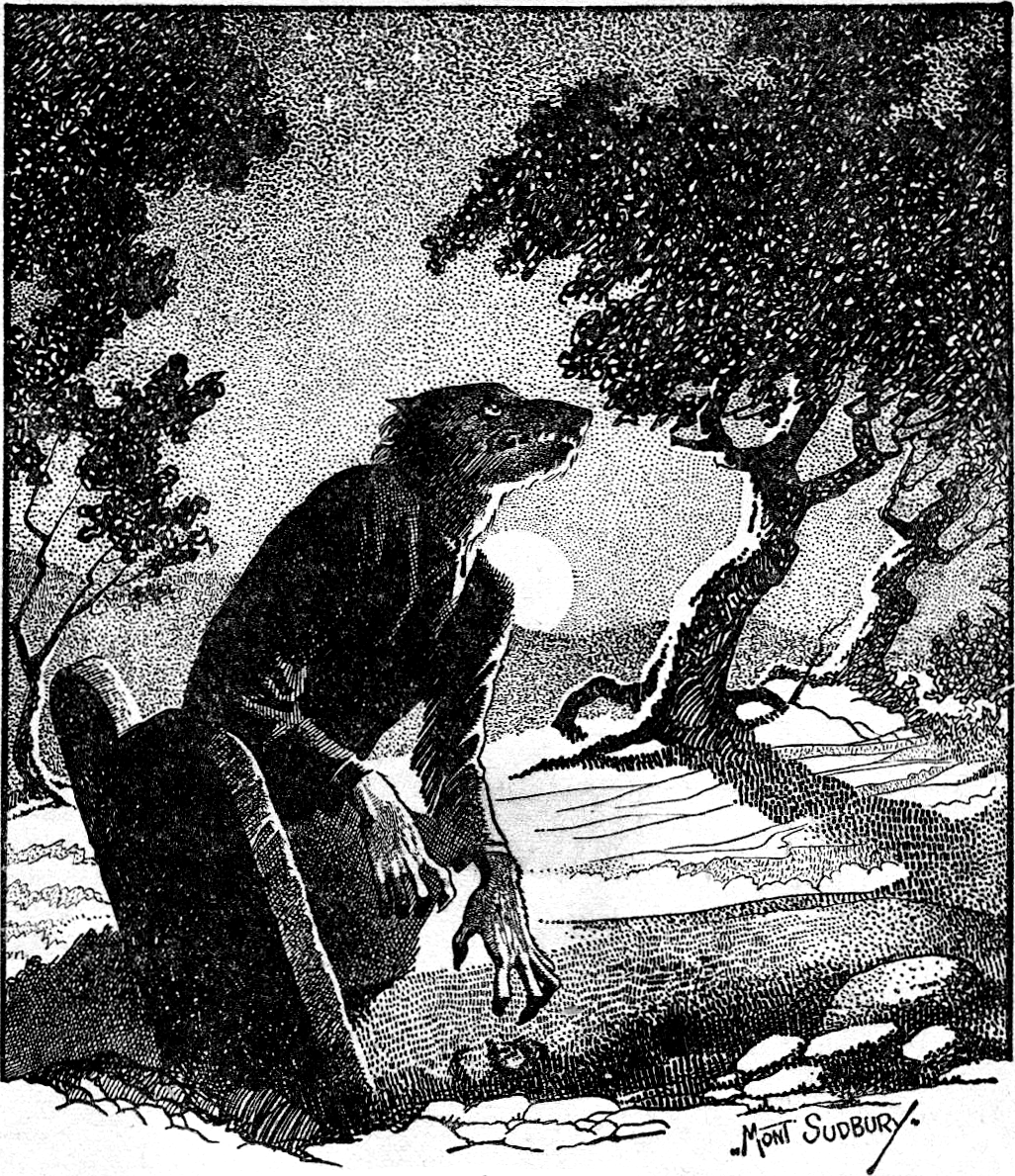 🇫🇷 France and 5 moreWerewolf
A mythical shapeshifter that turns into a wolf, central to European witch-hunts and Gothic horror.Being · Cursing and harm · Wonder and entertainment Legendary
🇫🇷 France and 5 moreWerewolf
A mythical shapeshifter that turns into a wolf, central to European witch-hunts and Gothic horror.Being · Cursing and harm · Wonder and entertainment Legendary
 🇪🇬 Egypt and 1 moreLilithלִילִית
A feminine figure from Mesopotamian and Jewish mythology, often depicted as a night demon or spirit.Being · Cursing and harm Legendary
🇪🇬 Egypt and 1 moreLilithלִילִית
A feminine figure from Mesopotamian and Jewish mythology, often depicted as a night demon or spirit.Being · Cursing and harm Legendary