
Lotan
In its own language: 𐎍𐎚𐎐 (LTN)
from Ugaritic ltn, meaning "coiled"
A coiled sea serpent defeated by a storm god in Ugaritic myth
Lotan is a chaotic sea serpent from the Ugaritic Baal Cycle. It serves the god Yam and is slain by the storm deity Hadad-Baʿal. The creature represents the ancient Near Eastern chaoskampf theme.
- Defeated by storm god Hadad-Baʿal in the Baal Cycle
- Name means "coiled" in Ugaritic
- Linked to the biblical Leviathan
- Litani River named after the creature
- Part of the chaoskampf myth theme
What it is
Lotan is a mythical serpent or dragon from the Ugaritic tradition. In the Baal Cycle, it acts as a servant to the sea god Yam. The storm god Hadad-Baʿal defeats Lotan in battle. This event establishes cosmic order over chaotic waters. The name means "coiled" in Ugaritic. Scholars link Lotan to later figures like the biblical Leviathan. The creature embodies the struggle between order and chaos found across the Ancient Near East.
Where it comes from
The figure likely evolved from earlier Syrian serpent imagery on seals dating to the 18th–16th century BC. These early depictions show a serpent named Têmtum. Later texts reflect this entity as Leviathan in Hebrew scripture. Some scholars argue that Isaiah 27:1 directly quotes Ugaritic phrasing. The myth fits the broader chaoskampf pattern seen in Greek and Norse traditions.
Lotan, drawn and placed
- Living
- Revived
- Fading
- Historical
- Legendary
- Performed
- Lineage
- Ancient Near Eastern mythology
Peoples and places
The Ugaritic people created the original myth of Hadad defeating Lotan. The Litani River in Lebanon’s Beqaa Valley bears the name Litan. Local belief held the river was the personification of the god. This geographic link shows how myths can shape landscape identity. The story influenced later Semitic traditions, including Hebrew biblical literature.
At a glance: who, where and when
Peoples
What people believe
Lotan represents chaotic waters controlled by the sea god Yam. Its defeat by Hadad-Baʿal symbolizes the triumph of storm and order. This narrative mirrors other near-eastern myths where gods slay sea monsters. Examples include Marduk vs. Tiamat and Indra vs. Vritra. The pattern contrasts good with evil and light with darkness. It reflects ancient views of nature’s forces as divine struggles.
How scholars and sceptics see it
Researchers study Lotan to understand Ancient Near Eastern mythology. They compare it to Leviathan in the Book of Job and Isaiah. Some note linguistic parallels between Ugaritic and Hebrew texts. Scholars also place Lotan within the wider chaoskampf theme. This includes comparisons to Zeus, Thor, and Indra. Studies focus on how these myths express cultural values about order and nature.
Compare and confuse
Lotan is often compared to Leviathan in Hebrew Bible. It shares traits with Tiamat, Typhon, Jörmungandr, and Vritra. All are sea or chaos monsters defeated by a supreme deity. The name Litan appears in the Litani River’s title. Each figure serves a similar role in its respective pantheon.
Questions people ask about Lotan
What is Lotan?
Lotan is a mythical sea serpent from Ugaritic mythology. It serves the god Yam and is defeated by the storm god Hadad-Baʿal. The name means "coiled" in Ugaritic.
Where does the name come from?
The name comes from the Ugaritic word ltn, meaning "coiled." It appears in the Baal Cycle as a proper noun for the serpent.
Is Lotan related to Leviathan?
Scholars believe Lotan prefigures the biblical Leviathan. Both are sea monsters defeated by a supreme deity. Some texts suggest direct linguistic links between them.
Why is there a river named Litan?
The Litani River in Lebanon is named after Lotan. Locals believed the river personified the god, linking the myth to the landscape.
Good reading and sources
The facts on this page come from the Wikipedia article "Lotan", written by its contributors and used under the CC BY-SA 4.0 licence, and from its Wikidata record (CC0). EveryJaadu rewrote the text in its own words, with AI assistance, and compares every page with the article to make sure no passage is copied. It may be reused under the same CC BY-SA 4.0 licence with a link back.
It may contain mistakes. Names and customs differ from one community to the next, and some knowledge is closed to outsiders and left out here. This page describes belief and practice. It does not say that any of it works, it is not a how-to, and it is not medical advice. If something is wrong, tell us. Last refreshed 2026-10-06.
More from Syria
All the entries from Syria 🇮🇱 Israel and 2 moreLeviathanלִוְיָתָן (Livyaṯān)
A primordial sea monster from ancient Near Eastern myth and biblical textBeing · Cursing and harm · Power and authority Historical
🇸🇾 SyriaLilulilû (Akkadian), lilu (Sumerian)
A class of Mesopotamian spirits linked to unfulfilled lives and illnessBeing · Cursing and harm · Healing Historical
🇮🇱 Israel and 2 moreLeviathanלִוְיָתָן (Livyaṯān)
A primordial sea monster from ancient Near Eastern myth and biblical textBeing · Cursing and harm · Power and authority Historical
🇸🇾 SyriaLilulilû (Akkadian), lilu (Sumerian)
A class of Mesopotamian spirits linked to unfulfilled lives and illnessBeing · Cursing and harm · Healing Historical
 🇸🇾 SyriaEchidnaΈχιδνα
A half-woman, half-snake monster in Greek myth who mothered many famous beastsBeing · Cursing and harm Legendary
🇸🇾 SyriaEchidnaΈχιδνα
A half-woman, half-snake monster in Greek myth who mothered many famous beastsBeing · Cursing and harm Legendary
Related elsewhere
All being 🇷🇸 Serbia and 5 moreVampire
An undead creature from folklore that feeds on the blood or life force of the livingBeing · Cursing and harm · Luck and prosperity Legendary
🇷🇸 Serbia and 5 moreVampire
An undead creature from folklore that feeds on the blood or life force of the livingBeing · Cursing and harm · Luck and prosperity Legendary
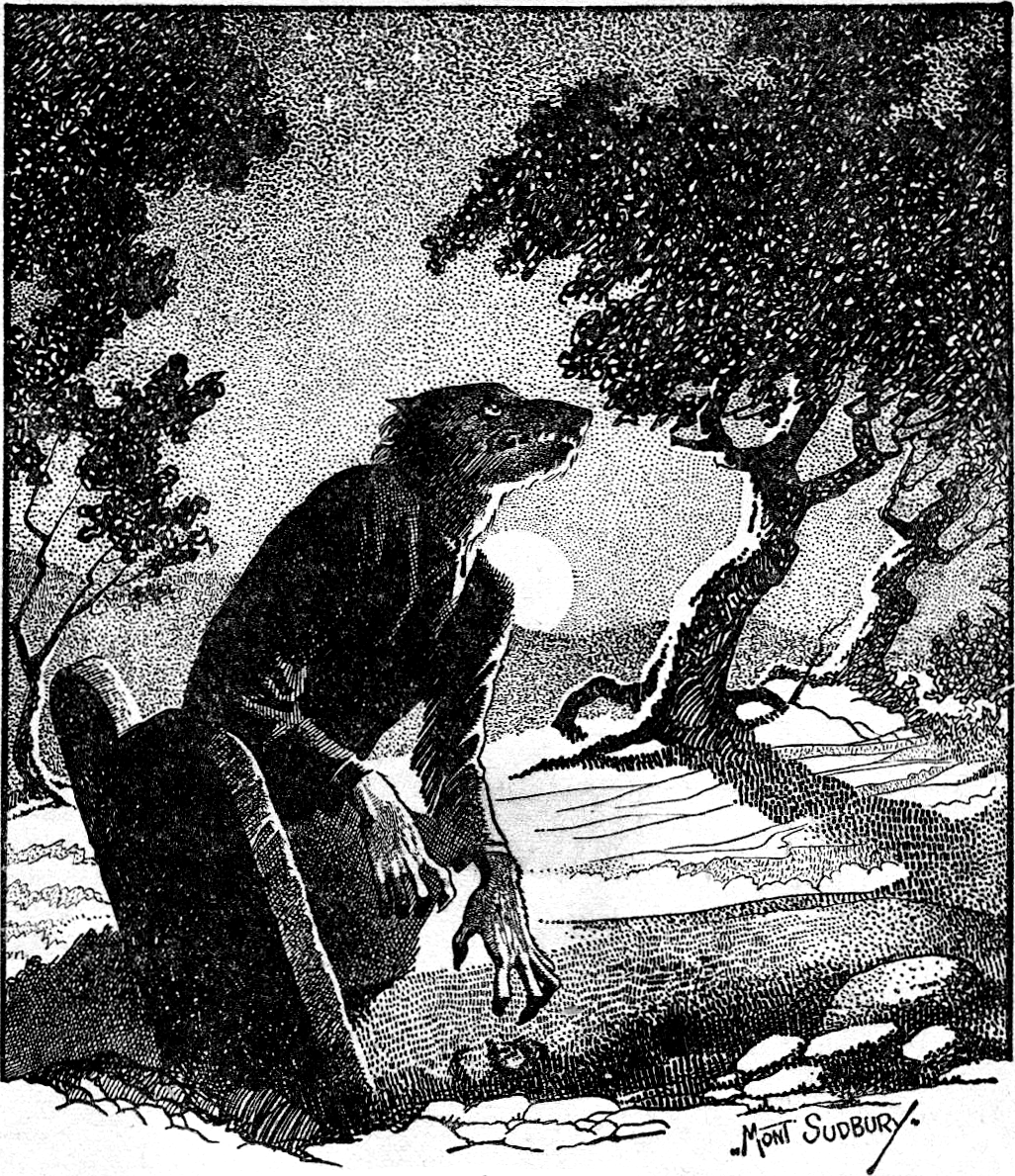 🇫🇷 France and 5 moreWerewolf
A mythical shapeshifter that turns into a wolf, central to European witch-hunts and Gothic horror.Being · Cursing and harm · Wonder and entertainment Legendary
🇫🇷 France and 5 moreWerewolf
A mythical shapeshifter that turns into a wolf, central to European witch-hunts and Gothic horror.Being · Cursing and harm · Wonder and entertainment Legendary
 🇪🇬 Egypt and 1 moreLilithלִילִית
A feminine figure from Mesopotamian and Jewish mythology, often depicted as a night demon or spirit.Being · Cursing and harm Legendary
🇪🇬 Egypt and 1 moreLilithלִילִית
A feminine figure from Mesopotamian and Jewish mythology, often depicted as a night demon or spirit.Being · Cursing and harm Legendary
 🇨🇳 China and 3 moreChinese dragon龍
A legendary water deity and imperial symbol in East Asian cultureBeing · Protection · Luck and prosperity Historical
🇨🇳 China and 3 moreChinese dragon龍
A legendary water deity and imperial symbol in East Asian cultureBeing · Protection · Luck and prosperity Historical