
Les Lavandières
In its own language: Kannerez-Noz
from French words meaning 'the washerwomen'
Supernatural washerwomen who wash shrouds or bloodstained clothes for those about to die.
These figures appear in Celtic folklore across Brittany, Ireland, and Iberia as omens of death. They are said to wash graveclothes or bloody garments at the water's edge, foretelling the passing of a family member or the observer.
- They wash shrouds or bloody clothes at midnight.
- Sighting them predicts imminent death.
- They have webbed feet and pale skin.
- Refusing help can result in drowning or broken arms.
- Helping correctly may grant three wishes.
What it is
Les Lavandières are supernatural female figures found in Celtic folklore. They are often described as three old women or pale creatures with webbed feet. Their primary activity involves washing items at the water's edge during the night. These items are either shrouds for the dead or bloodstained clothing belonging to someone who will soon pass away. The sight of them is considered an ominous sign that predicts death within a family or for the observer themselves.
Where it comes from
The belief is rooted in ancient Celtic traditions, possibly linked to triple goddesses associated with death and slaughter. Variations exist across regions, such as the Bean nighe in Gaelic and Las Lavanderas in Iberia. While some legends suggest they are ghosts buried in dirty shrouds, others view them as anonymous supernatural beings. Written records from the nineteenth century show their presence in French literature, though oral traditions likely predate these accounts significantly.
How it is done
The figures appear near rivers, creeks, or laundrettes, typically under moonlight or on specific nights like All Saints' Eve. They wash graveclothes or bloody garments without speaking. If disturbed, they may curse the intruder. In some tales, they ask for help wringing sheets; refusing leads to violence, while helping correctly can grant wishes. Getting between them and the water is also said to force them to answer questions or grant gifts.
Tools and materials
They use water from rivers or creeks to wash their items. The objects include white shrouds intended for burial or shirts stained with blood. Their appearance often includes traditional clothing or simple white dresses. Some descriptions note green attire and webbed feet, linking them to water birds or ducks in local dialects.
Les Lavandières, drawn and placed
- Living
- Revived
- Fading
- Historical
- Legendary
- Performed
- Lineage
- Celtic mythology
- Timing
- at midnight or during full moons
What it is for
Their presence serves as a warning or omen. Seeing them indicates that death is imminent for a specific person. In Scotland and Wales, interacting with them can lead to bargaining for wishes or answers to questions. However, most encounters are dangerous, resulting in injury or death for those who interfere with their ritual washing.
Who does it
No specific practitioners perform this rite. The figures act independently as supernatural entities. They are encountered by ordinary people who happen to be near water at night. Local folklore collectors in the nineteenth and twentieth centuries recorded these stories, preserving the details of how different communities viewed these apparitions.
Peoples and places
The legend appears throughout Celtic regions. In Brittany, they are known as kannerezed noz and are feared omens. Irish traditions call them washerwomen who wash bloody shirts. Scottish lore includes a single washer named Clotha and rules for making deals. Iberian versions like Las Lavanderas share similar traits. Each culture adds unique details about their appearance and the consequences of meeting them.
At a glance: who, where and when
Belief worlds
Occasions

What people believe
These figures represent a connection between the living and the dead. They are believed to prepare items for souls leaving the world. The washing ritual symbolizes purification or the final preparation for burial. Their association with water and night reinforces their role as liminal beings. Believers hold that disturbing them breaks a sacred boundary, leading to immediate retribution.
When it is done
Encounters typically happen at midnight or during the night. Full moon nights are common settings for their appearance. In Brittany, they may appear on the eve of All Saints' Day. The timing aligns with periods when the veil between worlds is thought to be thinner, allowing these spirits to manifest near water sources.
Days linked to Les Lavandières
Questions people ask about Les Lavandières
What are Les Lavandières?
They are supernatural washerwomen in Celtic folklore who wash shrouds or bloodstained clothes at the water's edge, serving as omens of impending death.
Where do these legends come from?
The belief originates in Celtic mythology and appears in Brittany, Ireland, Scotland, and parts of Spain and Portugal, with regional names like Bean nighe and Las Lavanderas.
What happens if you see them?
Seeing them is considered an ominous sign that foretells death for yourself or a family member. Interfering with their washing can lead to injury or death.
How can you get wishes from them?
In Scottish and Welsh lore, twisting the sheets in the opposite direction or standing between them and the water can force them to grant wishes or answer questions.
Good reading and sources
The facts on this page come from the Wikipedia article "Les Lavandières", written by its contributors and used under the CC BY-SA 4.0 licence, and from its Wikidata record (CC0). EveryJaadu rewrote the text in its own words, with AI assistance, and compares every page with the article to make sure no passage is copied. It may be reused under the same CC BY-SA 4.0 licence with a link back.
It may contain mistakes. Names and customs differ from one community to the next, and some knowledge is closed to outsiders and left out here. This page describes belief and practice. It does not say that any of it works, it is not a how-to, and it is not medical advice. If something is wrong, tell us. Last refreshed 2026-10-06.
More from France
All the entries from France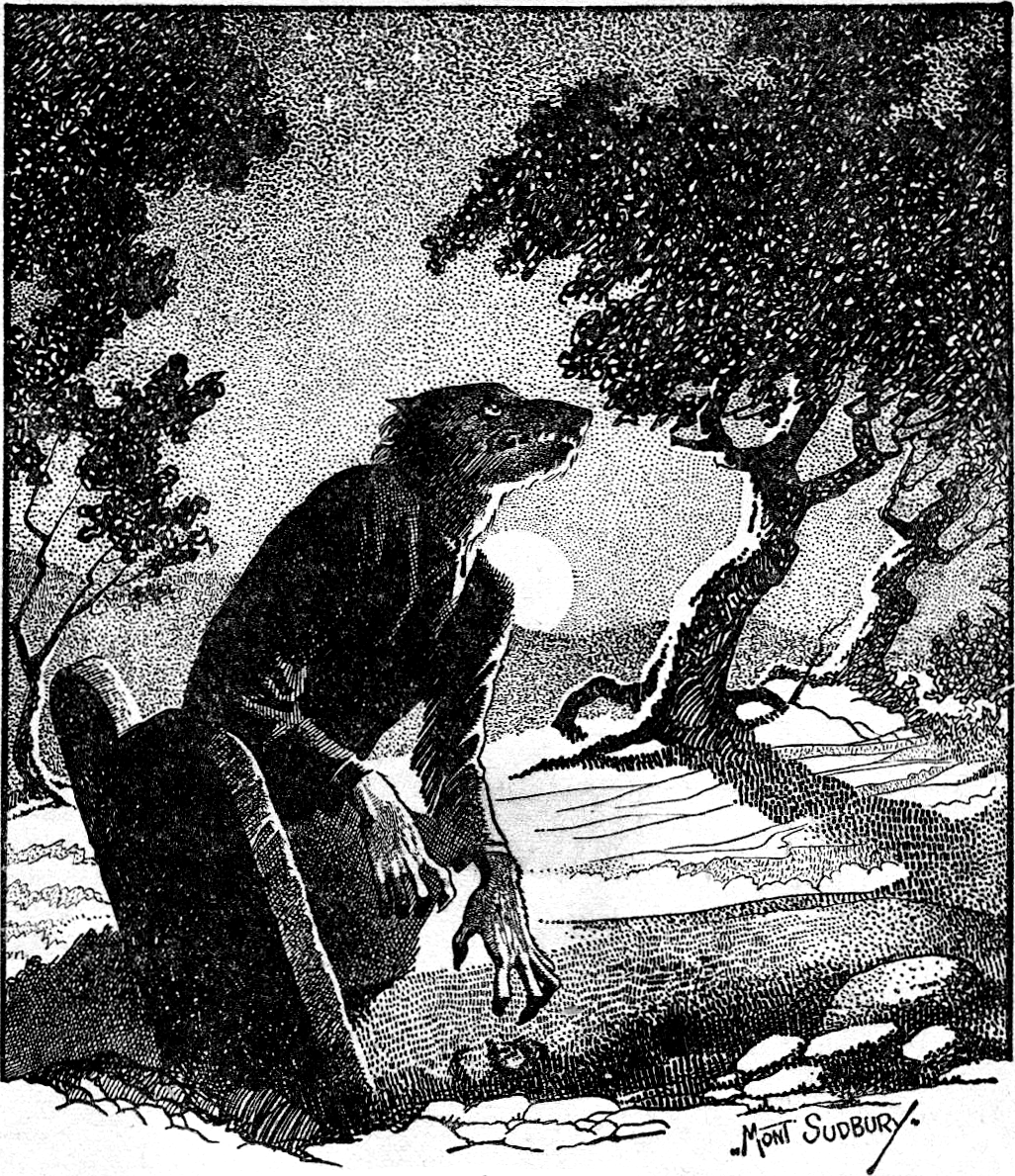 🇫🇷 France and 5 moreWerewolf
A mythical shapeshifter that turns into a wolf, central to European witch-hunts and Gothic horror.Being · Cursing and harm · Wonder and entertainment Legendary
🇫🇷 France and 5 moreWerewolf
A mythical shapeshifter that turns into a wolf, central to European witch-hunts and Gothic horror.Being · Cursing and harm · Wonder and entertainment Legendary
 🇫🇷 France and 5 moreRevenant
An animated corpse or spirit that returns from the grave to haunt the livingBeing · Cursing and harm Legendary
🇫🇷 France and 5 moreRevenant
An animated corpse or spirit that returns from the grave to haunt the livingBeing · Cursing and harm Legendary
 🇫🇷 France and 1 moreCernunnos
An antlered Celtic deity depicted with torcs and serpents, known from Roman-era Gaul.Being · Power and authority · Luck and prosperity Historical
🇫🇷 France and 1 moreCernunnos
An antlered Celtic deity depicted with torcs and serpents, known from Roman-era Gaul.Being · Power and authority · Luck and prosperity Historical
 🇬🇷 Greece and 3 moreHippocampusἱππόκαμπος
A mythological hybrid of a horse and fish from ancient Mediterranean culturesBeing · Wonder and entertainment Legendary
🇬🇷 Greece and 3 moreHippocampusἱππόκαμπος
A mythological hybrid of a horse and fish from ancient Mediterranean culturesBeing · Wonder and entertainment Legendary
Related elsewhere
All being 🇮🇳 India and 5 moreAstrology
A divinatory practice that reads human fate through the positions of celestial bodies.Belief · Seeing and foretelling · Luck and prosperity Living
🇮🇳 India and 5 moreAstrology
A divinatory practice that reads human fate through the positions of celestial bodies.Belief · Seeing and foretelling · Luck and prosperity Living
 🇮🇳 India and 2 morePalmistry
A divination method that interprets the lines and shapes of the hand to predict fate or reveal character.Oracle · Seeing and foretelling · Power and authority Living
🇮🇳 India and 2 morePalmistry
A divination method that interprets the lines and shapes of the hand to predict fate or reveal character.Oracle · Seeing and foretelling · Power and authority Living
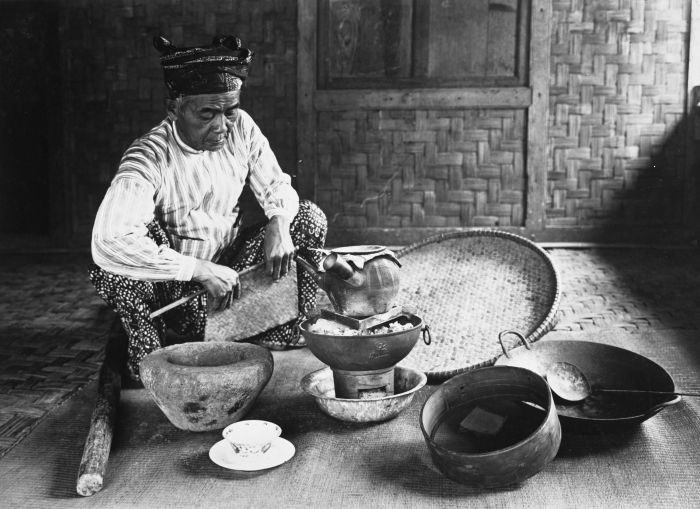 🇮🇩 Indonesia and 2 moreDukun
A traditional healer and spirit medium in Indonesian folk practiceTradition · Healing · Seeing and foretelling Living
🇮🇩 Indonesia and 2 moreDukun
A traditional healer and spirit medium in Indonesian folk practiceTradition · Healing · Seeing and foretelling Living
 🇳🇬 NigeriaOrunmilaỌ̀rúnmìlà
Yoruba deity of wisdom and the creator of the Ifá divination systemBeing · Seeing and foretelling · Speaking with spirits and the dead Living
🇳🇬 NigeriaOrunmilaỌ̀rúnmìlà
Yoruba deity of wisdom and the creator of the Ifá divination systemBeing · Seeing and foretelling · Speaking with spirits and the dead Living