The Ninki Nanka is a mythical creature from the folklore of The Gambia and Senegal. It is described as a large reptilian beast that lives in swamps and forests. Locals believe its gaze causes death or sickness.
- Described as a swamp dragon with a fatal stare
- Feared by the Mandinka people of The Gambia
- Mirrors are used to deflect its deadly gaze
- Investigated by cryptozoologists in 2006
- Featured in modern fantasy novels and TV
What it is
The Ninki Nanka is a legendary creature found in West African folklore, particularly around the lower Gambia region. It is widely described as a fearsome spirit or a sea dragon. Accounts vary on its exact appearance, but it is generally considered a large reptilian beast. Some descriptions liken it to a crocodile with a donkey body, while others see it as a winged fire-breathing serpent. It is often depicted with mirror-like scales and a long neck. The creature is believed to inhabit swampy forests, caves, and rivers. Its most dangerous trait is its fatal stare, which is said to cause immediate death upon eye contact, similar to the myth of Medusa.
Where it comes from
The legend originates among the Mandinka people of The Gambia and Senegal. A 1906 commissioner's report notes that the Mandingoes are firm believers in genii, or spirits. The Ninki Nanka is one such well-known myth, described as a gigantic crowned serpent residing in thick bush. The story has spread across tribes throughout Africa over time. While there are no records of the tale in non-modern texts, it remains a significant part of local oral tradition. The name is also used by the Mandinka people as a general term for dragons.
Tools and materials
Folklore advises carrying mirrors to protect oneself from the Ninki Nanka. The creature is believed to have a gem inside its head that grants it power. Its scales are said to shimmer in various colors, allowing it to camouflage in its swampy habitat. The mirror is used specifically to deflect its deadly gaze, preventing the fatal eye contact that leads to death or severe sickness.
Ninki Nanka, drawn and placed
- Living
- Revived
- Fading
- Historical
- Legendary
- Performed
- Lineage
- West African folklore
What it is for
The Ninki Nanka is not sought after for positive purposes. Instead, it is feared as a source of harm. Locals believe that seeing the creature's body brings dangerous sickness, while seeing its eyes or crown means instantaneous death. Evil spirits like the Ninki Nanka were also thought to bring about droughts or famines. This fear kept many residents away from fertile swamps, rivers, and hills where the creature was said to dwell.
Peoples and places
The Ninki Nanka is primarily associated with the Mandinka people of The Gambia. It is also known in Senegal, where a song titled "Ninki Nanka" appears on the 1984 album Casamance au clair de lune by the group Touré Kunda. The legend has spread beyond these borders, appearing in popular culture globally. It features in fantasy novels such as Skin of the Sea and Moon Witch, Spider King. It was also the subject of an episode of the television show Destination Truth.
At a glance: who, where and when
Peoples
What people believe
The belief system surrounding the Ninki Nanka involves a world inhabited by both good and bad spirits. Villages were thought to have two genii, one male and one female, with varying moral alignments. The Ninki Nanka represents the malevolent force within this worldview. Environmental catastrophes like droughts were interpreted by locals as the work of such supernatural forces. The creature's power is derived from a gem in its head, and its ability to camouflage adds to its mysterious and dangerous nature.
How scholars and sceptics see it
In 2006, the Centre for Fortean Zoology sent a team to The Gambia to investigate the Ninki Nanka. They collected testimony from individuals who claimed to have seen the creature. One interviewee compared it to a Chinese dragon, while cryptozoologist Richard Freeman noted second-hand accounts describing it as a crocodile or a winged snake that spits fire. These modern investigations treat the legend as a subject of cryptozoological interest rather than historical fact.
Today
The Ninki Nanka continues to appear in modern media and literature. It is featured in recent fantasy novels and television programs exploring mythical creatures. The 2006 expedition by the Centre for Fortean Zoology brought renewed attention to the legend, though it remains a figure of folklore rather than a verified animal. The story persists as a cultural touchstone in West Africa and among fans of the fantastical.
Questions people ask about Ninki Nanka
What is the Ninki Nanka?
It is a legendary swamp dragon from West African folklore, particularly among the Mandinka people of The Gambia. It is described as a large reptilian beast with a fatal stare.
Where does the Ninki Nanka live?
It is believed to inhabit swampy forests, caves, and rivers in the lower Gambia region. Its camouflage abilities help it hide in these marshy habitats.
How can you protect yourself from it?
Folklore advises carrying mirrors to deflect its gaze. Eye contact with the creature is said to cause immediate death or severe sickness.
Has anyone ever seen the real creature?
No verified sightings exist. In 2006, researchers from the Centre for Fortean Zoology investigated claims, but the creature remains a myth.
Good reading and sources
- Exploring the Gambia’s new Ninki Nanka TrailNational Geographic, Article
- BBC NEWS | AfricaBBC, Article
The facts on this page come from the Wikipedia article "Ninki Nanka", written by its contributors and used under the CC BY-SA 4.0 licence, and from its Wikidata record (CC0). EveryJaadu rewrote the text in its own words, with AI assistance, and compares every page with the article to make sure no passage is copied. It may be reused under the same CC BY-SA 4.0 licence with a link back.
It may contain mistakes. Names and customs differ from one community to the next, and some knowledge is closed to outsiders and left out here. This page describes belief and practice. It does not say that any of it works, it is not a how-to, and it is not medical advice. If something is wrong, tell us. Last refreshed 2026-10-06.
More from the Gambia
All the entries from the Gambia 🇸🇳 Senegal and 5 moreAncestor veneration
Rituals of respect and offerings for the dead across many culturesTradition · Protection · Speaking with spirits and the dead Living
🇸🇳 Senegal and 5 moreAncestor veneration
Rituals of respect and offerings for the dead across many culturesTradition · Protection · Speaking with spirits and the dead Living
 🇸🇳 Senegal and 5 morePentagramπεντάγραμμον
A five-pointed star figure used across history for protection, ritual, and cosmologyCharm · Protection · Binding and oaths Living
🇸🇳 Senegal and 5 morePentagramπεντάγραμμον
A five-pointed star figure used across history for protection, ritual, and cosmologyCharm · Protection · Binding and oaths Living
 🇸🇳 Senegal and 1 moreSerer religionA ƭat Roog
The traditional faith of the Serer people, centred on the supreme deity Roog and ancestral veneration.Tradition · Protection · Speaking with spirits and the dead Living
🇳🇬 Nigeria and 5 moreWitchcraft accusations against children in Africa
Violent persecution of children blamed for misfortune across Sub-Saharan Africa and beyondBelief · Cursing and harm Living
🇸🇳 Senegal and 1 moreSerer religionA ƭat Roog
The traditional faith of the Serer people, centred on the supreme deity Roog and ancestral veneration.Tradition · Protection · Speaking with spirits and the dead Living
🇳🇬 Nigeria and 5 moreWitchcraft accusations against children in Africa
Violent persecution of children blamed for misfortune across Sub-Saharan Africa and beyondBelief · Cursing and harm Living
Related elsewhere
All being 🇷🇸 Serbia and 5 moreVampire
An undead creature from folklore that feeds on the blood or life force of the livingBeing · Cursing and harm · Luck and prosperity Legendary
🇷🇸 Serbia and 5 moreVampire
An undead creature from folklore that feeds on the blood or life force of the livingBeing · Cursing and harm · Luck and prosperity Legendary
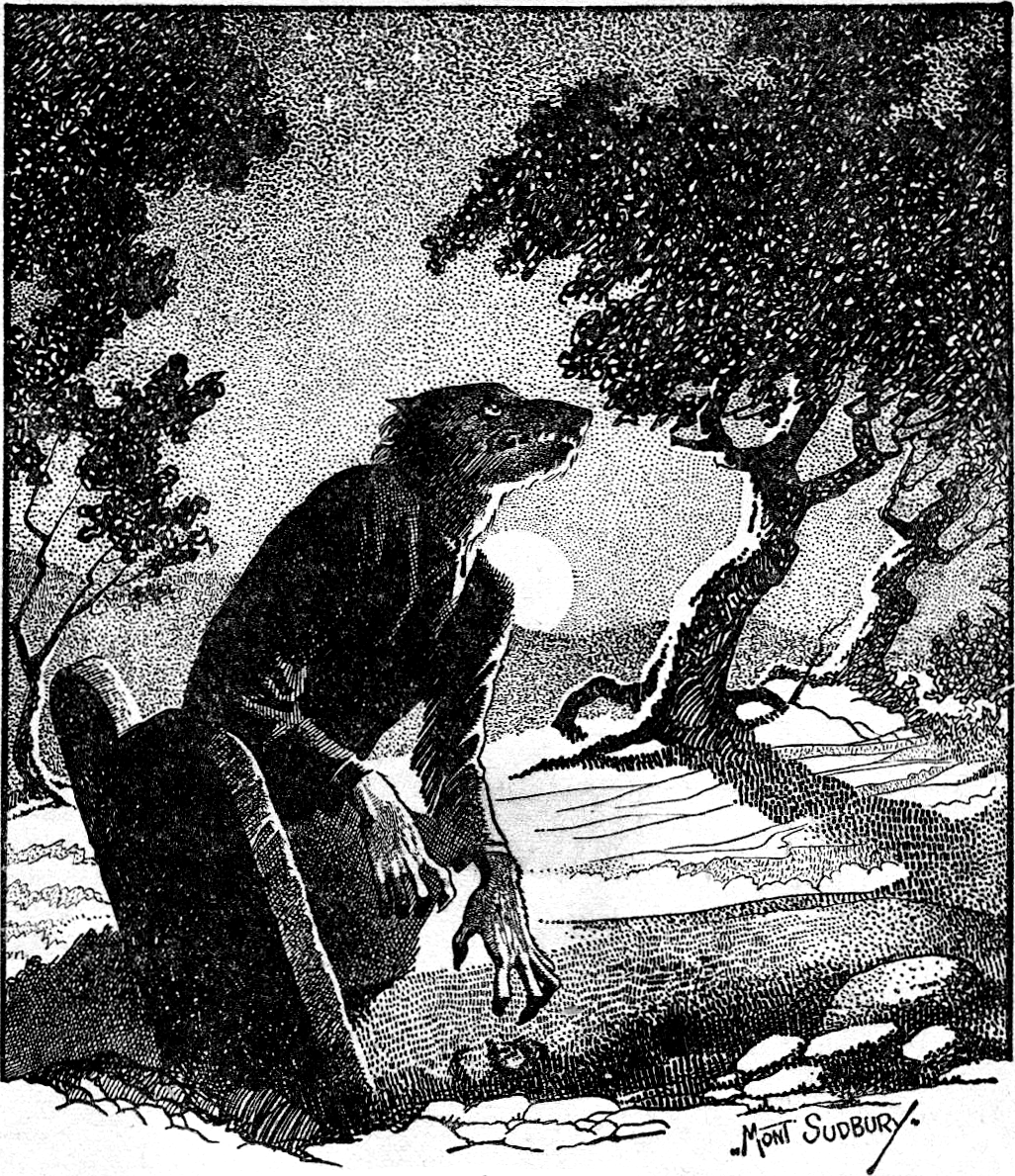 🇫🇷 France and 5 moreWerewolf
A mythical shapeshifter that turns into a wolf, central to European witch-hunts and Gothic horror.Being · Cursing and harm · Wonder and entertainment Legendary
🇫🇷 France and 5 moreWerewolf
A mythical shapeshifter that turns into a wolf, central to European witch-hunts and Gothic horror.Being · Cursing and harm · Wonder and entertainment Legendary
 🇪🇬 Egypt and 1 moreLilithלִילִית
A feminine figure from Mesopotamian and Jewish mythology, often depicted as a night demon or spirit.Being · Cursing and harm Legendary
🇪🇬 Egypt and 1 moreLilithלִילִית
A feminine figure from Mesopotamian and Jewish mythology, often depicted as a night demon or spirit.Being · Cursing and harm Legendary
 🇪🇬 EgyptCurse
A spoken wish for misfortune to befall a person or placeBelief · Cursing and harm · Luck and prosperity Historical
🇪🇬 EgyptCurse
A spoken wish for misfortune to befall a person or placeBelief · Cursing and harm · Luck and prosperity Historical