Spirits, creatures and beings
Djinn, fairies, orisha, golems and the other powers that magic deals with.
Beings are the powers that magic deals with: spirits, ancestors, gods, djinn, fairies, orisha, nats, kami, demons, golems, ghosts and the many kinds of household and landscape spirit. People in most cultures have described a world shared with unseen others, who may help, trouble or ask for respect. This page covers what these beings are said to be and the very different ways communities relate to them. They are always described here as what communities believe, not as established fact.
Different kinds of beings
A being can be a god with a priesthood, such as an orisha served in Yoruba religion, Cuba and Brazil. It can be an ancestor, honoured in China, Africa and Mexico. It can belong to a place, such as the kami of Shinto, the Thai phi or the Burmese nats. It can be a trouble-maker, like the djinn of Arabic and Islamic tradition, formed from smokeless fire, or the fairies of Ireland, whom people avoided naming.
Relationship, not command
In many traditions, a person does not command a being but enters a relationship with it, through offerings, promises and respect. Possession and mediumship are forms of that relationship, as in Vodou, Candomblé, Korean mudang rites and Sufi gatherings. In ceremonial magic of the European grimoires, by contrast, the magician summons spirits by name and authority, which the Church condemned as demon-raising. The same being may be loved in one household and feared in the next, and a spirit helpful to its servant can be harmful to a stranger.
Religions and renaming
Dominant religions often absorbed beings by relabelling them. Christian missionaries called many African and Indigenous spirits demons. Islam reads the djinn as real creatures, some of whom are Muslim, and Hindu and Buddhist traditions fold local deities into their own pantheons. Pagan and fairy beliefs were sometimes recast as the devil's work, which fed witch trials in Europe. Churches and mosques have sometimes divided beings into good and evil in ways the older traditions did not, so that a neutral local spirit became a demon on the day a missionary arrived.
Harm and interpretation
Belief in harmful spirits has been used to accuse people. Children in parts of West and Central Africa have been branded as witches possessed by evil spirits, and some have been abused by pastors or families in the name of deliverance. Scholars read spirit beliefs as ways to make sense of illness, loss and conflict, and many communities see them simply as neighbours. That is why accusations tied to spirit beliefs fall hardest on children and the vulnerable, and why many agencies train local leaders to challenge them.
Being on EveryJaadu
The entries written up so far, best known first.
 🇪🇬 Egypt and 1 moreSphinx
A composite creature of human head and lion body found in Egyptian and Greek mythBeing · Protection Legendary
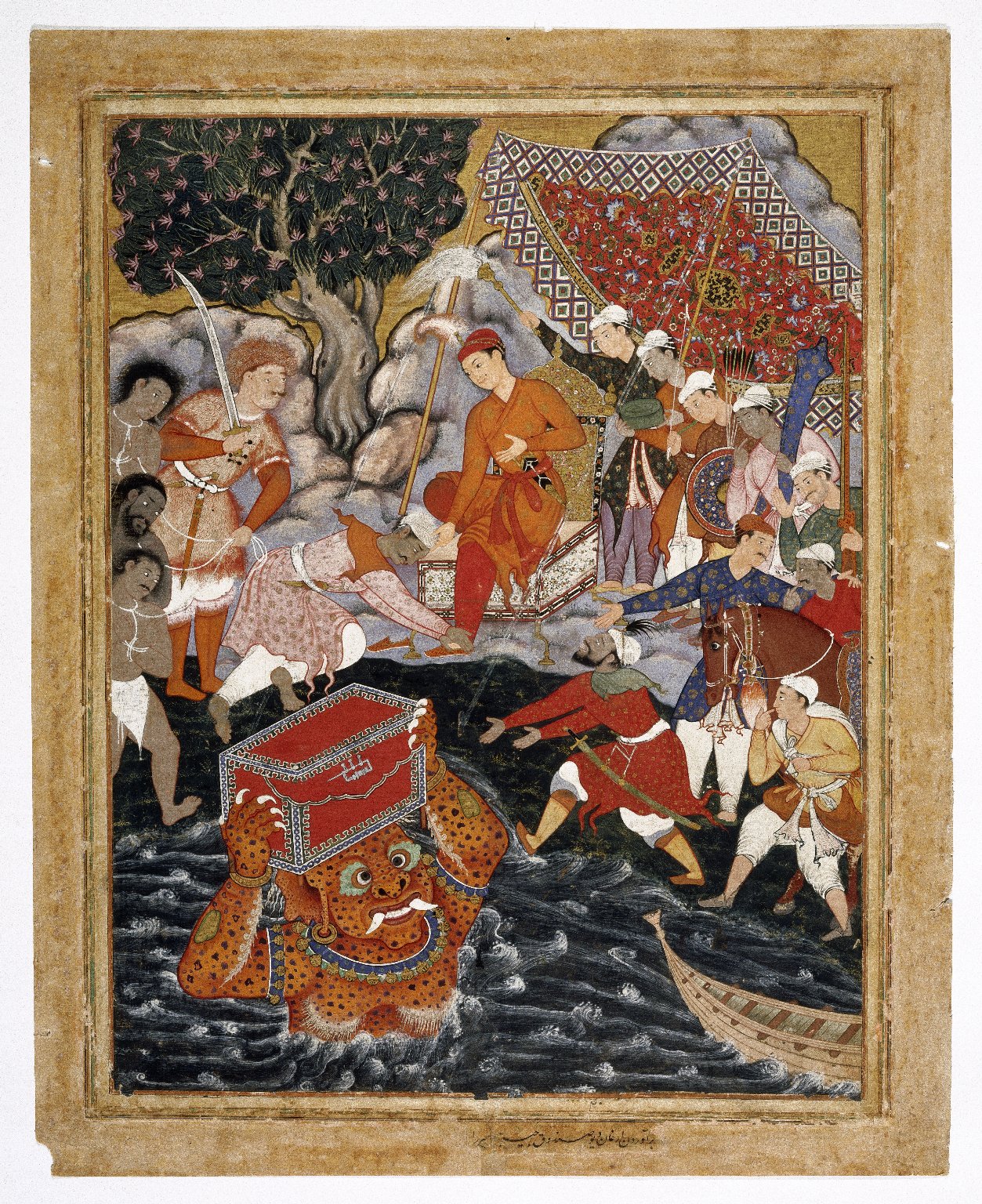 🇪🇬 Egypt and 3 moreIfritعفريت
A class of powerful chthonic spirits in Islamic tradition and folkloreBeing · Cursing and harm · Power and authority Historical
🇮🇷 Iran and 1 moreHaoma𐬵𐬀𐬊𐬨𐬀
A divine plant of Zoroastrian ritual, pressed into an extract for healing and puritySubstance · Healing · Cleansing and purification Living
 🇮🇶 Iraq and 1 moreLamassu𒀭𒆗 (dlamma)
A Mesopotamian guardian spirit, a winged bull with a human head, set to watch the gatesBeing · Protection · Power and authority Historical
 🇮🇱 Israel and 2 moreLeviathanלִוְיָתָן (Livyaṯān)
A primordial sea monster from ancient Near Eastern myth and biblical textBeing · Cursing and harm · Power and authority Historical
 🇮🇶 Iraq and 1 morePazuzu𒀭𒅆𒊒𒍪𒍪 (pà.zu.zu)
A Mesopotamian wind demon and protective amulet against child-harming spiritsBeing · Protection · Cursing and harm Historical
🇮🇶 Iraq and 1 moreRabisu
A wind spirit in Akkadian myth sent to correct human transgressionsBeing · Cursing and harm · Cleansing and purification Historical
🇮🇱 Israel and 2 moreBelialבְּלִיַּעַל
A Hebrew term for worthlessness that evolved into a demon of darkness in Jewish and Christian texts.Being · Cursing and harm Historical
 🇮🇷 Iran and 2 moreDivدیو
Monstrous creatures of Persian and West Asian lore, later adapted into Islamic and regional mythologiesBeing · Cursing and harm Legendary
 🇮🇷 Iran and 4 moreJinnجِنّ
Supernatural beings in Islamic and pre-Islamic Arabian belief, capable of shapeshifting and living in society.Being · Protection · Cursing and harm Living
 🇪🇬 EgyptAbraxasἈβράξας
A Gnostic archon and the name on ancient protective gemstonesBeing · Protection Historical
🇮🇷 Iran and 3 moreDaeva𐬛𐬀𐬉𐬎𐬎𐬀
A Zoroastrian entity that evolved from rejected gods to personifications of evil.Being · Cursing and harm · Power and authority Historical
 🇪🇬 Egypt and 1 moreQareenقرين
A spiritual companion or double assigned to every human in Islamic beliefBeing · Cursing and harm · Power and authority Living
🇸🇾 SyriaLilulilû (Akkadian), lilu (Sumerian)
A class of Mesopotamian spirits linked to unfulfilled lives and illnessBeing · Cursing and harm · Healing Historical
🇦🇿 AzerbaijanBastyBasdı
A group of evil spirits and goblins from Turkic folklore in Anatolia.Being · Cursing and harm Legendary
 🇸🇾 Syria and 1 moreShatiqatu𐎌𐎓𐎚𐎖𐎚 (šʿtqt)
A Ugaritic healing figure created from clay to cure the king KirtaBeing · Healing Historical
 🇮🇱 Israel and 4 moreAngelמלאך
A supernatural messenger or intermediary spirit found in many religious traditions.Being · Speaking with spirits and the dead · Protection Living
 🇨🇳 China and 4 moreDragon
A serpentine mythical creature found in global folklore and art, representing power, chaos, or imperial authority.Being · Power and authority · Cursing and harm Legendary
 🇮🇶 Iraq and 1 moreTawûsî Melekتاوسی مەلەک
The central angel of Yazidism, known as the Peacock Angel and leader of the Seven Mysteries.Being · Power and authority · Speaking with spirits and the dead Living
 🇮🇱 Israel and 5 moreAstaroth
An arch-demon in Western occultism, derived from the ancient goddess Astarte.Being · Power and authority · Cursing and harm Historical
🇮🇷 Iran and 2 moreYazata𐬫𐬀𐬰𐬀𐬙𐬀
A Zoroastrian term for divine beings worthy of worship and venerationBeing · Speaking with spirits and the dead · Power and authority Historical
 🇮🇷 IranFravashi
A personal spirit in Zoroastrian belief that guides the living and protects the dead.Being · Protection · Speaking with spirits and the dead Living
 🇪🇬 EgyptSerpopard
A mythical hybrid creature with a serpent-like neck and feline body from ancient Egypt and Mesopotamia.Being · Protection · Power and authority Legendary
🇯🇵 Japan and 3 moreBahamutبهموت
A cosmic fish or bull that supports the earth in medieval Islamic cosmographyBeing · Power and authority Legendary
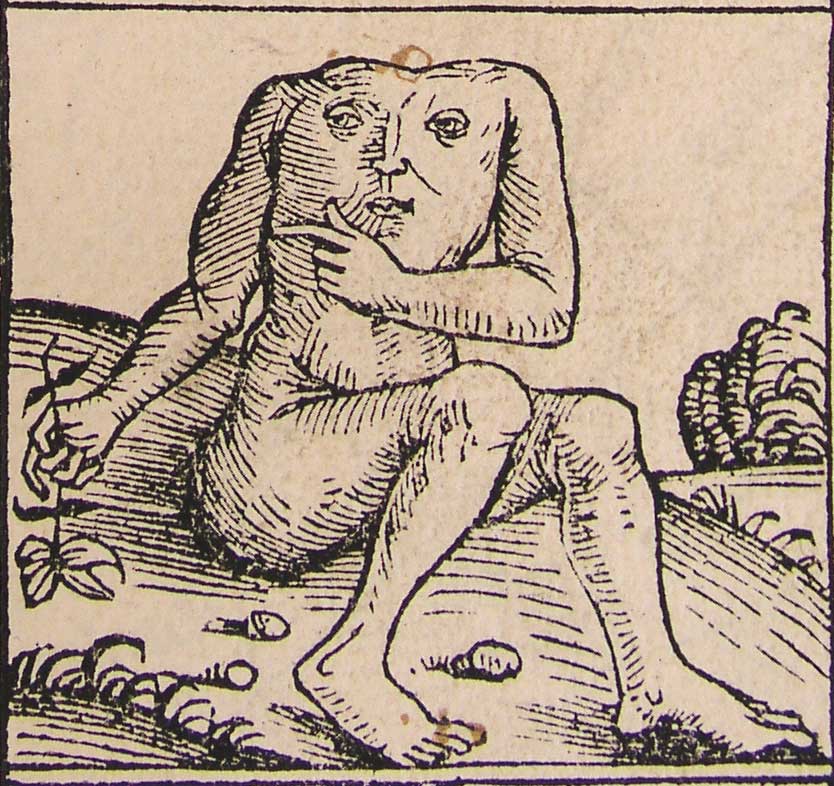 🇱🇾 Libya and 4 moreHeadless men
A legendary race of people described as lacking heads or having facial features on their chest.Being · Wonder and entertainment Legendary
 🇮🇱 Israel and 1 moreTeraphimתרפים
Ancient Hebrew household figures linked to ancestry, property rights and divinationBeing · Seeing and foretelling · Luck and prosperity Historical
🇹🇷 Turkey and 4 moreAl BastyAlbastı
A female spirit of guilt and childbirth found in Turkic and Caucasian folkloreBeing · Cursing and harm Historical
 🇮🇷 IranAzhdahaاژدها
A winged serpent from Iranian myth and literature, often linked to the dragon archetype.Being · Wonder and entertainment Legendary
 🇪🇬 Egypt and 2 moreHybrid beasts in folklore
Creatures made of animal and human parts found in myths and ancient artBeing · Power and authority Legendary
 🇪🇬 Egypt and 2 moreAbyzou
A female demon of envy who targets newborns and pregnant women in late antique magic.Being · Cursing and harm · Protection Historical
 🇮🇱 Israel and 1 moreSolomon's shamirשָׁמִיר
A legendary worm or stone used to carve stone without iron toolsBeing · Power and authority Legendary
🇮🇱 Israel and 2 moreRahabרַהַב
A Hebrew mythic sea monster and symbol of chaos, later used as a poetic name for Egypt.Being · Cursing and harm · Power and authority Legendary
🇸🇾 Syria and 1 moreLotan𐎍𐎚𐎐 (LTN)
A coiled sea serpent defeated by a storm god in Ugaritic mythBeing Legendary
🇮🇱 IsraelAgrat bat Mahlatאגרת בת מחלת
A demon in Jewish tradition who rules over destructive spirits and night hours.Being · Cursing and harm Historical
 🇮🇱 Israel and 1 moreSons of Godבְנֵי־הָאֱלֹהִים
Heavenly beings of Genesis 6, read as angels, kings or Seth's lineBeing Legendary
 🇮🇱 IsraelSeraphשָׂרָף
Six-winged heavenly beings who chant 'holy, holy, holy' at God's throneBeing · Speaking with spirits and the dead · Cleansing and purification Living
 🇮🇱 IsraelMelchom
A demon of hell and former Ammonite idol described in the Dictionnaire InfernalBeing · Power and authority Historical
 🇸🇾 SyriaEchidnaΈχιδνα
A half-woman, half-snake monster in Greek myth who mothered many famous beastsBeing · Cursing and harm Legendary
🇮🇳 IndiaAl-Abyad
A jinn called the White King, tied to Monday, the Moon and silverBeing · Cursing and harm Legendary
🇪🇬 Egypt and 1 moreMahalathמָחֲלַת
A queen of demons in Jewish mysticism and the mother of AgratBeing · Cursing and harm Historical
🇮🇷 IranAkvan Divاکوان دیو
A shape-shifting demon from Persian mythology that disguises itself as a wild horse.Being · Cursing and harm Legendary
 🇮🇶 IraqWinged genie
Winged guardians of Assyrian palace walls, read as the apkallu sagesBeing · Protection · Luck and prosperity Legendary
🇪🇬 EgyptEn-Naddahaالنداهة
A water spirit of the Nile who lures men to their doom with a hypnotic callBeing · Cursing and harm Fading
🇮🇱 Israel and 1 moreSe'irimשעירים
Demons of Hebrew tradition linked to wild goats and ruined placesBeing · Cursing and harm Historical
 🇮🇱 Israel and 2 moreTanninתַּנִּין
A sea monster of chaos in Canaanite and Hebrew myth, later a symbol for Egypt and Babylon.Being · Cursing and harm Legendary
🇮🇱 IsraelAdne Sadehאַדְנֵי הַשָּׂדֶה
A wild humanoid from Jewish folklore tethered to the earth by its navelBeing · Wonder and entertainment Legendary
🇮🇱 IsraelQlippothקְלִיפּוֹת
Impure spiritual forces in Jewish mysticism, opposites of the holy sefirotBeing · Cursing and harm Historical
🇪🇬 Egypt and 1 moreAiwass
A voice that dictated a foundational occult text to Aleister Crowley in 1904Being · Speaking with spirits and the dead Historical
Photo credits on this page
The small pictures above come from Wikimedia Commons under free licences. Some are cropped to fit.
- Abyzou: Paul Perdirizet (1870-4 juin 1938), Public domain, source
- Ancient Mesopotamian religion: editor Austen Henry Layard , drawing by L. Gruner, Public domain, source
- Lamassu: Daderot, CC0, source
- Leviathan: Gustave Doré, Public domain, source
- Sphinx: Ipipipourax, CC BY-SA 3.0, source
- Qareen: عامر شاہین, CC BY-SA 3.0, source
- Abraxas: Louis Breton, M. Jarrault, Public domain, source
- Tannin: Zakariya al-Qazwini, Public domain, source
- Div: Unknown Calligrapher, Public domain, source
- Headless men: Hartmann Schedel (1440-1514), Public domain, source
- Winged genie: James Spurrier, CC BY-SA 2.0, source
- Echidna: Daderot, Public domain, source
- Astaroth: M. Jarrault, Public domain, source
- Ifrit: Unknown author, Public domain, source
- Japanese dragon: Katsushika Hokusai, Public domain, source
- Seraph: Pietro Perugino, CC BY 2.0, source
- Jinn: VenusFeuerFalle, CC0, source
- Serpopard: Unknown author, CC BY-SA 4.0, source
- Fravashi: Hooman Mallahzadeh, CC BY-SA 4.0, source
- Melchom: Louis Le Breton, Public domain, source
- Angel: Unknown author, CC0, source
- Hybrid beasts in folklore: Peter Schmelzle, CC BY-SA 3.0, source
- Solomon's shamir: https://en.wikipedia.org/wiki/Eberhard_Werner_Happel, Public domain, source
- Teraphim: Athanasius Kircher, Public domain, source
- Azhdaha: Andersen, H. C. (Hans Christian), 1805-1875, Dugald Stewart Walker (18, Public domain, source
- Shatiqatu: Rama, CC BY-SA 2.0 fr, source
- Tawûsî Melek: Bernd Schwabe in Hannover, CC BY 3.0, source
- Sons of God: Maurice Greiffenhagen, Public domain, source