
Tarvos Trigaranus
from Gaulish taruos (bull), garan (crane), and treis (three)
A Gaulish bull deity depicted with three cranes on a Roman-era Parisian pillar
Tarvos Trigaranus is a divine figure from ancient Gaulish tradition. He appears as a bull carrying three cranes on his back in the relief carvings of the Pillar of the Boatmen.
- Appears on the Pillar of the Boatmen in Paris
- Name means bull with three cranes in Gaulish
- Linked to the god Esus who chops a tree
- Saturnian moon Tarvos named after him
- Similar imagery found on a pillar from Trier
What it is
Tarvos Trigaranus is a divine figure known from ancient Gaulish culture. The name translates to "bull with three cranes." This entity is primarily identified through a stone relief panel found on the Pillar of the Boatmen. The carving shows a large bull standing beneath a tree. Three cranes are perched on the animal's back. An adjacent panel depicts the god Esus chopping down a tree with an axe. Scholars link these images to broader Celtic mythological themes involving nature and sacrifice.
Where it comes from
The figure originates from the Gaulish people of ancient Europe. The name derives from the Gaulish language. Taruos means bull, seen in related Indo-European words like Latin taurus. Garanus refers to the crane, a bird associated with ritual dances in ancient Greece. Treis indicates the number three. The Pillar of the Boatmen was erected in Lugdunum, now Paris, during the Roman period. It reflects the syncretism of local Gallic beliefs with Roman religious practices.
Tools and materials
The primary symbol is a bull bearing three cranes. The imagery includes a tree, often identified as a willow. Another artifact from Trier shows a man felling a tree containing three birds and a bull's head. Statues of bulls with three horns, such as one from Autun, may also relate to this deity. These objects serve as visual representations of the divine figure in sacred spaces.
Tarvos Trigaranus, drawn and placed
- Living
- Revived
- Fading
- Historical
- Legendary
- Performed
- Lineage
- Celtic mythology
Peoples and places
The Gauls are the primary cultural group associated with Tarvos Trigaranus. The deity appears in France, specifically in the region of ancient Lutetia. Similar motifs appear in other parts of the Celtic world. A pillar from Trier suggests connections across Gaul. The Saturnian moon Tarvos is named after this figure, following a convention of naming moons after Gallic mythological characters.
At a glance: who, where and when
Peoples

What people believe
The figure represents a specific aspect of Gaulish divinity. The combination of a powerful beast and birds suggests a connection between earth and sky. The presence of the number three points to triple deities or symbolic triads common in Celtic religion. The juxtaposition with Esus implies a narrative of destruction or renewal involving trees and animals. These symbols were integrated into the religious life of the time.
How scholars and sceptics see it
Researchers analyze the Pillar of the Boatmen to understand Gallo-Roman religion. Linguists trace the name components to Gaulish roots. Comparisons are made with other artifacts, such as the Trier pillar. The three-horned bull statue from Autun is studied for potential links to Tarvos. The naming of the moon Tarvos reflects modern interest in Celtic mythology.
Compare and confuse
Tarvos Trigaranus is part of the wider Celtic mythological tradition. It shares thematic elements with triple deities. The figure is distinct from Roman gods but coexisted with them. The crane dance of ancient Greece offers a parallel ritual concept. The name structure resembles other compound divine titles in Indo-European languages.
Today
The deity survives in academic study and modern neopagan interpretations. The Pillar of the Boatmen remains a key archaeological site. The moon Tarvos bears the name, linking ancient myth to astronomy. Cultural heritage sites in France preserve the physical evidence of this belief system.
Questions people ask about Tarvos Trigaranus
What does Tarvos Trigaranus mean?
The name comes from Gaulish words meaning bull, three, and crane. It describes a divine figure depicted as a bull carrying three cranes on its back.
Where is this deity found?
The main representation is on the Pillar of the Boatmen in Paris, France. Other similar images appear on pillars in Trier and statues in Autun.
Who worshipped Tarvos Trigaranus?
The Gauls, the ancient Celtic people of France and surrounding regions, are associated with this deity. The pillar dates to the Roman period in Gaul.
Is there a connection to other gods?
Yes, the god Esus appears on an adjacent panel, chopping a tree. This suggests a narrative link between the two figures in Gallo-Roman religion.
Good reading and sources
- Tarvos Trigaranus on WikipediaEncyclopedia
- More photos on Wikimedia CommonsPhotos and video
- Wikidata recordOpen data
The facts on this page come from the Wikipedia article "Tarvos Trigaranus", written by its contributors and used under the CC BY-SA 4.0 licence, and from its Wikidata record (CC0). EveryJaadu rewrote the text in its own words, with AI assistance, and compares every page with the article to make sure no passage is copied. It may be reused under the same CC BY-SA 4.0 licence with a link back.
It may contain mistakes. Names and customs differ from one community to the next, and some knowledge is closed to outsiders and left out here. This page describes belief and practice. It does not say that any of it works, it is not a how-to, and it is not medical advice. If something is wrong, tell us. Last refreshed 2026-10-06.
More from France
All the entries from France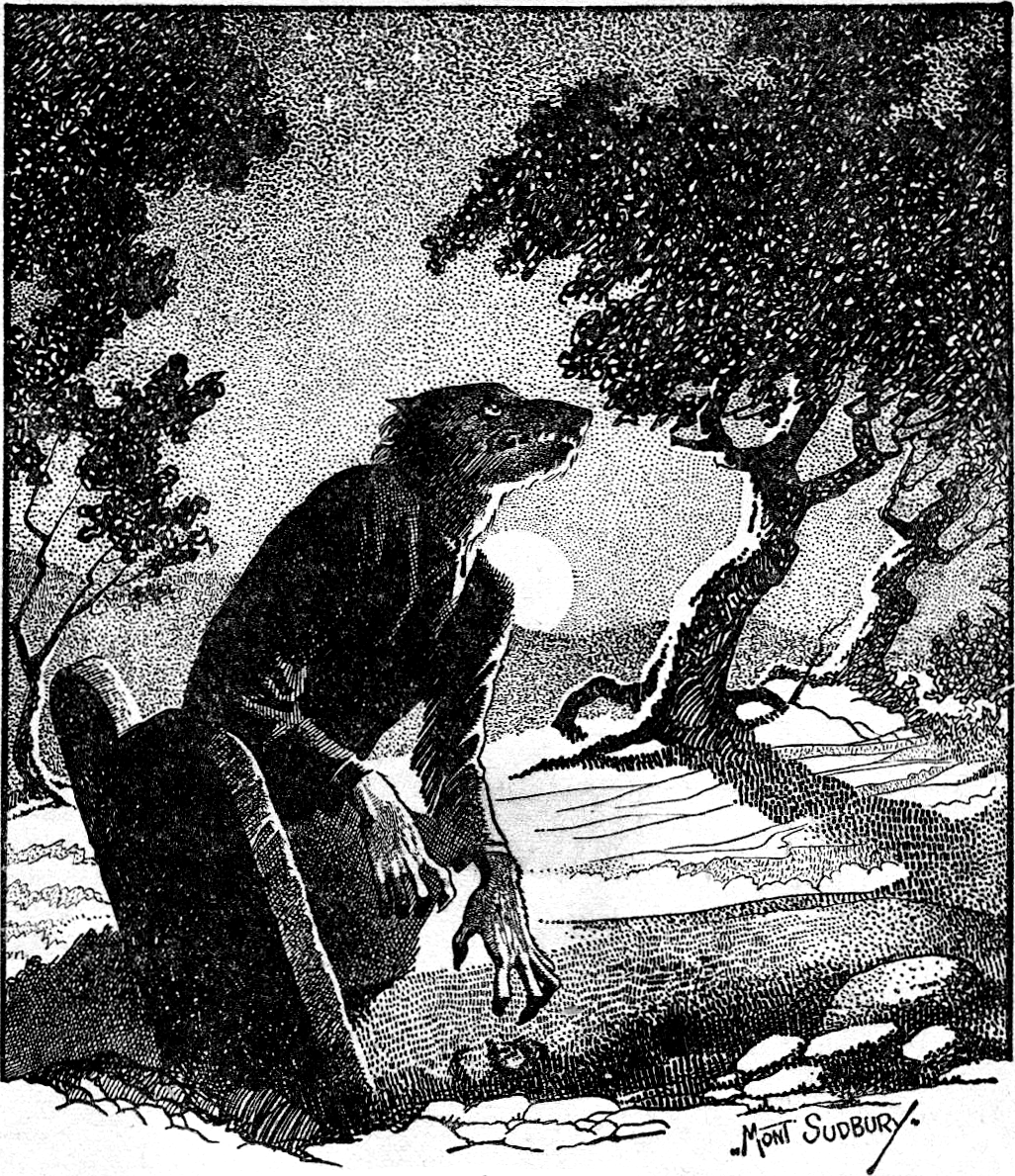 🇫🇷 France and 5 moreWerewolf
A mythical shapeshifter that turns into a wolf, central to European witch-hunts and Gothic horror.Being · Cursing and harm · Wonder and entertainment Legendary
🇫🇷 France and 5 moreWerewolf
A mythical shapeshifter that turns into a wolf, central to European witch-hunts and Gothic horror.Being · Cursing and harm · Wonder and entertainment Legendary
 🇫🇷 France and 5 moreRevenant
An animated corpse or spirit that returns from the grave to haunt the livingBeing · Cursing and harm Legendary
🇫🇷 France and 5 moreRevenant
An animated corpse or spirit that returns from the grave to haunt the livingBeing · Cursing and harm Legendary
 🇫🇷 France and 1 moreCernunnos
An antlered Celtic deity depicted with torcs and serpents, known from Roman-era Gaul.Being · Power and authority · Luck and prosperity Historical
🇫🇷 France and 1 moreCernunnos
An antlered Celtic deity depicted with torcs and serpents, known from Roman-era Gaul.Being · Power and authority · Luck and prosperity Historical
 🇬🇷 Greece and 3 moreHippocampusἱππόκαμπος
A mythological hybrid of a horse and fish from ancient Mediterranean culturesBeing · Wonder and entertainment Legendary
🇬🇷 Greece and 3 moreHippocampusἱππόκαμπος
A mythological hybrid of a horse and fish from ancient Mediterranean culturesBeing · Wonder and entertainment Legendary
Related elsewhere
All being 🇪🇬 Egypt and 1 moreSphinx
A mythical hybrid with a human head and lion body, serving as guardian or riddler in Egyptian and Greek traditions.Being · Protection · Wonder and entertainment Legendary
🇪🇬 Egypt and 1 moreSphinx
A mythical hybrid with a human head and lion body, serving as guardian or riddler in Egyptian and Greek traditions.Being · Protection · Wonder and entertainment Legendary
 🇪🇬 Egypt and 1 moreLilithלִילִית
A feminine figure from Mesopotamian and Jewish mythology, often depicted as a night demon or spirit.Being · Cursing and harm Legendary
🇪🇬 Egypt and 1 moreLilithלִילִית
A feminine figure from Mesopotamian and Jewish mythology, often depicted as a night demon or spirit.Being · Cursing and harm Legendary
 🇨🇳 China and 3 moreChinese dragon龍
A legendary water deity and imperial symbol in East Asian cultureBeing · Protection · Luck and prosperity Historical
🇨🇳 China and 4 moreKitchen God灶君
The Chinese hearth deity who reports domestic conduct to the Jade EmperorBeing · Protection · Luck and prosperity Living
🇨🇳 China and 3 moreChinese dragon龍
A legendary water deity and imperial symbol in East Asian cultureBeing · Protection · Luck and prosperity Historical
🇨🇳 China and 4 moreKitchen God灶君
The Chinese hearth deity who reports domestic conduct to the Jade EmperorBeing · Protection · Luck and prosperity Living