
Crocotta
from Greek crocotta, linked to the hyena
A mythical dog-wolf of India and Ethiopia that mimics human voices
The crocotta is a legendary beast from ancient accounts of India and Ethiopia. It is described as a hybrid creature that mimics human speech to lure victims.
- Mythical dog-wolf of India and Ethiopia
- Mimics human voices to lure victims
- Described by Pliny and Strabo
- Striped gems grant oracular powers
- Inspired the name Crocuta crocuta
What it is
The crocotta is a legendary beast found in ancient texts about India and Ethiopia. It is often called a dog-wolf or a hybrid of a hyena and a lion. The creature is feared as a deadly enemy of men and dogs. Ancient writers describe it as having amazing strength and the ability to mimic human voices perfectly. Some accounts say it calls men by name at night to lure them close before attacking. Medieval bestiaries added more details, such as striped gems in its eyes that could grant oracular powers when placed under the tongue.
Where it comes from
The concept appears in works by Strabo, Pliny the Elder, and Ctesias. Strabo describes it as a mix of wolf and dog. Pliny writes of a corocotta born from an Ethiopian lioness and a hyena. Another version, the leucrocotta, is said to have the haunches of a stag and the neck of a lion. These accounts were later confused in medieval bestiaries, creating a composite mythical figure. The scientific name of the spotted hyena was later taken from this mythological creature.
Tools and materials
Later medieval descriptions mention striped gems in the crocotta's eyes. These stones were believed to give the possessor oracular powers if placed under the tongue. This feature does not appear in the earliest ancient sources but was added by later compilers of bestiaries.
Crocotta, drawn and placed
- Living
- Revived
- Fading
- Historical
- Legendary
- Performed
- Lineage
- mythical dog-wolf
- Timing
- at night
What it is for
The crocotta is primarily described as a dangerous predator. It is said to use its mimicry to hunt humans and dogs. By imitating human speech or calling people by name, it lures victims into a trap where it can devour them. It is portrayed as brave as a lion and strong as a bull, unable to be overcome by steel weapons.
Who does it
The crocotta is a subject of study for scholars and historians. Ancient authors like Pliny and Aelian recorded its supposed characteristics. Later, medieval compilers included it in bestiaries. Modern scholars note that the myth likely arose from observations of real hyenas, which have powerful jaws and make human-like vocalizations.
Peoples and places
The creature is associated with India and Ethiopia in ancient texts. Roman emperors like Antoninus Pius and Septimius Severus reportedly presented live specimens to Rome, described as having colors of a lioness and tiger blended with a dog and fox. Local folklore in regions with hyenas may have contributed to the belief in such shape-shifting or speaking beasts.


What people believe
Ancient writers held that the crocotta possessed unnatural abilities. They believed it could speak without a teacher and knew whom it could easily vanquish. The creature was thought to be a hybrid of different animals, combining traits of wolves, dogs, lions, and hyenas. Its physical description varied widely, from having ridges of bone instead of teeth to possessing cloven hooves.
How scholars and sceptics see it
Modern scholars suggest the crocotta myth stems from the spotted hyena (Crocuta crocuta). Hyenas have powerful teeth, digest many foods, dig up bodies, and make unnerving human-like sounds. Local folklore often attributes gender-switching and shape-shifting powers to hyenas, which likely fueled the legend of a speaking, man-eating hybrid beast.
Compare and confuse
The crocotta is similar to the werehyena, another mythical figure linking humans and hyenas. It is also confused with other hyena-like creatures in bestiaries. The name crocuta was adopted for the scientific classification of the real spotted hyena, linking the myth to biological taxonomy.
Today
The crocotta appears in modern literature and fantasy works. Authors like Jorge Luis Borges, Rick Riordan, and Susanna Clarke have featured the creature in their books. It is used as a symbol of ferocity or mimicry in contemporary storytelling, keeping the ancient myth alive in popular culture.
Questions people ask about Crocotta
What is the crocotta?
The crocotta is a legendary beast from ancient texts about India and Ethiopia. It is described as a hybrid creature that mimics human speech to lure and attack victims.
Where does the crocotta come from?
The crocotta originates from ancient Greek and Roman accounts. Writers like Strabo and Pliny described it as a mix of wolf, dog, and hyena found in India and Ethiopia.
How does the crocotta hunt?
It is said to mimic human voices and call men by name at night. This lure draws victims close so the beast can devour them, as it is described as being stronger than steel weapons.
Good reading and sources
- Crocotta on WikipediaEncyclopedia
- More photos on Wikimedia CommonsPhotos and video
- Wikidata recordOpen data
The facts on this page come from the Wikipedia article "Crocotta", written by its contributors and used under the CC BY-SA 4.0 licence, and from its Wikidata record (CC0). EveryJaadu rewrote the text in its own words, with AI assistance, and compares every page with the article to make sure no passage is copied. It may be reused under the same CC BY-SA 4.0 licence with a link back.
It may contain mistakes. Names and customs differ from one community to the next, and some knowledge is closed to outsiders and left out here. This page describes belief and practice. It does not say that any of it works, it is not a how-to, and it is not medical advice. If something is wrong, tell us. Last refreshed 2026-10-06.
More from India
All the entries from India 🇮🇳 India and 5 morePretaप्रेत
A suffering spirit of insatiable hunger found in Asian religious traditionsBeing · Speaking with spirits and the dead Living
🇮🇳 India and 5 morePretaप्रेत
A suffering spirit of insatiable hunger found in Asian religious traditionsBeing · Speaking with spirits and the dead Living
 🇮🇳 India and 1 moreYoginiयोगिनी
A female master of yoga and tantra, or a fierce goddess aspect in Indian temples.Tradition · Power and authority · Protection Historical
🇮🇳 India and 1 moreYoginiयोगिनी
A female master of yoga and tantra, or a fierce goddess aspect in Indian temples.Tradition · Power and authority · Protection Historical
 🇮🇳 IndiaTaraतारा (Sanskrit), তারা (Bengali)
A fierce Hindu goddess of protection and wisdom, central to the Mahavidya tradition.Being · Protection · Power and authority Living
🇮🇳 IndiaAlakshmiदेवी अलक्ष्मी
A Hindu goddess of misfortune and the shadow opposite to LakshmiBeing · Cursing and harm Living
🇮🇳 IndiaTaraतारा (Sanskrit), তারা (Bengali)
A fierce Hindu goddess of protection and wisdom, central to the Mahavidya tradition.Being · Protection · Power and authority Living
🇮🇳 IndiaAlakshmiदेवी अलक्ष्मी
A Hindu goddess of misfortune and the shadow opposite to LakshmiBeing · Cursing and harm Living
Related elsewhere
All being 🇷🇸 Serbia and 5 moreVampire
An undead creature from folklore that feeds on the blood or life force of the livingBeing · Cursing and harm · Luck and prosperity Legendary
🇷🇸 Serbia and 5 moreVampire
An undead creature from folklore that feeds on the blood or life force of the livingBeing · Cursing and harm · Luck and prosperity Legendary
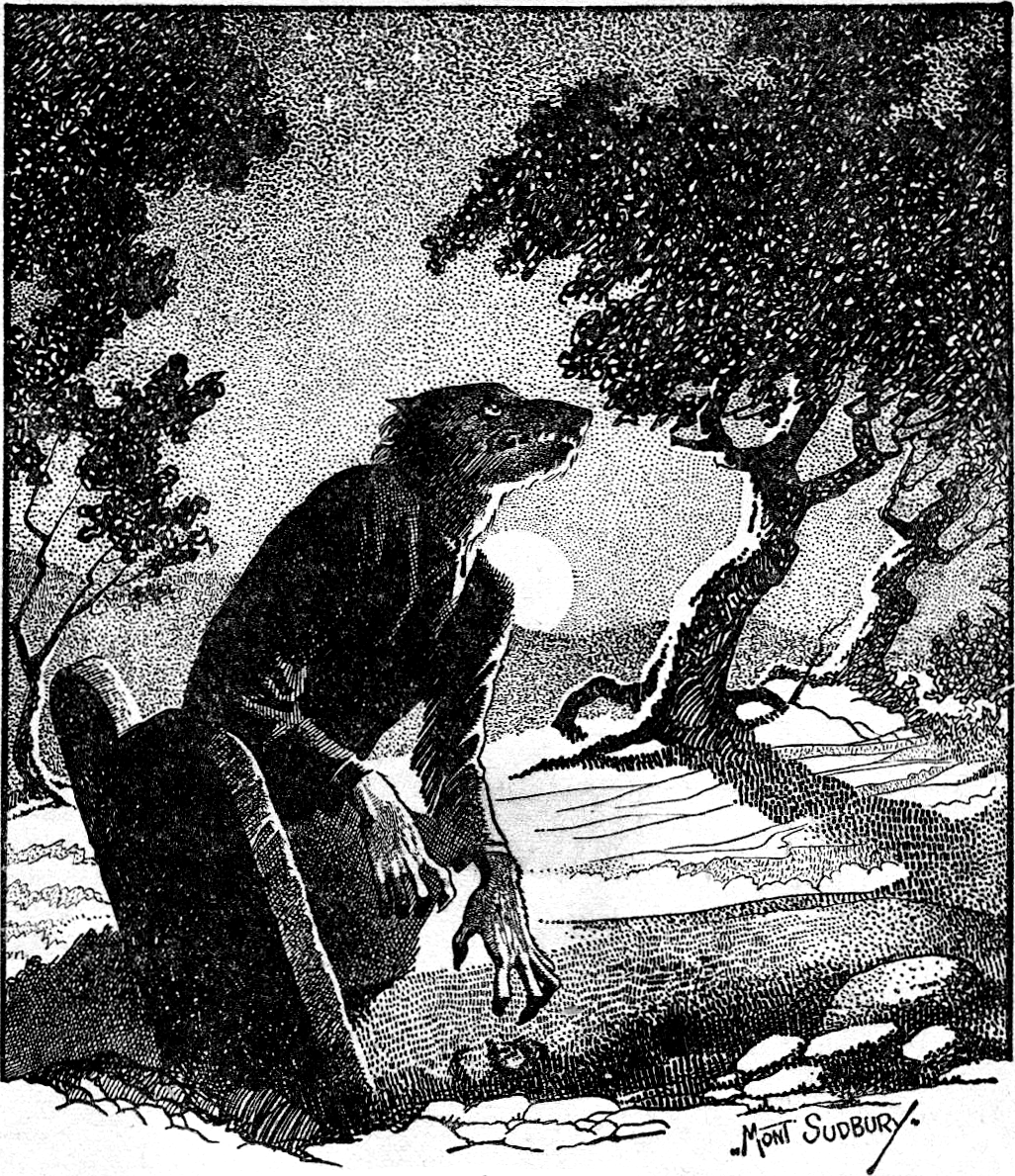 🇫🇷 France and 5 moreWerewolf
A mythical shapeshifter that turns into a wolf, central to European witch-hunts and Gothic horror.Being · Cursing and harm · Wonder and entertainment Legendary
🇫🇷 France and 5 moreWerewolf
A mythical shapeshifter that turns into a wolf, central to European witch-hunts and Gothic horror.Being · Cursing and harm · Wonder and entertainment Legendary
 🇪🇬 Egypt and 1 moreLilithלִילִית
A feminine figure from Mesopotamian and Jewish mythology, often depicted as a night demon or spirit.Being · Cursing and harm Legendary
🇪🇬 Egypt and 1 moreLilithלִילִית
A feminine figure from Mesopotamian and Jewish mythology, often depicted as a night demon or spirit.Being · Cursing and harm Legendary
 🇪🇬 EgyptCurse
A spoken wish for misfortune to befall a person or placeBelief · Cursing and harm · Luck and prosperity Historical
🇪🇬 EgyptCurse
A spoken wish for misfortune to befall a person or placeBelief · Cursing and harm · Luck and prosperity Historical