🇺🇸 Magic in the United States
330 entries from the United States, best known first, across 80 places of magic.
Hoodoo is a spiritual system shaped by West and Central African traditions, Indigenous plant knowledge, and European written guides. Practitioners view it as a companion to established faiths rather than a standalone religion. It weaves ancestor reverence, herbal healing, and protective charms into daily life alongside Protestant, Catholic, and Muslim beliefs.
- First English record of the term appeared in eighteen seventy.
- Practitioners mix Kongo star charts with local plant gathering.
- Hidden gatherings used overturned pots to muffle prayer sounds.
- Cemetery soil was packed into cloth bags for ancestral aid.
Overview
This tradition blends African cosmologies with local plant lore and European occult manuals. Enslaved communities merged Kongo star charts, water spirit veneration, and sacred bundles with Native American herb gathering. The practice centers on honoring departed relatives, seeking fairness, and using botanical preparations for wellness and safety. While some researchers classify it as its own faith, most followers treat it as a flexible layer added to Christianity, Islam, or traditional African paths. Neighboring Caribbean and Southern folk systems share similar charm making and spirit communication methods, though each community adapted the techniques to local plants and colonial pressures.
Practices and beliefs
Followers rely on small cloth pouches filled with roots, stones, and cemetery soil to draw ancestral strength. These containers are called mojo bags or gris-gris, a Mande term for protective charms. Specialists offer fortune telling and advice based on observed signs. Water spirits known as Simbi, believed to guard freshwater sources, are asked for guidance near rivers and springs. Herbal teas and ointments prepared from local leaves serve as everyday remedies. Protective symbols are drawn on doorframes or carried in pockets to ward off harm and attract good fortune.
Rites and charms
Gatherings often occur in hidden forest clearings or private rooms to avoid outside attention. Participants move around a central vessel while chanting low voices. Offerings include food and animal remains placed near household thresholds. Anointing rituals involve rubbing prepared oils onto skin or clothing before travel or difficult tasks. Quiet prayers are sometimes whispered beneath overturned clay pots to muffle sound. These customs focus on maintaining balance between the living and those who have passed, ensuring community safety and personal resilience.
Who practises
Specialists use titles such as rootworker or conjure doctor. They typically earn their role through apprenticeship, dream visions, or family lineage rather than formal schooling. Communities seek them out for healing, conflict resolution, and protection against unfair treatment. White and Black patrons alike visited these experts for fortune telling and charm crafting. Their knowledge was viewed as powerful enough to shift social hierarchies, which made them targets for suspicion and legal scrutiny under strict colonial rules.
Regions and communities
Coastal island groups maintained open practice due to relative isolation and preserved older African rhythms. River valley communities operated in tight secrecy because harsh assembly laws forced gatherings underground. Northern cities saw practitioners offer public services to diverse clients across racial lines. Plantation districts relied on discreet home rituals and quiet woodland meetings. Each area adjusted ingredient lists and ritual pacing to match local flora, weather patterns, and the specific pressures imposed by nearby authorities.
The facts in this overview come from the Wikipedia article "Hoodoo (spirituality)", written by its contributors and used under the CC BY-SA 4.0 licence. EveryJaadu rewrote the text in its own words, with AI assistance, and compares every page with the article to make sure no passage is copied. It may be reused under the same CC BY-SA 4.0 licence with a link back.
Places of magic in the United States
 🇩🇪 Germany and 3 morePhantasmagoria
A horror theatre using magic lanterns to project moving ghosts and demonsIllusion · Wonder and entertainment · Cursing and harm Historical
🇰🇮 Kiribati and 4 moreMicronesian mythology
The traditional belief systems and legends of the island peoples in the southwest Pacific.Belief · Wonder and entertainment Historical
 🇺🇸 United StatesThe Kybalion
A 1908 occult book presenting seven principles of mental transmutationText · Power and authority Historical
 🇫🇷 France and 3 moreAlexander Herrmann
A 19th-century magician known for sleight of hand and card throwingIllusion · Wonder and entertainment Historical
 🇪🇸 Spain and 5 moreAlfonso X of Castileel Sabio
A medieval king who sponsored astronomical tables and translated works on magic and astrology.Text · Power and authority · Seeing and foretelling Historical
 🇮🇪 Ireland and 4 moreTrial by combat
A medieval legal practice where two disputants fought to settle a caseRite · Cursing and harm Historical
 🇺🇸 United States and 5 moreSatanic panic
A moral panic of unsubstantiated claims about occult child abuse that spread globally in the late twentieth centuryBelief · Cursing and harm Historical
 🇬🇧 United Kingdom and 3 moreJet
A black gemstone carved into amulets and mourning jewelry for millenniaCharm · Protection · Power and authority Historical
 🇺🇸 United States and 4 moreHarry Kellar
An American illusionist known for large-scale stage magic and mechanical tricks.Illusion · Wonder and entertainment Historical
 🇺🇸 United StatesFox sisters
Three sisters from New York who launched the Spiritualism movement with spirit rapping séancesTradition · Speaking with spirits and the dead Historical
🇫🇷 France and 1 moreBuatier de Kolta
A French stage magician known for mechanical illusions like the expanding die and vanishing lady.Illusion · Wonder and entertainment Historical
🇨🇳 China and 1 moreChing Ling Foo金陵福
A Chinese stage magician who achieved global fame in the late nineteenth century.Illusion · Wonder and entertainment Historical
 🇺🇸 United States and 2 moreDavenport brothers
19th-century American magicians who performed spirit cabinet illusionsIllusion · Wonder and entertainment Historical
🇫🇷 France and 5 moreCount of St. GermainComte de Saint Germain
An 18th-century European adventurer known for alchemy, music, and claims of immortality.Figure · Power and authority · Wonder and entertainment Historical
🇬🇧 United Kingdom and 2 moreThe Holy Blood and the Holy Grail
A 1982 book proposing Jesus had a bloodline protected by a secret societyText · Cursing and harm Historical
 🇬🇧 United Kingdom and 5 moreConcealed shoes
Shoes hidden in building structures as folk charms for protection and fertilityCharm · Protection · Speaking with spirits and the dead Historical
 🇺🇸 United StatesSalem Witch Trials
A colonial legal crisis where over two hundred people faced accusations of sorcery in Massachusetts.Belief Historical
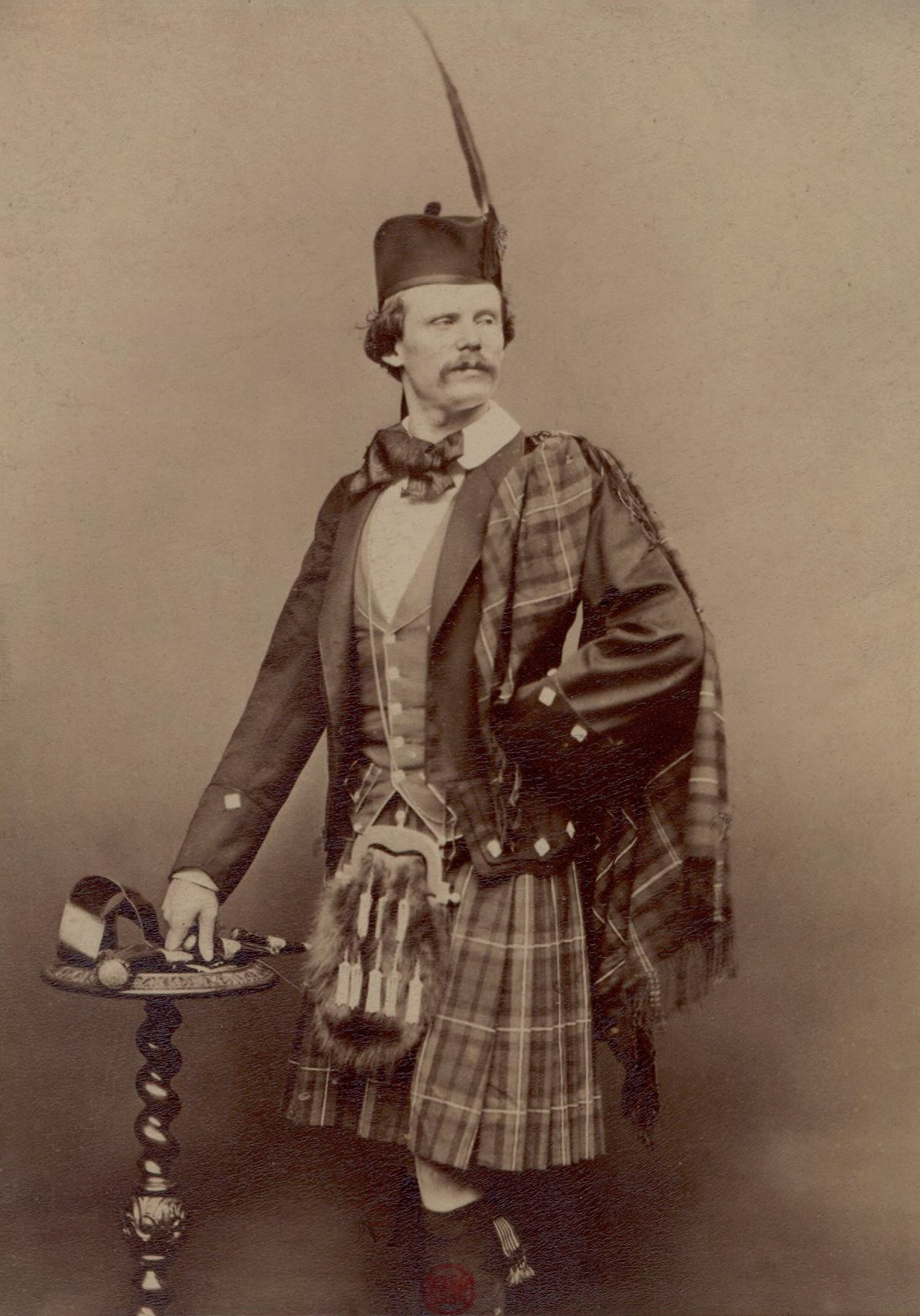 🇬🇧 United Kingdom and 2 moreDaniel Dunglas Home
A Scottish physical medium known for levitation and spirit communication during the Victorian era.Belief · Speaking with spirits and the dead · Wonder and entertainment Historical
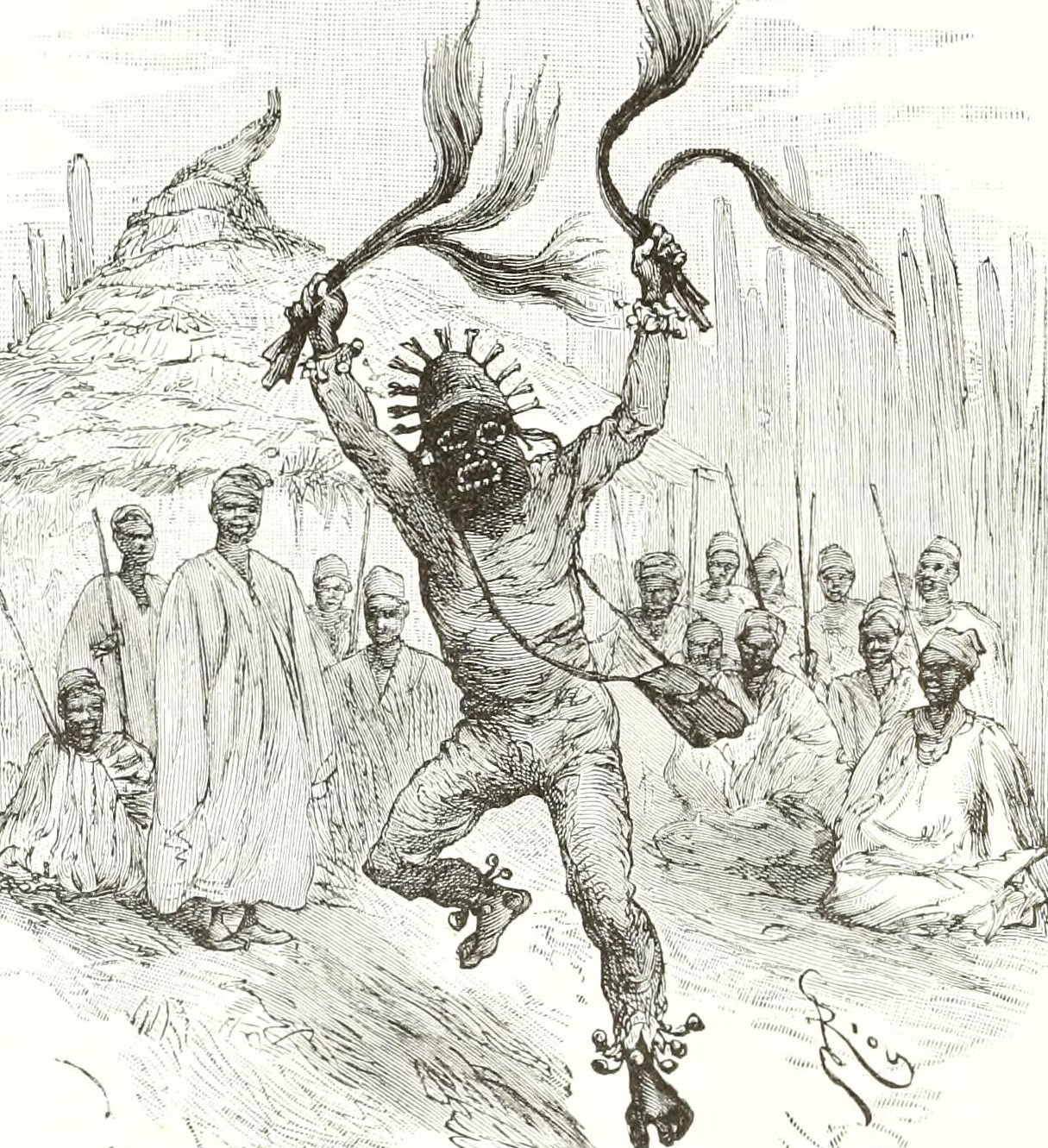 🇺🇸 United States and 2 moreLouisiana Voodoo
An African diasporic religion practiced in Louisiana from the 18th to early 20th centuriesTradition · Healing · Protection Historical
 🇺🇸 United StatesFolk healer
An unlicensed practitioner using traditional remedies and herbal knowledge to treat illness.Tradition · Healing · Protection Historical
 🇺🇸 United States and 1 moreChung Ling Soo程連蘇
An American stage magician who performed as a Chinese man and died during a bullet catch illusion.Illusion · Wonder and entertainment Historical
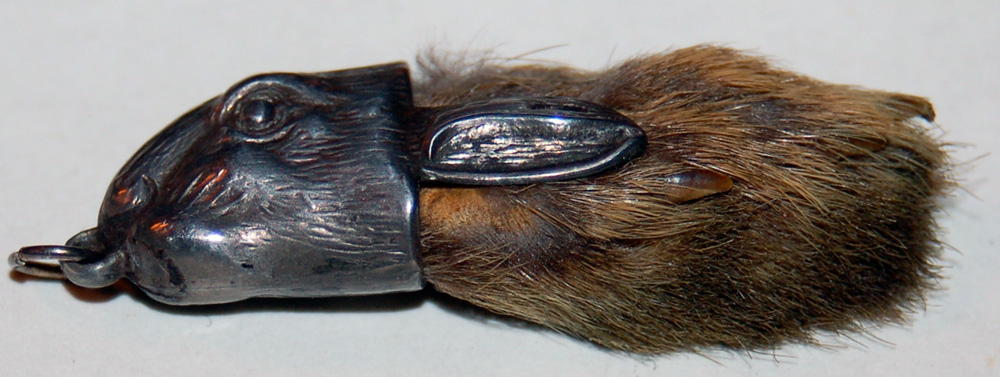 🇺🇸 United States and 2 moreRabbit's foot
A charm carried for luck, often linked to graveyards and strict folk rulesCharm · Luck and prosperity Historical
🇬🇧 United Kingdom and 1 moreKnocker
A mine spirit of Cornwall and Devon that warns of danger and plays tricks on workersBeing · Protection · Luck and prosperity Historical
 🇫🇷 France and 4 moreWitch trials in the early modern period
A wave of prosecutions across Europe and British America from the 1400s to the late 1700s.Tradition · Cursing and harm Historical
 🇭🇹 Haiti and 3 moreVoodoo doll
A pin-stuffed figure linked to magic in popular culture, not Haitian VodouCharm · Cursing and harm Historical
 🇬🇧 United Kingdom and 2 moreWitch bottle
A container filled with personal items and sharp objects to trap harmful magicCharm · Protection · Cursing and harm Historical
 🇺🇸 United States and 1 moreMarie Laveau
A New Orleans priestess and herbalist who led Louisiana Voodoo in the nineteenth centuryTradition · Healing · Protection Historical
 🇺🇸 United StatesCotton Mather
A Puritan minister and writer known for his role in the Salem witch trials and promotion of smallpox inoculationFigure Historical
 🇺🇸 United StatesHoward Thurston
A stage magician who built the largest traveling magic show in historyIllusion · Wonder and entertainment Historical
🇺🇸 United StatesThe Long Lost FriendDer lange verborgene Freund
A Pennsylvania German grimoire of folk remedies and magical charms published in 1820.Text · Healing · Protection Historical
 🇺🇸 United States and 2 moreSpiritualism
A nineteenth-century religious movement focused on communicating with the dead.Tradition · Speaking with spirits and the dead Historical
 🇺🇸 United StatesKennedy curse
A pattern of tragedies linked to the American Kennedy familyBelief · Cursing and harm Historical
 🇮🇷 Iran and 1 moreMundane astrology
A branch of astrology that reads the horoscopes of nations and governments instead of individuals.Tradition · Seeing and foretelling · Power and authority Historical
 🇺🇸 United StatesCurse of the Bambino
A sports superstition linking a long championship drought to a player saleBelief · Luck and prosperity Historical
🇮🇪 Ireland and 5 moreSeventh son of a seventh son
A folklore belief that birth order grants supernatural healing or cursed powersBelief · Healing · Cursing and harm Historical
 🇪🇬 Egypt and 1 moreHypocephalus
An ancient Egyptian disk placed under the head of the dead for protection and rebirthCharm · Protection · Speaking with spirits and the dead Historical
🇺🇸 United StatesExorcism of Roland Doe
A 1940s American case of alleged demonic possession and the exorcisms performed on the boyRite · Speaking with spirits and the dead Historical
🇺🇸 United StatesHot foil trick
A stage illusion where foil heats and burns in a volunteer's handIllusion · Wonder and entertainment Historical
🇺🇸 United StatesDavid Copperfield's laser illusion
A stage trick where a magician appears to be sliced by a beam of light and reassembled.Illusion · Wonder and entertainment Historical
 🇺🇸 United States and 1 moreCurse of 1940
A superstition explaining a long championship drought for the New York RangersBelief · Luck and prosperity Historical
 🇮🇷 Iran and 5 moreHippomancy
Divination through the movements, sounds, and tracks of horsesOracle · Seeing and foretelling · Luck and prosperity Historical
🇺🇸 United StatesGreenbrier Ghost
A West Virginia murder case where a mother claimed her daughter's spirit revealed the truth.Belief · Cursing and harm Historical
 🇺🇸 United States and 1 moreWhite House Ghost
A spirit said to walk the White House and former Illinois homes of the sixteenth president.Belief Historical
 🇺🇸 United StatesHodag
A fabricated American cryptid from Wisconsin folklore and tall talesFigure · Wonder and entertainment Historical
 🇺🇸 United States and 1 moreFearsome critters
Tall tale animals from North American logging camps used to jest and explain the wild.Figure · Wonder and entertainment · Luck and prosperity Historical
 🇺🇸 United StatesLava bear
A small bear from Oregon's lava beds once thought to be a unique speciesFigure Historical
Photo credits on this page
The small pictures above come from Wikimedia Commons under free licences. Some are cropped to fit.
- West African Vodún: I cropped, original authors are Ridpath, John Clark, CC BY-SA 4.0, source
- Phantasmagoria: Alphonse de Neuville or A. Jahandier, Public domain, source
- The Kybalion: American Libraries, Public domain, source
- Alexander Herrmann: Photographer unidentified, Public domain, source
- Alfonso X of Castile: Otto Posse (1847-1921), Public domain, source
- White House Ghost: Alexander Gardner, Public domain, source
- Trial by combat: Jörg Breu der Jüngere (died 1547), Paulus Hector Mair (died 1579), Public domain, source
- Satanic panic: Hartmann Schedel (1440-1514), Public domain, source
- Curse of 1940: Trophy: Unknown Photo: Alexey Chernyadyev Derivative work: J . delanoy, CC BY 3.0, source
- Jet: Thmsfrst, Public domain, source
- Hugag: Coert Du Bois, Public domain, source
- Harry Kellar: Unknown author, Public domain, source
- Lava bear: Guy M. Ingram, Public domain, source
- Fox sisters: N. Currier (Firm), Public domain, source
- Davenport brothers: Unknown author, Public domain, source
- Concealed shoes: Edmund Patrick, CC BY-SA 3.0, source
- Salem Witch Trials: unattributed, Public domain, source
- Daniel Dunglas Home: Nadar, Public domain, source
- Folk healer: calliopejen, CC BY-SA 2.0, source
- Chung Ling Soo: AndyScott, CC BY-SA 4.0, source
- Black magic: https://www.flickr.com/photos/eliogarcia/ (nick in flickr:creo que soy, CC BY 2.0, source
- Spiritualism: Rossington, W. W. and Garrett, J. Ellwood, Public domain, source
- Mundane astrology: Andreas Cellarius, Public domain, source
- Hippomancy: Wer?Du?!, CC BY-SA 3.0, source
- Rabbit's foot: Sobebunny, CC BY-SA 3.0, source
- Hypocephalus: rob koopman, CC BY-SA 2.0, source
- Kennedy curse: Walt Cisco, Dallas Morning News, Public domain, source
- Curse of the Bambino: National Photo Company, Public domain, source
- Hodag: Gourami Watcher, CC BY-SA 3.0, source
- Witch trials in the early modern period: Johann Jakob Wick, Public domain, source
- Witch bottle: British Museum, Daniel Pett, 2004-10-25 15:27:22, CC BY-SA 2.0, source
- Marie Laveau: E. W. Kemble, Public domain, source
- Cotton Mather: Peter Pelham, Public domain, source
- Howard Thurston: Anonymous Unknown author, Public domain, source
The weekly digest
Every Monday: seven entries you may not know, what is on the calendar this week, and one rite drawn step by step.