🇺🇸 Magic in the United States
257 entries from the United States, best known first, across 80 places of magic.
Hoodoo is a spiritual system shaped by West and Central African traditions, Indigenous plant knowledge, and European written guides. Practitioners view it as a companion to established faiths rather than a standalone religion. It weaves ancestor reverence, herbal healing, and protective charms into daily life alongside Protestant, Catholic, and Muslim beliefs.
- First English record of the term appeared in eighteen seventy.
- Practitioners mix Kongo star charts with local plant gathering.
- Hidden gatherings used overturned pots to muffle prayer sounds.
- Cemetery soil was packed into cloth bags for ancestral aid.
Overview
This tradition blends African cosmologies with local plant lore and European occult manuals. Enslaved communities merged Kongo star charts, water spirit veneration, and sacred bundles with Native American herb gathering. The practice centers on honoring departed relatives, seeking fairness, and using botanical preparations for wellness and safety. While some researchers classify it as its own faith, most followers treat it as a flexible layer added to Christianity, Islam, or traditional African paths. Neighboring Caribbean and Southern folk systems share similar charm making and spirit communication methods, though each community adapted the techniques to local plants and colonial pressures.
Practices and beliefs
Followers rely on small cloth pouches filled with roots, stones, and cemetery soil to draw ancestral strength. These containers are called mojo bags or gris-gris, a Mande term for protective charms. Specialists offer fortune telling and advice based on observed signs. Water spirits known as Simbi, believed to guard freshwater sources, are asked for guidance near rivers and springs. Herbal teas and ointments prepared from local leaves serve as everyday remedies. Protective symbols are drawn on doorframes or carried in pockets to ward off harm and attract good fortune.
Rites and charms
Gatherings often occur in hidden forest clearings or private rooms to avoid outside attention. Participants move around a central vessel while chanting low voices. Offerings include food and animal remains placed near household thresholds. Anointing rituals involve rubbing prepared oils onto skin or clothing before travel or difficult tasks. Quiet prayers are sometimes whispered beneath overturned clay pots to muffle sound. These customs focus on maintaining balance between the living and those who have passed, ensuring community safety and personal resilience.
Who practises
Specialists use titles such as rootworker or conjure doctor. They typically earn their role through apprenticeship, dream visions, or family lineage rather than formal schooling. Communities seek them out for healing, conflict resolution, and protection against unfair treatment. White and Black patrons alike visited these experts for fortune telling and charm crafting. Their knowledge was viewed as powerful enough to shift social hierarchies, which made them targets for suspicion and legal scrutiny under strict colonial rules.
Regions and communities
Coastal island groups maintained open practice due to relative isolation and preserved older African rhythms. River valley communities operated in tight secrecy because harsh assembly laws forced gatherings underground. Northern cities saw practitioners offer public services to diverse clients across racial lines. Plantation districts relied on discreet home rituals and quiet woodland meetings. Each area adjusted ingredient lists and ritual pacing to match local flora, weather patterns, and the specific pressures imposed by nearby authorities.
The facts in this overview come from the Wikipedia article "Hoodoo (spirituality)", written by its contributors and used under the CC BY-SA 4.0 licence. EveryJaadu rewrote the text in its own words, with AI assistance, and compares every page with the article to make sure no passage is copied. It may be reused under the same CC BY-SA 4.0 licence with a link back.
Places of magic in the United States
 🇺🇸 United StatesMenehune
A legendary race of tiny builders in Hawaiian folkloreFigure · Wonder and entertainment Legendary
🇺🇸 United StatesPukwudgie
A short forest spirit from Algonquian lore, known for mischief and danger.Being · Cursing and harm · Luck and prosperity Legendary
🇺🇸 United StatesMenehune
A legendary race of tiny builders in Hawaiian folkloreFigure · Wonder and entertainment Legendary
🇺🇸 United StatesPukwudgie
A short forest spirit from Algonquian lore, known for mischief and danger.Being · Cursing and harm · Luck and prosperity Legendary
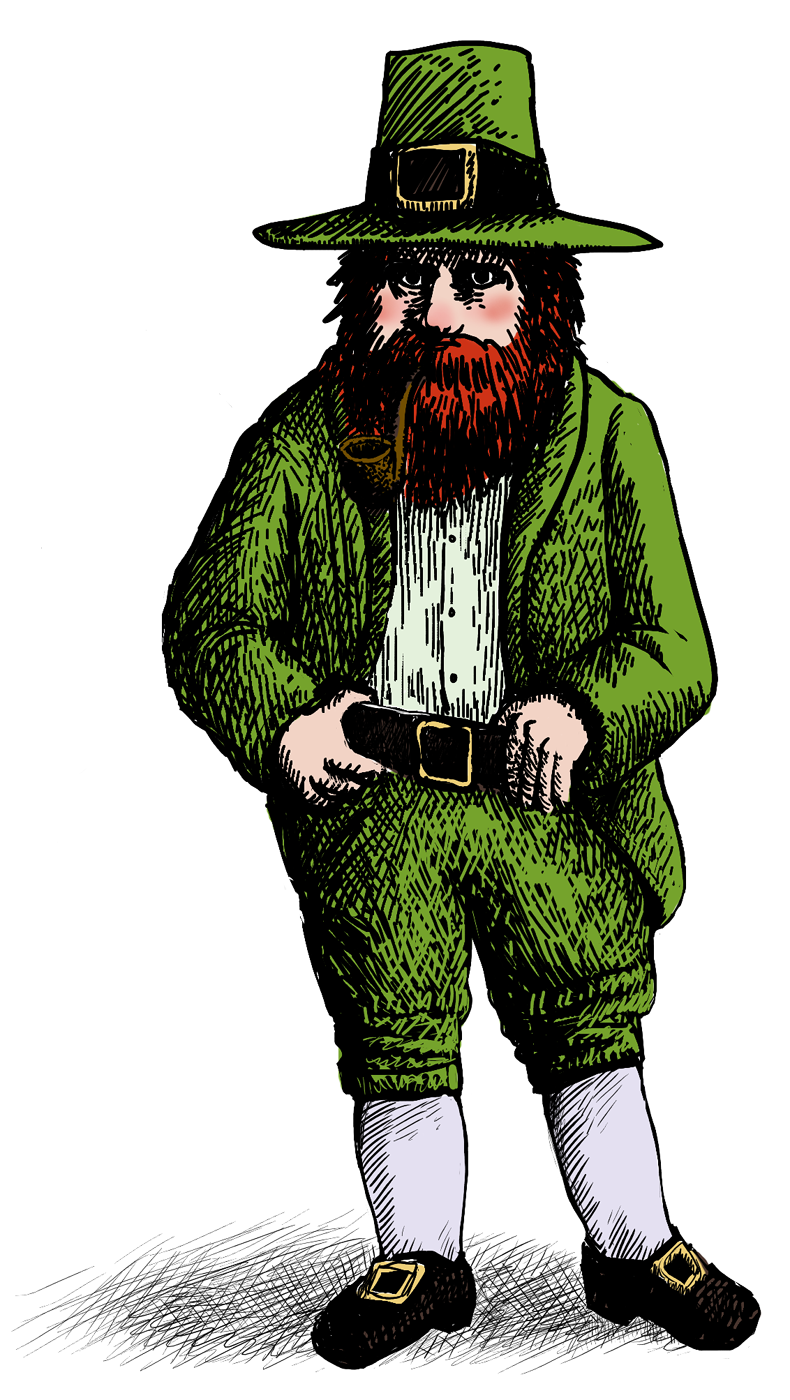 🇮🇪 Ireland and 1 moreLeprechaunlucharachán / leipreachán / luchorpán
A solitary Irish fairy known for mischief and shoe-makingBeing · Wonder and entertainment Legendary
🇮🇪 Ireland and 1 moreLeprechaunlucharachán / leipreachán / luchorpán
A solitary Irish fairy known for mischief and shoe-makingBeing · Wonder and entertainment Legendary
 🇺🇸 United States and 5 moreNight hag
A supernatural being believed to sit on sleepers and cause paralysisBeing · Cursing and harm Legendary
🇺🇸 United States and 5 moreNight hag
A supernatural being believed to sit on sleepers and cause paralysisBeing · Cursing and harm Legendary
 🇵🇷 Puerto Rico and 5 moreChupacabrachupacabras
A legendary creature said to drain livestock of blood, emerging from Puerto Rico in the mid-1990sBeing · Cursing and harm Legendary
🇵🇷 Puerto Rico and 5 moreChupacabrachupacabras
A legendary creature said to drain livestock of blood, emerging from Puerto Rico in the mid-1990sBeing · Cursing and harm Legendary
 🇺🇸 United StatesJersey Devil
A legendary creature from South Jersey folklore said to inhabit the Pine Barrens.Being · Wonder and entertainment Legendary
🇺🇸 United StatesJersey Devil
A legendary creature from South Jersey folklore said to inhabit the Pine Barrens.Being · Wonder and entertainment Legendary
 🇺🇸 United States and 2 moreRougarou
A lycanthrope legend from French-speaking communities in North AmericaBeing · Cursing and harm Legendary
🇺🇸 United StatesRed Ghost
A legendary red camel with a skeleton rider from Arizona frontier folkloreFigure · Wonder and entertainment Legendary
🇺🇸 United States and 2 moreRougarou
A lycanthrope legend from French-speaking communities in North AmericaBeing · Cursing and harm Legendary
🇺🇸 United StatesRed Ghost
A legendary red camel with a skeleton rider from Arizona frontier folkloreFigure · Wonder and entertainment Legendary
 🇺🇸 United States and 1 moreBigfoot
A large, hairy humanoid creature of North American folklore and cryptozoologyFigure · Wonder and entertainment Legendary
🇺🇸 United States and 1 moreBigfoot
A large, hairy humanoid creature of North American folklore and cryptozoologyFigure · Wonder and entertainment Legendary
 🇬🇧 United Kingdom and 4 moreWyvern
A two-legged winged dragon common in European heraldry and fantasy fictionBeing · Power and authority Legendary
🇬🇧 United Kingdom and 4 moreWyvern
A two-legged winged dragon common in European heraldry and fantasy fictionBeing · Power and authority Legendary
 🇺🇸 United StatesSkunk ape
A large, hairy humanoid cryptid said to live in Florida swamps and forestsFigure · Wonder and entertainment Legendary
🇺🇸 United StatesSkunk ape
A large, hairy humanoid cryptid said to live in Florida swamps and forestsFigure · Wonder and entertainment Legendary
 🇺🇸 United StatesGoatman
A goat-human hybrid blamed for dog deaths in Maryland woodsBeing · Cursing and harm Legendary
🇺🇸 United StatesGoatman
A goat-human hybrid blamed for dog deaths in Maryland woodsBeing · Cursing and harm Legendary
 🇺🇸 United StatesLoveland frog
A legendary humanoid creature sighted in Ohio, often linked to urban folklore and local tourism.Figure · Wonder and entertainment Legendary
🇺🇸 United StatesLoveland frog
A legendary humanoid creature sighted in Ohio, often linked to urban folklore and local tourism.Figure · Wonder and entertainment Legendary
 🇺🇸 United StatesSquonk
A fictional creature from American folklore known for weeping and dissolving in its own tears.Being · Wonder and entertainment Legendary
🇺🇸 United StatesSquonk
A fictional creature from American folklore known for weeping and dissolving in its own tears.Being · Wonder and entertainment Legendary
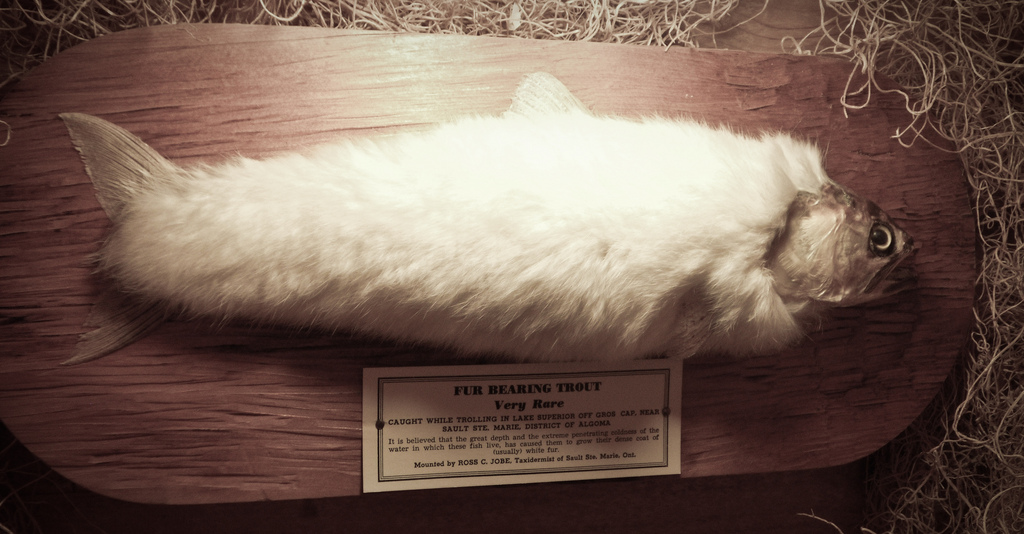 🇮🇸 Iceland and 2 moreFur-bearing troutLoðsilungur
A legendary fish with a coat of fur, found in North American and Icelandic tall tales.Figure · Wonder and entertainment Legendary
🇺🇸 United StatesChessie
A sea monster of American folklore said to inhabit the Chesapeake Bay.Being · Wonder and entertainment Legendary
🇮🇸 Iceland and 2 moreFur-bearing troutLoðsilungur
A legendary fish with a coat of fur, found in North American and Icelandic tall tales.Figure · Wonder and entertainment Legendary
🇺🇸 United StatesChessie
A sea monster of American folklore said to inhabit the Chesapeake Bay.Being · Wonder and entertainment Legendary
 🇺🇸 United StatesSnallygaster
A bird-reptile chimera from Maryland folklore, once used to frighten children and later the subject of newspaper hoaxes.Being · Cursing and harm Legendary
🇺🇸 United StatesSnallygaster
A bird-reptile chimera from Maryland folklore, once used to frighten children and later the subject of newspaper hoaxes.Being · Cursing and harm Legendary
 🇺🇸 United StatesBall-tailed cat
A North American fearsome critter with a heavy ball on its tail for striking preyBeing · Cursing and harm Legendary
🇺🇸 United StatesKushtakaKóoshdaa káa
A shape-shifting creature from Tlingit mythology that can appear as an otter or human.Being · Cursing and harm · Luck and prosperity Legendary
🇺🇸 United StatesBall-tailed cat
A North American fearsome critter with a heavy ball on its tail for striking preyBeing · Cursing and harm Legendary
🇺🇸 United StatesKushtakaKóoshdaa káa
A shape-shifting creature from Tlingit mythology that can appear as an otter or human.Being · Cursing and harm · Luck and prosperity Legendary
 🇺🇸 United States and 2 moreFlying Africans
A legend of enslaved people returning to Africa by magic flightFigure · Cursing and harm · Speaking with spirits and the dead Legendary
🇺🇸 United States and 2 moreFlying Africans
A legend of enslaved people returning to Africa by magic flightFigure · Cursing and harm · Speaking with spirits and the dead Legendary
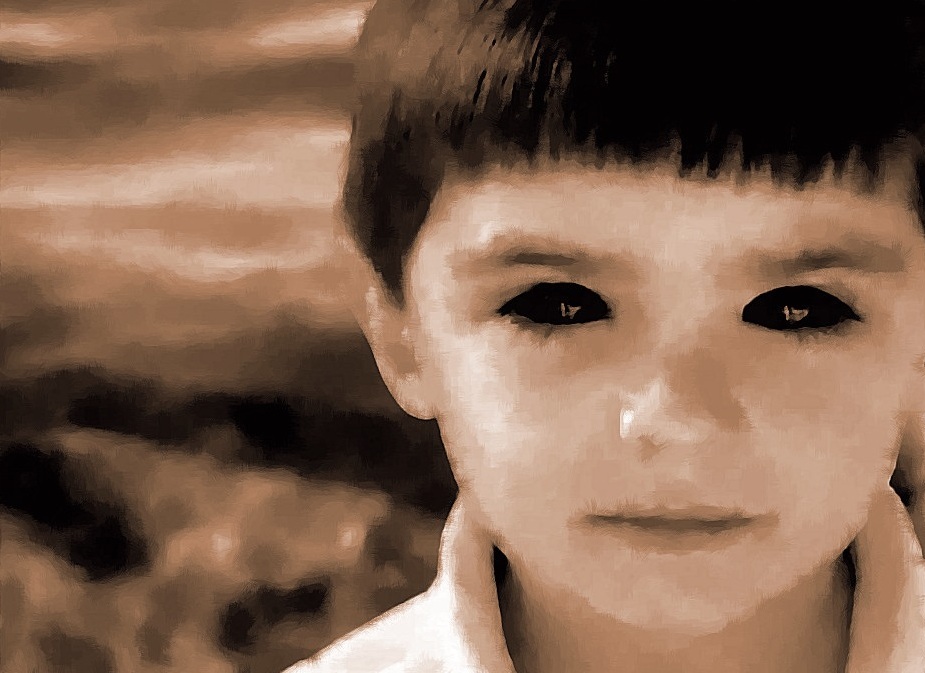 🇺🇸 United StatesBlack-eyed children
A modern American urban legend about pale children with dark eyes who seek entry into homes.Figure · Cursing and harm Legendary
🇺🇸 United StatesBlack-eyed children
A modern American urban legend about pale children with dark eyes who seek entry into homes.Figure · Cursing and harm Legendary
 🇺🇸 United StatesMoll Dyer
A Maryland folktale about a woman accused of witchcraft and her cursed stoneFigure · Cursing and harm · Protection Legendary
🇺🇸 United StatesTsul 'KaluᏧᏓᎦᎳ
A Cherokee hunting deity and legendary giant of the Appalachian mountainsFigure · Cursing and harm · Protection Legendary
🇺🇸 United States and 1 moreMuut
A Cahuilla spirit who guides souls, often shown as an owlBeing · Speaking with spirits and the dead Legendary
🇺🇸 United StatesAlfred Bulltop Stormalong
A giant sailor from New England tall tales and sea shantiesFigure · Wonder and entertainment Legendary
🇺🇸 United StatesMoll Dyer
A Maryland folktale about a woman accused of witchcraft and her cursed stoneFigure · Cursing and harm · Protection Legendary
🇺🇸 United StatesTsul 'KaluᏧᏓᎦᎳ
A Cherokee hunting deity and legendary giant of the Appalachian mountainsFigure · Cursing and harm · Protection Legendary
🇺🇸 United States and 1 moreMuut
A Cahuilla spirit who guides souls, often shown as an owlBeing · Speaking with spirits and the dead Legendary
🇺🇸 United StatesAlfred Bulltop Stormalong
A giant sailor from New England tall tales and sea shantiesFigure · Wonder and entertainment Legendary
 🇺🇸 United StatesBell Witch
A Tennessee legend of a shapeshifting spirit that tormented the Bell family in the early nineteenth century.Being · Cursing and harm Legendary
🇺🇸 United StatesGonakadet
A mythical sea creature of the Pacific Northwest believed to bring wealth and luck.Being · Luck and prosperity Legendary
🇺🇸 United StatesBeaman Monster
A Missouri cryptid said to be a giant ape or wolf-like creature from the early 1900sBeing Legendary
🇮🇪 Ireland and 5 moreFiddler's Green
A maritime afterlife of endless music and rest for veteran sailorsBelief · Wonder and entertainment Legendary
🇺🇸 United StatesBell Witch
A Tennessee legend of a shapeshifting spirit that tormented the Bell family in the early nineteenth century.Being · Cursing and harm Legendary
🇺🇸 United StatesGonakadet
A mythical sea creature of the Pacific Northwest believed to bring wealth and luck.Being · Luck and prosperity Legendary
🇺🇸 United StatesBeaman Monster
A Missouri cryptid said to be a giant ape or wolf-like creature from the early 1900sBeing Legendary
🇮🇪 Ireland and 5 moreFiddler's Green
A maritime afterlife of endless music and rest for veteran sailorsBelief · Wonder and entertainment Legendary
 🇺🇸 United States and 2 moreHoop snake
A legendary rolling serpent found in North American and Australian folkloreBeing · Cursing and harm Legendary
🇺🇸 United StatesWoman in Black
A spectral figure from Appalachian folklore said to punish men for moral failingsBeing · Cursing and harm · Protection Legendary
🇺🇸 United States and 2 moreHoop snake
A legendary rolling serpent found in North American and Australian folkloreBeing · Cursing and harm Legendary
🇺🇸 United StatesWoman in Black
A spectral figure from Appalachian folklore said to punish men for moral failingsBeing · Cursing and harm · Protection Legendary
Photo credits on this page
The small pictures above come from Wikimedia Commons under free licences. Some are cropped to fit.
- Jersey Devil: Dystopiamatt, CC BY-SA 4.0, source
- Skunk ape: MikesMegapixels, CC BY 3.0, source
- Bigfoot: Roger Patterson and Robert Gimlin, Public domain, source
- Flying Africans: Matthew T Rader, CC BY-SA 4.0, source
- Chupacabra: Dick Langer, CC BY-SA 4.0, source
- Night hag: Henry Fuseli, Public domain, source
- Leprechaun: Unknown author, FAL, source
- Menehune: D. Howard Hitchcock, Public domain, source
- Wyvern: DeFacto, CC BY-SA 4.0, source
- Goatman: Jack Boucher, Public domain, source
- Loveland frog: Tim Bertelink, CC BY-SA 4.0, source
- Squonk: Coert Du Bois and by William T. Cox;, Public domain, source
- Fur-bearing trout: Samantha Marx, CC BY 2.0, source
- Ball-tailed cat: Fearsome Critters, Written by Henry H. Tryon • Illustrated by Margaret, CC0, source
- Hoop snake: Fearsome Critters, Written by Henry H. Tryon • Illustrated by Margaret, CC0, source
- Black-eyed children: Megamoto85, CC BY-SA 4.0, source
- Moll Dyer: Dougtone, CC BY-SA 2.0, source
- Rougarou: XxxJohnDoExxxx, CC BY-SA 4.0, source
- Bell Witch: Unknown author, Public domain, source
- Snallygaster: Tripodero, CC BY-SA 3.0, source
The weekly digest
Every Monday: seven entries you may not know, what is on the calendar this week, and one rite drawn step by step.