Next: 1 to 2 Nov 2026
Dia de Muertos
Mexico's festival of the dead, with altars of marigolds, candles, food and photographs, welcoming the souls of the departed home.

About Dia de Muertos
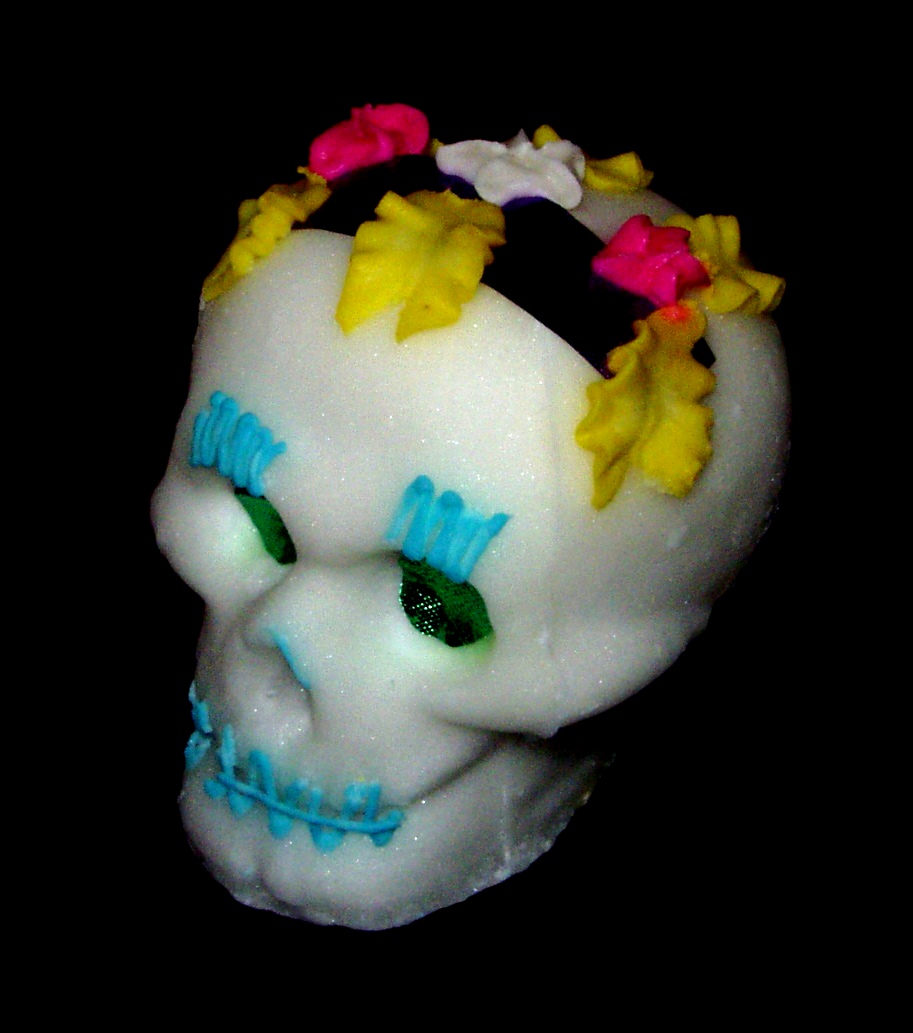
On 1 and 2 November Mexican families build ofrendas, altars set with photographs, candles, marigolds, sugar skulls, bread of the dead and the favourite food and drink of those who have died. The marigold, cempasuchil, is believed to guide souls by its colour and scent. The first day is for children and the second for adults, and families visit cemeteries, cleaning graves and keeping vigil through the night. The holiday blends Indigenous beliefs, including Aztec attitudes towards death, with the Catholic All Saints' and All Souls' days. It was inscribed by UNESCO in 2008. The skeleton figure of La Catrina, created as a satire, has become an emblem and brings the day to a worldwide audience, a spread that is also criticised as commercialisation.
Entries tied to it


Also part of it, and being written: Marigold (The flower of the dead.), Santa Muerte (A separate cult of Holy Death.).
Written by the EveryJaadu desk with AI assistance. Background: "Day of the Dead" on Wikipedia. Customs differ from place to place and family to family, and are described as belief and practice. If this is your tradition and we have it wrong, tell us.
Photo credits on this page
The small pictures above come from Wikimedia Commons under free licences. Some are cropped to fit.
- Calavera: Unknown author, CC BY-SA 3.0, source
- Ofrenda: Eneas de Troya, CC BY 2.0, source