
Satanic panic
A moral panic over unsubstantiated claims of Satanic cults abusing children in the late twentieth century
The Satanic panic was a widespread fear emerging in North America during the 1980s regarding organized Satanic groups committing ritual abuse. It spread globally by the 1990s and involved thousands of allegations that were never substantiated by evidence.
- Over 12,000 unsubstantiated allegations of Satanic ritual abuse emerged in the US during the 1980s.
- The panic originated with the 1980 book Michelle Remembers by psychiatrist Lawrence Pazder.
- The McMartin preschool trial lasted seven years and resulted in no convictions for the accused.
- Law enforcement agencies were unable to substantiate any allegations of organized cult abuse.
- Scholars classify the event as a moral panic driven by recovered-memory therapy and media coverage.
What it is
The Satanic panic refers to a period of intense public fear centered on the belief that secret Satanic cults were systematically abusing children. This phenomenon emerged in North America during the 1980s and expanded internationally by the end of the decade. The core allegation involved organized groups performing rituals that included physical violence, sexual assault, and human sacrifice. Despite over twelve thousand documented accusations, law enforcement agencies found no evidence to support the existence of these coordinated networks. Scholars classify the event as a moral panic, where societal anxieties were projected onto a scapegoated minority group.
Where it comes from
The panic gained traction following the 1980 publication of Michelle Remembers, a book co-authored by psychiatrist Lawrence Pazder and his patient Michelle Smith. The work utilized recovered-memory therapy, a method now discredited, to allege that Smith had suffered Satanic abuse as a child. Cultural factors also contributed, including the popularity of horror films like The Exorcist and The Omen, which influenced how patients recalled memories under hypnosis. Additionally, reactions against new religious movements and the legacy of McCarthyism created a climate susceptible to conspiracy theories about hidden enemies within society.
How it is done
Allegations often arose through therapeutic sessions using leading questions and coercive interviewing techniques. Social workers and therapists employed anatomically correct dolls to prompt disclosures from children, rewarding descriptions of abuse while punishing denials. These methods frequently produced contradictory testimonies. In legal settings, prosecutors used books like Michelle Remembers as guides for building cases. However, investigations consistently failed to find physical evidence or corroborating witnesses for the alleged rituals, leading to acquittals in major trials such as the McMartin preschool case.
Tools and materials
Practitioners of the investigation relied heavily on psychological tools rather than physical evidence. Key instruments included anatomically correct dolls used to elicit statements from children and hypnotic regression techniques aimed at recovering repressed memories. Therapists also utilized symptom lists and rumor networks to identify potential victims. These methods replaced traditional forensic investigation, creating a cycle of accusation based on subjective testimony rather than objective proof.
Satanic panic, drawn and placed
- Living
- Revived
- Fading
- Historical
- Legendary
- Performed
- Lineage
- Moral panic
- Timing
- 1980s to 1990s
What it is for
The panic served various social and political purposes for different groups. Religious fundamentalists used it to warn against secular influences and new religious movements. Child protection advocates leveraged the fear to secure increased funding and legislative power for mandatory reporting laws. Conspiracy theorists framed it as evidence of elite corruption and government cover-ups. For many families, it provided an explanation for unexplained trauma or family dysfunction, though this often led to the breakdown of relationships and wrongful convictions.
Who does it
The primary figures driving the panic were therapists, social workers, and certain lawyers who specialized in child abuse cases. Psychiatrists like Roland Summit popularized the concept of ritual abuse through conferences and media appearances. Social workers developed specific interrogation protocols for children, which became standard practice in many jurisdictions. These professionals often operated within a framework that prioritized believing the accuser, sometimes bypassing standard police investigative procedures. Their influence extended into congressional hearings and international policy discussions.
Peoples and places
The phenomenon was most prominent in the United States, particularly in California, where the McMartin trial took place. It subsequently spread to the United Kingdom, Netherlands, Australia, New Zealand, and Canada. In each region, local cultural anxieties shaped the specific details of the allegations. While the core narrative of Satanic abuse remained consistent, the intensity and duration of the panic varied by country. European nations generally experienced shorter periods of heightened fear compared to the prolonged crisis in North America.
At a glance: who, where and when
Who does it
Peoples
Belief worlds
Occasions

What people believe
The underlying worldview posited a hidden, global conspiracy of Satanists operating within suburban communities. Believers held that these groups infiltrated daycare centers and schools to abduct or groom children for ritualistic purposes. This belief system drew parallels to historical anti-Semitic libels and witch hunts, framing modern Satanists as descendants of ancient evil forces. Proponents argued that the lack of evidence was due to the secrecy and power of the conspirators, who allegedly intimidated witnesses and corrupted authorities.
When it is done
The panic peaked during the 1980s, coinciding with the implementation of mandatory reporting laws for child abuse. Major events like the McMartin trial, which began in 1983, sustained public interest throughout the decade. By the mid-1990s, scholarly research and high-profile acquittals began to dismantle the narrative. The focus shifted toward understanding dissociative identity disorder and the fallibility of recovered memories. The panic largely subsided by the late 1990s, though residual skepticism about ritual abuse persists in some circles.
How scholars and sceptics see it
Anthropologists and historians view the Satanic panic as a classic example of a moral panic, similar to earlier witch hunts. Researchers note that the allegations mirrored existing cultural fears about sexuality, religion, and social change. Psychologists have extensively studied the role of suggestive interviewing techniques in creating false memories. Skeptics emphasize that no verified cases of organized Satanic ritual abuse were ever proven. The consensus among experts is that the panic resulted from a combination of professional error, media sensationalism, and societal anxiety.
Cautions and what is closed
The panic caused significant harm to families and individuals. Many parents were separated from their children based on unsubstantiated allegations. Some defendants faced lengthy prison sentences before being exonerated. The use of coercive therapy practices left lasting psychological damage on both accusers and accused. Fraudulent claims by self-proclaimed survivors further eroded trust in legitimate child protection efforts. The episode serves as a cautionary tale about the dangers of allowing fear to override due process and scientific evidence.
Questions people ask about Satanic panic
What was the Satanic panic?
It was a widespread fear in the 1980s and 1990s that secret Satanic cults were abusing children in rituals. Thousands of allegations were made, but none were ever proven by evidence.
Where did the Satanic panic start?
It began in North America, specifically the United States, in the early 1980s. It later spread to other countries including the UK, Canada, and Australia.
What role did recovered memories play?
Therapists used techniques to help patients recall supposed childhood trauma. These methods were often leading and coercive, resulting in false memories of Satanic rituals.
Was there any evidence for Satanic cults?
No. Police investigations and court trials, including the lengthy McMartin case, found no credible evidence of organized Satanic abuse networks.
Good reading and sources
- Satanic child abuse claims are almost certainly based on false memoriesThe Guardian, Article
- Burn in HellHistory Today, Article
- Satanic panic on WikipediaEncyclopedia
- More photos on Wikimedia CommonsPhotos and video
- Wikidata recordOpen data
The facts on this page come from the Wikipedia article "Satanic panic", written by its contributors and used under the CC BY-SA 4.0 licence, and from its Wikidata record (CC0). EveryJaadu rewrote the text in its own words, with AI assistance, and compares every page with the article to make sure no passage is copied. It may be reused under the same CC BY-SA 4.0 licence with a link back.
It may contain mistakes. Names and customs differ from one community to the next, and some knowledge is closed to outsiders and left out here. This page describes belief and practice. It does not say that any of it works, it is not a how-to, and it is not medical advice. If something is wrong, tell us. Last refreshed 2026-10-05.
More from the United States
All the entries from the United States 🇺🇸 United States and 1 moreGroundhog DayGrund'sau dåk
A North American custom using a burrowing rodent to forecast the end of winterTradition · Seeing and foretelling · Luck and prosperity Living
🇺🇸 United States and 1 moreGroundhog DayGrund'sau dåk
A North American custom using a burrowing rodent to forecast the end of winterTradition · Seeing and foretelling · Luck and prosperity Living
 🇺🇸 United States and 1 morePunxsutawney Phil
A groundhog who serves as the central figure in an annual American weather prediction festival.Belief · Seeing and foretelling · Wonder and entertainment Living
🇺🇸 United States and 1 morePunxsutawney Phil
A groundhog who serves as the central figure in an annual American weather prediction festival.Belief · Seeing and foretelling · Wonder and entertainment Living
 🇺🇸 United States and 4 moreRainmaking
Efforts to induce rain through technology, ritual, or prayer.Tradition · Protection · Healing Living
🇺🇸 United States and 4 moreRainmaking
Efforts to induce rain through technology, ritual, or prayer.Tradition · Protection · Healing Living
 🇺🇸 United States and 5 moreFriday the 13th
A Western superstition marking a specific calendar date as unlucky.Belief · Luck and prosperity Living
🇺🇸 United States and 5 moreFriday the 13th
A Western superstition marking a specific calendar date as unlucky.Belief · Luck and prosperity Living
Related elsewhere
All belief 🇷🇸 Serbia and 5 moreVampire
An undead creature from folklore that feeds on the blood or life force of the livingBeing · Cursing and harm · Luck and prosperity Legendary
🇷🇸 Serbia and 5 moreVampire
An undead creature from folklore that feeds on the blood or life force of the livingBeing · Cursing and harm · Luck and prosperity Legendary
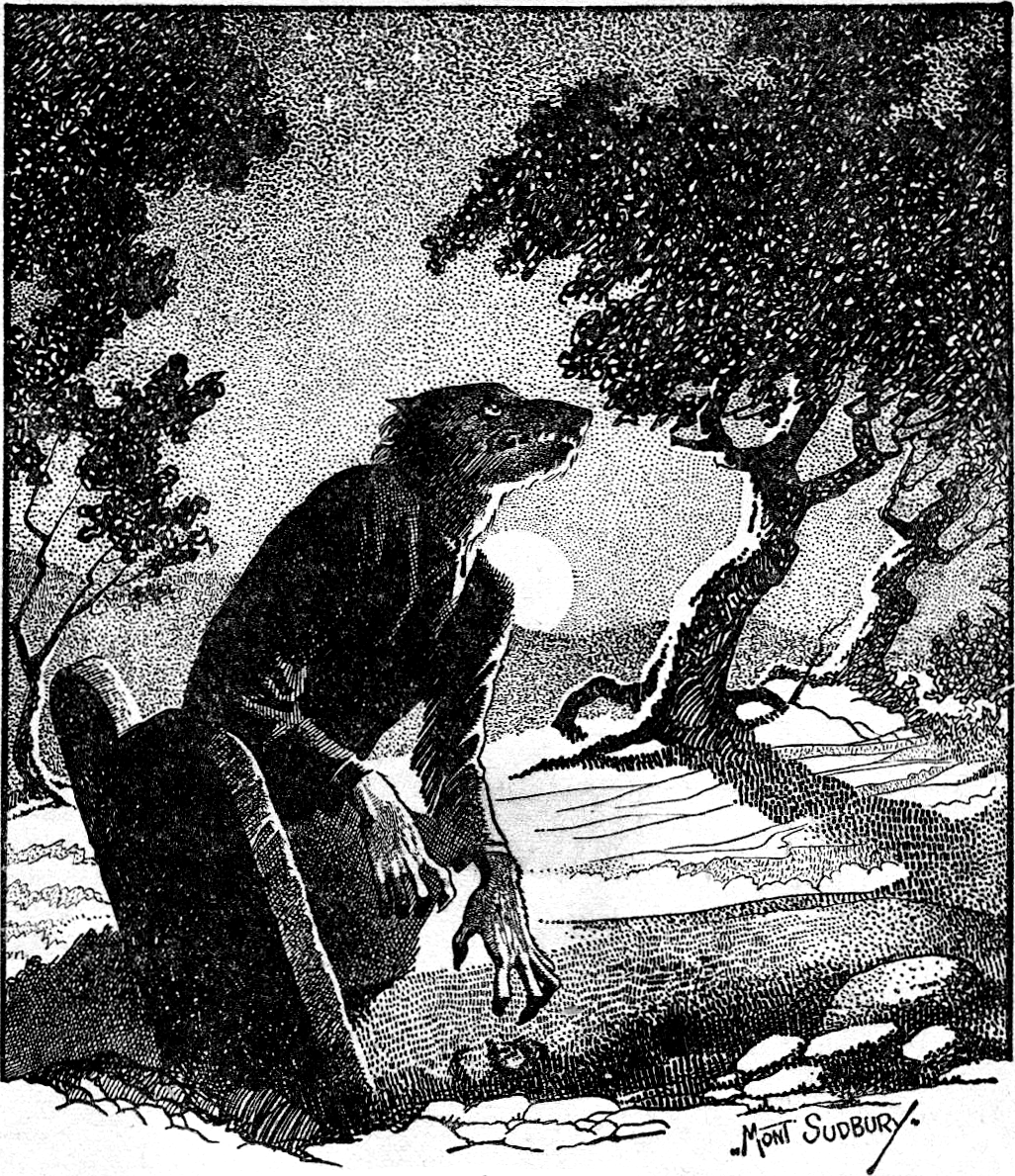 🇫🇷 France and 5 moreWerewolf
A mythical shapeshifter that turns into a wolf, central to European witch-hunts and Gothic horror.Being · Cursing and harm · Wonder and entertainment Legendary
🇫🇷 France and 5 moreWerewolf
A mythical shapeshifter that turns into a wolf, central to European witch-hunts and Gothic horror.Being · Cursing and harm · Wonder and entertainment Legendary
 🇪🇬 Egypt and 1 moreLilithלִילִית
A feminine figure from Mesopotamian and Jewish mythology, often depicted as a night demon or spirit.Being · Cursing and harm Legendary
🇪🇬 Egypt and 1 moreLilithלִילִית
A feminine figure from Mesopotamian and Jewish mythology, often depicted as a night demon or spirit.Being · Cursing and harm Legendary
 🇪🇬 EgyptCurse
A spoken wish for misfortune to befall a person or placeBelief · Cursing and harm · Luck and prosperity Historical
🇪🇬 EgyptCurse
A spoken wish for misfortune to befall a person or placeBelief · Cursing and harm · Luck and prosperity Historical