
Salem Witch Trials
A colonial legal crisis where over two hundred people faced accusations of sorcery in Massachusetts.
Between February 1692 and May 1693, the Province of Massachusetts Bay held hearings that resulted in twenty-five deaths. The events began in Salem Village and spread to neighboring communities, marking the deadliest witch hunt in colonial North America.
- Over two hundred people faced witchcraft accusations.
- Nineteen individuals were executed by hanging.
- Giles Corey died under torture after refusing to plead.
- Spectral evidence played a key role in convictions.
- The General Court declared the trials unlawful in 1702.
What it is
The Salem Witch Trials represent a period of intense legal persecution in colonial North America. Authorities conducted hearings against individuals accused of practicing witchcraft. This episode stands as the most lethal witch hunt in the region's history. More than two hundred residents faced charges during this time. The proceedings resulted in thirty convictions and twenty-five executions. Most victims were hanged, while others died in prison or under torture. The events occurred within the Province of Massachusetts Bay. They serve as a prominent example of historical mass hysteria and religious extremism.
Where it comes from
Accusations first emerged in Salem Village, now known as Danvers. Four young girls claimed they suffered physical harm caused by local women. These claims triggered a wave of arrests across New England. Authorities traced around one hundred fifty-one accused individuals to twenty-five different communities. The unrest followed years of political instability and border wars with French-supported groups. Tensions between Salem Village and Salem Town also fueled local disputes. Religious leaders promoted beliefs about the reality of spirits and demons. This intellectual climate made the community receptive to supernatural explanations for misfortune.
How it is done
Legal proceedings took place in Salem Town. A special court handled cases in 1692, followed by a superior court in 1693. Judges relied on spectral evidence to secure convictions. This type of proof allowed testimony about dreams or visions of the accused harming victims. The courts operated without standard due process protections common today. Defendants faced capital punishment if found guilty. The hangings occurred at a specific site in Salem. The legal system eventually halted when doubts arose about the validity of spectral evidence and the sheer volume of accusations involving prominent citizens.
Salem Witch Trials, drawn and placed
- Living
- Revived
- Fading
- Historical
- Legendary
- Performed
What it is for
The prosecutions aimed to remove perceived threats to the community's spiritual and social order. Accusers believed the defendants used magic to cause afflictions. The goal was to cleanse the colony of demonic influence. Leaders sought to maintain a strict religious society. The trials reflected fears about hidden enemies within the population. Authorities wanted to demonstrate control over chaos and disorder. The process served as a mechanism for resolving local conflicts through supernatural framing.
Who does it
Colonial magistrates and judges directed the legal actions. Clergymen provided theological support for the proceedings. Young girls acted as primary accusers and witnesses. Their testimonies drove the initial investigations. Legal officials managed the courts and prisons. Historians study the records to understand the social dynamics. Scholars analyze the psychological factors behind the accusations. Modern researchers examine the archaeological sites associated with the executions.
Peoples and places
The Puritan settlers of New England formed the core community involved. Salem Village residents initiated the accusations. Neighboring towns like Andover and Topsfield became involved later. The broader New England region experienced similar but smaller trials. European witch hunts influenced the ideological framework. Colonial Americans adapted these ideas to their specific context. The events highlighted divisions within local populations. Different communities reacted to the hysteria in varying ways based on their internal politics.
At a glance: who, where and when


What people believe
Puritan theology emphasized the active presence of Satan in the world. Believers accepted that witches could make pacts with demons. Spectral evidence validated the idea that invisible forces harmed the faithful. Denying witchcraft was seen as denying God's power. The community feared moral corruption from external evil. Religious texts supported the reality of ghosts and apparitions. This worldview made supernatural accusations plausible to contemporaries. Doubts emerged only when the accusations threatened elite members of society.
When it is done
The trials spanned from February 1692 to May 1693. No specific religious festivals triggered the events. The timing coincided with political transitions in the colony. A new charter arrived in early 1692. Border conflicts with Native American groups created ongoing anxiety. The winter months saw increased accusations. Spring and summer brought the bulk of the trials. The end came gradually as public opinion shifted against the proceedings.
How scholars and sceptics see it
Historians view the trials as a case of mass hysteria. Researchers note the role of political instability in fueling the panic. Psychologists analyze the behavior of the accusing children. Critics point to failures in due process and judicial oversight. Some scholars highlight the impact on American legal traditions. The events are often cited as a warning against religious extremism. Modern commemorations include memorials and exonerations. Academic studies continue to explore the social causes.
Cautions and what is closed
The trials resulted in wrongful executions and deaths in custody. Families lost loved ones due to false accusations. The legal system failed to protect defendants' rights. Social reputations were destroyed by unverified claims. The trauma affected survivors and descendants for generations. Modern discussions focus on correcting historical injustices. Exoneration efforts have continued for centuries. The legacy includes warnings about mob mentality and judicial error.
Questions people ask about Salem Witch Trials
What were the Salem Witch Trials?
They were a series of hearings and prosecutions in colonial Massachusetts between 1692 and 1693. Authorities accused more than two hundred people of witchcraft. The events resulted in twenty-five deaths and marked the deadliest witch hunt in colonial North America.
Where did the accusations begin?
The accusations started in Salem Village, which is now known as Danvers, Massachusetts. Four young girls claimed local women were causing them harm. The panic quickly spread to other towns in the region.
How many people were executed?
Nineteen people were hanged. One man died under torture, and five others died in jail. The total death toll from the trials was twenty-five individuals.
Why did the trials end?
Leading clergymen began doubting the validity of spectral evidence. Accusations started targeting prominent citizens, causing public concern. The governor dissolved the special court, and the legal process ceased.
Good reading and sources
- Encyclopaedia BritannicaArticle
- Woman condemned in Salem witch trials on verge of pardon 328 years laterThe Guardian, Article
- Library of Congress CatalogLibrary of Congress, Article
- Last Convicted Salem 'Witch' Is Finally ClearedSmithsonian Magazine, Article
The facts on this page come from the Wikipedia article "Salem witch trials", written by its contributors and used under the CC BY-SA 4.0 licence, and from its Wikidata record (CC0). EveryJaadu rewrote the text in its own words, with AI assistance, and compares every page with the article to make sure no passage is copied. It may be reused under the same CC BY-SA 4.0 licence with a link back.
It may contain mistakes. Names and customs differ from one community to the next, and some knowledge is closed to outsiders and left out here. This page describes belief and practice. It does not say that any of it works, it is not a how-to, and it is not medical advice. If something is wrong, tell us. Last refreshed 2026-10-05.
More from the United States
All the entries from the United States 🇺🇸 United States and 1 morePunxsutawney Phil
A groundhog who serves as the central figure in an annual American weather prediction festival.Belief · Seeing and foretelling · Wonder and entertainment Living
🇺🇸 United States and 1 morePunxsutawney Phil
A groundhog who serves as the central figure in an annual American weather prediction festival.Belief · Seeing and foretelling · Wonder and entertainment Living
 🇺🇸 United States and 1 moreGroundhog DayGrund'sau dåk
A North American custom using a burrowing rodent to forecast the end of winterTradition · Seeing and foretelling · Luck and prosperity Living
🇺🇸 United States and 1 moreGroundhog DayGrund'sau dåk
A North American custom using a burrowing rodent to forecast the end of winterTradition · Seeing and foretelling · Luck and prosperity Living
 🇺🇸 United States and 1 moreMedicine wheel
Circular stone formations built by Indigenous peoples of North America for ceremony and astronomy.Tradition · Speaking with spirits and the dead · Power and authority Living
🇺🇸 United States and 1 moreMedicine wheel
Circular stone formations built by Indigenous peoples of North America for ceremony and astronomy.Tradition · Speaking with spirits and the dead · Power and authority Living
 🇺🇸 United States and 5 moreFriday the 13th
A Western superstition marking a specific calendar date as unlucky.Belief · Luck and prosperity Living
🇺🇸 United States and 5 moreFriday the 13th
A Western superstition marking a specific calendar date as unlucky.Belief · Luck and prosperity Living
Related elsewhere
All belief 🇷🇸 Serbia and 5 moreVampire
An undead creature from folklore that feeds on the blood or life force of the livingBeing · Cursing and harm · Luck and prosperity Legendary
🇷🇸 Serbia and 5 moreVampire
An undead creature from folklore that feeds on the blood or life force of the livingBeing · Cursing and harm · Luck and prosperity Legendary
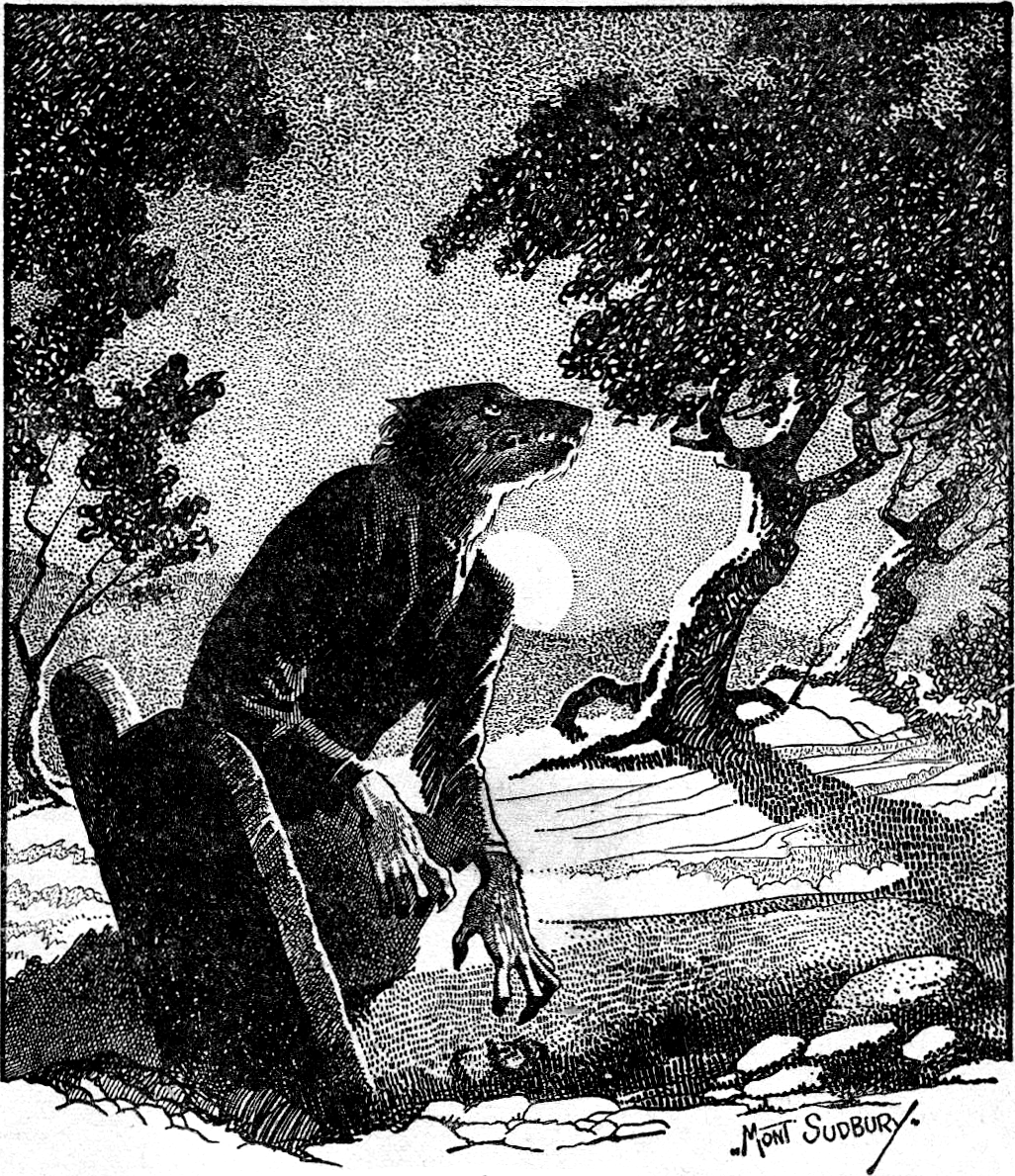 🇫🇷 France and 5 moreWerewolf
A mythical shapeshifter that turns into a wolf, central to European witch-hunts and Gothic horror.Being · Cursing and harm · Wonder and entertainment Legendary
🇫🇷 France and 5 moreWerewolf
A mythical shapeshifter that turns into a wolf, central to European witch-hunts and Gothic horror.Being · Cursing and harm · Wonder and entertainment Legendary
 🇪🇬 Egypt and 1 moreLilithלִילִית
A feminine figure from Mesopotamian and Jewish mythology, often depicted as a night demon or spirit.Being · Cursing and harm Legendary
🇪🇬 Egypt and 1 moreLilithלִילִית
A feminine figure from Mesopotamian and Jewish mythology, often depicted as a night demon or spirit.Being · Cursing and harm Legendary
 🇪🇬 EgyptCurse
A spoken wish for misfortune to befall a person or placeBelief · Cursing and harm · Luck and prosperity Historical
🇪🇬 EgyptCurse
A spoken wish for misfortune to befall a person or placeBelief · Cursing and harm · Luck and prosperity Historical