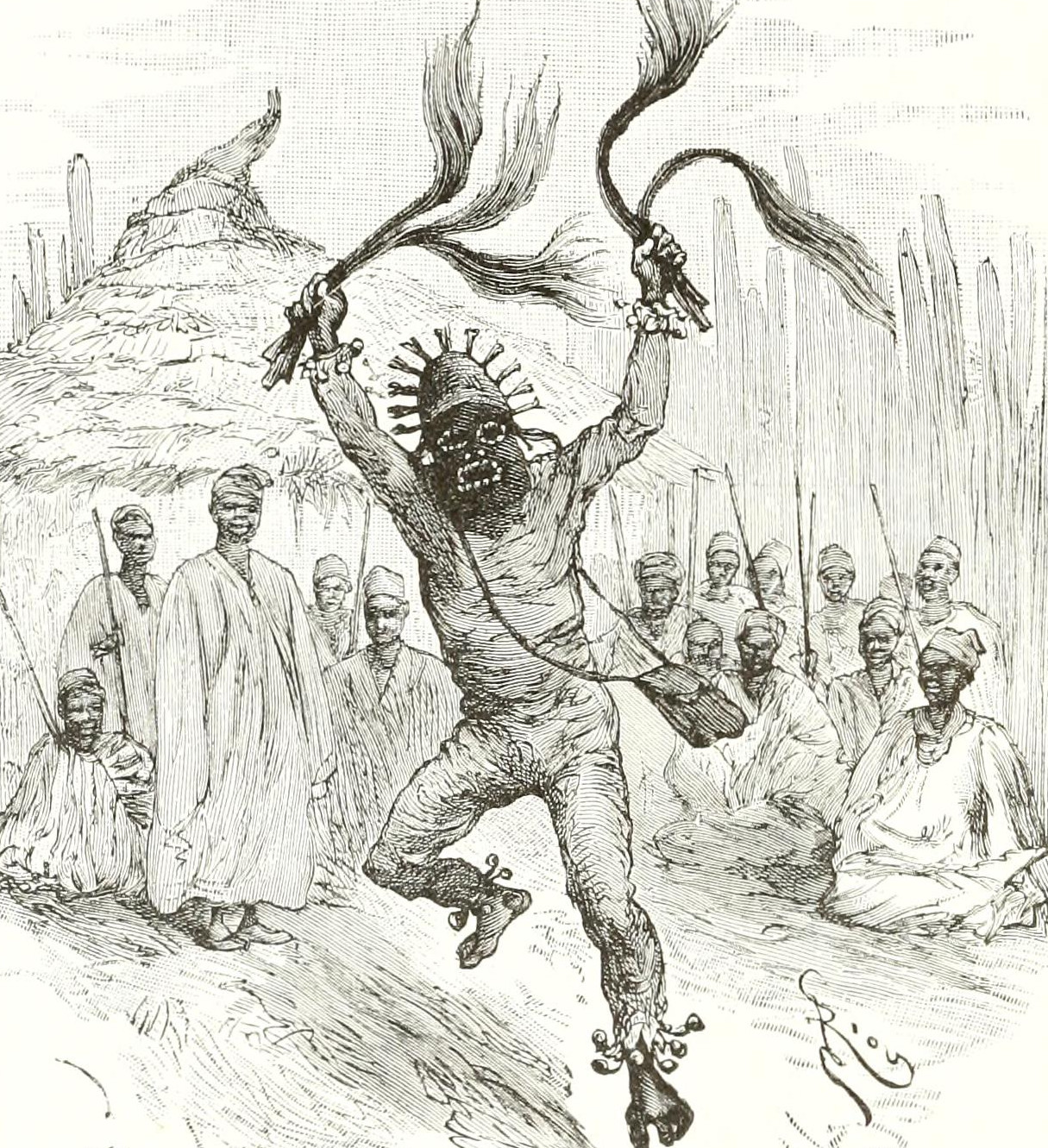
Louisiana Voodoo
from vodu, meaning spirit or deity in Fon and Ewe languages
An African diasporic religion practiced in Louisiana from the 18th to early 20th centuries
Louisiana Voodoo was a creole religion that developed in the Mississippi River valley through the blending of West and Central African traditions with Catholicism. It operated without central leadership and faded by the early 1900s, though its legacy influenced later folk practices.
- Blanc Dani linked to white color and serpents
- Priestesses led independent community groups
- Saint John's Eve featured large lakeside gatherings
- Gris-gris charms used for healing and cursing
- Died out by early twentieth century
What it is
Louisiana Voodoo functioned as a distinct religious system within the broader African diaspora. It emerged along the Mississippi River valley, particularly in New Orleans, during the eighteenth century. The practice blended traditional beliefs from West and Central Africa with Roman Catholic elements. Unlike organized churches, it lacked a single hierarchy or formal creed. Independent groups managed their own affairs. Practitioners often integrated these customs with mainstream Catholic rituals. The tradition emphasized spiritual connection and community support rather than strict dogma.
Where it comes from
The religion formed as enslaved Africans from regions like Senegambia and the Bight of Benin arrived in French and Spanish Louisiana. They merged their native faiths with the Catholicism of their colonizers. Later, migrants fleeing the Haitian Revolution brought additional influences, including Haitian Vodou. This syncretic process created a unique cultural expression. The tradition persisted through various political changes until the early twentieth century, when it largely disappeared from public record.
How it is done
Groups gathered for ceremonies that included offerings and animal sacrifices. Altars were established to honor specific deities and spirits. Snakes sometimes featured in ritual contexts. Initiation rites marked entry into the community. Large public celebrations occurred on Saint John's Eve near Lake Pontchartrain. Charms known as gris-gris were crafted for healing or protection. These items served as tangible links to spiritual forces.
Tools and materials
Gris-gris charms played a central role in daily practice. Graveyard soil held significant power due to connections with ancestral spirits. Animal sacrifices provided offerings to deities. Live snakes appeared in some documented rituals. Materials were selected based on their perceived spiritual properties. Each charm served a specific purpose, such as attracting luck or causing harm.
Louisiana Voodoo, drawn and placed
- Living
- Revived
- Fading
- Historical
- Legendary
- Performed
- Lineage
- African diasporic religion
- Timing
- Saint John's Eve gatherings
What it is for
Practitioners sought assistance from deities for health, fortune, and protection. Spirits of the dead were consulted for guidance. Saints were invoked alongside African gods. The tradition addressed both personal needs and communal well-being. Some charms aimed to heal illnesses, while others were used for cursing. The focus remained on navigating life challenges through spiritual means.
Who does it
Women dominated the leadership structure, leading to descriptions of the tradition as matriarchal. Priestesses guided independent groups. Men also participated, though less frequently in leadership roles. Training involved initiation ceremonies. Members adapted practices to fit individual circumstances. The lack of central authority allowed for diverse expressions of belief across different communities.
Peoples and places
The tradition primarily served Black populations in Louisiana and parts of Missouri. It incorporated influences from Bambara, Bakongo, Fon, Ewe, and Yoruba peoples. Migrants from Haiti added further layers to the practice. White individuals occasionally participated. The religion spread up the Mississippi River but remained concentrated in urban centers like New Orleans.
At a glance: who, where and when
Belief worlds
Occasions


What people believe
Deities derived from West African pantheons, such as Blanc Dani and Papa Lébat. Spirits of the dead held prominent positions. Catholic saints were associated with African gods through shared traits. For example, Papa Lébat connected to Saint Peter. The Grand Zombi represented a great spirit. Beliefs emphasized the interconnectedness of the living and the dead. No formal theology dictated worship; instead, practical spirituality guided adherents.
When it is done
Saint John's Eve marked major celebrations. Gatherings took place on the shores of Lake Pontchartrain. Life events likely prompted specific rituals, though records are sparse. The oral nature of the tradition makes precise calendrical details difficult to reconstruct. Seasonal markers may have influenced timing, but evidence remains limited.
How scholars and sceptics see it
Historians note the fragmentary nature of available records. Much information was lost due to the oral tradition and illiteracy among many practitioners. Scholars distinguish Louisiana Voodoo from hoodoo, viewing the latter as a subset of supernaturalism focused on charms. Modern research highlights the religion's role in resisting oppression. Feminist theorists analyze its impact on African American women's agency.
Cautions and what is closed
Non-practitioners often labeled the religion as witchcraft or devil worship. This hostility led to legal restrictions and arrests. Sensationalist portrayals distorted public understanding. The tradition faced suppression despite never being officially banned. Misinterpretations fueled prejudice against practitioners. Closed knowledge protected certain aspects from outsiders.
Compare and confuse
Louisiana Voodoo shares roots with Haitian Vodou and Cuban Santería. It differs from hoodoo, which focuses more on charms than organized deity worship. Connections exist with other African diasporic religions. Catholic syncretism appears across multiple traditions. Distinctions between terms remain blurry in historical contexts.
Law and persecution
Laws restricted gatherings of Black people, impacting religious practice. Government opposition increased in the mid-nineteenth century. Arrests and prosecutions targeted prominent figures. Despite restrictions, the religion continued informally. Legal status did not explicitly ban the practice, but social pressure hindered open expression.
Days linked to Louisiana Voodoo
Questions people ask about Louisiana Voodoo
What is Louisiana Voodoo?
It was an African diasporic religion in Louisiana blending West African beliefs with Catholicism. It operated through independent groups without central leadership.
Where did it originate?
It formed in the Mississippi River valley, especially New Orleans, from enslaved Africans merging their traditions with local Catholic practices.
Who practiced it?
Primarily Black communities in Louisiana and Missouri, including Bambara, Bakongo, and Fon descendants, with some white participation.
Is it still practiced today?
No, it faded by the early twentieth century. Its elements survived in hoodoo and influenced later revival movements drawing on other diasporic faiths.
Good reading and sources
- Louisiana Voodoo on WikipediaEncyclopedia
- More photos on Wikimedia CommonsPhotos and video
- Wikidata recordOpen data
The facts on this page come from the Wikipedia article "Louisiana Voodoo", written by its contributors and used under the CC BY-SA 4.0 licence, and from its Wikidata record (CC0). EveryJaadu rewrote the text in its own words, with AI assistance, and compares every page with the article to make sure no passage is copied. It may be reused under the same CC BY-SA 4.0 licence with a link back.
It may contain mistakes. Names and customs differ from one community to the next, and some knowledge is closed to outsiders and left out here. This page describes belief and practice. It does not say that any of it works, it is not a how-to, and it is not medical advice. If something is wrong, tell us. Last refreshed 2026-10-06.
More from the United States
All the entries from the United States 🇺🇸 United States and 1 moreGroundhog DayGrund'sau dåk
A North American custom using a burrowing rodent to forecast the end of winterTradition · Seeing and foretelling · Luck and prosperity Living
🇺🇸 United States and 1 moreGroundhog DayGrund'sau dåk
A North American custom using a burrowing rodent to forecast the end of winterTradition · Seeing and foretelling · Luck and prosperity Living
 🇺🇸 United StatesFolk healer
An unlicensed community member who provides healing care using local plants and traditional knowledge.Tradition · Healing · Protection Historical
🇺🇸 United StatesFolk healer
An unlicensed community member who provides healing care using local plants and traditional knowledge.Tradition · Healing · Protection Historical
 🇺🇸 United States and 1 moreMedicine wheel
Circular stone formations built by Indigenous peoples of North America for ceremony and astronomy.Tradition · Speaking with spirits and the dead · Power and authority Living
🇺🇸 United States and 1 moreMedicine wheel
Circular stone formations built by Indigenous peoples of North America for ceremony and astronomy.Tradition · Speaking with spirits and the dead · Power and authority Living
 🇺🇸 United States and 3 moreMediumship
The practice of mediating communication between the living and spirits of the dead.Tradition · Speaking with spirits and the dead Living
🇺🇸 United States and 3 moreMediumship
The practice of mediating communication between the living and spirits of the dead.Tradition · Speaking with spirits and the dead Living
Related elsewhere
All tradition 🇯🇲 Jamaica and 5 moreObeah
A Caribbean tradition of ritual healing and spell-casting with African rootsTradition · Protection · Healing Living
🇯🇲 Jamaica and 5 moreObeah
A Caribbean tradition of ritual healing and spell-casting with African rootsTradition · Protection · Healing Living
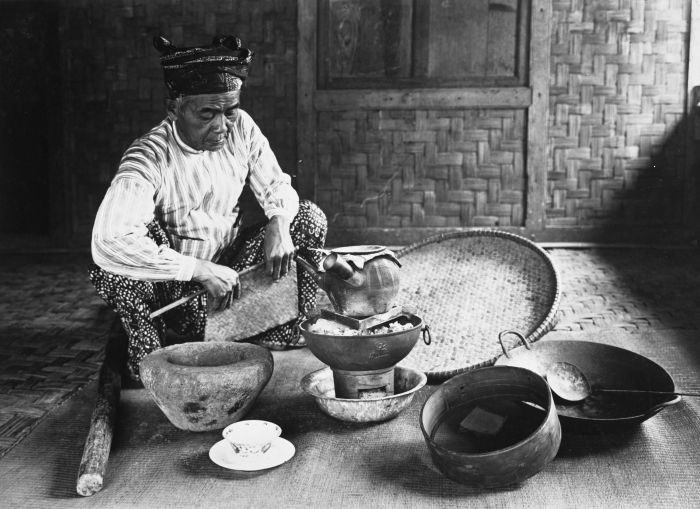 🇮🇩 Indonesia and 2 moreDukun
A traditional healer and spirit medium in Indonesian folk practiceTradition · Healing · Seeing and foretelling Living
🇮🇩 Indonesia and 2 moreDukun
A traditional healer and spirit medium in Indonesian folk practiceTradition · Healing · Seeing and foretelling Living
 🇹🇭 Thailand and 3 moreThai Buddha amuletsพระเครื่อง (phrakhrueang)
Sacred Buddhist images and relics worn for protection, merit, and fortune in Thailand.Charm · Protection · Luck and prosperity Living
🇹🇭 Thailand and 3 moreThai Buddha amuletsพระเครื่อง (phrakhrueang)
Sacred Buddhist images and relics worn for protection, merit, and fortune in Thailand.Charm · Protection · Luck and prosperity Living
 🇨🇳 China and 5 moreGuanyin觀音 (Guānyīn)
The Bodhisattva of compassion, worshipped across East Asia as a listener to human sufferingBeing · Protection · Healing Living
🇨🇳 China and 5 moreGuanyin觀音 (Guānyīn)
The Bodhisattva of compassion, worshipped across East Asia as a listener to human sufferingBeing · Protection · Healing Living