Micronesian mythology
from the English word 'micro', meaning small, and 'nesos', meaning island, describing the region's geography
The traditional belief systems and legends of the island peoples in the southwest Pacific.
Micronesian mythology refers to the diverse collection of myths, legends, and spiritual beliefs held by the various ethnic groups across the islands of Micronesia. Each island group maintains its own distinct pantheon of gods, heroes, and tricksters rather than a single unified system. These stories explain natural phenomena, historical migrations, and social customs.
- Anulap is the Trukese god of magic and knowledge.
- Isokelekel conquered the Saudeleur rulers of Pohnpei.
- Nei Tituaabine became a tree goddess after her death.
- Olifat is a trickster god born from an octopus goddess.
- Chief Taga's spirit is said to be trapped in a standing stone.
What it is
Micronesian mythology encompasses the traditional narratives and spiritual frameworks of the indigenous peoples inhabiting the Caroline, Marshall, Mariana, and Gilbert island groups. Rather than a monolithic religion, it consists of distinct local traditions where each community worships its own set of deities and remembers its own ancestral heroes. These stories serve as cultural anchors, explaining the origins of the world, the establishment of social hierarchies, and the moral codes that govern daily life. The myths feature a wide array of figures, from creator gods and tricksters to legendary navigators and powerful chiefs who shaped the physical landscape.
Where it comes from
These belief systems originated among the Austronesian-speaking peoples who settled the Pacific islands thousands of years ago. The traditions evolved in isolation on separate atolls and volcanic islands, leading to significant variation between regions such as Yap, Truk, Pohnpei, and Kiribati. European contact beginning in the sixteenth century introduced Christianity and other external influences, which caused many traditional practices to decline or transform. Despite these changes, the core narratives have been preserved through oral tradition and recorded by scholars and local historians in the modern era.
Micronesian mythology, drawn and placed
- Living
- Revived
- Fading
- Historical
- Legendary
- Performed
- Lineage
- Austronesian mythology
What it is for
The myths serve to validate social structures, explain natural events, and preserve historical memory. Stories of heroic conquests, like that of Isokelekel, justify political authority and lineage. Trickster tales involving figures like Olifat teach lessons about behavior and consequences. Creation myths, such as those involving Areop-Enap or the tree goddess Nei Tituaabine, provide cosmological explanations for the existence of the land, the sea, and human life. They also mark sacred sites, linking the physical environment to spiritual significance.
Peoples and places
The mythology varies significantly across the archipelago. In the Federated States of Micronesia, Yapese traditions honor the navigator Anagumang, while Truk mythology centers on the god of magic Anulap. Pohnpeian lore focuses on the warrior hero Isokelekel and his descendants. Kosraean beliefs include specific deities for breadfruit, thunder, and fishing. Nauruan mythology features the creator Areop-Enap. In the Marianas, Chamorro legends tell of the chief Gadao and the tragic figure Taga'. Kiribati stories highlight the giant chieftain Auriaria and the sacred Uekera tree. Each group maintains unique names and narrative details.
At a glance: who, where and when
Who does it
Belief worlds
What people believe
The worldview is populated by a complex hierarchy of spirits, gods, and ancestors. Deities often control specific aspects of nature, such as Sinlaka governing breadfruit or Nosrunsrap controlling thunder. Trickster figures like Olifat navigate the boundaries between the divine and mortal realms, often engaging in humorous or taboo-breaking acts. Ancestral figures are frequently transformed into natural elements; Nei Tituaabine becomes a tree goddess, and Chief Taga's spirit remains imprisoned in a stone pillar. The myths reflect a deep connection between the people, their land, and the supernatural forces that inhabit it.
How scholars and sceptics see it
Anthropologists and folklorists study these myths to understand the social history and cultural values of Pacific Islander communities. Researchers analyze how oral traditions preserve information about migration, warfare, and environmental adaptation. Scholars note the impact of colonialism on the transmission of these stories, observing how European contact altered or suppressed certain narratives. Academic works compile these legends to ensure their preservation, recognizing them as vital components of Oceania's intangible cultural heritage.
Compare and confuse
Micronesian mythology shares roots with other Austronesian mythologies found in Polynesia and Southeast Asia, though it has developed distinct regional characteristics. It differs from Hawaiian or Maori myths in its specific pantheon and historical focus on navigation and chiefly lineages. The trickster archetype appears in many global traditions but takes unique forms in Micronesia, such as Olifat. The emphasis on sacred trees and stone megaliths distinguishes it from the more volcano-centric myths of some neighboring Pacific cultures.
Today
While traditional religious practices have declined due to Christianization, the myths remain a central part of Micronesian identity and cultural pride. They are retold in schools, performed in festivals, and published in books to educate younger generations. Sites like the House of Taga and the Uekera tree continue to hold symbolic importance. Contemporary Micronesians draw upon these narratives to assert their distinct heritage within the broader Pacific context, ensuring that the legends of their ancestors survive in the modern world.
Questions people ask about Micronesian mythology
What is Micronesian mythology?
It is the collection of traditional beliefs, legends, and spiritual stories of the indigenous peoples across the islands of Micronesia in the southwest Pacific Ocean.
Is there one single Micronesian religion?
No. Each island group, such as Yap, Truk, or Kiribati, has its own distinct set of gods, heroes, and myths rather than a unified system.
Who are some of the main gods in these myths?
Key figures include Anulap, the god of magic; Olifat, a trickster; Areop-Enap, a creator; and deities like Sinlaka for breadfruit and Nosrunsrap for thunder.
How did European contact affect these myths?
The arrival of Europeans after the 1520s led to the decline of traditional practices and changes in local legends due to the introduction of new religions and cultures.
Good reading and sources
The facts on this page come from the Wikipedia article "Micronesian mythology", written by its contributors and used under the CC BY-SA 4.0 licence, and from its Wikidata record (CC0). EveryJaadu rewrote the text in its own words, with AI assistance, and compares every page with the article to make sure no passage is copied. It may be reused under the same CC BY-SA 4.0 licence with a link back.
It may contain mistakes. Names and customs differ from one community to the next, and some knowledge is closed to outsiders and left out here. This page describes belief and practice. It does not say that any of it works, it is not a how-to, and it is not medical advice. If something is wrong, tell us. Last refreshed 2026-10-05.
Related elsewhere
All belief 🇬🇧 United Kingdom and 2 moreKing ArthurBrenin Arthur
A legendary British king and folk hero of medieval literature and Welsh mythologyFigure · Power and authority · Wonder and entertainment Legendary
🇬🇧 United Kingdom and 2 moreKing ArthurBrenin Arthur
A legendary British king and folk hero of medieval literature and Welsh mythologyFigure · Power and authority · Wonder and entertainment Legendary
 🇪🇬 Egypt and 1 moreSphinx
A mythical hybrid with a human head and lion body, serving as guardian or riddler in Egyptian and Greek traditions.Being · Protection · Wonder and entertainment Legendary
🇪🇬 Egypt and 1 moreSphinx
A mythical hybrid with a human head and lion body, serving as guardian or riddler in Egyptian and Greek traditions.Being · Protection · Wonder and entertainment Legendary
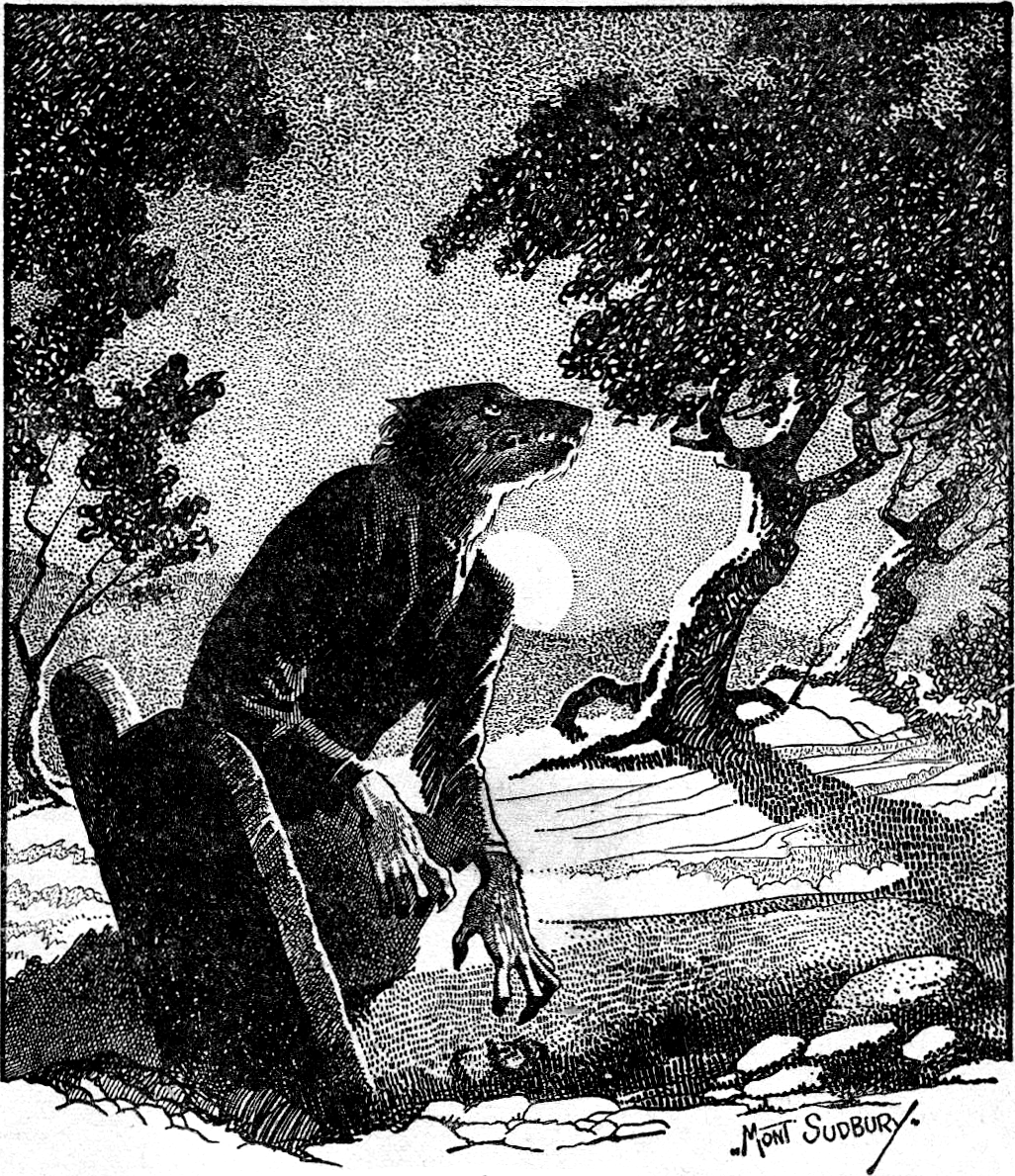 🇫🇷 France and 5 moreWerewolf
A mythical shapeshifter that turns into a wolf, central to European witch-hunts and Gothic horror.Being · Cursing and harm · Wonder and entertainment Legendary
🇫🇷 France and 5 moreWerewolf
A mythical shapeshifter that turns into a wolf, central to European witch-hunts and Gothic horror.Being · Cursing and harm · Wonder and entertainment Legendary
 🇪🇸 Spain and 5 moreSt John's Eve
A Christian vigil marked by bonfires and plant gathering on the summer solstice eveRite · Protection · Speaking with spirits and the dead Living
🇪🇸 Spain and 5 moreSt John's Eve
A Christian vigil marked by bonfires and plant gathering on the summer solstice eveRite · Protection · Speaking with spirits and the dead Living