Seventh son of a seventh son
from the numerical sequence of male births within a family lineage
A folklore belief that birth order grants supernatural healing or cursed powers
This is a widespread folk belief regarding special abilities granted to a male child born as the seventh in an unbroken line of sons. In many traditions, such individuals are believed to possess innate healing powers or dangerous curses like vampirism and lycanthropy.
- Requires unbroken male lineage with no sisters between births
- Associated with healing powers in Ireland and England
- Linked to werewolf curses in Latin American folklore
- Ciarallo legend involves snake charming in Italy
- Persisted in Irish healing traditions into the 20th century
What it is
The concept describes a specific birth condition where a male child is the seventh son of a father who was also the seventh son. This strict lineage requires no female siblings to interrupt the male line. Folklore holds that this position grants the individual unique supernatural traits. These traits vary by region but generally fall into two categories: beneficial healing abilities or dangerous curses.
Where it comes from
Its importance likely stems from ancient Mesopotamian mathematics, specifically the Sumerian sexagesimal system where dividing by seven creates repeating fractions. This mathematical oddity contributed to the number's sacred status long before the specific folklore about seventh sons emerged in European and later Latin American traditions.
How it is done
In Ireland and England, these individuals were often called upon for healing. In Lancashire, they were addressed as 'Doctor' due to their reputed cure-making skills. In Italy, a figure named Ciarallo used whistles and oils to charm snakes. To prevent curses in Latin America, parents might baptize the child in seven different churches or name him Benito with a specific godfather. No physical rituals are required for the powers to activate; they are considered inherent to the birth order.
Tools and materials
Healers relied on their own presence and reputation. Snake charmers used whistles and special oils applied to arms for protection. Prevention methods involved religious rites, specifically baptism in multiple churches. A specific black stone was said to be visible only to seventh sons born in February with a caul, allowing them to see underground depths, linking the belief to mining communities.
Seventh son of a seventh son, drawn and placed
- Living
- Revived
- Fading
- Historical
- Legendary
- Performed
- Lineage
- European and Latin American folklore
- Timing
- at birth and during snake encounters
What it is for
The primary purpose in European folklore was healing. Communities sought out these individuals to cure ailments, viewing them as natural physicians. In contrast, Latin American beliefs focused on harm prevention. Parents feared the child would become a werewolf or vampire, so they performed rituals to ward off these curses. The belief served both to identify potential healers and to manage fears surrounding abnormal birth outcomes.
Who does it
The practitioner is the seventh son himself, chosen by his birth circumstances rather than training. In Ireland, he acted as a folk healer known as part of the 'cure' tradition. Historical figures like James Murrell and Abram George were cited as examples. Some claimed the title despite lacking the full lineage, using it to establish authority as faith healers. The role carried social status, sometimes elevating the individual to local prominence.
Peoples and places
The belief is strongest in Ireland and parts of England, where it persisted into the twentieth century. In Italy, it appears in regional legends involving snake magic. Latin American countries like Argentina and Paraguay associate the birth order with lycanthropy, possibly influenced by Russian immigrant customs. Romania features the belief in connection to vampirism. The United States has records of the belief in mining regions and among Native American communities.
At a glance: who, where and when
Who does it
Belief worlds
Occasions
What people believe
The worldview assumes that birth order influences destiny and capability. Powers may be innate or granted by divine will. The number seven acts as a threshold for magical potency. In some views, even seventh sons not born to seventh sons possess abilities. Conversely, the same birth order can attract demonic or beastly curses if not properly managed through religious intervention or specific naming conventions.
When it is done
The belief is tied to the moment of birth. Specific conditions include being born in February or having a caul. Baptisms must occur immediately after birth to prevent curses. There are no annual festivals associated with the belief, though it remains relevant in discussions of Irish healing folklore and modern cultural references.
How scholars and sceptics see it
Anthropologists view the belief as part of broader folk medicine traditions. Historians note its persistence in rural areas well into the modern era. Skeptics point to alleged real-life examples, noting that many claimants lacked the strict lineage required, such as having sisters or missing brothers. Scholars analyze how the myth adapts to local contexts, from healing charms to werewolf lore.
Cautions and what is closed
The belief carries risks of exploitation. Individuals claiming the title may use it to gain trust and money as fake healers. In Latin America, the fear of the lobizón curse causes distress among families. There is no evidence of actual supernatural powers, and reliance on these beliefs can replace medical care. The legal custom in Argentina regarding godchildren is distinct from the folkloric curse.
Compare and confuse
The belief is related to general numerology and the sacredness of the number seven. It differs from standard witchcraft by focusing on birth lineage rather than learned spells. In Latin America, it parallels beliefs about seventh daughters becoming witches. The term 'Doctor' used in England compares to titles given to other folk healers. Modern fiction often reinterprets the concept as a source of generic magical power.
Questions people ask about Seventh son of a seventh son
What defines a seventh son of a seventh son?
He must be the seventh male child of a father who was also the seventh male child. No female siblings can be born between any of the male children in the sequence.
What powers are they believed to have?
Powers vary by region. They are often seen as natural healers in Europe. In Latin America, they may be cursed to become werewolves or vampires unless protected by specific rituals.
How do people prevent the negative curses?
Parents may baptize the child in seven different churches. Alternatively, they name the child Benito and choose the eldest brother as the godfather to ward off the werewolf fate.
Is this belief still active today?
It is largely historical. Beliefs in healing powers persisted in Ireland until the late twentieth century. Today, it survives mainly in folklore studies and popular culture references.
Good reading and sources
The facts on this page come from the Wikipedia article "Seventh son of a seventh son", written by its contributors and used under the CC BY-SA 4.0 licence, and from its Wikidata record (CC0). EveryJaadu rewrote the text in its own words, with AI assistance, and compares every page with the article to make sure no passage is copied. It may be reused under the same CC BY-SA 4.0 licence with a link back.
It may contain mistakes. Names and customs differ from one community to the next, and some knowledge is closed to outsiders and left out here. This page describes belief and practice. It does not say that any of it works, it is not a how-to, and it is not medical advice. If something is wrong, tell us. Last refreshed 2026-10-06.
More from Ireland
All the entries from Ireland 🇬🇧 United Kingdom and 2 moreKing ArthurBrenin Arthur
A legendary British king and folk hero of medieval literature and Welsh mythologyFigure · Power and authority · Wonder and entertainment Legendary
🇬🇧 United Kingdom and 2 moreKing ArthurBrenin Arthur
A legendary British king and folk hero of medieval literature and Welsh mythologyFigure · Power and authority · Wonder and entertainment Legendary
 🇮🇪 Ireland and 5 moreCairn
A human-made stack of stones used as a marker, memorial, or religious symbol across many cultures.Tradition · Protection · Speaking with spirits and the dead Living
🇮🇪 IrelandFetch
A spectral double of a living person, seen as an omen of death or long life.Being · Seeing and foretelling Historical
🇮🇪 Ireland and 5 moreCairn
A human-made stack of stones used as a marker, memorial, or religious symbol across many cultures.Tradition · Protection · Speaking with spirits and the dead Living
🇮🇪 IrelandFetch
A spectral double of a living person, seen as an omen of death or long life.Being · Seeing and foretelling Historical
 🇪🇸 Spain and 5 moreSt John's Eve
A Christian vigil marked by bonfires and plant gathering on the summer solstice eveRite · Protection · Speaking with spirits and the dead Living
🇪🇸 Spain and 5 moreSt John's Eve
A Christian vigil marked by bonfires and plant gathering on the summer solstice eveRite · Protection · Speaking with spirits and the dead Living
Related elsewhere
All belief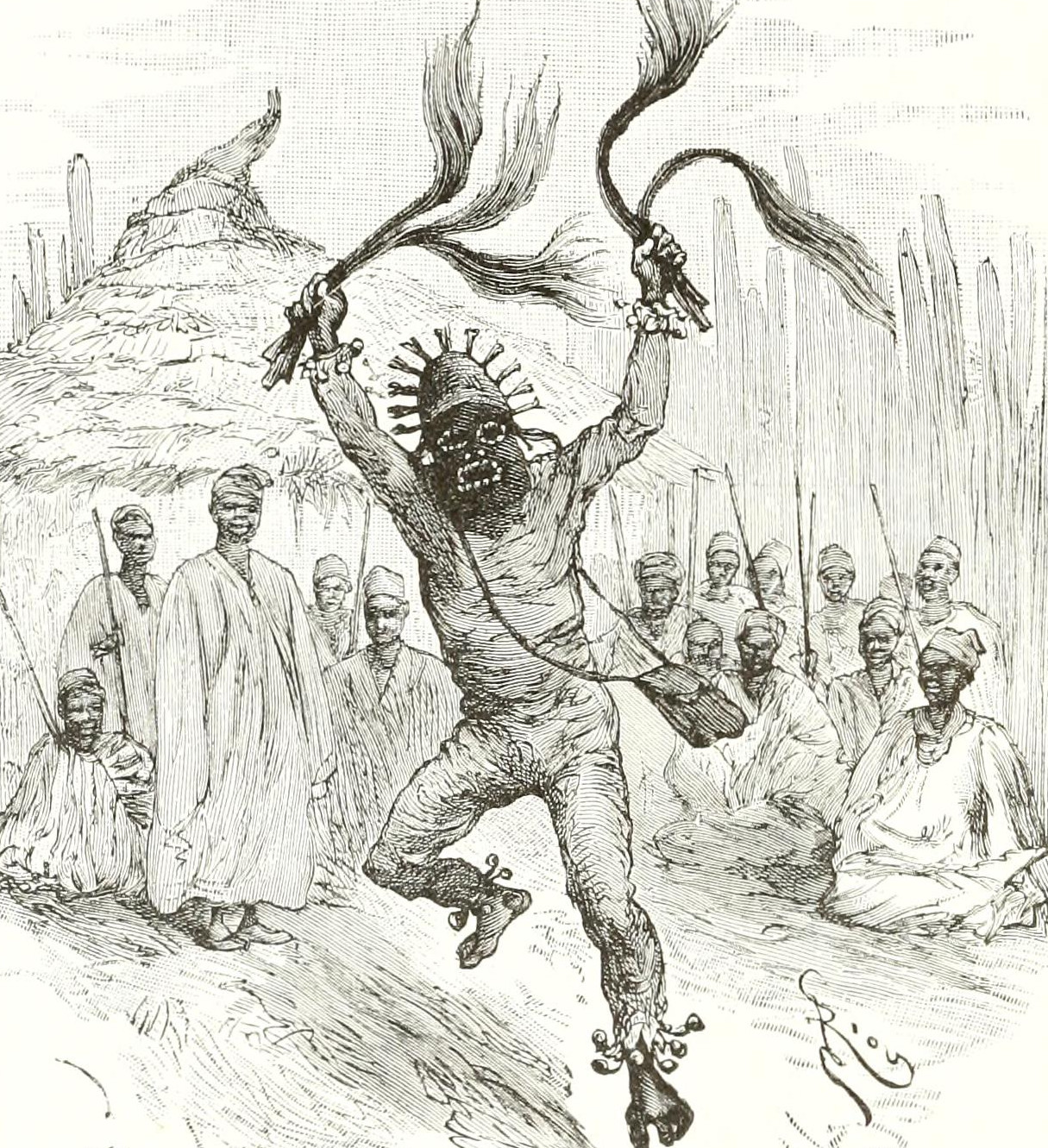 🇺🇸 United States and 2 moreLouisiana Voodoo
An African diasporic religion practiced in Louisiana from the 18th to early 20th centuriesTradition · Healing · Protection Historical
🇺🇸 United States and 2 moreLouisiana Voodoo
An African diasporic religion practiced in Louisiana from the 18th to early 20th centuriesTradition · Healing · Protection Historical
 🇨🇬 Republic of the CongoNkisi
Spirit containers and power figures from the Congo Basin used for justice and healingCharm · Protection · Healing Living
🇨🇬 Republic of the CongoNkisi
Spirit containers and power figures from the Congo Basin used for justice and healingCharm · Protection · Healing Living
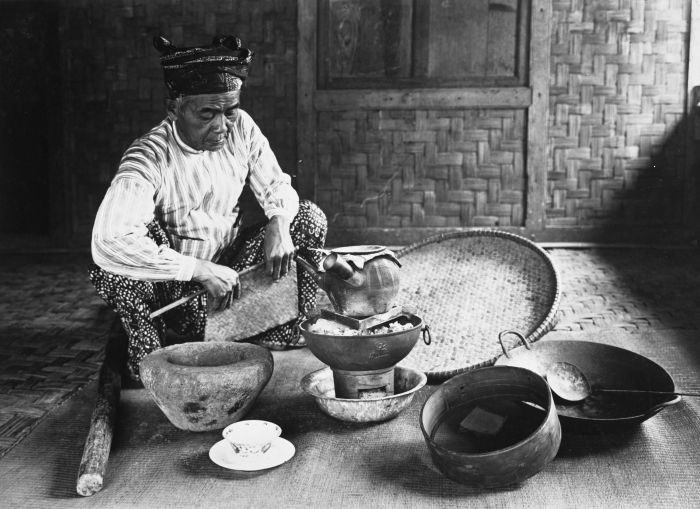 🇮🇩 Indonesia and 2 moreDukun
A traditional healer and spirit medium in Indonesian folk practiceTradition · Healing · Seeing and foretelling Living
🇲🇾 Malaysia and 1 moreBomohبوموه
A Malay shaman and traditional healer who works with spirits, herbs, and geomancy.Tradition · Healing · Seeing and foretelling Living
🇮🇩 Indonesia and 2 moreDukun
A traditional healer and spirit medium in Indonesian folk practiceTradition · Healing · Seeing and foretelling Living
🇲🇾 Malaysia and 1 moreBomohبوموه
A Malay shaman and traditional healer who works with spirits, herbs, and geomancy.Tradition · Healing · Seeing and foretelling Living