
The hodag is a legendary creature from United States folklore, specifically tied to Rhinelander, Wisconsin. It is described as a fearsome beast with bull horns and spines, though it originated as a nineteenth-century newspaper hoax by local pranksters.
- Created by Eugene Shepard in 1893 as a newspaper hoax
- Described as having a frog head and elephant face
- Live display used wires to move the creature
- Official mascot of Rhinelander High School
- Appeared in Scooby-Doo and Harry Potter universes
What it is
The hodag stands as a prominent figure in American folklore, characterized as a terrifying beast resembling a large carnivore. Descriptions typically include thick curved spines along the back, huge claws, and a head combining features of a frog and an elephant. This creature is deeply embedded in the regional identity of Rhinelander, Wisconsin, where it serves as a mascot and cultural symbol. While presented as a wild animal, its origins lie in storytelling and deception rather than zoology.
Where it comes from
The legend emerged in 1893 through newspapers reporting a discovery in Rhinelander. The story was orchestrated by Eugene Shepard, a timber cruiser and prankster, who gathered locals to capture the beast. Reports claimed dynamite was required to kill it. A photograph of charred remains was released to the public. Later accounts added that the creature was born from the ashes of abused oxen left unburnt for seven years, representing accumulated suffering.
How it is done
Shepard staged the capture of the hodag to entertain crowds and generate press coverage. In 1896, he claimed to have captured a live specimen using chloroform on a pole. He displayed this creature at the Oneida County fair and his home. Wires were attached to the prop, allowing him to move it suddenly to frighten viewers. The performance relied on misdirection and theatrical surprise to maintain the illusion of a living monster.
Tools and materials
The fabrication used physical props to simulate the creature. A charred model represented the dead hodag shown in photographs. The live display utilized a constructed figure connected to wires for movement. Chloroform was mentioned as the method to subdue the beast in stories. Dynamite was cited in early reports as necessary for killing the animal, adding to the dramatic tension of the capture narrative.
Hodag, drawn and placed
- Living
- Revived
- Fading
- Historical
- Legendary
- Performed
- Lineage
- American folklore
- Timing
- 1893, 1896
What it is for
The primary purpose of the hodag myth was entertainment and local publicity. Shepard used the creature to attract visitors to Rhinelander and boost attendance at local events. The story also served as a prank on the wider public and the scientific community. Over time, the hodag transitioned from a temporary joke into a permanent symbol of regional pride and tourism for the area.
Who does it
Eugene Shepard initiated the legend as a land surveyor and timber cruiser. He collaborated with Luke Sylvester Kerney, who expanded the mythology in a published book. These individuals acted as creators and promoters rather than traditional practitioners. Their role involved writing articles, staging captures, and managing public relations to sustain the interest in the fictional beast.
Peoples and places
The hodag is specific to the culture of Wisconsin and the United States. It is particularly associated with the logging communities and the city of Rhinelander. The legend has spread through popular culture, appearing in books, television shows like Scooby-Doo, and even in the Harry Potter universe. Different versions exist, such as Harold the Hodag in Oregon, which adapts the character for ski resort marketing.
At a glance: who, where and when
Who does it
Peoples
What people believe
Folklore holds that the hodag is a missing link between ancient creatures like the Icthyosaurus and the Mylodon. Some tales claim it was originally named Selblatkey after a visit to King Tut's tomb in Egypt. The creature is said to feed on white bulldogs, a detail that supposedly led to its extinction. These beliefs are part of the tall tale tradition, blending absurdity with pseudo-scientific explanations.
When it is done
The initial reports appeared in 1893, followed by the live capture claim in 1896. The legend continues annually through the Hodag Country Festival in Rhinelander. Local businesses and schools celebrate the creature year-round. The timing of the original hoax coincided with the era of sensationalist journalism, known as yellow journalism, which fueled rapid national attention.
How scholars and sceptics see it
The Smithsonian Institution announced plans to investigate the hodag in 1896, prompting Shepard to admit the hoax. Historians view the hodag as a classic example of American tall tales and media manipulation. Scholars note how the legend evolved from a local prank into a sustained cultural icon. The story illustrates how folklore can be deliberately constructed and then accepted as tradition over generations.
Cautions and what is closed
The hodag was a deliberate deception designed to trick the public and scientists. No actual dangerous animals were involved in the displays. The hoax ended when authorities and researchers threatened to inspect the creature. There are no health risks or legal dangers associated with the legend itself, though it demonstrates the power of media fabrication in shaping public perception.
Compare and confuse
The hodag belongs to the category of fearsome critters in North American folklore. It shares traits with other legendary beasts but is distinct in its specific origin as a manufactured hoax. Unlike organic folk myths, the hodag has known creators and a documented timeline of fabrication. It is often grouped with Paul Bunyan stories due to their shared logging camp origins and exaggerated nature.
Questions people ask about Hodag
What is the hodag?
The hodag is a legendary creature from American folklore, specifically associated with Rhinelander, Wisconsin. It is depicted as a fearsome beast with spines and bull horns, originating from a late nineteenth-century hoax.
Where did the hodag come from?
The legend began in Rhinelander, Wisconsin, in 1893. It was fabricated by Eugene Shepard, a local timber cruiser, who used newspapers to spread stories of a discovered monster to entertain crowds and promote the area.
Is the hodag a real animal?
No, the hodag is not a real animal. It was a prop created for a hoax. The 'live' hodag was moved with wires to frighten viewers, and the 'dead' hodag was a charred model. The Smithsonian investigation revealed the deception.
Why is the hodag important today?
The hodag is a symbol of local pride in Rhinelander. It serves as the mascot for the high school and appears in festivals and business logos. The legend has also entered popular culture through books, TV shows, and movies.
Good reading and sources
- Hodag on WikipediaEncyclopedia
- More photos on Wikimedia CommonsPhotos and video
- Wikidata recordOpen data
The facts on this page come from the Wikipedia article "Hodag", written by its contributors and used under the CC BY-SA 4.0 licence, and from its Wikidata record (CC0). EveryJaadu rewrote the text in its own words, with AI assistance, and compares every page with the article to make sure no passage is copied. It may be reused under the same CC BY-SA 4.0 licence with a link back.
It may contain mistakes. Names and customs differ from one community to the next, and some knowledge is closed to outsiders and left out here. This page describes belief and practice. It does not say that any of it works, it is not a how-to, and it is not medical advice. If something is wrong, tell us. Last refreshed 2026-10-06.
More from the United States
All the entries from the United States 🇺🇸 United States and 1 moreMarie Laveau
A New Orleans priestess and herbalist who led Louisiana Voodoo in the nineteenth centuryTradition · Healing · Protection Historical
🇺🇸 United States and 1 moreMarie Laveau
A New Orleans priestess and herbalist who led Louisiana Voodoo in the nineteenth centuryTradition · Healing · Protection Historical
 🇺🇸 United StatesCotton Mather
A Puritan minister and writer known for his role in the Salem witch trials and promotion of smallpox inoculationFigure Historical
🇺🇸 United StatesRed Ghost
A legendary red camel with a skeleton rider from Arizona frontier folkloreFigure · Wonder and entertainment Legendary
🇺🇸 United StatesCotton Mather
A Puritan minister and writer known for his role in the Salem witch trials and promotion of smallpox inoculationFigure Historical
🇺🇸 United StatesRed Ghost
A legendary red camel with a skeleton rider from Arizona frontier folkloreFigure · Wonder and entertainment Legendary
 🇺🇸 United States and 1 moreBigfoot
A large, hairy humanoid creature of North American folklore and cryptozoologyFigure · Wonder and entertainment Legendary
🇺🇸 United States and 1 moreBigfoot
A large, hairy humanoid creature of North American folklore and cryptozoologyFigure · Wonder and entertainment Legendary
Related elsewhere
All figure 🇬🇧 United Kingdom and 2 moreKing ArthurBrenin Arthur
A legendary British king and folk hero of medieval literature and Welsh mythologyFigure · Power and authority · Wonder and entertainment Legendary
🇬🇧 United Kingdom and 2 moreKing ArthurBrenin Arthur
A legendary British king and folk hero of medieval literature and Welsh mythologyFigure · Power and authority · Wonder and entertainment Legendary
 🇪🇬 Egypt and 1 moreSphinx
A mythical hybrid with a human head and lion body, serving as guardian or riddler in Egyptian and Greek traditions.Being · Protection · Wonder and entertainment Legendary
🇪🇬 Egypt and 1 moreSphinx
A mythical hybrid with a human head and lion body, serving as guardian or riddler in Egyptian and Greek traditions.Being · Protection · Wonder and entertainment Legendary
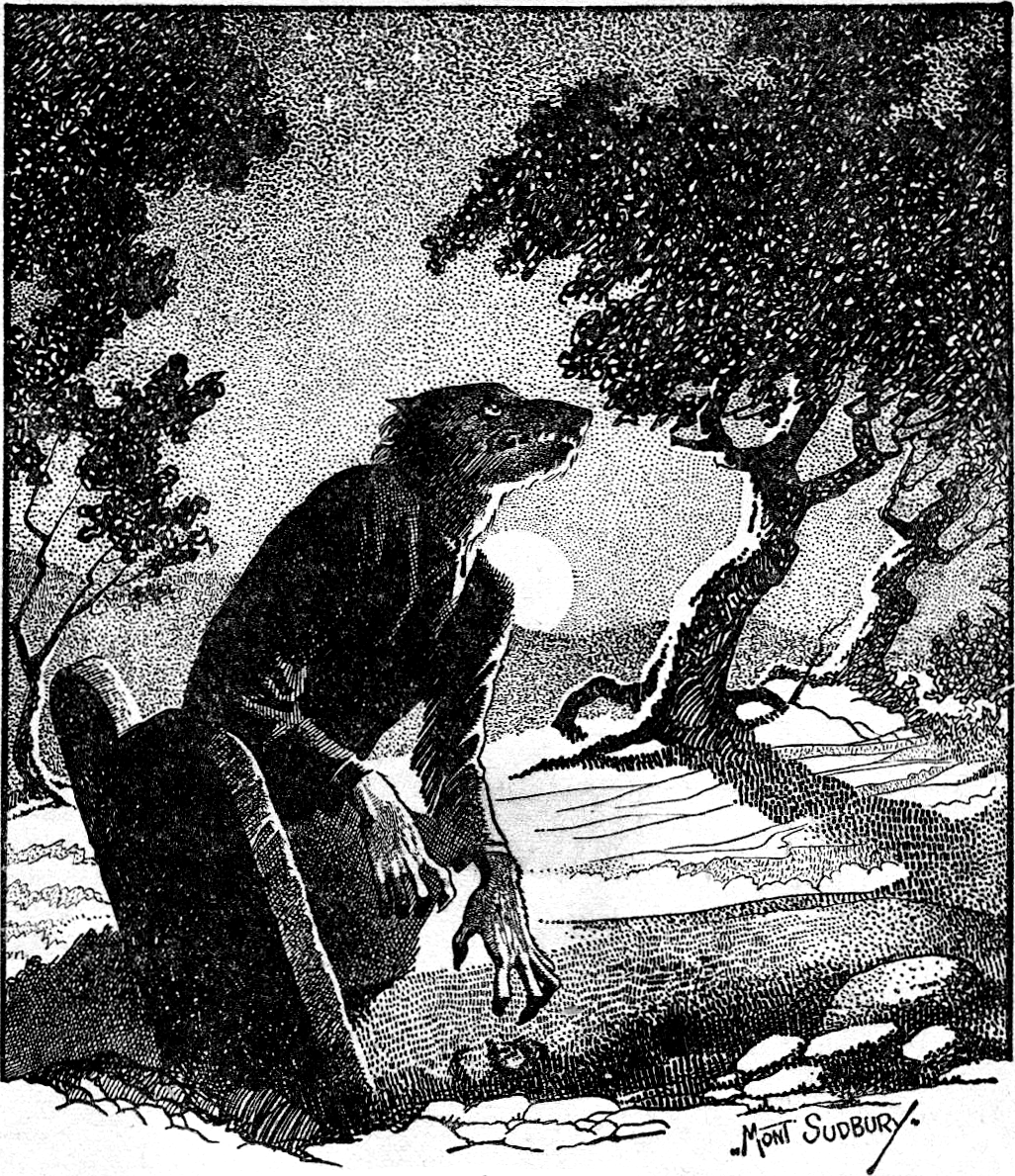 🇫🇷 France and 5 moreWerewolf
A mythical shapeshifter that turns into a wolf, central to European witch-hunts and Gothic horror.Being · Cursing and harm · Wonder and entertainment Legendary
🇫🇷 France and 5 moreWerewolf
A mythical shapeshifter that turns into a wolf, central to European witch-hunts and Gothic horror.Being · Cursing and harm · Wonder and entertainment Legendary
 🇬🇧 United KingdomBeltane Fire Festival
A modern Edinburgh performance celebrating the start of summer with fire and danceRite · Wonder and entertainment · Power and authority Living
🇬🇧 United KingdomBeltane Fire Festival
A modern Edinburgh performance celebrating the start of summer with fire and danceRite · Wonder and entertainment · Power and authority Living