
Howard Thurston was a prominent American stage magician known for his card tricks and large-scale illusions. He became the most famous performer of his era, leading a massive road show that required eight train cars to transport.
- Led the largest traveling magic show requiring eight train cars
- Famous for the Levitation of Princess Karnac illusion
- Billed himself as The King of Cards after fooling Leon Herrmann
- Died in Miami Beach in 1936 after suffering a stroke
- Featured in Dale Carnegie's How to Win Friends and Influence People
What it is
Howard Thurston was a celebrated stage magician from Columbus, Ohio. He gained fame for his skill with playing cards and his grand levitation illusions. His performances were designed to entertain audiences through visual wonder and sleight of hand. He is remembered as one of the greatest magicians of the early twentieth century, known for creating spectacular effects that captivated crowds across the United States and Europe.
Where it comes from
Thurston was born in 1869 or 1867 in Columbus, Ohio. As a child, he ran away to join a circus, where he encountered Harry Kellar. He later attended a performance by French magician Alexander Herrmann, which inspired him to pursue magic professionally. He studied at Mount Hermon School for Boys, where he met notable figures like Lee de Forest. His mother initially disapproved of his interest in sleight of hand, but he persisted in his training.
Tools and materials
His act featured standard playing cards and a transparent glass vessel for his rising card trick. The production itself required significant logistical support, utilizing eight train cars to move the set and performers. He also drew inspiration from published magic books, such as Professor Hoffman's Modern Magic, to develop his routines.
Howard Thurston, drawn and placed
- Living
- Revived
- Fading
- Historical
- Legendary
- Performed
What it is for
Thurston’s work was intended for entertainment and wonder. Audiences attended his shows to witness skilled deception and large-scale illusions. He billed himself as 'The King of Cards' after fooling Leon Herrmann, using this reputation to secure bookings in top vaudeville houses. His goal was to provide a spectacle that amazed viewers without revealing the mechanics behind the tricks.
Who does it
Thurston was a professional performer who trained through self-study and observation. He learned rudiments from magic manuals and refined his skills through practice. He began his career after impressing Leon Herrmann, which helped him gain entry into the vaudeville circuit. He worked alongside partners like Harry Kellar and continued performing until his health declined in the mid-1930s.
Peoples and places
He was primarily active in the United States, performing in major cities and touring internationally. His background was rooted in American culture, though he admired European magicians like Alexander Herrmann. His legacy includes influence on later performers and appearances in popular media, such as the television series The Magicians. He is also cited in Dale Carnegie’s book on social influence.
At a glance: who, where and when
Who does it
Peoples


How scholars and sceptics see it
Magic historian Jim Steinmeyer described Thurston’s version of the Levitation of Princess Karnac as a masterpiece suited to his lyrical baritone voice. Steinmeyer also wrote a biography detailing Thurston’s rivalry with Houdini and his status as a leading wizard of his time. Other scholars note his contributions to the art form through his publications and public demonstrations.
Compare and confuse
Thurston is often compared to contemporaries like Harry Houdini and Harry Kellar. He adopted and refined illusions created by others, such as the Levitation of Princess Karnac. His card magic distinguished him from peers who focused more on escape acts or mentalism. He is sometimes confused with fictional magical figures due to his poster’s appearance in modern fantasy media.
Today
Thurston’s legacy endures through historical records and biographies. His posters are held in library collections, and he appears in documentaries about the evolution of magic. A mausoleum in Columbus, Ohio, houses his remains and reopened to the public in 2021. His name is recognized among historians of stage illusion and sleight of hand.
Questions people ask about Howard Thurston
Who was Howard Thurston?
Howard Thurston was a famous American stage magician known for card tricks and large illusions. He lived from 1869 to 1936 and led the biggest traveling magic show of his era.
What was his most famous trick?
He was well known for the Levitation of Princess Karnac, a floating lady illusion. He also gained acclaim for his card magic, particularly making selected cards rise from a deck.
How did he start his career?
He was inspired by French magician Alexander Herrmann after attending a show. He practiced sleight of hand as a child and eventually impressed Leon Herrmann, which helped him book vaudeville spots.
Where was he from?
Thurston was born in Columbus, Ohio. He died in Miami Beach, Florida, and is entombed in a mausoleum in Columbus, Ohio.
Good reading and sources
- Howard Thurston on WikipediaEncyclopedia
- More photos on Wikimedia CommonsPhotos and video
- Wikidata recordOpen data
The facts on this page come from the Wikipedia article "Howard Thurston", written by its contributors and used under the CC BY-SA 4.0 licence, and from its Wikidata record (CC0). EveryJaadu rewrote the text in its own words, with AI assistance, and compares every page with the article to make sure no passage is copied. It may be reused under the same CC BY-SA 4.0 licence with a link back.
It may contain mistakes. Names and customs differ from one community to the next, and some knowledge is closed to outsiders and left out here. This page describes belief and practice. It does not say that any of it works, it is not a how-to, and it is not medical advice. If something is wrong, tell us. Last refreshed 2026-10-05.
More from the United States
All the entries from the United States 🇺🇸 United States and 2 moreDavenport brothers
A pair of American stage magicians who performed spirit cabinet illusions in the late nineteenth century.Illusion · Wonder and entertainment · Speaking with spirits and the dead Historical
🇺🇸 United States and 2 moreDavenport brothers
A pair of American stage magicians who performed spirit cabinet illusions in the late nineteenth century.Illusion · Wonder and entertainment · Speaking with spirits and the dead Historical
 🇺🇸 United States and 4 moreHarry Kellar
An American illusionist known for large-scale stage magic and mechanical tricks.Illusion · Wonder and entertainment Historical
🇺🇸 United States and 1 moreHorace Goldin
A stage magician known for his fast style and the sawing illusion.Illusion · Wonder and entertainment Historical
🇺🇸 United States and 4 moreHarry Kellar
An American illusionist known for large-scale stage magic and mechanical tricks.Illusion · Wonder and entertainment Historical
🇺🇸 United States and 1 moreHorace Goldin
A stage magician known for his fast style and the sawing illusion.Illusion · Wonder and entertainment Historical
 🇺🇸 United States and 1 moreChung Ling Soo程連蘇
An American stage magician who performed as a Chinese man and died during a bullet catch illusion.Illusion · Wonder and entertainment Historical
🇺🇸 United States and 1 moreChung Ling Soo程連蘇
An American stage magician who performed as a Chinese man and died during a bullet catch illusion.Illusion · Wonder and entertainment Historical
Related elsewhere
All illusion 🇬🇧 United Kingdom and 2 moreKing ArthurBrenin Arthur
A legendary British king and folk hero of medieval literature and Welsh mythologyFigure · Power and authority · Wonder and entertainment Legendary
🇬🇧 United Kingdom and 2 moreKing ArthurBrenin Arthur
A legendary British king and folk hero of medieval literature and Welsh mythologyFigure · Power and authority · Wonder and entertainment Legendary
 🇪🇬 Egypt and 1 moreSphinx
A mythical hybrid with a human head and lion body, serving as guardian or riddler in Egyptian and Greek traditions.Being · Protection · Wonder and entertainment Legendary
🇪🇬 Egypt and 1 moreSphinx
A mythical hybrid with a human head and lion body, serving as guardian or riddler in Egyptian and Greek traditions.Being · Protection · Wonder and entertainment Legendary
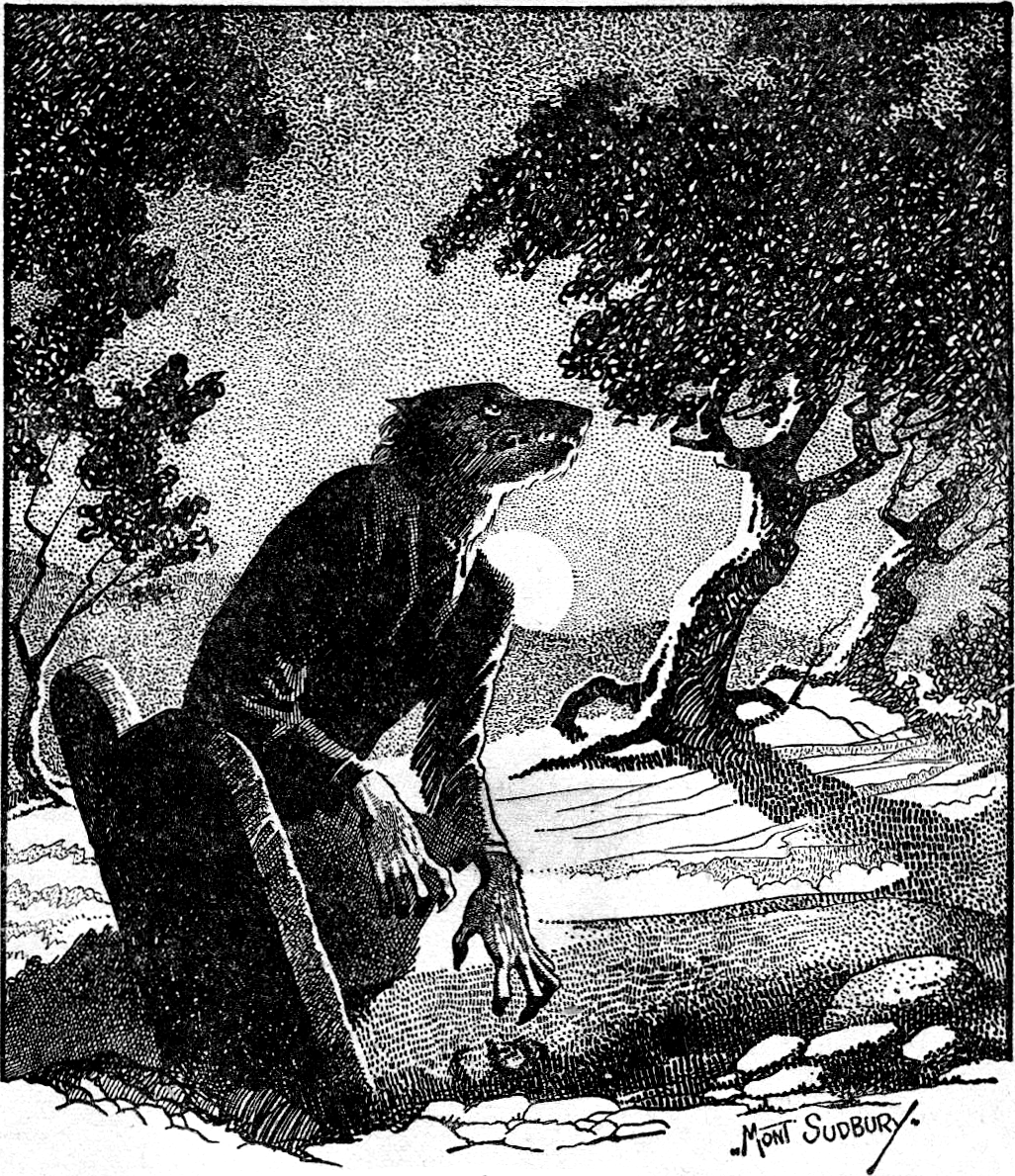 🇫🇷 France and 5 moreWerewolf
A mythical shapeshifter that turns into a wolf, central to European witch-hunts and Gothic horror.Being · Cursing and harm · Wonder and entertainment Legendary
🇫🇷 France and 5 moreWerewolf
A mythical shapeshifter that turns into a wolf, central to European witch-hunts and Gothic horror.Being · Cursing and harm · Wonder and entertainment Legendary
 🇬🇧 United Kingdom and 1 moreBlue men of the Minchna fir ghorma
Mythical blue-skinned spirits of the Scottish strait who challenge sailors to poetry contestsBeing · Cursing and harm · Wonder and entertainment Legendary
🇬🇧 United Kingdom and 1 moreBlue men of the Minchna fir ghorma
Mythical blue-skinned spirits of the Scottish strait who challenge sailors to poetry contestsBeing · Cursing and harm · Wonder and entertainment Legendary