
Fox sisters
Three sisters from New York who launched the Spiritualism movement with spirit rapping séances
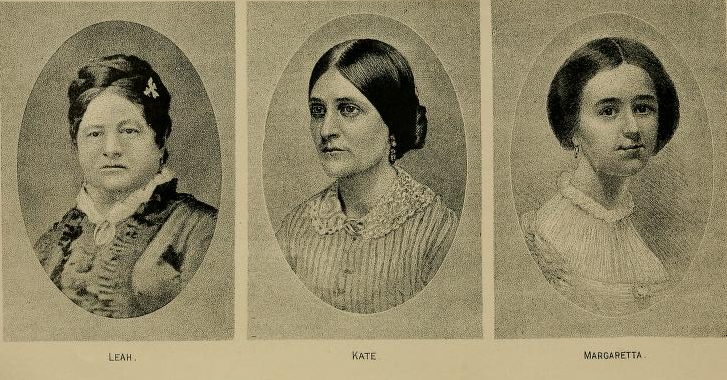
The Fox sisters were three siblings from Rochester, New York, who played a central role in creating Spiritualism. The two younger sisters reported hearing mysterious knocks that they claimed were coded signals from spirits.
- Started in Hydesville, New York in 1848
- Claims involved coded spirit rappings
- Admitted to faking sounds in 1888
- Retracted confession due to pressure
- Died in poverty and obscurity
What it is
The Fox sisters were three siblings from upstate New York who became famous mediums for the Spiritualist movement. They claimed to communicate with the dead through a series of loud knocking sounds known as 'rappings.' These noises were presented as a coded language used by spirits to answer questions from sitters. The practice began in their family home and quickly spread to public venues, drawing large crowds and notable supporters.
Where it comes from
The phenomenon started in 1848 in Hydesville, New York, where the two youngest sisters lived with their parents. Their home was rumored to be haunted, a claim later attributed to a prank involving bones found in the cellar. The girls produced the initial raps to prove the presence of spirits. Their older sister Leah managed their early career, helping them move to Rochester to perform for wider audiences.
How it is done
The sisters performed séances where they would produce sharp knocking sounds. They claimed these noises came from spirits but later admitted they were made by cracking their own toe joints and using other body movements. The sounds were often heard throughout large halls during public demonstrations. Investigators noted that the noises could be easily replicated by simple physical actions.
Tools and materials
The primary tool was the human body, specifically the toes and joints, used to create percussive sounds. No special instruments or objects were required to generate the rappings. Later, remains found in the family home included chicken bones, which were likely used to support the haunting narrative.
Fox sisters, drawn and placed
- Living
- Revived
- Fading
- Historical
- Legendary
- Performed
- Lineage
- Spiritualism
What it is for
Sitters sought answers about personal matters, such as love affairs or financial stocks. The sisters provided a way to connect with deceased relatives or spirits. The practice appealed to those interested in radical political causes like abolition and women's rights, linking spiritual communication with social reform.
Who does it
The sisters themselves acted as mediums, channeling the voices of spirits. Margaretta and Catherine performed the rappings while Leah managed their business affairs. They attracted attention from prominent figures and politicians who attended their private and public séances. Their status as mediums declined sharply after accusations of fraud emerged.
Peoples and places
The sisters were part of the American Spiritualist movement, which gained traction in the mid-nineteenth century. Their work influenced radical Quaker circles and broader society. The movement spread beyond New York, attracting followers across the United States and into Europe. The sisters' reputation varied among different groups, with some viewing them as genuine channels and others as deceivers.
At a glance: who, where and when


What people believe
Spiritualists believed the rappings were genuine communications from the spirit world. Critics argued the sounds were manufactured tricks. The debate centered on whether the phenomena were supernatural or fraudulent. Some investigators concluded the noises were physical acts, while others remained convinced of their authenticity despite evidence to the contrary.
How scholars and sceptics see it
Critics and scientists questioned the validity of the rappings from the start. Physicians and university investigators suggested the sounds came from joint cracking. Magicians and skeptics demonstrated how the effects could be faked. The sisters' eventual confession and subsequent retraction fueled skepticism. Researchers viewed the case as a significant example of mass delusion and fraud in religious history.
Cautions and what is closed
The sisters faced severe reputational damage and poverty after admitting to fraud. They were ostracized by the Spiritualist community and struggled financially. Their lives ended in destitution, highlighting the risks associated with public deception. The case serves as a cautionary tale about the intersection of belief, commerce, and credibility.
Compare and confuse
The Fox sisters are often compared to other nineteenth-century mediums accused of similar practices. Their method of producing sounds differs from table-tipping or automatic writing. The controversy surrounding their work parallels debates about other spiritualist phenomena of the era. Skeptics often cite their case when discussing the nature of paranormal claims.
Today
The legacy of the Fox sisters persists in the study of Spiritualism and the history of fraud. Their story is frequently referenced in discussions about mediumship and deception. Museums and historical records preserve artifacts related to their lives. The case remains a key example in understanding the development of American religious movements.
Rites that involve Fox sisters
Questions people ask about Fox sisters
Who were the Fox sisters?
They were three sisters from New York who became famous mediums for the Spiritualist movement in the nineteenth century.
What were the spirit rappings?
Loud knocking sounds the sisters claimed were coded messages from spirits, later admitted to be made by cracking their own joints.
Did the sisters admit to fraud?
Yes, Margaretta publicly confessed to faking the rappings in 1888, though she later retracted this statement under pressure.
Where did the phenomenon begin?
It started in 1848 in the family home in Hydesville, New York, where the girls first produced the mysterious knocking sounds.
Good reading and sources
- Fox sisters on WikipediaEncyclopedia
- More photos on Wikimedia CommonsPhotos and video
- Wikidata recordOpen data
The facts on this page come from the Wikipedia article "Fox sisters", written by its contributors and used under the CC BY-SA 4.0 licence, and from its Wikidata record (CC0). EveryJaadu rewrote the text in its own words, with AI assistance, and compares every page with the article to make sure no passage is copied. It may be reused under the same CC BY-SA 4.0 licence with a link back.
It may contain mistakes. Names and customs differ from one community to the next, and some knowledge is closed to outsiders and left out here. This page describes belief and practice. It does not say that any of it works, it is not a how-to, and it is not medical advice. If something is wrong, tell us. Last refreshed 2026-10-05.
More from the United States
All the entries from the United States 🇺🇸 United States and 1 moreMedicine wheel
Circular stone formations built by Indigenous peoples of North America for ceremony and astronomy.Tradition · Speaking with spirits and the dead · Power and authority Living
🇺🇸 United States and 1 moreMedicine wheel
Circular stone formations built by Indigenous peoples of North America for ceremony and astronomy.Tradition · Speaking with spirits and the dead · Power and authority Living
 🇺🇸 United States and 2 moreLouisiana Voodoo
An African diasporic religion practiced in Louisiana from the 18th to early 20th centuriesTradition · Healing · Protection Historical
🇺🇸 United States and 2 moreLouisiana Voodoo
An African diasporic religion practiced in Louisiana from the 18th to early 20th centuriesTradition · Healing · Protection Historical
 🇺🇸 United StatesFolk healer
An unlicensed community member who provides healing care using local plants and traditional knowledge.Tradition · Healing · Protection Historical
🇺🇸 United StatesFolk healer
An unlicensed community member who provides healing care using local plants and traditional knowledge.Tradition · Healing · Protection Historical
 🇺🇸 United States and 1 moreGroundhog DayGrund'sau dåk
A North American custom using a burrowing rodent to forecast the end of winterTradition · Seeing and foretelling · Luck and prosperity Living
🇺🇸 United States and 1 moreGroundhog DayGrund'sau dåk
A North American custom using a burrowing rodent to forecast the end of winterTradition · Seeing and foretelling · Luck and prosperity Living
Related elsewhere
All tradition 🇮🇳 IndiaChakraचक्र
Meditation points in the subtle body used in Hindu and Buddhist yogaTradition · Speaking with spirits and the dead · Change and initiation Living
🇮🇳 IndiaChakraचक्र
Meditation points in the subtle body used in Hindu and Buddhist yogaTradition · Speaking with spirits and the dead · Change and initiation Living
 🇪🇸 Spain and 5 moreSt John's Eve
A Christian vigil marked by bonfires and plant gathering on the summer solstice eveRite · Protection · Speaking with spirits and the dead Living
🇪🇸 Spain and 5 moreSt John's Eve
A Christian vigil marked by bonfires and plant gathering on the summer solstice eveRite · Protection · Speaking with spirits and the dead Living
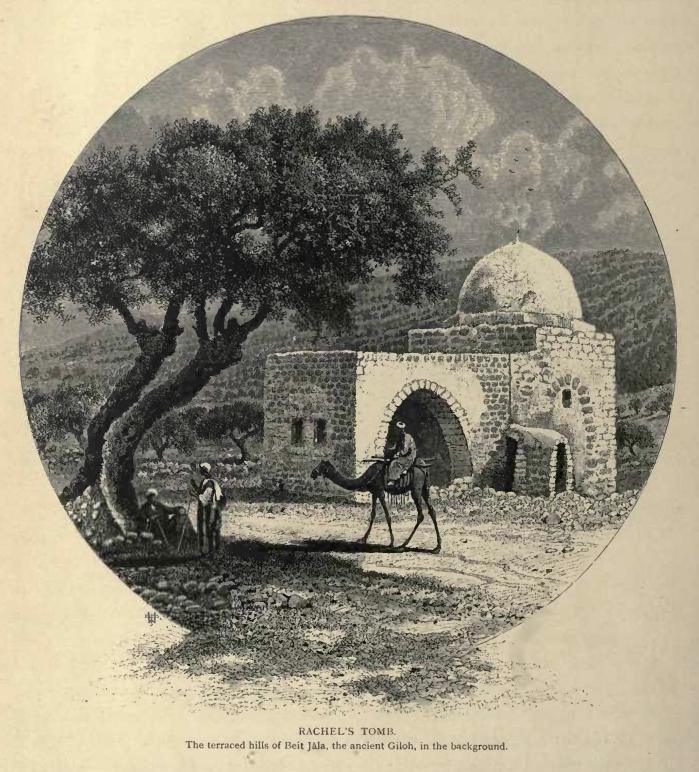 🇵🇸 Palestine and 1 moreRachel's TombQever Raḥel; Qabr Rāḥīl
A shared holy site near Bethlehem revered by Jews, Christians, and MuslimsTradition · Speaking with spirits and the dead · Protection Living
🇵🇸 Palestine and 1 moreRachel's TombQever Raḥel; Qabr Rāḥīl
A shared holy site near Bethlehem revered by Jews, Christians, and MuslimsTradition · Speaking with spirits and the dead · Protection Living
 🇳🇬 NigeriaOrunmilaỌ̀rúnmìlà
Yoruba deity of wisdom and the creator of the Ifá divination systemBeing · Seeing and foretelling · Speaking with spirits and the dead Living
🇳🇬 NigeriaOrunmilaỌ̀rúnmìlà
Yoruba deity of wisdom and the creator of the Ifá divination systemBeing · Seeing and foretelling · Speaking with spirits and the dead Living