The Long Lost Friend
In its own language: Der lange verborgene Freund
A Pennsylvania German grimoire of folk remedies and magical charms published in 1820.
The Long Lost Friend is a collection of folk remedies and magical charms written by Johann Georg Hohman. First published in Pennsylvania Dutch in 1820, it became the standard text for powwowers, practitioners of traditional folk magic in the United States.
- Published in German in 1820 by Johann Georg Hohman.
- Served as the standard text for Pennsylvania German powwowers.
- Translated into English in Harrisburg (1850) and Carlisle (1863).
- Influenced folk magic in Appalachia and the Ozarks.
- Usage declined after the 1929 York Witch Trial.
What it is
The Long Lost Friend is a printed book that serves as a core text for Pennsylvania German folk magic. It contains spells, prayers, and instructions for healing and protection. The work was compiled by Johann Georg Hohman, a practitioner known as a powwower. Powwowers are traditional healers who use ritual words and gestures to treat ailments. This book standardized many of those practices for the community.
Where it comes from
Johann Georg Hohman arrived in Philadelphia in 1802 from Germany. He published the original German edition, Der lange verborgene Freund, in 1820. Hohman wrote several other works before vanishing from historical records after 1846. Scholars describe him as an elusive figure who left little personal documentation behind.
How it is done
Practitioners follow specific physical actions combined with spoken words. A common method involves placing a thumb joint on a specific part of the body, such as the pit of the stomach. The healer then recites a set phrase or prayer. These rituals often incorporate verses from the Bible alongside traditional folk formulas.
Tools and materials
The primary tools are the text itself and the human voice. Practitioners rely on Bible verses and sometimes reference other magical texts like Egyptian Secrets. The body serves as a tool, with specific fingers placed on affected areas during the recitation of charms.
The Long Lost Friend, drawn and placed
- Living
- Revived
- Fading
- Historical
- Legendary
- Performed
- Lineage
- Pennsylvania German folk magic
- Timing
- during illness or crisis
What it is for
The book is used to treat physical and emotional illnesses. It addresses conditions like hysteria and womb diseases through ritualized healing. It also offers protection and general well-being for the household. Users seek relief from suffering through these established magical procedures.
Who does it
The intended users were powwowers, who acted as both healers and spiritual guides. These individuals learned their craft through oral tradition and later through this printed manual. The role required knowledge of specific chants and the ability to perform them correctly.
Peoples and places
The text is central to the Pennsylvania German community in the United States. Its influence spread to regions like Appalachia and the Ozarks by the early twentieth century. It provided a shared language of magic for German-speaking settlers in America.
At a glance: who, where and when
Who does it
Peoples
Belief worlds
Occasions
What people believe
Users believe that words have power to affect physical reality. The combination of Christian scripture and folk incantation reflects a syncretic worldview. Healing is seen as a process where spiritual authority restores bodily order.
When it is done
Rituals are performed when illness strikes or when a specific problem arises. There are no fixed calendar dates for using the book. The timing depends entirely on the needs of the person seeking help.
How scholars and sceptics see it
Scholar Don Yoder identified the book as a standard corpus of magical charms for Pennsylvania Germans. Researchers note its role in preserving folk traditions. Some scholars speculate that declining literacy in folk magic resulted from social pressure against superstition.
Cautions and what is closed
The decline in usage is linked to the 1929 York Witch Trial. This event led to calls for eradicating superstition through scientific education. Traditional practices faced stigma and legal scrutiny during this period.
Compare and confuse
The book is often compared to other folk magic manuals like the Sixth and Seventh Books of Moses. While those texts focus more on conjuring spirits, this work emphasizes practical healing and daily life protection.
Law and persecution
Social attitudes shifted against folk magic in the twentieth century. The York Witch Trial marked a turning point where local authorities targeted traditional healers. This legal pressure contributed to the loss of written practice among newer generations.
Questions people ask about The Long Lost Friend
What is The Long Lost Friend?
It is a 1820 grimoire by Johann Georg Hohman containing folk remedies and charms for the Pennsylvania German community.
Who uses this book?
It is used by powwowers, traditional healers who perform rituals combining Bible verses and folk incantations to treat illness.
Where did it originate?
It originated in the United States among Pennsylvania German settlers, first published in German in 1820.
Why is it important?
It standardized magical practices for the community and influenced folk healing traditions in regions like Appalachia.
Good reading and sources
The facts on this page come from the Wikipedia article "Long Hidden Friend", written by its contributors and used under the CC BY-SA 4.0 licence, and from its Wikidata record (CC0). EveryJaadu rewrote the text in its own words, with AI assistance, and compares every page with the article to make sure no passage is copied. It may be reused under the same CC BY-SA 4.0 licence with a link back.
It may contain mistakes. Names and customs differ from one community to the next, and some knowledge is closed to outsiders and left out here. This page describes belief and practice. It does not say that any of it works, it is not a how-to, and it is not medical advice. If something is wrong, tell us. Last refreshed 2026-10-06.
More from the United States
All the entries from the United States 🇺🇸 United StatesThe Kybalion
A 1908 book presenting seven principles of mental philosophy as ancient Hermetic wisdomText · Power and authority Historical
🇺🇸 United StatesDreaming the Dark
A 1982 book by Starhawk linking magic, sex, and politicsText · Power and authority Historical
🇺🇸 United States and 1 moreThe Teachings of Don Juan
A 1968 book presenting an apprenticeship with a Mexican sorcerer as anthropological fieldwork.Text · Speaking with spirits and the dead · Change and initiation Historical
🇺🇸 United StatesThe Kybalion
A 1908 book presenting seven principles of mental philosophy as ancient Hermetic wisdomText · Power and authority Historical
🇺🇸 United StatesDreaming the Dark
A 1982 book by Starhawk linking magic, sex, and politicsText · Power and authority Historical
🇺🇸 United States and 1 moreThe Teachings of Don Juan
A 1968 book presenting an apprenticeship with a Mexican sorcerer as anthropological fieldwork.Text · Speaking with spirits and the dead · Change and initiation Historical
 🇺🇸 United StatesSalem Witch Trials
A colonial legal crisis where over two hundred people faced accusations of sorcery in Massachusetts.Belief · Cursing and harm Historical
🇺🇸 United StatesSalem Witch Trials
A colonial legal crisis where over two hundred people faced accusations of sorcery in Massachusetts.Belief · Cursing and harm Historical
Related elsewhere
All text 🇸🇳 Senegal and 1 moreSerer religionA ƭat Roog
The traditional faith of the Serer people, centred on the supreme deity Roog and ancestral veneration.Tradition · Protection · Speaking with spirits and the dead Living
🇸🇳 Senegal and 1 moreSerer religionA ƭat Roog
The traditional faith of the Serer people, centred on the supreme deity Roog and ancestral veneration.Tradition · Protection · Speaking with spirits and the dead Living
 🇰🇪 Kenya and 1 moreMaasai religion
The spiritual beliefs of the semi-nomadic Maasai people of East AfricaTradition · Protection · Healing Living
🇰🇪 Kenya and 1 moreMaasai religion
The spiritual beliefs of the semi-nomadic Maasai people of East AfricaTradition · Protection · Healing Living
 🇨🇳 China and 5 moreGuanyin觀音 (Guānyīn)
The Bodhisattva of compassion, worshipped across East Asia as a listener to human sufferingBeing · Protection · Healing Living
🇨🇳 China and 5 moreGuanyin觀音 (Guānyīn)
The Bodhisattva of compassion, worshipped across East Asia as a listener to human sufferingBeing · Protection · Healing Living
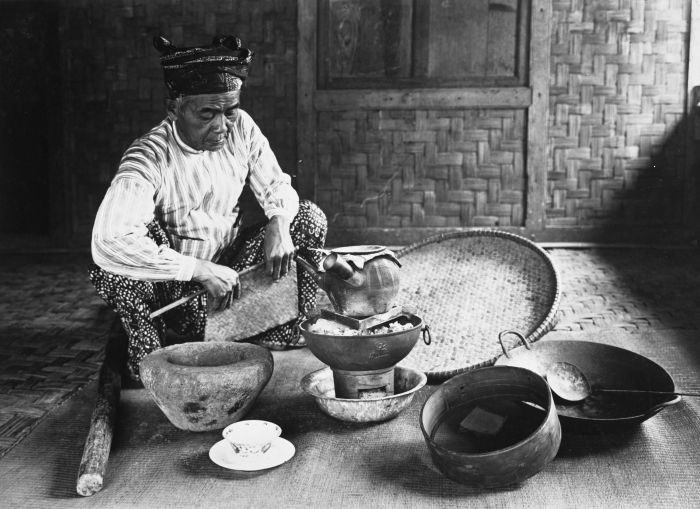 🇮🇩 Indonesia and 2 moreDukun
A traditional healer and spirit medium in Indonesian folk practiceTradition · Healing · Seeing and foretelling Living
🇮🇩 Indonesia and 2 moreDukun
A traditional healer and spirit medium in Indonesian folk practiceTradition · Healing · Seeing and foretelling Living