Born Hyman Elias Goldstein in Vilnius, he became a celebrated American performer. He gained fame for rapid tricks and popularizing the sawing a woman in half effect.
- Born Hyman Elias Goldstein in Vilnius, Lithuania, in 1873 or 1874.
- Developed a rapid-fire performance style known as The Whirlwind Illusionist.
- Refined the sawing a woman in half illusion, keeping assistant's extremities visible.
- Patented his sawing method in 1923, leading to extensive legal battles.
- Died in London in 1939 after performing the bullet catch illusion successfully.
What it is
Horace Goldin was a prominent stage magician who built an international reputation on speed and spectacle. Born in Lithuania to a Polish Jewish family, he moved to the United States as a teenager. Despite a speech impediment, he developed a unique performance style characterized by rapid-fire trickery without dialogue. He is best remembered for his contributions to the sawing a woman in half illusion, which he refined and promoted aggressively. His career spanned vaudeville stages in America and Europe, where he entertained royalty and presidents alike. He combined comedy with sleight of hand, earning nicknames like The Whirlwind Illusionist.
Where it comes from
Goldin was born Hyman Elias Goldstein in Vilnius, then part of Russia, now Lithuania. Sources vary on his birth year, citing either 1873 or 1874. A childhood accident caused a speech impediment, which he overcame through performance. He reportedly learned early tricks from a gypsy performer before emigrating to Nashville, Tennessee, at age sixteen. There, he worked as a salesman while studying magic. His professional start came under Adolph Veidt, a touring showman who suggested the stage name Horace Goldin. Goldin initially performed as The Humorous Conjurer but switched to a faster, silent style after poor reviews, inspired by German magician Imro Fox.
Tools and materials
His performances utilized standard magical apparatus enhanced for dramatic effect. Key tools included boxes designed to hide assistants while maintaining visibility of extremities. In later iterations, he employed a giant buzzsaw blade to simulate cutting through a human body. To support his marketing, he used ambulances and medical personnel props to imply real physical peril. These elements were central to his brand, distinguishing his acts from slower, more traditional magic shows of the era.
Horace Goldin, drawn and placed
- Living
- Revived
- Fading
- Historical
- Legendary
- Performed
- Lineage
- Vaudeville magic
What it is for
Goldin’s work aimed to entertain and astonish audiences through wonder and suspense. He sought to create a sense of genuine danger to heighten the emotional impact of his illusions. By patenting his methods and suing competitors, he aimed to protect his intellectual property and maintain market dominance. His legal battles were partly motivated by publicity, using courts to silence rivals and reinforce his status as the originator of key effects. This strategy helped him secure exclusive rights to perform certain illusions for extended periods.
Who does it
Goldin trained under Adolph Veidt, a seasoned touring performer who shaped his early career. He adapted his style to overcome a speech impediment, relying on visual speed rather than verbal patter. As a solo artist, he hired assistants and managed his own promotions. His success led to partnerships with major theater chains like Keith, which expanded his reach across the United States. He also collaborated with former rivals, such as Servais Le Roy, demonstrating a pragmatic approach to business. His training emphasized precision and timing to execute complex illusions safely.
Peoples and places
Goldin’s career bridged Eastern European origins and American vaudeville culture. Born in Vilnius, he represented the wave of Jewish immigrants who found success in entertainment. His acts appealed to broad audiences in the United States, Britain, and parts of Asia. In London, he performed for King Edward VII multiple times, earning the title Royal Illusionist. His tours extended to the Far East, though a shipwreck in Hawaii nearly ended his career. Despite these travels, his core identity remained rooted in American showmanship, blending immigrant resilience with theatrical innovation.
At a glance: who, where and when
Who does it
Peoples
What people believe
Goldin’s magic operated within the framework of stage illusion, where audiences understood tricks were deceptive. No supernatural beliefs were attached to his performances; they were purely entertainment. However, his promotional stunts created a perception of real risk, playing on public fascination with danger. The sawing illusion tapped into cultural anxieties about violence and bodily integrity, offering a controlled release of tension. Audiences accepted the deception as part of the art form, valuing the skill and presentation over literal truth.
When it is done
Goldin performed year-round, adapting to seasonal tours and theater schedules. His peak activity occurred between the 1900s and 1930s, coinciding with the height of vaudeville. Major appearances included royal engagements in Britain and presidential shows in the United States. His career concluded abruptly in 1939 after a performance in London. Unlike ritual magic tied to specific dates, his schedule was driven by commercial bookings and tour logistics, reflecting the demands of professional entertainment.
How scholars and sceptics see it
Historians view Goldin as a pivotal figure in the commercialization of stage magic. His aggressive use of patents and lawsuits illustrates the intersection of art and intellectual property in early twentieth-century entertainment. Scholars note his role in transforming the sawing illusion from a novelty into a mainstream spectacle. His legal victories set precedents for protecting magical inventions, though some cases were dismissed due to lack of originality proof. Researchers also examine his promotional strategies as early examples of media manipulation in live performance.
Cautions and what is closed
Goldin’s career involved significant legal risks and financial strain from litigation. His patent disclosures inadvertently revealed method secrets, leading to conflicts with advertisers who exposed his illusions. One lawsuit against a tobacco company failed, highlighting the limits of legal protection for stage tricks. Additionally, his reliance on perceived danger posed safety concerns for assistants, though no injuries were recorded during his performances. His bankruptcy following a shipwreck underscores the financial vulnerabilities inherent in touring magic.
Compare and confuse
Goldin’s sawing illusion differed from P.T. Selbit’s earlier version by maintaining visibility of the assistant’s extremities. While Selbit obscured the entire body, Goldin’s design allowed viewers to see the head and limbs, enhancing the illusion’s credibility. Other magicians attempted similar effects, but Goldin’s branding and legal enforcement made his version synonymous with the trick. His rapid-fire style contrasted with slower, narrative-driven performers of the era, emphasizing visual impact over storytelling.
Law and persecution
Goldin actively used patents and lawsuits to control the performance of his illusions. He secured U.S. patent number 1,458,575 for his sawing method, granting him exclusive rights for seventeen years. This legal tool allowed him to sue competitors and enforce monopolies on his acts. However, patent requirements forced him to disclose secret mechanisms, weakening his competitive edge. Courts occasionally ruled against him, as in the Clarion Photoplays case, where judges questioned his originality. His legal battles shaped the industry’s approach to intellectual property in magic.
Questions people ask about Horace Goldin
Who was Horace Goldin?
He was a stage magician born in Lithuania who became famous in the United States for his fast performance style and the sawing a woman in half illusion.
Did he invent the sawing illusion?
No, P.T. Selbit first popularized it in 1921. Goldin created an improved version months later, which kept the assistant's head and limbs visible.
How did he promote his shows?
He used ambulances and actors dressed as medics outside theaters to suggest real danger, heightening audience excitement and suspense.
What happened to his money?
He lost much of it in a 1918 shipwreck in Hawaii that sank his equipment and cash. He later spent heavily on lawsuits to protect his patents.
Where did he die?
He died in London, England, in 1939 after a performance at the Wood Green Empire Theatre, twenty-one years after Chung Ling Soo's fatal accident there.
Good reading and sources
The facts on this page come from the Wikipedia article "Horace Goldin", written by its contributors and used under the CC BY-SA 4.0 licence, and from its Wikidata record (CC0). EveryJaadu rewrote the text in its own words, with AI assistance, and compares every page with the article to make sure no passage is copied. It may be reused under the same CC BY-SA 4.0 licence with a link back.
It may contain mistakes. Names and customs differ from one community to the next, and some knowledge is closed to outsiders and left out here. This page describes belief and practice. It does not say that any of it works, it is not a how-to, and it is not medical advice. If something is wrong, tell us. Last refreshed 2026-10-05.
More from the United States
All the entries from the United States 🇺🇸 United StatesHoward Thurston
A stage magician who built the largest traveling magic show in historyIllusion · Wonder and entertainment Historical
🇺🇸 United StatesHoward Thurston
A stage magician who built the largest traveling magic show in historyIllusion · Wonder and entertainment Historical
 🇺🇸 United States and 1 moreChung Ling Soo程連蘇
An American stage magician who performed as a Chinese man and died during a bullet catch illusion.Illusion · Wonder and entertainment Historical
🇺🇸 United States and 1 moreChung Ling Soo程連蘇
An American stage magician who performed as a Chinese man and died during a bullet catch illusion.Illusion · Wonder and entertainment Historical
 🇺🇸 United States and 4 moreHarry Kellar
An American illusionist known for large-scale stage magic and mechanical tricks.Illusion · Wonder and entertainment Historical
🇨🇦 Canada and 1 moreInternational Brotherhood of Magicians
A global organization for professional and amateur magicians founded in 1922.Illusion · Wonder and entertainment Living
🇺🇸 United States and 4 moreHarry Kellar
An American illusionist known for large-scale stage magic and mechanical tricks.Illusion · Wonder and entertainment Historical
🇨🇦 Canada and 1 moreInternational Brotherhood of Magicians
A global organization for professional and amateur magicians founded in 1922.Illusion · Wonder and entertainment Living
Related elsewhere
All illusion 🇬🇧 United Kingdom and 2 moreKing ArthurBrenin Arthur
A legendary British king and folk hero of medieval literature and Welsh mythologyFigure · Power and authority · Wonder and entertainment Legendary
🇬🇧 United Kingdom and 2 moreKing ArthurBrenin Arthur
A legendary British king and folk hero of medieval literature and Welsh mythologyFigure · Power and authority · Wonder and entertainment Legendary
 🇪🇬 Egypt and 1 moreSphinx
A mythical hybrid with a human head and lion body, serving as guardian or riddler in Egyptian and Greek traditions.Being · Protection · Wonder and entertainment Legendary
🇪🇬 Egypt and 1 moreSphinx
A mythical hybrid with a human head and lion body, serving as guardian or riddler in Egyptian and Greek traditions.Being · Protection · Wonder and entertainment Legendary
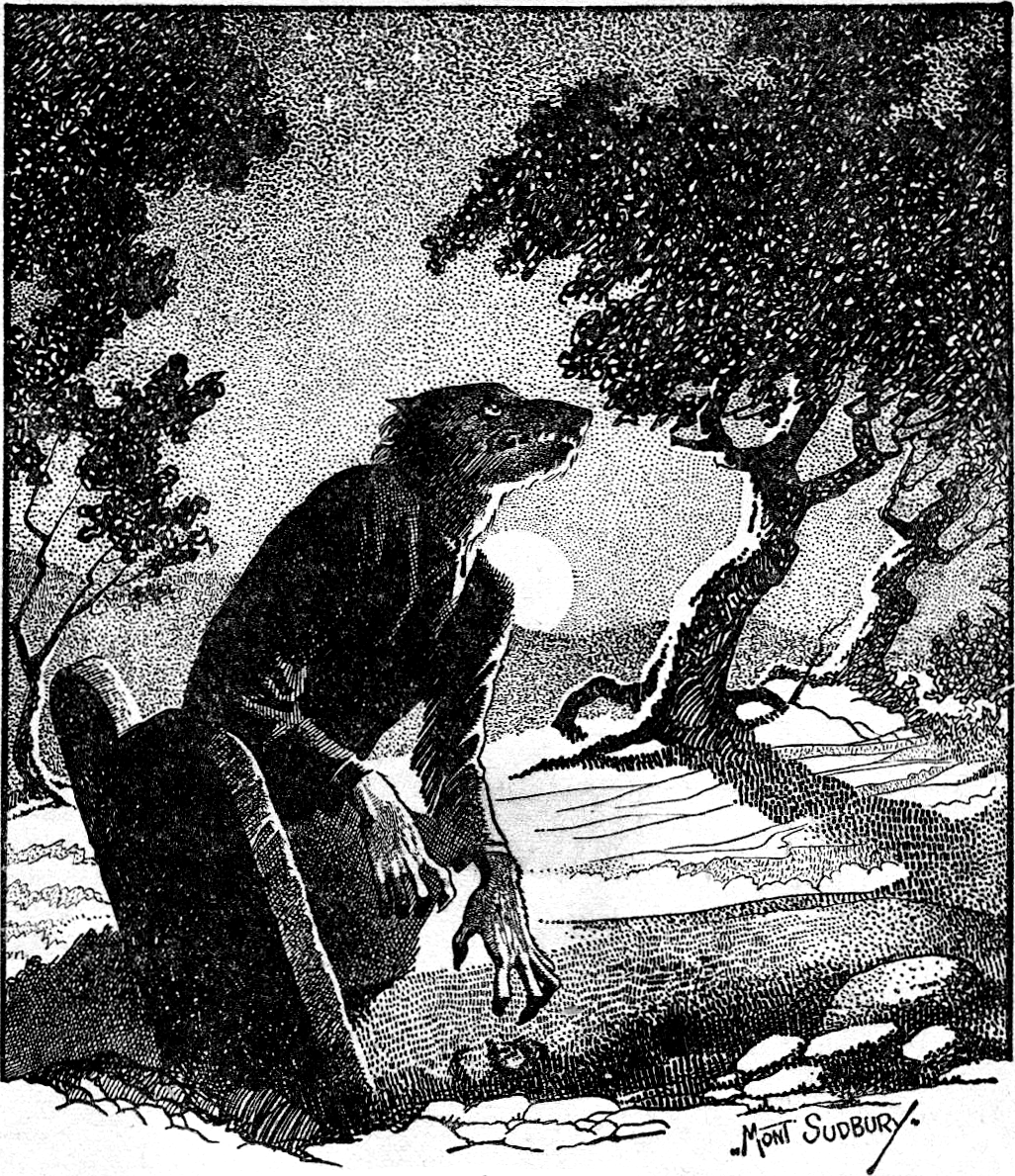 🇫🇷 France and 5 moreWerewolf
A mythical shapeshifter that turns into a wolf, central to European witch-hunts and Gothic horror.Being · Cursing and harm · Wonder and entertainment Legendary
🇨🇱 ChileChilean mythology
The myths and legends of Chile, blending indigenous roots with colonial influences.Tradition · Wonder and entertainment Living
🇫🇷 France and 5 moreWerewolf
A mythical shapeshifter that turns into a wolf, central to European witch-hunts and Gothic horror.Being · Cursing and harm · Wonder and entertainment Legendary
🇨🇱 ChileChilean mythology
The myths and legends of Chile, blending indigenous roots with colonial influences.Tradition · Wonder and entertainment Living